A New Zealand wildlife calendar is a crucial planning resource for eco-travellers, mapping out the seasonal migration, breeding, and feeding patterns of Aotearoa’s unique fauna. While summer (December–February) offers prime coastal bird watching and dolphin encounters, winter (June–August) is the peak season for viewing migratory sperm whales and royal albatross.
New Zealand is often referred to as the seabird capital of the world, and its isolation has allowed for the evolution of species found nowhere else on Earth. From the flightless Kiwi foraging in the dark to the majestic Southern Right Whale returning to sub-antarctic waters, timing your visit is the key to successful sightings. This comprehensive guide breaks down exactly when and where to go to witness the natural rhythms of Aotearoa.
What is the Best Time for Wildlife Watching in New Zealand?
The “best” time depends entirely on which species you prioritize. Unlike safari destinations in Africa where the dry season dictates waterhole congregations, New Zealand’s wildlife viewing is driven by breeding cycles and ocean temperatures.
Generally, Spring (September to November) is the most dynamic season. This is when life explodes across the archipelago: New Zealand fur seal pups are born on rocky coastlines, penguin colonies become active with returning mates, and native forests resonate with the calls of territorial birds. However, if your goal is to see the majestic Sperm Whales of Kaikoura, winter offers calmer seas and clearer visibility, bringing these giants closer to shore.
Monthly Wildlife Highlights: A Season-by-Season Breakdown
To maximize your chances of spotting elusive creatures, use this month-by-month breakdown of New Zealand’s natural calendar.
Summer (December – February): The Season of Plenty
Summer in New Zealand is vibrant. Warmer waters bring pelagic fish closer to shore, attracting pods of Dusky and Hector’s dolphins. This is the ideal time for swimming-with-dolphins tours in Akaroa and Kaikoura.
- December: The rare Hōiho (Yellow-eyed Penguin) chicks are hatching. You can observe parents shuttling from sea to nest to feed their voracious young on the Otago Peninsula.
- January: Orca (Killer Whales) are frequently sighted in the Bay of Islands and Auckland Harbour as they hunt for stingrays in the shallows.
- February: Gannet colonies at Cape Kidnappers are bustling. Chicks are preparing for their first flights, practicing wing flaps on the cliff edges.
Autumn (March – May): Migration and Preparation
As temperatures cool, many species prepare for winter or migration. This transitional period offers stable weather and fewer crowds.
- March: Wading birds like the Godwit gather in mass flocks at the top of the South Island (Farewell Spit) before embarking on their incredible non-stop migration to Alaska.
- April: The “Roar” begins. Red Stags in the high country start their rutting season, and their haunting bellows echo through the valleys—a highlight for those interested in terrestrial mammals.
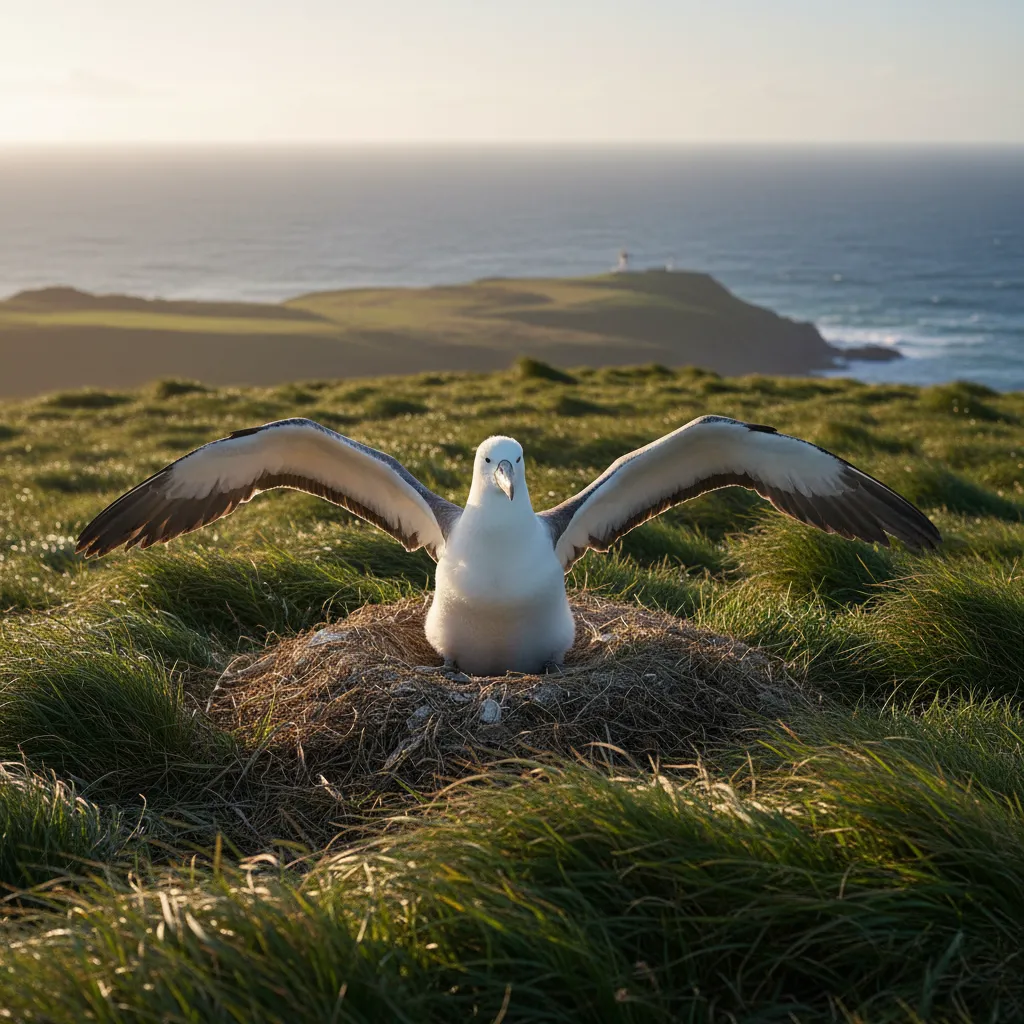
- May: Albatross chicks at the Royal Albatross Centre in Dunedin are growing large and fluffy, sitting on nests while parents forage for days at a time.
Winter (June – August): Giants of the Deep
While cold, winter provides crisp days and unique sightings that summer tourists miss completely.
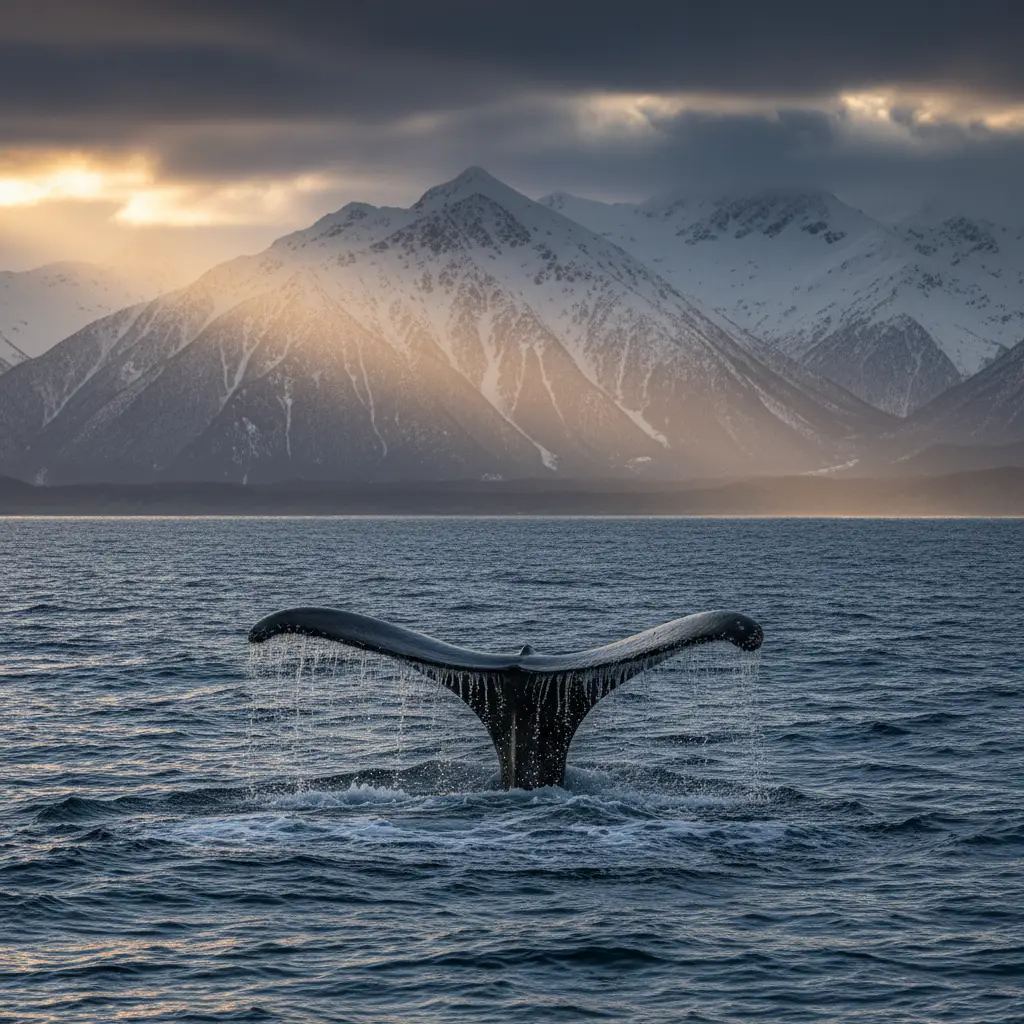
- June: Humpback whales migrate past the Kaikoura coast and Cook Strait on their way to the tropics. This is a prime month for spotting their acrobatic breaches.
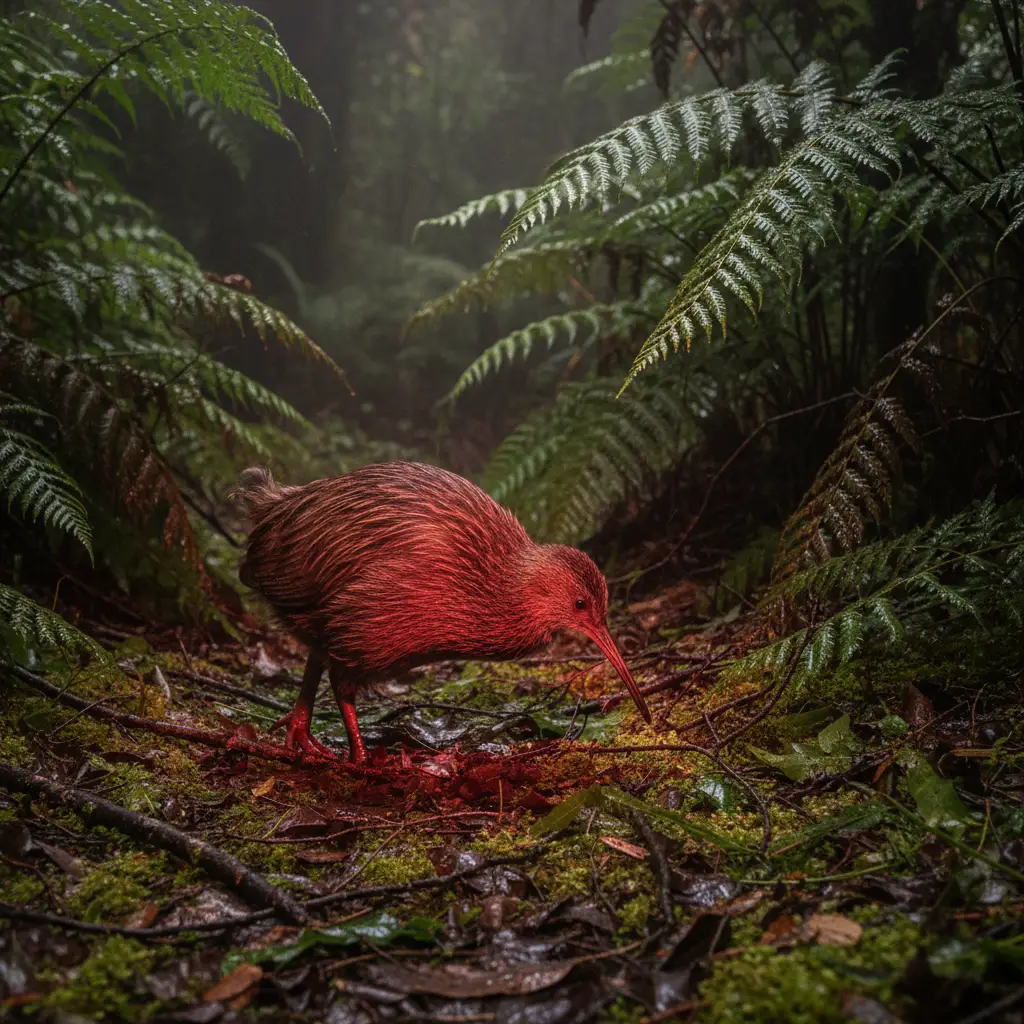
- July: Kiwi spotting is actually easier in winter. The longer nights mean these nocturnal birds start foraging earlier in the evening, sometimes as early as 6:00 PM.
- August: Southern Right Whales may be spotted in sheltered bays around the South Island, sometimes coming incredibly close to shore to rest.
Spring (September – November): New Life Begins
Spring is arguably the most adorable time to visit New Zealand due to the influx of babies across all species.
- September: Little Blue Penguins come ashore in Oamaru and Banks Peninsula to prepare nests. The nightly “parades” of penguins returning from the sea are consistent and plentiful.
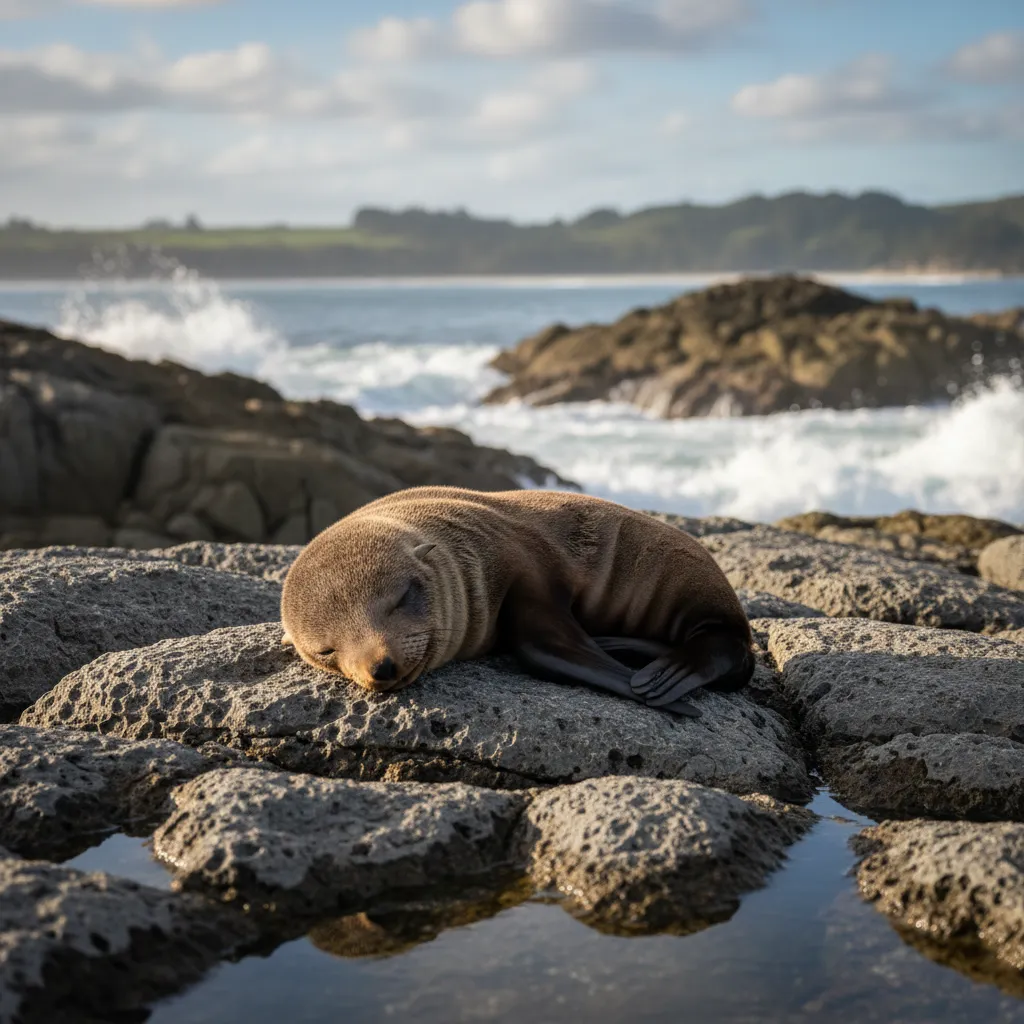
- October: New Zealand Fur Seal pups begin to appear in nurseries along the Kaikoura and West Coast shorelines. They are playful and often found in rock pools while mothers fish.
- November: Fiordland Crested Penguins (Tawaki) are active in the rainforests of the West Coast and Milford Sound, tending to their chicks before they head back to sea.
Marine vs. Avian Seasons: Understanding the Rhythms
When is the Best Time for Whale Watching?
New Zealand is unique because Sperm Whales are resident year-round in Kaikoura. However, if you want diversity, June and July are superior. During these winter months, you have the resident Sperm Whales plus migratory Humpbacks, Pilot Whales, and occasionally Blue Whales passing through the deep trenches off the coast.
When Can You See Kiwi Birds in the Wild?
Kiwi are flightless, nocturnal, and stay in their territories year-round, so they do not migrate. However, the winter months (May–August) offer the best viewing logistics. Because the sun sets early, guided tours can venture out at 5:30 PM or 6:00 PM. In summer, you must wait until 10:00 PM for total darkness, which can be exhausting for travellers. Stewart Island (Rakiura) is the exception, where the Stewart Island Tokoeka Kiwi is sometimes active during the day, though dawn and dusk remain best.
Safety Distances for NZ Species
New Zealand’s Department of Conservation (DOC) enforces strict regulations to protect wildlife. Ignorance is not a defense; disturbing wildlife can result in hefty fines. Maintaining distance prevents stress to the animal and protects you from aggressive defensive behaviors.
Marine Mammals (Seals, Sea Lions):
- On land: Stay at least 20 meters (66 feet) away. If the animal lifts its head and looks at you, you are too close.
- Active animals: If a sea lion is moving, give it a wide berth. They can move surprisingly fast (up to 25km/h) on land.
- Pups: Never get between a mother and her pup. This is when seals are most aggressive.
Whales and Dolphins (Boating):
- Vessels: Must stay 50 meters away from a whale and 300 meters if there are three or more vessels present.
- Speed: Create “no wake” speed within 300 meters.
- Swimming: It is illegal to swim with whales. Swimming with dolphins is only permitted with licensed operators.
Birds (Penguins, Albatross):
- Penguins: Stay at least 20 meters away. Do not block their path to the ocean or their nest. If they stop and look at you, back away slowly.
- Nesting Birds: Keep clear of nests on beaches (like Dotterels). These are often camouflaged, so walk below the high-tide mark where possible.
Ethical Wildlife Photography Guidelines
Capturing the perfect shot should never come at the expense of the subject’s welfare. In New Zealand, eco-tourism emphasizes passive observation.
1. No Flash Photography
This is critical for nocturnal animals like Kiwi and Little Blue Penguins. Their eyes are highly sensitive to light. A camera flash can temporarily blind them, leaving them vulnerable to predators or causing them to regurgitate food meant for chicks. Use a high ISO setting or a red-light filter if permitted.
2. The Telephoto Rule
If you have to crop your photo significantly to see the animal, you were at a good distance. If you are using a smartphone and the animal fills the frame, you are likely too close (unless you are using a zoom lens). Invest in a lens with at least 300mm focal length for bird and seal photography.
3. Avoid Baiting or Calling
Never feed wildlife to get them closer. This habituates them to humans, leading to aggressive behavior (common with Kea parrots) or illness. Do not use bird call apps to attract territorial birds, as this distracts them from breeding and defending against real threats.
Regional Hotspots for Specific Species
To build the ultimate itinerary, map these locations against your travel dates:
- Kaikoura (South Island): The whale watching capital. Also excellent for Dusky Dolphins and Albatross encounters. Accessible year-round.
- Otago Peninsula (Dunedin): The only mainland breeding colony of Royal Albatross in the world, plus Yellow-eyed Penguins (Hōiho).
- Stewart Island (Rakiura): The best place for Kiwi spotting (90% success rate on tours) and seeing diverse seabirds.
- Akaroa (Banks Peninsula): The sanctuary for the Hector’s Dolphin, the world’s smallest and rarest marine dolphin.
- Tiritiri Matangi Island (Auckland): A predator-free sanctuary where you can see rare birds like the Takahe, Stitchbird, and Kokako in the wild.
Frequently Asked Questions
What is the best month to see penguins in New Zealand?
November to January is generally the best time. During these months, Yellow-eyed and Fiordland Crested penguins are tending to chicks, meaning there is frequent movement between the ocean and nests. Little Blue Penguins can be seen year-round coming ashore at dusk.
Are there dangerous animals in New Zealand wilderness?
New Zealand is famous for having no snakes, bears, or large predatory mammals. The only “dangerous” wildlife are Katipo spiders (rare) and sea lions/seals if provoked. However, weather conditions in the wilderness pose a far greater risk than animals.
Can I see Kiwi birds without a guide?
It is possible, particularly on Stewart Island or in Northland sanctuaries, but it is difficult. Kiwi are shy, well-camouflaged, and nocturnal. A guided tour with red-light torches significantly increases your chances and ensures the birds are not disturbed.
When is the whale migration season in New Zealand?
While Sperm Whales are residents, the migration season for Humpback Whales is typically June to July (northbound) and October to November (southbound). Southern Right Whales appear in winter months.
Where is the best place to see Kea parrots?
Kea are alpine parrots found in the South Island high country. The best places to see them are Arthur’s Pass, near the Homer Tunnel in Milford Sound, and at ski fields during winter. Watch your belongings, as they are notoriously curious and destructive!
Do I need to book wildlife tours in advance?
Yes. Due to strict Department of Conservation concessions that limit visitor numbers to protect wildlife, tours (especially swimming with dolphins and kiwi spotting) often book out weeks in advance during the peak summer season (December–February).