Regenerative travel in New Zealand goes beyond simple sustainability; it aims to leave the environment better than you found it. This New Zealand eco tourism guide emphasizes the Tiaki Promise, encouraging visitors to act as guardians of the land, protecting native wildlife, respecting Māori culture, and supporting local communities through conscious, low-impact travel choices.
New Zealand, or Aotearoa (The Land of the Long White Cloud), has long been a bucket-list destination for nature lovers. However, as global tourism evolves, so too does the responsibility of the traveler. The paradigm has shifted from “sustainable tourism”—which seeks to do no harm—to “regenerative tourism,” which actively seeks to restore and rejuvenate the environment and communities visited. This comprehensive guide explores how you can align your journey with the principles of Kaitiakitanga (guardianship) to ensure Aotearoa remains pristine for generations to come.
What is the Tiaki Promise and Why Does it Matter?
At the heart of any authentic New Zealand eco tourism guide lies the concept of Tiaki. In Te Reo Māori (the Māori language), “Tiaki” means to care for people and place. The Tiaki Promise is a commitment to act as a guardian, protecting Aotearoa for now and for future generations.
Regenerative tourism in New Zealand is deeply rooted in Te Ao Māori (the Māori worldview), which sees humans as part of the natural world, not masters of it. When you arrive in New Zealand, you are invited to make the Tiaki Promise. This isn’t just a marketing slogan; it is a code of conduct that asks travelers to:
- Care for land, sea, and nature: Tread lightly and leave no trace.
- Travel safely: Show respect for the unpredictable nature of the environment.
- Respect culture: Travel with an open heart and mind.
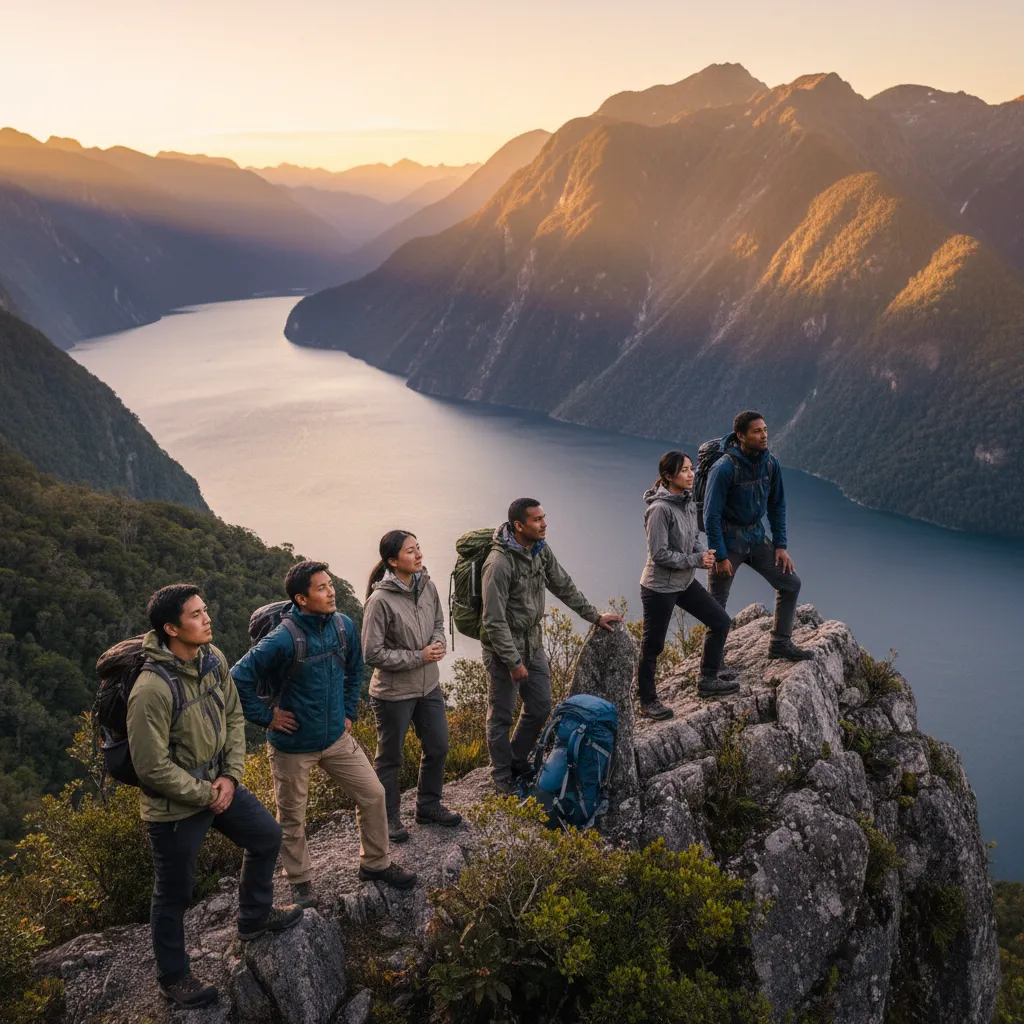
How to Practice Kaitiakitanga (Guardianship)
Kaitiakitanga is the practice of guardianship and environmental management. As a visitor, you can practice this by engaging in activities that give back. This might include participating in a beach cleanup, choosing tour operators that contribute a percentage of profits to predator control programs, or planting native trees to offset your carbon footprint.
Many tour operators now offer “hands-on” conservation experiences. For example, in the Bay of Islands, you can join eco-cruises that not only show you dolphins but also involve you in marine research and data collection. This transforms a passive sightseeing trip into an active contribution to science and conservation.
What Are the Best Eco-Destinations by Season?
New Zealand’s landscape changes dramatically with the seasons, and a true eco-tourism approach involves travelling throughout the year to disperse visitor impact, rather than overcrowding hotspots during the peak summer months. Here is a seasonal breakdown for the regenerative traveler.
Winter (June – August): Matariki and Cultural Connection
Winter in New Zealand is synonymous with Matariki, the Māori New Year, marked by the rising of the Pleiades star cluster. This is a time for reflection, celebration, and planning for the future. It is arguably the best time for cultural tourism.
Where to go: Visit Northland (Te Tai Tokerau) to experience the Waitangi Treaty Grounds without the summer crowds. Engage in deep cultural storytelling tours in Rotorua, where the geothermal steam provides warmth against the crisp air. Winter is also ideal for whale watching in Kaikōura, as migrating whales pass close to the shore.
Spring (September – November): Renewal and Waterfalls
Spring is the season of new life. It is when the “lambing” season begins, and the native forests burst with activity. It is also the best time for waterfall chasing, as snowmelt feeds the rivers.
Where to go: The Taranaki region offers spectacular garden festivals and eco-walks around Mount Taranaki. For bird lovers, this is a critical time to visit sanctuaries like Zealandia in Wellington or Sanctuary Mountain Maungatautari in Waikato, as native birds are nesting. Traveling in spring supports the “shoulder season” economy, helping local businesses maintain year-round employment.
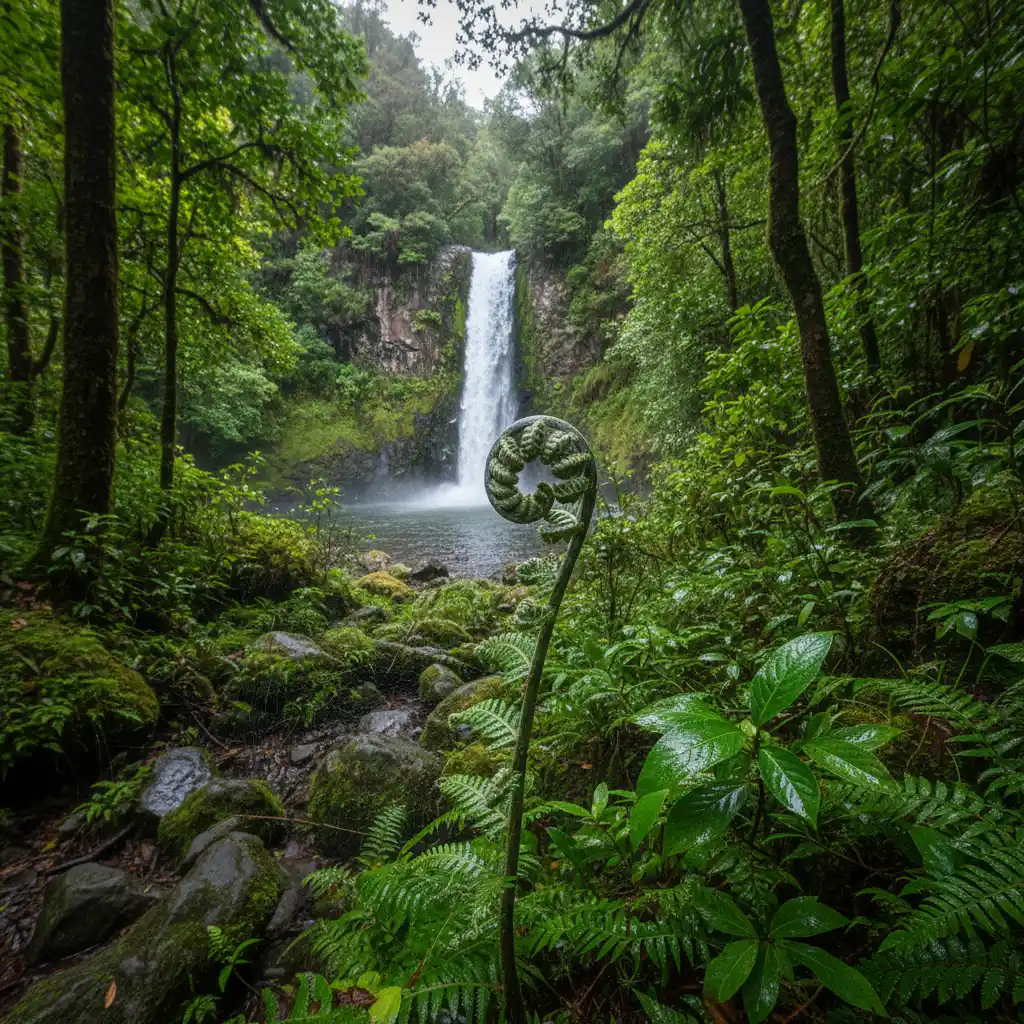
Summer (December – February): Coastal Preservation
Summer is peak season. To be a regenerative traveler during this time, one must venture off the beaten path or strictly adhere to “Leave No Trace” principles in popular areas.
Where to go: Instead of the crowded beaches of the Coromandel, explore the rugged Catlins coast in the deep south. If you do visit popular spots like Abel Tasman National Park, opt for kayaking tours that have zero carbon emissions compared to water taxis. Always use reef-safe sunscreen to protect marine ecosystems.
Autumn (March – May): Harvest and Hiking
Autumn offers stable weather and stunning colors, particularly in the Central Otago region. It is the harvest season for vineyards and orchards.
Where to go: This is the prime time for tackling the Great Walks, such as the Kepler or Routeburn Track, as the huts are slightly less crowded. Visit organic wineries in Marlborough or Central Otago that practice biodynamic farming. These vineyards focus on soil health and biodiversity, aligning perfectly with regenerative travel principles.
How to Choose Sustainable Transport & Accommodation?
Transport is often the largest contributor to a traveler’s carbon footprint. Fortunately, New Zealand is rapidly adapting its infrastructure to support low-carbon travel.
Driving the Change: Electric Vehicles (EVs)
New Zealand’s charging network (ChargeNet) is extensive, covering most of the country’s main touring routes. Renting an EV or a hybrid vehicle is one of the most impactful choices you can make. Companies like GO Rentals, Jucy, and Snap Rentals offer modern EV fleets. When planning your itinerary, use apps like PlugShare to find charging stations, many of which are powered by New Zealand’s 80%+ renewable electricity grid.
Public Transport and Slow Travel
Consider “slow travel” by utilizing New Zealand’s scenic train network. The TranzAlpine (Christchurch to Greymouth) and the Northern Explorer (Auckland to Wellington) offer world-class views with a fraction of the carbon footprint of flying. InterCity buses also provide a comprehensive network that connects even remote towns, reducing the number of individual cars on the road.

Eco-Friendly Accommodation Certifications
Not all “eco-resorts” are created equal. When booking accommodation, look for credible certifications that verify a business’s sustainability claims. The gold standard in New Zealand is Qualmark.
- Qualmark Gold Sustainable Tourism Business Award: This recognizes the best sustainable tourism businesses in New Zealand. These businesses have proven they are leading the way in making the New Zealand tourism industry a world-class sustainable visitor destination.
- Off-Grid Stays: From PurePods (glass cabins in secluded locations) to glamping sites like Canopy Camping, these accommodations often utilize solar power, rainwater harvesting, and composting toilets to minimize environmental impact.
How to Experience Wildlife, Dark Skies, and Geothermal Wonders Responsibly?
New Zealand’s unique geography offers three distinct pillars of natural wonder: unique fauna, pristine night skies, and volatile geology. Engaging with these responsibly is key to this New Zealand eco tourism guide.
Wildlife: Predator-Free Sanctuaries
New Zealand’s native birds evolved without land mammals, making them vulnerable to introduced predators like stoats and rats. The goal of “Predator Free 2050” is a national mission. Travelers can support this by visiting predator-free islands such as Kapiti Island, Tiritiri Matangi, or Ulva Island.
Regenerative Tip: Strict biosecurity is essential. Always scrub your boots and check your bags for pests before boarding ferries to these sanctuaries. Your vigilance protects endangered species like the Takahē and the Little Spotted Kiwi.
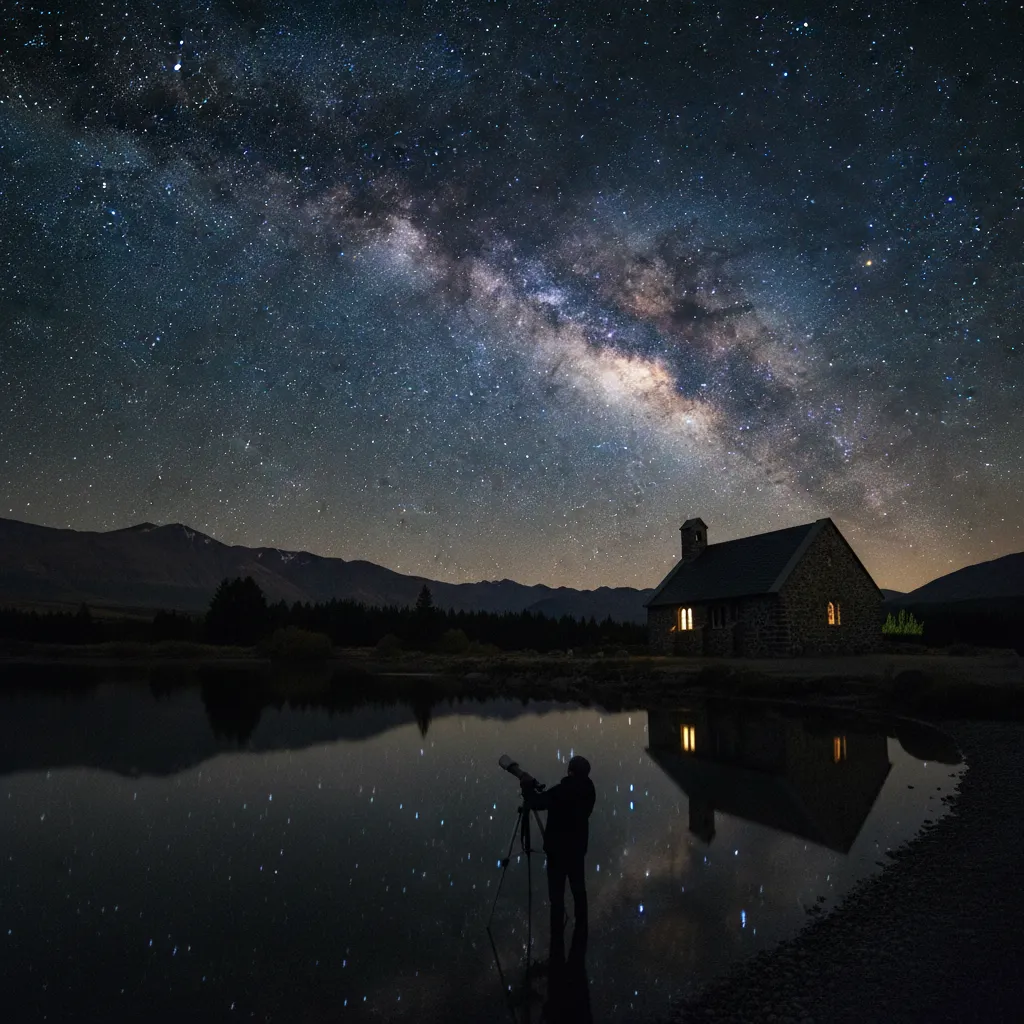
Dark Sky Sanctuaries: Aoraki Mackenzie
Light pollution is a growing global issue, but New Zealand is a leader in dark sky preservation. The Aoraki Mackenzie International Dark Sky Reserve is one of the largest in the world. Here, sustainability extends to the preservation of the night. Local ordinances restrict light pollution to protect the view of the cosmos.
Visiting these areas supports a niche economy that relies on preservation rather than consumption. It encourages the protection of nocturnal environments which is crucial for local wildlife.
Geothermal Wonders: Rotorua and Taupō
The central North Island is a geothermal wonderland. However, these environments are fragile. Silica terraces take centuries to form and can be destroyed by a single footprint. In places like Wai-O-Tapu or Hell’s Gate, staying on the boardwalks is mandatory for safety and preservation.
Furthermore, the geothermal activity is inextricably linked to Māori history and legends. A regenerative approach involves hiring local Māori guides who can explain the whakapapa (genealogy) of the landscape, ensuring that the stories and cultural significance are sustained alongside the physical environment.
Conclusion: The Legacy You Leave Behind
The ultimate goal of this New Zealand eco tourism guide is to shift the mindset from “consumer” to “contributor.” By following the Tiaki Promise, choosing sustainable transport, visiting during shoulder seasons, and respecting the cultural and physical landscape, you ensure that your visit is a net positive for Aotearoa.
New Zealand offers a profound lesson in connection—connection to the earth, to the sky, and to each other. When you travel regeneratively, you don’t just see the world; you help heal it. Let your journey be one that the locals appreciate, and the land remembers fondly.
People Also Ask
What is the Tiaki Promise?
The Tiaki Promise is a commitment that travelers to New Zealand are encouraged to make, pledging to care for the land (whenua), sea (moana), and nature, while traveling safely and showing respect for Māori culture.
How can I travel sustainably in New Zealand?
You can travel sustainably by renting electric vehicles, utilizing the national bus and train networks, booking Qualmark Gold-certified accommodations, supporting local Māori-owned businesses, and adhering to “Leave No Trace” principles.
What are the best eco-friendly hotels in NZ?
The best eco-friendly accommodations are those with Qualmark Gold Sustainable Tourism awards. Examples include The Headwaters Eco Lodge in Glenorchy, Hapuku Lodge in Kaikōura, and various PurePod locations throughout the country.
When is the best time for eco-tourism in NZ?
The shoulder seasons (Spring: Sept-Nov and Autumn: Mar-May) are best for eco-tourism. These periods reduce the strain of over-tourism on infrastructure and nature during peak summer, while still offering excellent weather for outdoor activities.
Is New Zealand good for vegans and vegetarians?
Yes, New Zealand is very accommodating for plant-based diets. Most cafes and restaurants offer high-quality vegan and vegetarian options, driven by a strong local movement toward sustainable and ethical eating.
What is regenerative tourism?
Regenerative tourism goes beyond sustainability (doing no harm) to actively improving the destination. In New Zealand, this involves activities like tree planting, predator control, and cultural engagement that leaves the community and environment better than before.