A DOC huts New Zealand guide is an essential resource for navigating the network of over 950 backcountry shelters managed by the Department of Conservation. These huts range from basic bivouacs to fully serviced lodges, offering hikers and hunters affordable accommodation while concentrating human impact to protect New Zealand’s fragile wilderness ecosystems.
Understanding the Department of Conservation (DOC) System
New Zealand’s approach to backcountry access is globally unique. Unlike the teahouse trekking of Nepal or the designated campsites of the United States, Aotearoa (New Zealand) offers an extensive network of physical structures known as huts. Managed by the Department of Conservation (DOC), this system was originally established to support deer cullers and wild animal control operations in the mid-20th century. Today, it serves as the backbone of outdoor recreation and a pillar of regenerative tourism.
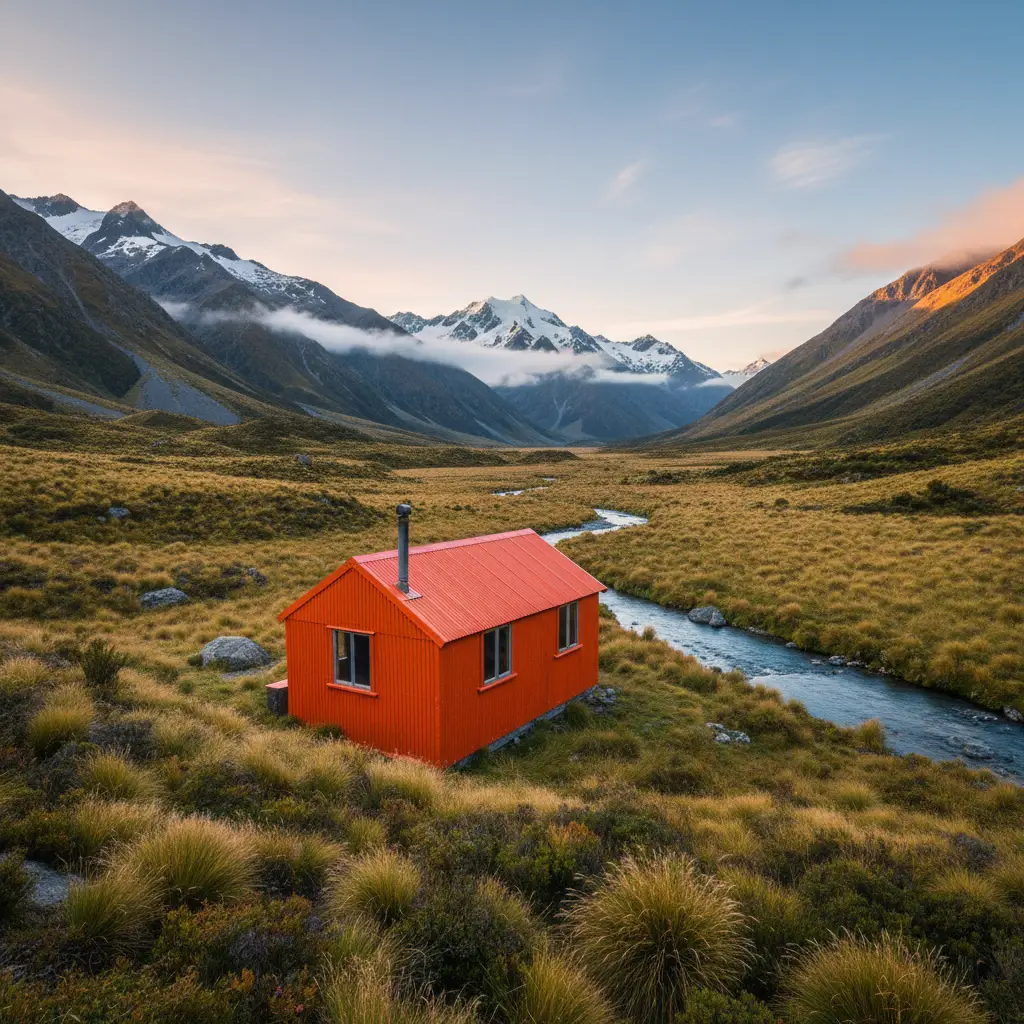
The DOC estate covers approximately 30% of New Zealand’s landmass. For the international traveler or the local enthusiast, understanding this system is crucial not just for logistics, but for cultural respect. These huts are not merely cheap accommodation; they are shared community spaces where the ethos of the backcountry—self-reliance, cooperation, and respect for nature—is practiced. In the context of regenerative tourism, utilizing these high-density nodes helps minimize the ecological footprint of hikers by localizing waste and impact, rather than dispersing it throughout sensitive bush environments.
Hut Categories Explained: From Luxury to Basic
To effectively plan your trip, you must understand the hierarchy of hut facilities. The amenities, costs, and booking requirements vary drastically depending on the category. Choosing the right category aligns your experience with your skill level and budget.
Great Walk Huts
These are the premier facilities located on New Zealand’s ten Great Walks (e.g., Milford Track, Kepler Track). They are designed for high-volume tourism and offer the highest level of comfort.
- Facilities: Mattresses, water supply, toilets, hand washing facilities, and heating with fuel available. Many have solar lighting and cooking gas provided during the season.
- Booking: Mandatory pre-booking is required, often months in advance.
- Cost: Premium pricing, with higher rates for international visitors.
Serviced Huts
Serviced huts are the most popular option for serious trampers. They bridge the gap between comfort and the raw backcountry experience.
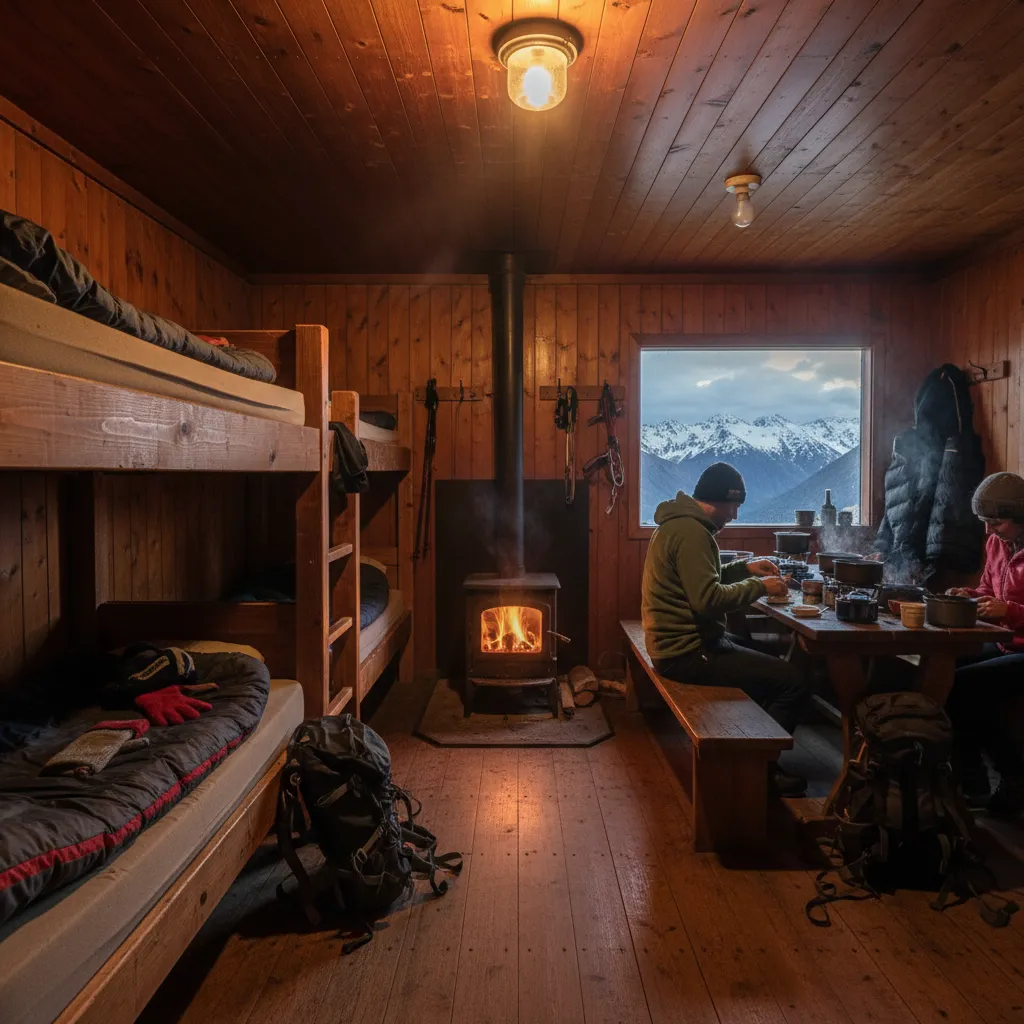
- Facilities: Mattresses, water supply, toilets, and wood burners for heating. Cooking fuel is rarely provided; you must carry your own stove. A warden may be present during peak season.
- Booking: Some require booking via the DOC website, while others operate on a first-come, first-served basis using Backcountry Hut Tickets.
Standard Huts
Standard huts represent the authentic Kiwi tramping experience. They are often located in more remote areas and require a higher degree of self-sufficiency.
- Facilities: Mattresses, water supply (often a rain tank), and a toilet (usually a long-drop/pit toilet). Heating is sometimes available, but wood supply is not guaranteed.
- Cost: Very affordable, typically paid via Hut Tickets or a Backcountry Hut Pass.
Basic Huts and Bivouacs
These are shelters in the truest sense. They provide refuge from the elements but offer zero luxuries. They are intended for experienced backcountry users.
- Facilities: Very limited. May have a toilet or water supply, but often you must source water from a nearby stream. Some are simply “bivvies”—tiny structures with room for two people to sleep on the floor.
- Cost: Often free of charge.
Booking Systems and Budget Access
Navigating the payment system is a common pain point for visitors. The system is split between reservable huts and the pass/ticket system.
The Backcountry Hut Pass
For those planning extensive travel, the Backcountry Hut Pass is the ultimate tool for budget access. This pass allows unlimited use of most Standard and Serviced huts for a fixed period (6 months or 12 months). It is a cornerstone of affordable regenerative travel, encouraging longer, slower journeys rather than rapid, high-carbon consumption of tourist hotspots.
Note: The pass excludes Great Walk huts and some high-demand serviced huts during peak season. Always check the specific exclusions on the DOC website before heading out.
Hut Tickets
If you are only doing a few weekend trips, buying individual Hut Tickets from a DOC visitor center or retailer is more economical. You deposit the ticket in the “honesty box” at the hut. This system relies entirely on the integrity of the user—a core value of the New Zealand outdoor community.
Safety in the Backcountry
New Zealand’s wilderness is beautiful but unforgiving. The maritime climate means weather can shift from sunshine to hypothermic conditions in under an hour. Safety is not just about personal preservation; it is a responsibility to the search and rescue volunteers who risk their lives when things go wrong.
The Land Safety Code
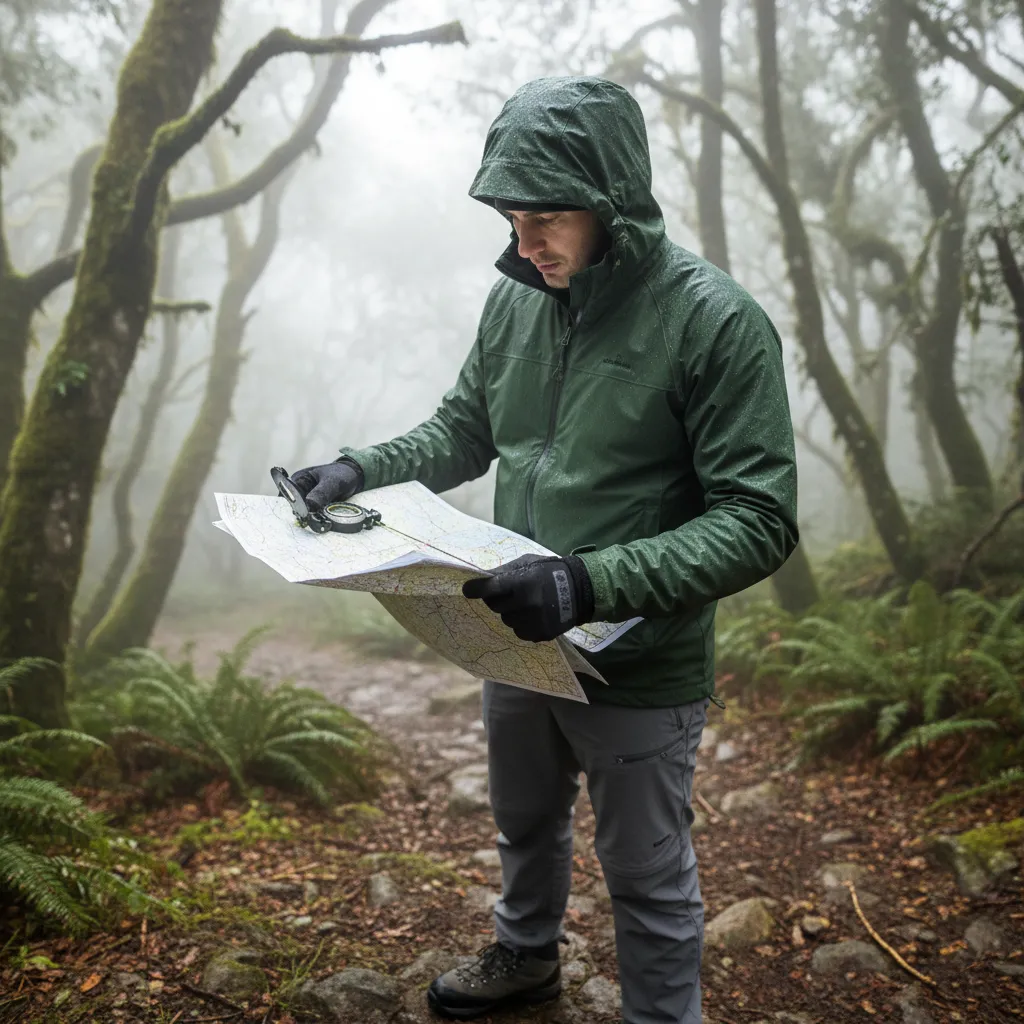
- Choose the right trip: Learn about the route and ensure it matches your skills.
- Understand the weather: The forecast changes daily. Check the MetService mountain forecasts.
- Pack warm clothes and extra food: Always prepare for an unplanned night out.
- Share your plans: Tell a trusted contact your details and when to raise the alarm.
- Take care of yourself and each other: Eat, drink, and rest. Stick together.
Communication is critical. Cell phone reception is non-existent in most hut locations. Carrying a Personal Locator Beacon (PLB) is highly recommended and can be rented from many outdoor stores or DOC visitor centers.
Regenerative Tourism and Leave No Trace
Regenerative tourism goes beyond sustainability. It asks the question: “How can your visit leave this place better than you found it?” In the context of a DOC huts New Zealand guide, this means strict adherence to the Tiaki Promise—a commitment to care for New Zealand.
Biosecurity: Kauri Dieback and Didymo
New Zealand’s isolation has created unique flora and fauna that are highly susceptible to introduced pests and diseases. Kauri Dieback is a microscopic pathogen that kills massive Kauri trees. Didymo is an invasive algae that chokes waterways.
To prevent the spread, you must:
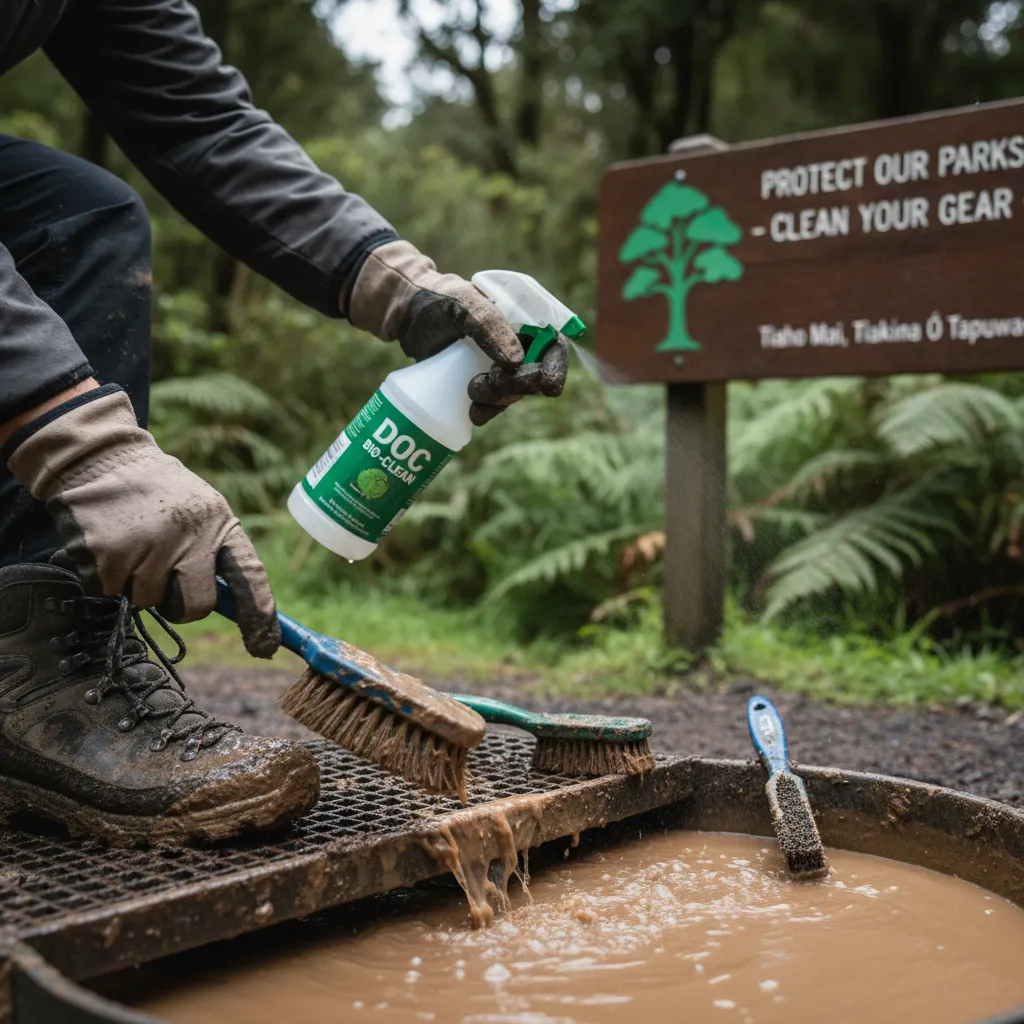
- Scrub all soil off your boots before and after every hike.
- Use the cleaning stations provided at track entrances.
- Check, Clean, and Dry all gear between waterways.
Waste Management
Most DOC huts operate on a “pack in, pack out” policy. There are no rubbish bins in the backcountry. Everything you bring in—including food scraps and wrappers—must be carried out. In some alpine or sensitive environments, you may also be required to carry out human waste using “poop tubes” or provided bags, though most huts have long-drop toilets.
By respecting these huts and the land they sit upon, you ensure that this unique heritage of public access remains viable for future generations. The hut network is a privilege, not a right, and maintaining it requires the active participation of every visitor.
People Also Ask
Do I need to book DOC huts in advance?
It depends on the hut category. Great Walk huts and some popular Serviced huts require advance booking via the DOC website, especially during the summer season (October to April). Standard and Basic huts generally operate on a first-come, first-served basis, requiring a Backcountry Hut Pass or tickets.
Is the water at DOC huts safe to drink?
While many hikers drink the rainwater collected in hut tanks, DOC officially recommends boiling, filtering, or treating all water before consumption. Giardia is present in some New Zealand waterways, and tank water can occasionally be contaminated by birds or possums on the roof.
Are there showers at DOC huts?
Generally, no. Most backcountry huts do not have showers. Great Walk huts may have cold water showers, but hot showers are extremely rare and usually only found at private lodges or campsites, not standard DOC facilities. Hikers typically wash in nearby streams (without using soap) or use a washcloth.
What is the Backcountry Hut Pass?
The Backcountry Hut Pass is a subscription-style pass that allows unlimited use of most Standard and Serviced huts for a 6 or 12-month period. It offers significant savings for frequent hikers but does not cover Great Walk huts or bookings for reservable serviced huts.
Is there electricity in DOC huts?
Most DOC huts do not have electricity. Great Walk huts may have solar lighting in the common areas, but you cannot charge devices. You must bring your own headlamps and power banks for your electronics.
Can I bring my dog to a DOC hut?
In most cases, no. Dogs are prohibited in national parks and many conservation areas to protect kiwi and other native wildlife. However, there are specific “dog-friendly” tracks and huts where dogs are allowed with a permit. Always check the specific track rules on the DOC website before bringing a pet.