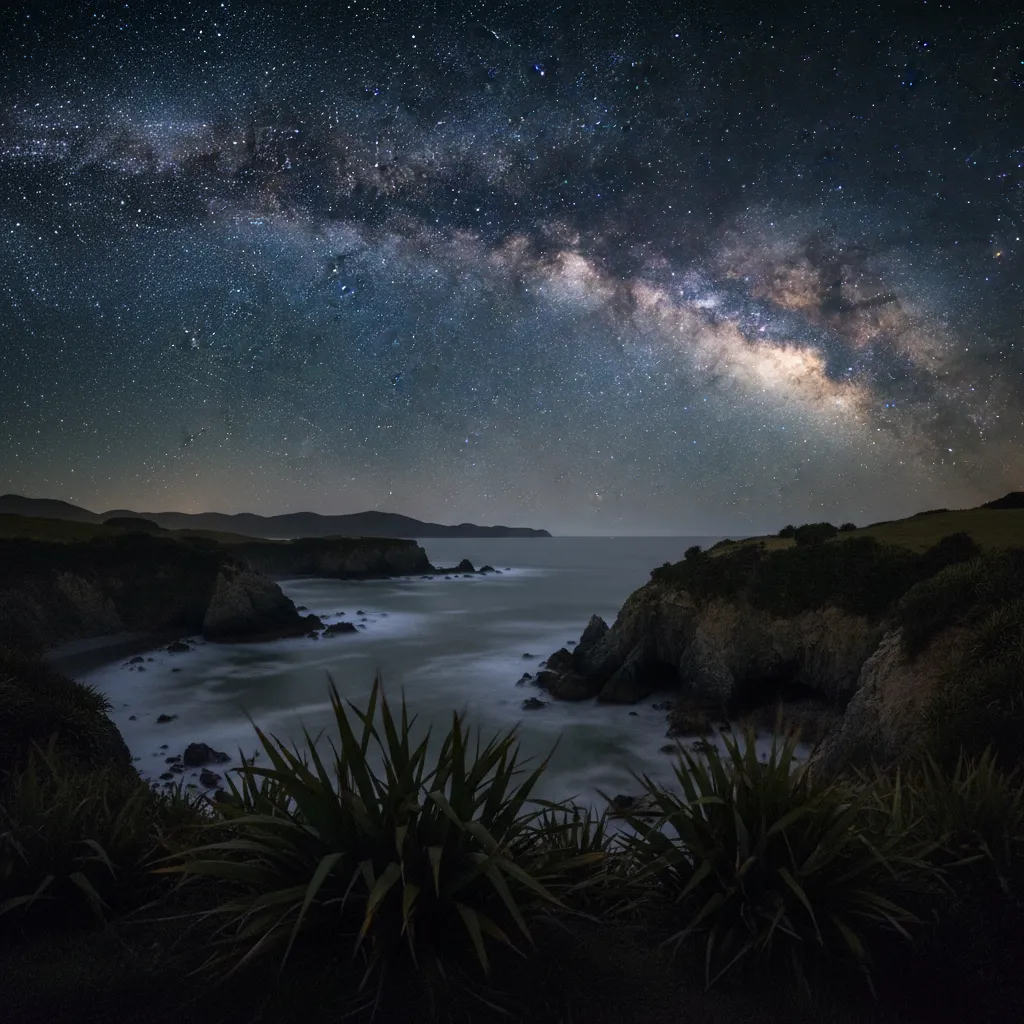
Dark Sky Sanctuaries in New Zealand are protected areas distinguished by exceptional starry nights and a nocturnal environment specifically preserved for its scientific, natural, educational, and cultural value. The two premier remote island sanctuaries are Great Barrier Island (Aotea) and Stewart Island (Rakiura), offering world-class astrotourism experiences free from light pollution.
New Zealand, or Aotearoa (The Land of the Long White Cloud), is rapidly becoming known as the land of the long dark night. For travelers seeking a connection with the cosmos, few places on Earth rival the clarity and depth of the night skies found in New Zealand’s remote island sanctuaries. This guide explores the logistics, ecology, and majesty of visiting these pristine locations.
Introduction to NZ’s Dark Sky Sanctuaries
In an era where artificial light pollution obscures the stars for 80% of the global population, New Zealand stands as a fortress of darkness. The country has embraced the protection of the night sky not merely as a tourism asset, but as a conservation imperative. The concept of a “Dark Sky Sanctuary” is specific; according to the International Dark-Sky Association (IDA), a sanctuary differs from a park or reserve by being situated in a very remote location with few (if any) nearby threats to the quality of its dark night skies.
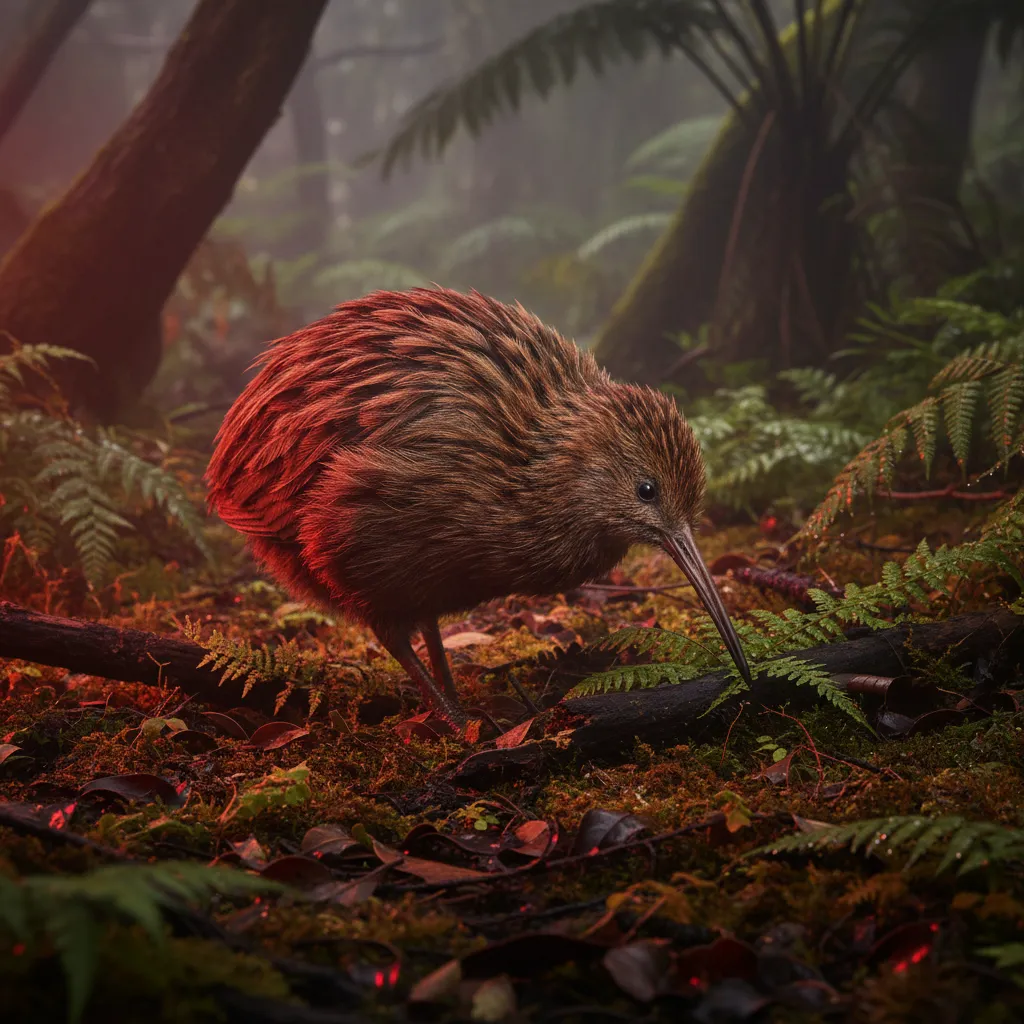
New Zealand’s approach to astrotourism is deeply intertwined with the principles of regenerative tourism. This philosophy goes beyond sustainability—which seeks to do no harm—to actually improving the destination. By visiting these sanctuaries, travelers support local economies that are incentivized to reduce light pollution, which in turn protects nocturnal wildlife such as the kiwi, tītī (muttonbird), and various species of petrels that rely on darkness for navigation and safety.
The Crown Jewels: Aotea and Rakiura
While the Mackenzie Basin (including Lake Tekapo) is a famous Dark Sky Reserve, the true frontiers of astrotourism are found offshore in the Dark Sky Sanctuaries.
Great Barrier Island (Aotea)
Located 100 kilometers northeast of Auckland in the Hauraki Gulf, Aotea / Great Barrier Island was the first island in the world to be designated an International Dark Sky Sanctuary. With no reticulated electricity on the island, residents rely on solar power and generators, naturally limiting light spill. The isolation results in a Bortle Scale rating often approaching Class 1—the darkest possible skies on Earth.
Stewart Island (Rakiura)
Lying 30 kilometers south of the South Island, Rakiura translates from Māori as “The Land of Glowing Skies.” This name is prophetic, referencing both the stunning sunsets and the frequent appearance of the Aurora Australis (Southern Lights). As the southernmost Dark Sky Sanctuary in the world, Rakiura offers a rugged, sub-antarctic feel where the stars seem to touch the horizon.
Getting to Remote Islands: Logistics
Accessing these remote sanctuaries requires careful planning. Unlike mainland destinations, transport links are weather-dependent and capacity-constrained.
How to get to Great Barrier Island (Aotea)?
Visitors have two primary options for reaching Aotea:
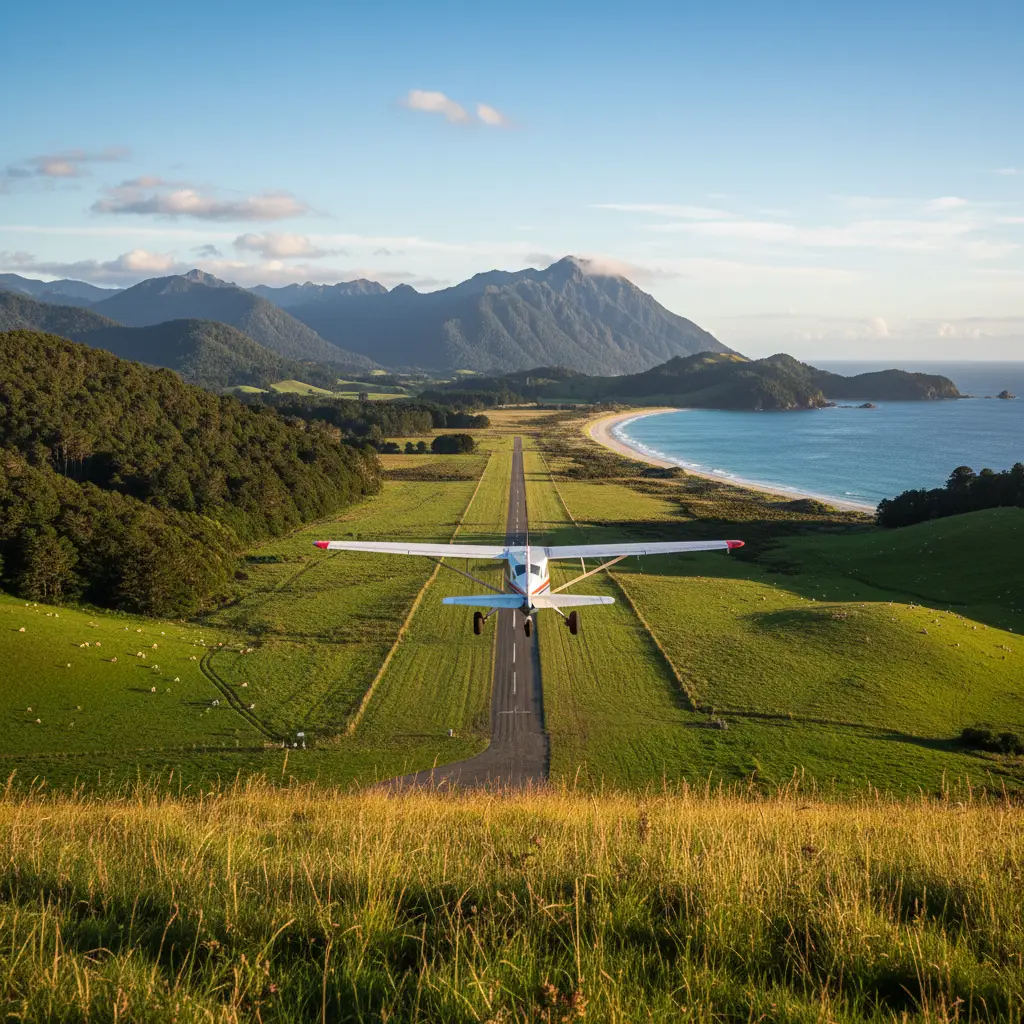
- By Air: A 30-minute scenic flight departs from Auckland Airport (Domestic) or North Shore Airfield. Airlines such as Barrier Air and Fly My Sky operate small aircraft (typically Cessnas) that offer breathtaking views of the Hauraki Gulf. Weight restrictions for luggage are strict, often capped at 15-20kg.
- By Sea: SeaLink operates a car and passenger ferry from Wynyard Quarter in Auckland. The journey takes approximately 4.5 hours. This option allows you to bring a vehicle, which is highly recommended as public transport on the island is virtually non-existent.
How to get to Stewart Island (Rakiura)?
Reaching the deep south involves crossing the Foveaux Strait:
- By Sea: RealNZ operates a catamaran ferry service from Bluff to Oban (the main settlement). The crossing takes one hour. Note that the Foveaux Strait is notoriously rough; those prone to seasickness should prepare accordingly.
- By Air: Stewart Island Flights operates from Invercargill Airport. The flight takes roughly 20 minutes and lands on a small airstrip near Oban.
Best Times for Stargazing and Aurora Australis
Understanding the celestial calendar is vital for maximizing your experience in dark sky sanctuaries new zealand.
The Seasonality of Darkness
Winter (May to August): This is the prime season for serious astronomers. The nights are long, with darkness falling as early as 5:30 PM, providing over 12 hours of viewing time. The Galactic Core of the Milky Way is most visible during these months, stretching directly overhead. However, temperatures can drop near freezing, requiring heavy thermal layers.
Summer (December to February): While warmer, the nights are short. True darkness may not settle until 11:00 PM. However, summer is excellent for casual stargazing and camping.
Chasing the Aurora Australis
Unlike the Northern Lights, the Southern Lights can be seen year-round, but they are most visible during the equinoxes (March and September) and the winter months. Rakiura is the best location for this.
- Kp Index: Monitor the Kp index (a measure of geomagnetic activity). A Kp of 5 or higher usually results in visible auroras from Stewart Island.
- Moon Phase: Always plan your trip around the New Moon. A Full Moon acts as a giant natural light polluter, washing out the Milky Way and faint auroras.
Māori Astronomy: Tātai Arorangi
In New Zealand, the night sky is not just a scientific wonder; it is a cultural treasure. Māori ancestors navigated the Pacific Ocean to Aotearoa using the stars, a knowledge system known as Tātai Arorangi.
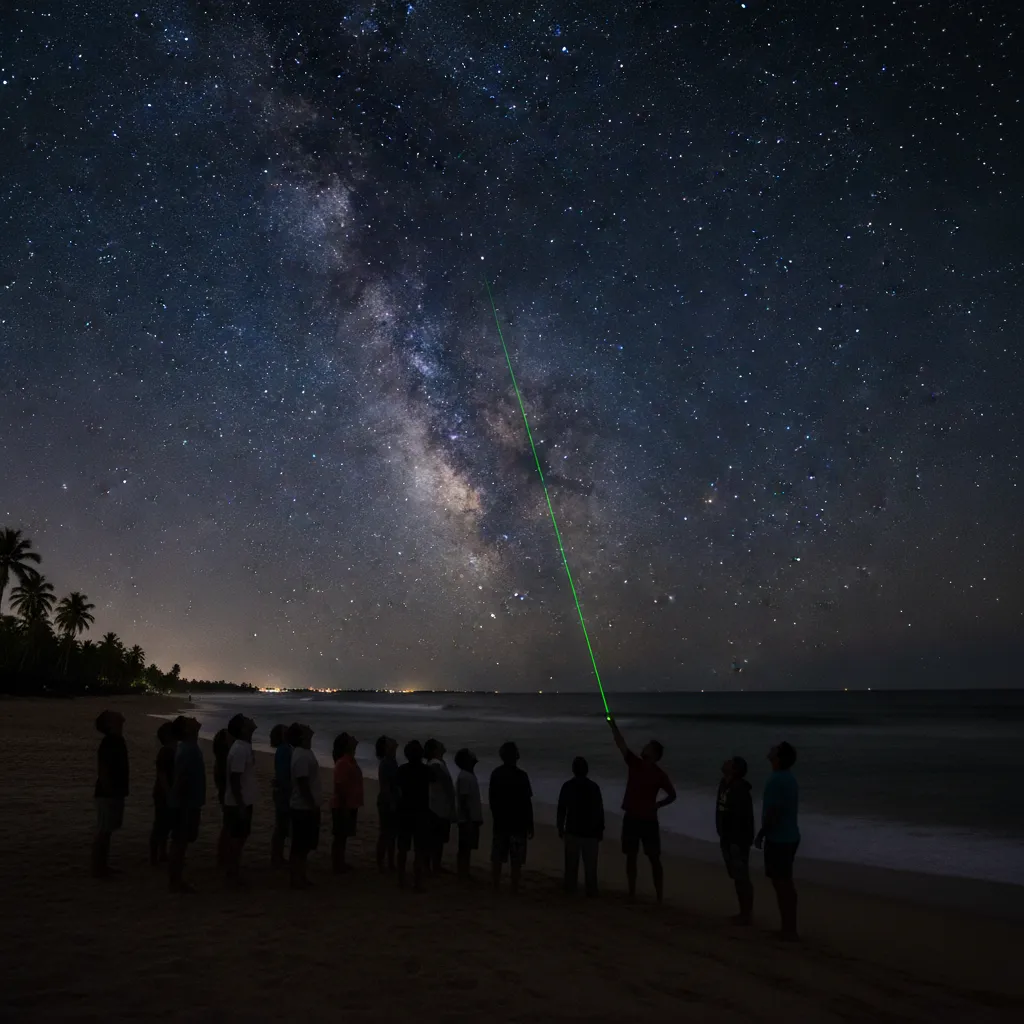
When visiting Aotea or Rakiura, look for guided tours that incorporate indigenous storytelling. You will learn about Matariki (the Pleiades), whose rising in mid-winter marks the Māori New Year. You will also learn to identify the Southern Cross (Te Punga) which acts as the anchor of the great sky canoe. Engaging with this cultural history is a key component of regenerative tourism, ensuring that the stories of the land and sky are preserved alongside the environment.
Island Bio-security Protocols
Visiting New Zealand’s remote islands comes with a responsibility to protect their unique ecosystems. Both Aotea and Rakiura are havens for endangered native species that have been decimated by introduced pests on the mainland.
What are the bio-security rules for NZ islands?
Bio-security is strictly enforced at ferry terminals and airfields. Failure to comply can result in fines and, more importantly, ecological devastation.
- Check Your Gear: thoroughly check all bags, camping gear, and pockets for seeds, soil, rodents, ants, or spiders. Shake out tents and sleeping bags before packing.
- Clean Your Footwear: Soil can carry Kauri Dieback disease, a microscopic pathogen that kills native Kauri trees. You must scrub and spray your shoes at the provided cleaning stations before boarding your transport and upon arrival.
- No Pests: Ensure no stowaway pests (rats or mice) are in your vehicle or luggage. The sanctuaries are engaged in aggressive predator-free programs (Predator Free 2050), and reintroduction of pests sets these efforts back by years.
- Myrtle Rust: Be aware of plants you are transporting. Restrictions often apply to plants in the myrtle family (like Pōhutukawa and Mānuka) to prevent the spread of Myrtle Rust.
Regenerative Tourism and Light Conservation
As a visitor to a Dark Sky Sanctuary, you become a guardian of the night. Regenerative tourism asks that you leave a positive impact. In the context of astrotourism, this involves specific behaviors:
- Use Red Light: White light from cell phones and standard flashlights destroys night vision and disturbs nocturnal wildlife. Use a red light torch or a red cellophane filter over your light source.
- Light Discipline: If staying in holiday rentals, draw curtains at night to prevent light spill. Turn off outdoor lights when not in use.
- Support Local: Choose tour operators who are Dark Sky accredited. These operators contribute financially to conservation efforts and adhere to strict environmental guidelines.
Conclusion
Visiting the dark sky sanctuaries of New Zealand is more than a vacation; it is a pilgrimage to the edge of the world where the veil between earth and space is thinnest. Whether you choose the rugged isolation of Great Barrier Island (Aotea) or the southern aurora-filled skies of Stewart Island (Rakiura), the experience offers a profound perspective on our place in the universe. By adhering to bio-security protocols and embracing regenerative travel habits, you ensure that these sanctuaries remain pristine for generations of stargazers to come.
People Also Ask
Where is the darkest sky in New Zealand?
The darkest skies in New Zealand are found in the remote Dark Sky Sanctuaries of Great Barrier Island (Aotea) and Stewart Island (Rakiura). These locations have minimal light pollution, often achieving a Bortle Scale Class 1 rating, which represents a truly pristine dark sky.
Can you see the Southern Lights from Stewart Island?
Yes, Stewart Island (Rakiura) is one of the best places in the world to view the Aurora Australis (Southern Lights). Its southern latitude (47°S) and lack of light pollution make it ideal, particularly during the winter months (May to August) or periods of high solar activity.
How much does it cost to go to Great Barrier Island?
Costs vary by season and transport method. A return ferry ticket for an adult is approximately NZD $130-$160, while taking a vehicle costs significantly more (approx NZD $400-$500 return). Return flights typically range from NZD $250 to $400 per person depending on the airline and booking time.
What is the difference between a Dark Sky Park and Sanctuary?
According to the International Dark-Sky Association, a “Sanctuary” is typically situated in a very remote location with little to no public lighting and fragile conservation needs. A “Park” or “Reserve” (like Tekapo) may be more accessible to the public and have more infrastructure, though still protecting the night sky.
Do I need a telescope to see the Milky Way in NZ?
No, you do not need a telescope. In New Zealand’s Dark Sky Sanctuaries, the Milky Way is clearly visible to the naked eye. In fact, the center of the galaxy is often so bright it casts a shadow. Binoculars are recommended for enhanced viewing of star clusters, but not required.
What should I pack for an astrotourism trip?
Pack warm thermal layers (even in summer, nights get cold), a red-light torch to preserve night vision, sturdy footwear for uneven terrain, and a camera with manual settings (tripod essential) if you plan to do astrophotography. Also, ensure all gear is clean of soil and seeds for bio-security.