New Zealand eco travel itineraries are strategically designed travel routes that connect certified sustainable destinations, known as “eco-hubs,” using low-carbon transport methods. These itineraries prioritize regenerative tourism experiences, such as conservation volunteering and cultural engagement, allowing travelers to explore regional biodiversity hotspots like Northland, the West Coast, and Fiordland while minimizing their environmental footprint.
New Zealand, or Aotearoa, has long been a bucket-list destination for nature lovers. However, the modern traveler seeks more than just passive sightseeing; there is a growing demand for immersive, regenerative experiences that leave the land better than it was found. Planning eco travel itineraries in NZ requires a shift in mindset from “ticking boxes” to “slow travel,” focusing on deep engagement with specific regions rather than rushing from tip to tail.
This guide serves as a comprehensive resource for the “Regional Explorer” persona—travelers who wish to connect the dots between New Zealand’s most progressive eco-hubs. We will explore how to structure multi-stop nature trips, the logistics of sustainable transport, and the specific regional highlights that define Aotearoa’s green tourism landscape.
Planning Multi-Stop Nature Trips
Creating effective eco travel itineraries in NZ begins with the concept of “hub-and-spoke” travel. Rather than moving accommodation every night, this strategy involves basing yourself in a central “eco-hub” for 3-5 days and exploring the surrounding environment. This approach significantly reduces carbon emissions associated with transport and supports the local economy more effectively.
Defining the Eco-Hub
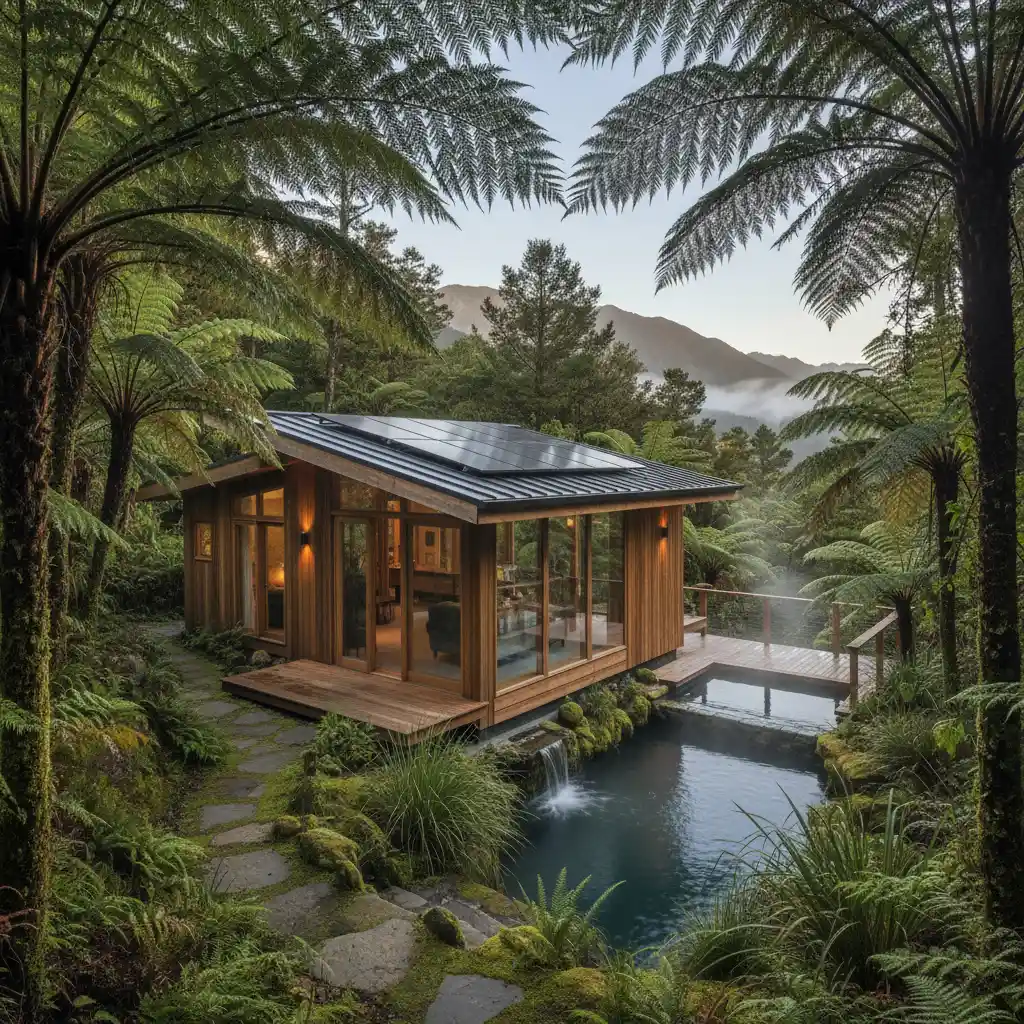
An eco-hub is a region or town that demonstrates a high density of sustainable infrastructure. This includes Qualmark Gold-rated accommodation, active conservation projects open to the public, and a community commitment to the Tiaki Promise (guardianship of the land). Key indicators of a strong eco-hub include:
- Accommodation: Presence of lodges using renewable energy, rainwater harvesting, and waste minimization strategies.
- Activities: Availability of predator-free sanctuaries, guided nature walks by local iwi (tribes), and citizen science projects.
- Food Systems: A strong “farm-to-table” ethos with restaurants sourcing ingredients within a 50km radius.
Seasonality and Carrying Capacity
A critical component of sustainable planning is respecting the carrying capacity of nature. The peak summer season (December to February) places immense strain on popular infrastructure. For the conscious traveler, the “shoulder seasons” (March-May and September-November) offer the best balance. Not only does traveling off-peak spread the economic benefit throughout the year, but it also provides a more solitary, authentic connection with nature without the crowds.
Connecting the Dots: Transport between Eco-Hubs
Transport remains the largest contributor to a tourist’s carbon footprint in New Zealand. However, the infrastructure for low-carbon mobility is rapidly expanding, making green itineraries more feasible than ever.
The Rise of EV Road Trips
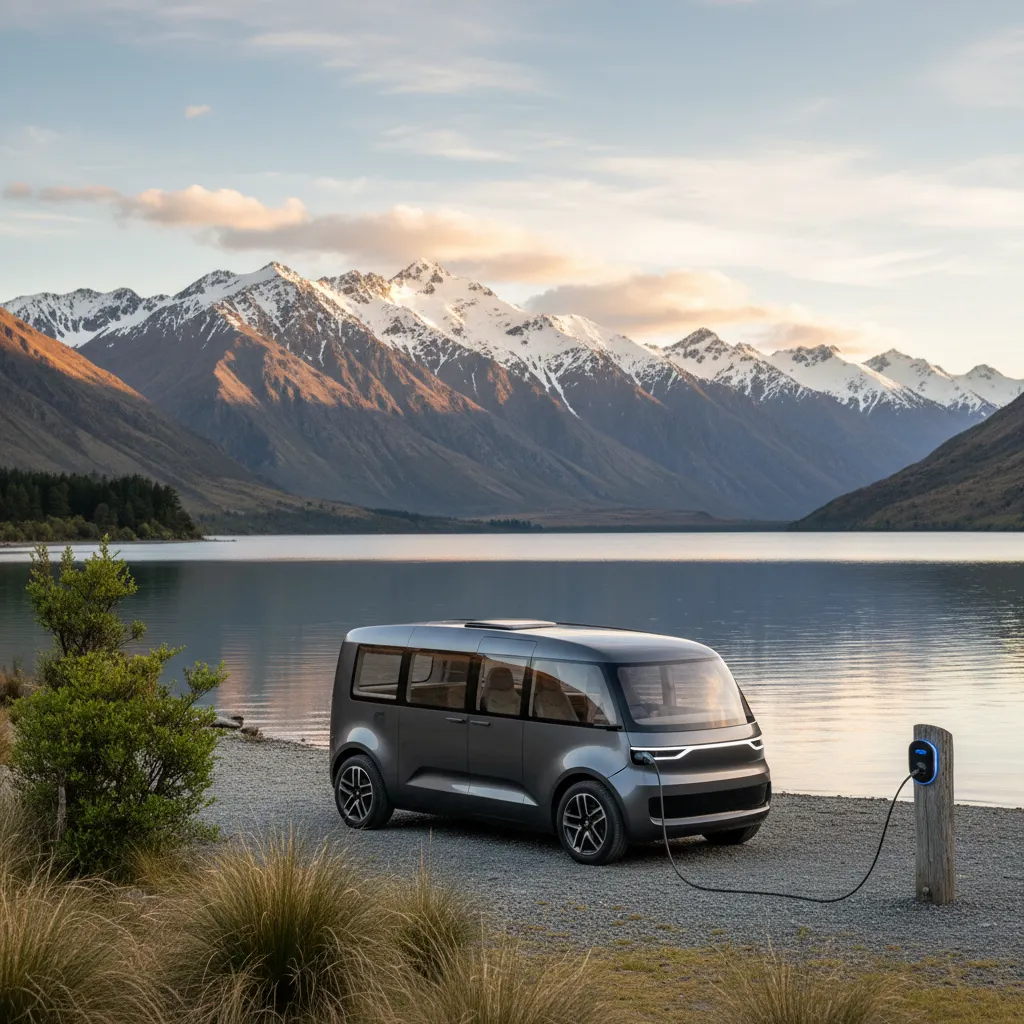
New Zealand’s “Electric Highway” is now a reality, with fast-charging stations located every 75km along almost all state highways. Renting an Electric Vehicle (EV) or a PHEV (Plug-in Hybrid Electric Vehicle) campervan is the gold standard for independent eco-travel. Companies like JUCY and specialized boutique rentals are increasingly electrifying their fleets. When planning your route, apps like PlugShare or the NZTA journey planner are essential for locating charging hubs, many of which are situated near cafes or scenic spots to make the wait enjoyable.
Public Transport and Rail
For those wishing to forgo driving entirely, New Zealand offers viable public transport links between major hubs:
- InterCity Buses: The national bus network is extensive and offers a lower carbon per passenger kilometer compared to solo driving.
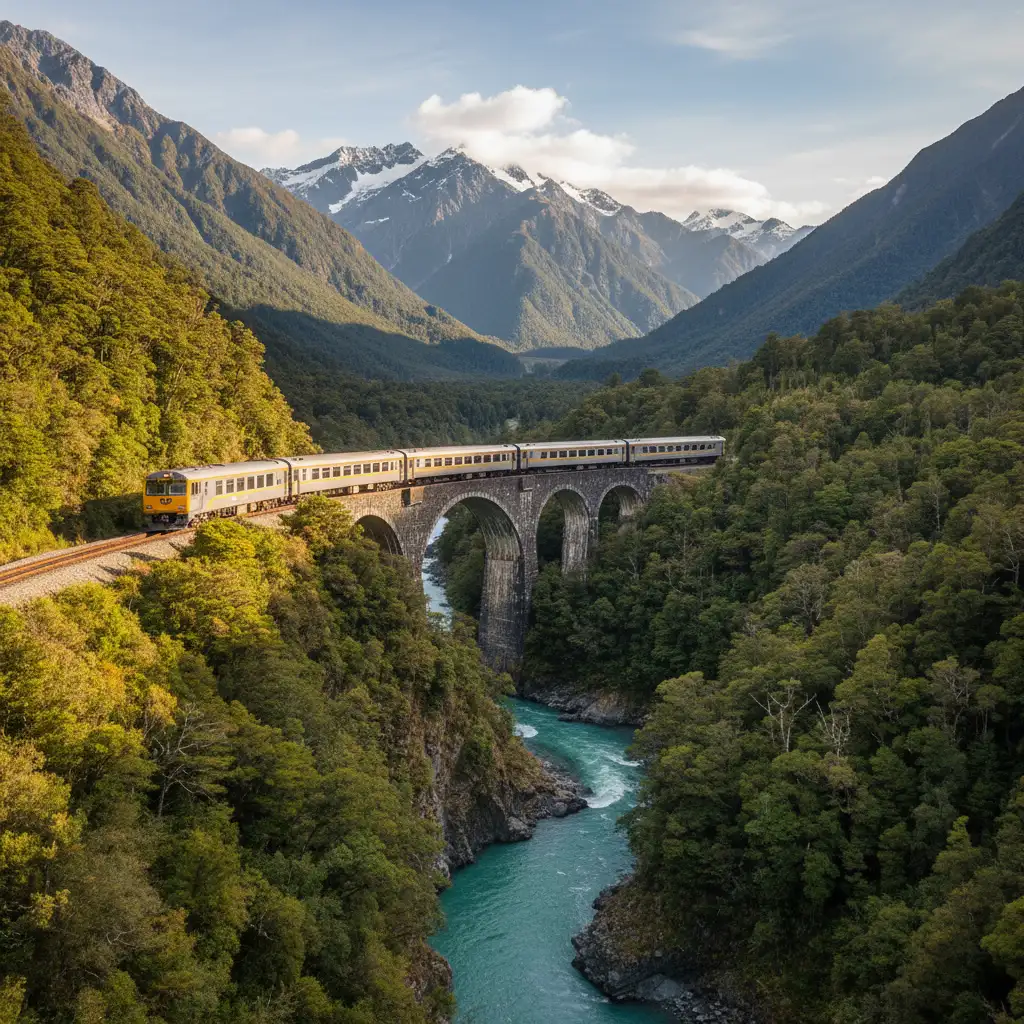
- Scenic Rail: Great Journeys New Zealand operates three main lines (Northern Explorer, Coastal Pacific, TranzAlpine). These are not just transit; they are world-class scenic experiences that cut through national parks inaccessible by road.
- Ferries: The Interislander and Bluebridge ferries connecting the North and South Islands are working towards hybrid technologies, and they remain the only way to move vehicles between the main islands.
Regional Highlights: North Island Eco-Hubs
Northland & The Bay of Islands
The Focus: Marine Conservation and Kauri Forests.
Northland is the cradle of Māori culture and home to ancient Kauri forests. As an eco-hub, it focuses heavily on forest regeneration and marine protection. Travelers can visit the Waipoua Forest to pay respects to Tāne Mahuta (the Lord of the Forest) with local Māori guides who explain the importance of fighting Kauri Dieback disease. In the Bay of Islands, operators offer sailing trips that contribute data to dolphin research.
Rotorua & The Central Plateau
The Focus: Geothermal Energy and Cultural Sustainability.
Rotorua is a global leader in geothermal energy usage. Beyond the geysers, this hub is essential for understanding indigenous tourism. Engaging with Te Puia or Whakarewarewa Living Māori Village provides direct economic support to preserving cultural heritage. Nearby, the Sanctuary Mountain Maungatautari offers a glimpse into a pre-human New Zealand, surrounded by a pest-proof fence.
Wellington & Kapiti Coast
The Focus: Urban Ecology.
Wellington proves that cities can be eco-hubs. It is home to Zealandia, the world’s first fully-fenced urban ecosanctuary. The spillover effect has led to native birdlife returning to city suburbs. Kapiti Island, a short boat ride north, is one of the nation’s most successful bird sanctuaries.
Regional Highlights: South Island Eco-Hubs
Nelson Tasman & Golden Bay
The Focus: Zero-Waste and Arts.
Known for its sunshine and artisans, this region is a pioneer in zero-waste initiatives. It serves as the gateway to the Abel Tasman National Park. Eco-conscious travelers should opt for kayaking or sailing tours rather than water taxis to explore the park’s granite cliffs and golden beaches silently.
Kaikōura
The Focus: Marine Giant Protection.
Kaikōura is world-renowned for whale watching. The operators here are strictly regulated to ensure minimal disturbance to the Sperm Whales. The town is EarthCheck certified, demonstrating a community-wide commitment to sustainability. It is a vital stop for understanding the relationship between deep ocean trenches and marine biodiversity.

Wanaka & Queenstown
The Focus: Regenerative Alpine Tourism.
While Queenstown is the adventure capital, it is pivoting toward regenerative tourism. The goal is to be carbon zero by 2030. Wanaka, its quieter neighbor, leads with community-driven planting projects. “Love Wānaka” connects visitors with local environmental charities, allowing tourists to donate time or money to repair the alpine environment.
Sample Eco Travel Itineraries
Option 1: The Northern Green Loop (7 Days)
This itinerary minimizes driving time and maximizes cultural immersion.
- Day 1-2: Auckland. Stay at a Green Star rated hotel. Visit Tiritiri Matangi Island (open scientific reserve). Use public transport/ferries.
- Day 3-5: Coromandel Peninsula. Drive an EV (2.5 hours). Base in Whitianga. Visit Hot Water Beach (natural spa). Hike the Pinnacles. Support local conservation groups protecting the Archey’s Frog.
- Day 6-7: Rotorua. Drive EV (3 hours). Experience regenerative Māori tourism. Visit the Redwoods Treewalk (eco-tourism design).
Option 2: The Southern Alpine & Ocean Route (10 Days)
This route utilizes the TranzAlpine train to cross the divide, reducing vehicle dependence.
- Day 1-2: Christchurch. Explore the Botanic Gardens. Visit the International Antarctic Centre.
- Day 3: TranzAlpine Train. Travel from Christchurch to Greymouth. One of the world’s great train journeys.
- Day 4-6: West Coast (Punakaiki & Franz Josef). Rent an EV in Greymouth. Explore the Paparoa National Park. Take a guided eco-walk to the glacier terminal face (avoiding helicopters for lower carbon footprint).
- Day 7-9: Wanaka. Drive over the Haast Pass. Participate in a “Love Wānaka” volunteer morning. Hike Roy’s Peak.
- Day 10: Queenstown. Depart via Queenstown Airport (offset flight emissions).
Regenerative Travel Practices
The future of tourism in New Zealand is regenerative—leaving the destination better than you found it. This goes beyond simply “taking only photos and leaving only footprints.” It involves active participation.
The Tiaki Promise
Tiaki means to care for people and place. Travelers are encouraged to take the Tiaki Promise, a commitment to act as a guardian, protecting nature, keeping NZ clean, driving carefully, and being prepared. This cultural framework helps visitors understand their responsibility (kaitiakitanga) toward the environment.
Practical Ways to Give Back
- Tree Planting: Many eco-hubs have “planting days” where tourists can spend a morning planting native trees to restore wetlands.
- Predator Control: Some remote lodges offer guests the chance to check trap lines, helping to eradicate pests like stoats and rats that decimate native bird populations.
- Buy Local: Bypass mass-produced souvenirs. Purchase arts and crafts directly from local artisans and iwi to ensure money stays in the community.
- Offsetting: If you must fly or drive a petrol vehicle, use reputable New Zealand carbon offsetting schemes like Toitū, which invest in local native forest regeneration rather than overseas projects.
Frequently Asked Questions
What is the best time of year for eco travel in NZ?
The shoulder seasons (March-May and September-November) are ideal. The weather is generally mild, accommodation availability is better, and the environmental load on popular sites is significantly lower than in summer.
Are there enough EV charging stations in the South Island?
Yes. The charging network covers the entire South Island, including remote routes like the West Coast and the Catlins. However, careful planning is required for longer stretches, such as the Haast Pass.
How do I know if a tour operator is truly sustainable?
Look for the Qualmark Gold Sustainable Tourism Business Award. This is New Zealand’s official quality assurance mark, verifying that the business meets high standards of environmental and social responsibility.
Can I travel New Zealand entirely by train?
No, the train network is not comprehensive. It serves specific scenic routes (Auckland to Wellington, Picton to Christchurch, Christchurch to Greymouth). You will need to supplement rail travel with buses or rental vehicles to reach most regional eco-hubs.
What is the Tiaki Promise?
The Tiaki Promise is a commitment to care for New Zealand. It is a set of guiding principles for visitors to act as guardians of the land, sea, and culture during their stay.
Is freedom camping allowed everywhere in NZ?
No. Freedom camping is strictly regulated. You must have a certified self-contained vehicle and only camp in designated areas. Breaking these rules can result in heavy fines and environmental damage.