Regenerative tourism in New Zealand goes beyond simple sustainability by actively restoring and enhancing the environment and communities visited. Rooted in the Māori concept of kaitiakitanga (guardianship), it invites travelers to participate in conservation initiatives, support local culture, and leave the destination in a better state than it was found.
What is Regenerative Tourism and the Tiaki Promise?
As the global travel industry pivots from extraction to restoration, New Zealand (Aotearoa) has emerged as a world leader in regenerative tourism. While sustainable tourism seeks to minimize harm—often described as “leaving no footprints”—regenerative tourism requires a paradigm shift. It asks travelers to leave positive footprints. It is about actively improving the ecological systems, cultural vibrancy, and economic resilience of the places you visit.
In New Zealand, this approach is intrinsically linked to Te Ao Māori (the Māori worldview). The guiding principle is Kaitiakitanga, which translates to guardianship and protection. It creates a reciprocal relationship between the traveler and the land. You are not just a passive observer of nature; you are a temporary guardian responsible for its well-being.
The Tiaki Promise: A Commitment to Care
To formalize this relationship, the New Zealand tourism industry created the Tiaki Promise. Tiaki means to care for people and place. It is a commitment that all travelers—both domestic and international—are encouraged to make upon arrival. The promise outlines simple yet profound behaviors:
- Care for land, sea, and nature: Treading lightly and leaving no trace.
- Travel safely: Showing consideration for all.
- Respect culture: Traveling with an open heart and mind.
By adhering to the Tiaki Promise, visitors transition from tourists to guests. This distinction is crucial in regenerative tourism. A guest respects the host’s rules, contributes to the household, and engages with the local community meaningfully. Practically, this might look like participating in a beach clean-up, choosing tour operators that fund predator-free initiatives, or simply ensuring your hiking boots are scrubbed clean of kauri dieback disease spores before entering a forest.
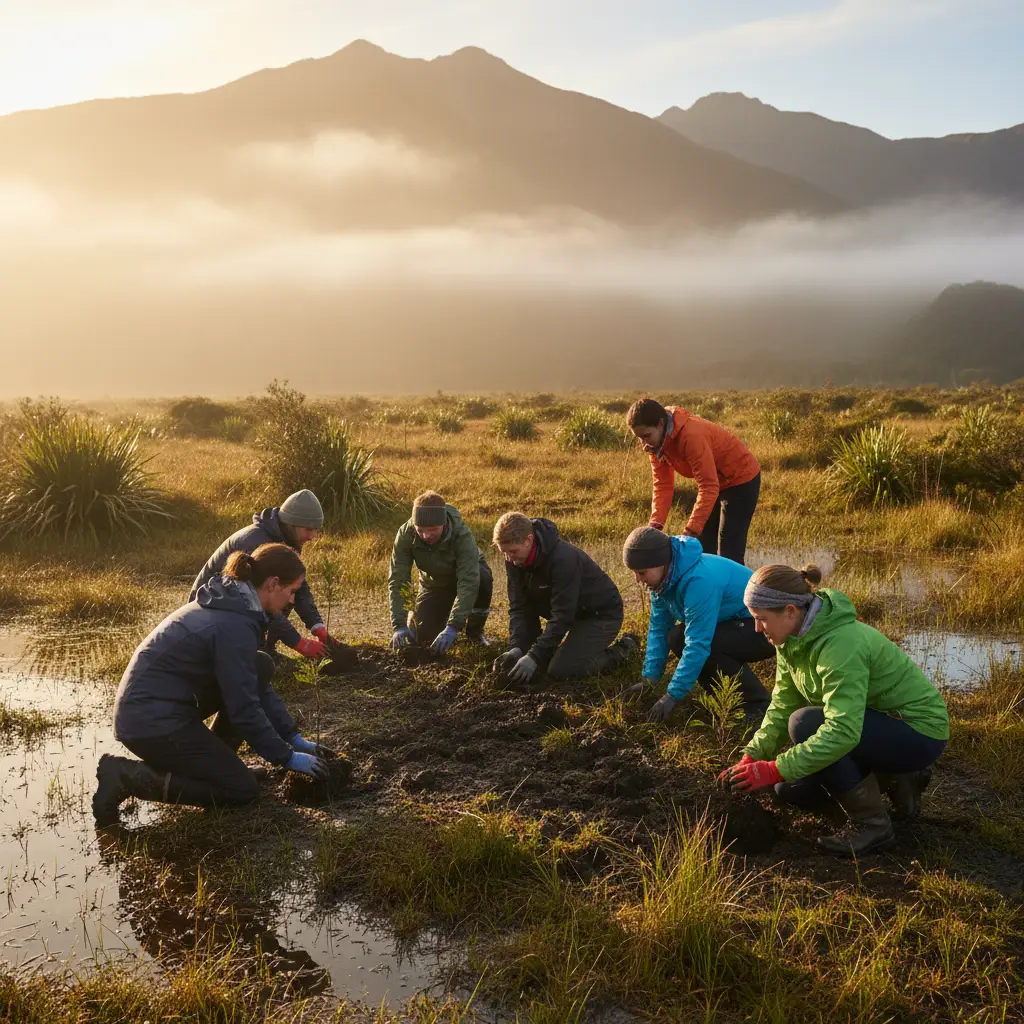
Overview of NZ’s Eco-Tourism Regions
New Zealand is geologically diverse, and its approach to regenerative tourism varies by region. Each area faces unique environmental challenges and offers distinct opportunities for travelers to contribute to restoration.
Northland and the Bay of Islands
In the “winterless north,” the focus is heavily on marine conservation and forest protection. This region is home to the mighty Kauri trees, ancient giants that are currently threatened by a microscopic pathogen. Regenerative travel here involves strict adherence to biosecurity cleaning stations on hiking trails.
Furthermore, the Bay of Islands offers opportunities to engage with the Ipipiri project, which aims to restore native birdlife to the islands. Travelers can join eco-cruises that not only offer dolphin watching but also contribute data to marine mammal research and fund pest-trapping initiatives on the islands.
Rotorua and the Central Plateau
Rotorua is the heartland of Māori culture and geothermal activity. Here, regeneration is cultural as much as it is environmental. Visiting Whakarewarewa or Te Puia supports the preservation of traditional arts, such as weaving and carving, and ensures the stories of the Arawa people continue to be told. The Central Plateau, home to the Tongariro Alpine Crossing, faces issues with over-tourism. A regenerative approach here means visiting during shoulder seasons or choosing lesser-known tracks to reduce erosion and pressure on the fragile alpine ecosystem.
Fiordland and Stewart Island (Rakiura)
The deep south offers the wildest frontiers. Fiordland National Park is a UNESCO World Heritage site where operators like RealNZ have been pioneering conservation for decades. Your ticket price often subsidizes the removal of invasive predators like stoats and rats, which devastate native bird populations. Further south, Stewart Island (Rakiura) is 85% national park. It is a haven for the Kiwi bird. Tourism here is low-impact by necessity, and visitors are encouraged to support the Stewart Island/Rakiura Community & Environment Trust (SIRCET) which protects the local penguin and kiwi populations.
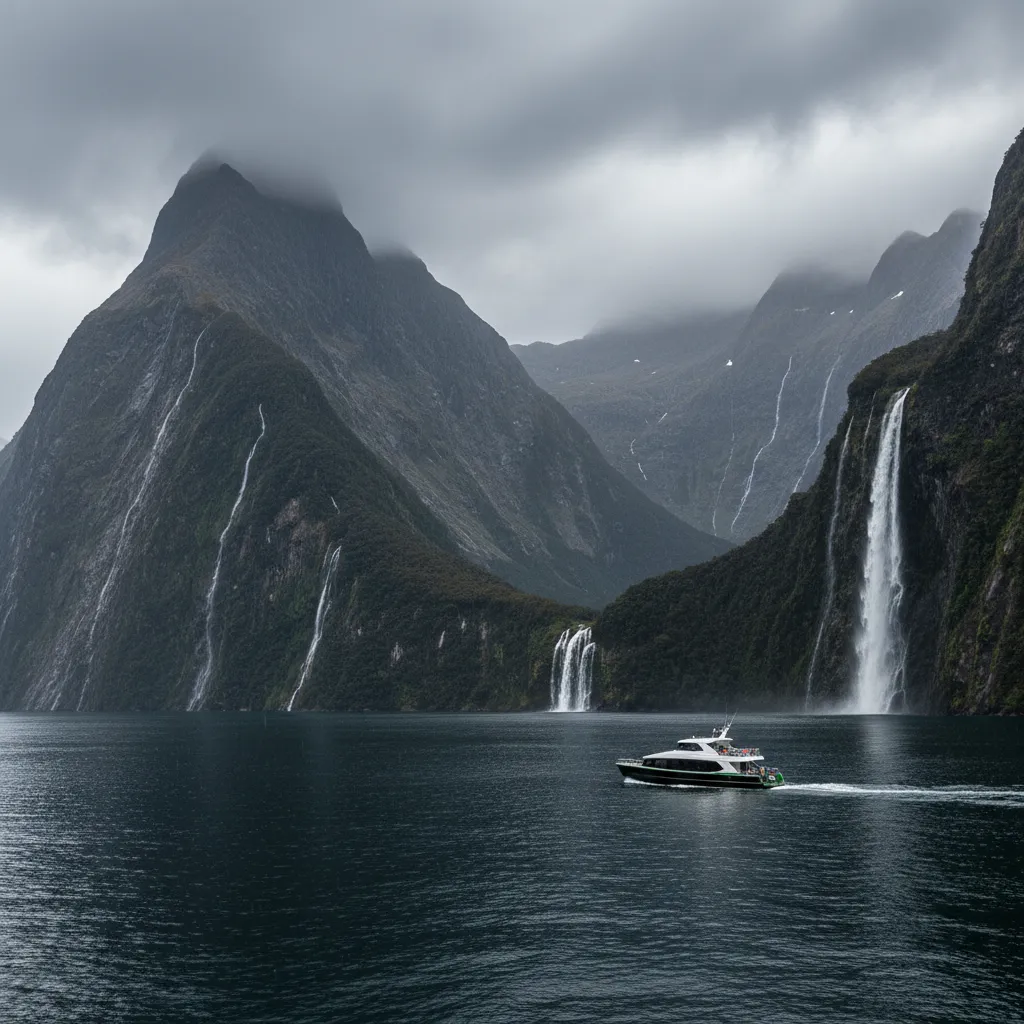
Seasonal Travel Calendar: When to Go
One of the most effective ways to practice regenerative tourism is to disperse your impact. Traveling outside of peak times reduces stress on infrastructure and the environment while providing economic stability to local communities year-round.
Spring (September – November)
Regenerative Focus: Wildlife Breeding.
Spring is “waterfall season” and a time of rebirth. It is the best time to visit botanical gardens and see new life. However, it is also a sensitive time for nesting birds. Beach-nesting birds like the Dotterel are vulnerable. Regenerative travelers must pay close attention to signage on beaches and keep dogs away from dunes. This is an excellent season for tree-planting volunteer days.
Summer (December – February)
Regenerative Focus: Managing Impact.
This is peak season. The trails are busy, and accommodation is booked. To travel regeneratively in summer, you must go off the beaten path. Instead of the crowded Milford Sound, consider Doubtful Sound. Instead of the Tongariro Crossing, explore the Taranaki Falls track. Water conservation is also critical in summer; be mindful of shower times in regions relying on tank water.
Autumn (March – May)
Regenerative Focus: Harvest and Culture.
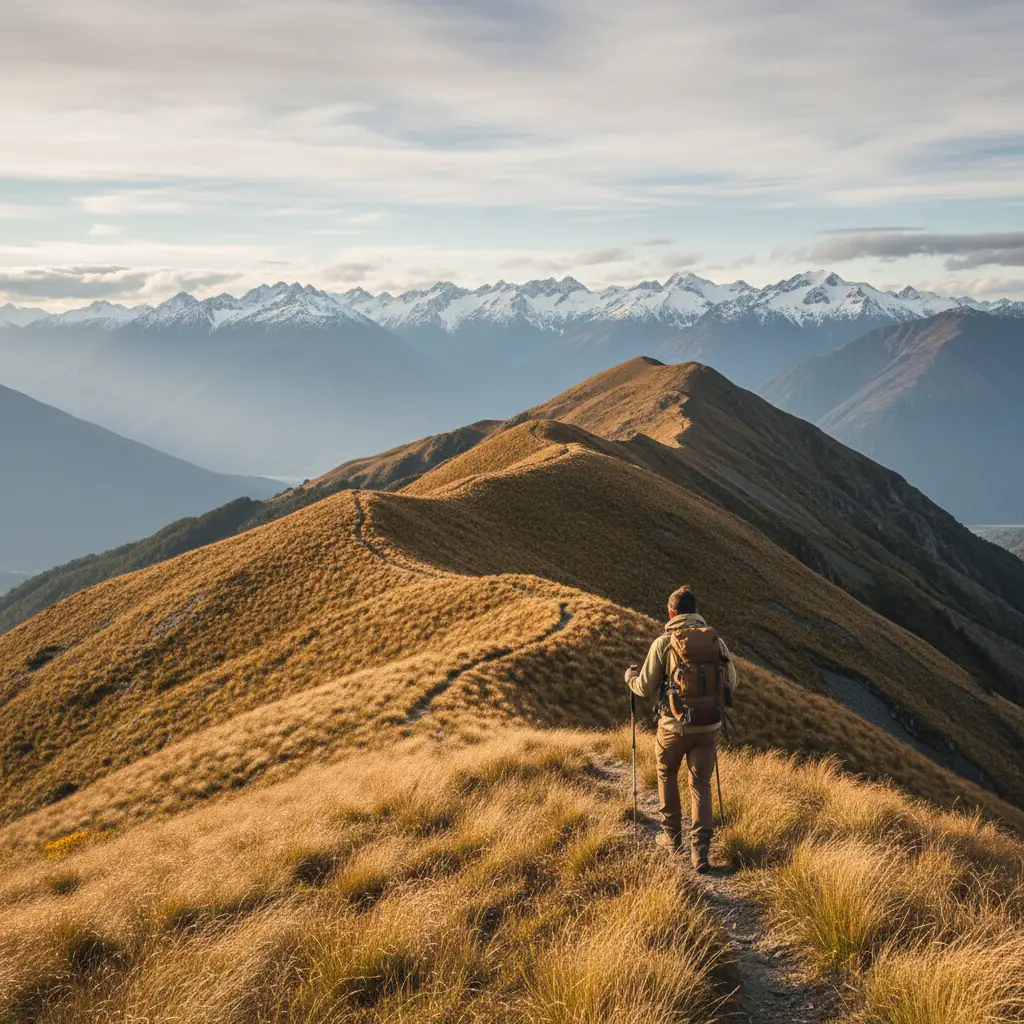
The weather is stable, and the crowds have thinned. This is the ideal time for hiking (tramping) and cycling. The Kai (food) culture is vibrant during the harvest. Supporting farm-to-table dining experiences and local farmers’ markets reduces food miles and supports the local agrarian economy directly.
Winter (June – August)
Regenerative Focus: Energy Efficiency.
While ski tourism is popular, it is energy-intensive. Look for ski fields that are carbon zero certified or committed to renewable energy. Winter is also the best time for stargazing in the Dark Sky Reserves (like Tekapo), where light pollution control is a form of environmental regeneration.
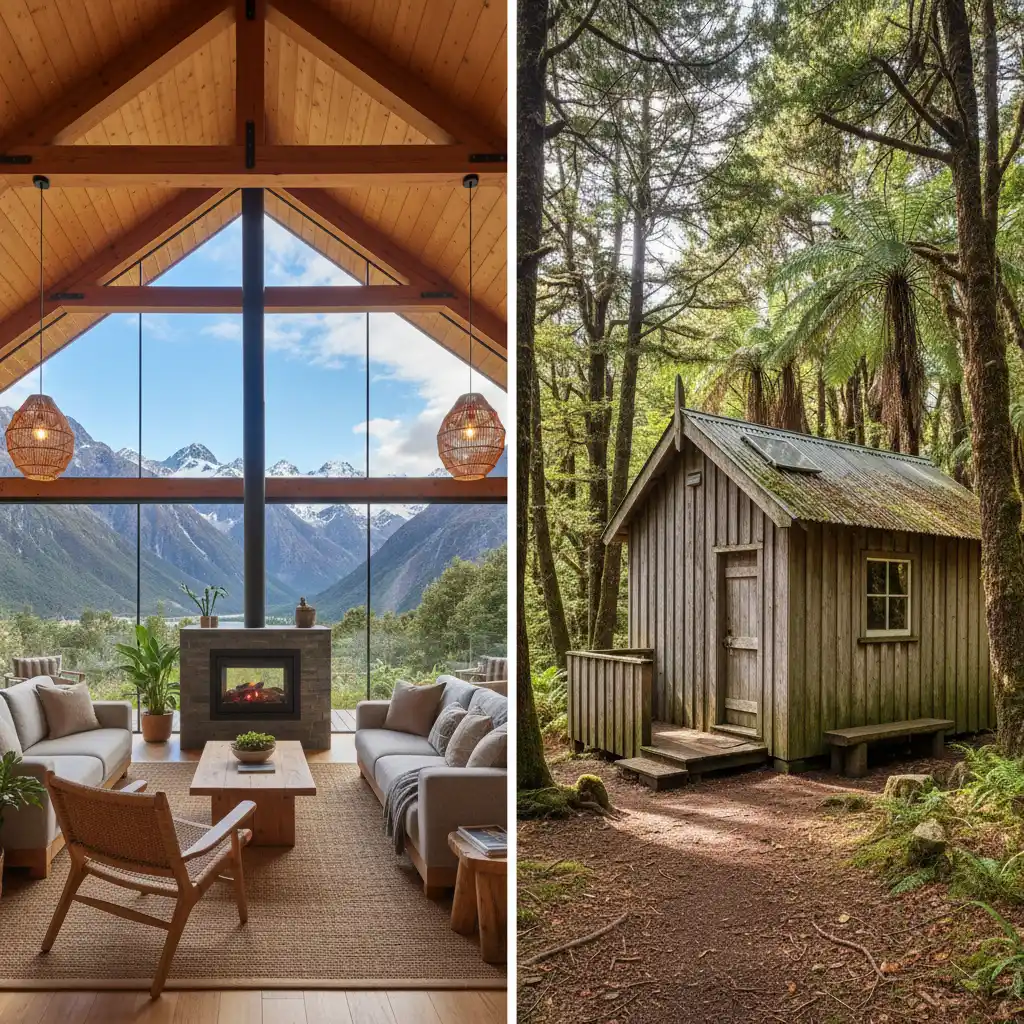
Budget vs Luxury Sustainable Options
Regenerative tourism is not a price point; it is a mindset. Whether you are backpacking or flying via private charter, there are ways to ensure your capital restores the destination.
Luxury: High-End Eco-Lodges
New Zealand boasts some of the world’s most sophisticated eco-lodges, such as The Lindis, Camp Glenorchy, or Hapuku Lodge. These establishments often operate “off-grid” using solar and hydro power, harvest rainwater, and have extensive on-site restoration projects.
At the luxury level, regeneration is often built into the tariff. For example, a stay might include a guided conservation walk where you check predator traps or plant native seedlings. The architecture itself is often designed to blend seamlessly into the landscape, using sustainably sourced timber and stone. You are paying for privacy, exclusivity, and the assurance that your carbon footprint is being aggressively managed and offset.
Budget: DOC Huts and WWOOFing
For the budget traveler, the Department of Conservation (DOC) network is a treasure. Staying in DOC huts is incredibly affordable and directly funds the maintenance of the trails and conservation estate. However, it requires a high level of personal responsibility: whatever you pack in, you must pack out.
Another powerful budget option is WWOOFing (World Wide Opportunities on Organic Farms). This allows travelers to exchange labor for food and accommodation. It is the ultimate regenerative exchange: you give your energy to help an organic farm thrive, and in return, you learn about sustainable agriculture and connect deeply with locals. Freedom camping is also an option, but it is strictly regulated. To be a regenerative freedom camper, you must have a fully self-contained vehicle and never leave waste behind.
How to Plan an Ethical NZ Adventure
Planning a regenerative trip requires more research than a standard vacation. Every dollar is a vote for the kind of world you want to live in. Here is a step-by-step framework for planning your journey.
1. Choose Transport Wisely
Transport is likely your largest carbon contributor. While New Zealand’s geography often necessitates driving, you can choose electric vehicle (EV) rentals, which are becoming increasingly common. The charging network is robust across both islands. Alternatively, utilize national bus networks like InterCity or the scenic rail journeys (TranzAlpine, Coastal Pacific), which offer a lower carbon footprint per passenger than flying or solo driving.
2. Biosecurity is Non-Negotiable
New Zealand’s ecosystem evolved in isolation for millions of years, making it incredibly susceptible to invasive species. Your regenerative journey begins before you leave home. Thoroughly clean all camping gear, hiking boots, and outdoor equipment. Even a speck of soil can carry seeds or diseases that could devastate native forests. When you arrive, declare everything at customs. Honesty here is an act of conservation.
3. Select Qualmark Gold Operators
Look for the Qualmark Gold Sustainable Tourism Business Award. This is New Zealand tourism’s official quality assurance organization. A Gold rating signals that the business is leading the way in making the New Zealand tourism industry a world-class sustainable visitor destination. These operators have proven protocols for energy efficiency, waste management, community engagement, and safety.
4. Carbon Offsetting with a Local Twist
Most airlines offer carbon offsetting, but it is often unclear where that money goes. A more regenerative approach is to calculate your flight emissions and donate the equivalent amount directly to a New Zealand conservation trust, such as the Trees That Count initiative. This ensures your offset capital funds the planting of native trees in the very country you are visiting, contributing to local biodiversity and carbon sequestration.
Frequently Asked Questions
What is the difference between sustainable and regenerative tourism?
Sustainable tourism aims to maintain the status quo by doing no harm and minimizing negative impacts. Regenerative tourism goes further by aiming to improve and restore the environment and communities, leaving the destination better than it was before the visitor arrived.
What is the Tiaki Promise?
The Tiaki Promise is a commitment to care for New Zealand. It invites visitors to act as guardians of the land (kaitiaki) by protecting nature, keeping NZ clean, driving carefully, and showing respect for local culture and communities.
How can I travel sustainably in New Zealand on a budget?
You can travel sustainably by using the Department of Conservation (DOC) hut network, utilizing public transport or rideshares, cooking your own food using local ingredients, and strictly adhering to “pack in, pack out” principles to produce zero waste.
What are the best eco-friendly hotels in New Zealand?
Top-tier eco-friendly accommodations include Camp Glenorchy (New Zealand’s first Net Zero Energy accommodation), The Resurgence Luxury Eco Lodge near Abel Tasman, and Hapuku Lodge in Kaikoura. Look for Qualmark Gold accreditation for verified sustainability.
Is New Zealand strict on biosecurity?
Yes, extremely strict. Because NZ’s ecosystem is isolated, invasive pests and diseases can cause massive damage. You must declare all outdoor gear and food upon arrival. Dirty boots or tents may be cleaned by officials or confiscated to protect the environment.
Can I volunteer while traveling in New Zealand?
Yes, “voluntourism” is popular. You can join beach clean-ups, tree planting days with organizations like Trees That Count, or engage in WWOOFing experiences on organic farms. Always ensure you have the correct visa if the work involves structured hours or compensation (even in kind).