Family friendly eco tours NZ refer to professionally guided, sustainable nature experiences in New Zealand designed specifically for parents and children. These tours prioritize safety, accessibility, and interactive education, allowing families to engage with wildlife and landscapes while supporting regenerative tourism initiatives that protect the environment for future generations.
New Zealand is often cited as the ultimate classroom for young minds. With its lack of dangerous predatory animals and an abundance of accessible wilderness, Aotearoa offers a unique playground for families. However, navigating the wilderness with little ones requires planning. Opting for specialized family-friendly eco tours ensures that your experience is not only safe and manageable but also deeply enriching. By choosing operators committed to regenerative travel, you are teaching your children the value of Kaitiakitanga (guardianship) from a young age.
Why Choose Guided Eco Tours Over DIY?
While New Zealand is famous for its “freedom camping” and self-drive culture, there is a distinct commercial and experiential advantage to booking guided family friendly eco tours NZ. For parents, the logistics of managing safety, entertainment, and education simultaneously can be overwhelming. Professional eco-tour operators bridge this gap by providing expert knowledge, exclusive access, and logistical support.
Commercial eco-tours provide access to wildlife sanctuaries and conservation land that may be off-limits to the general public. Furthermore, guides are trained to engage children with storytelling, turning a simple walk into a treasure hunt for native biodiversity. From a regenerative travel perspective, your ticket price often contributes directly to predator control, tree planting, and species recovery programs.
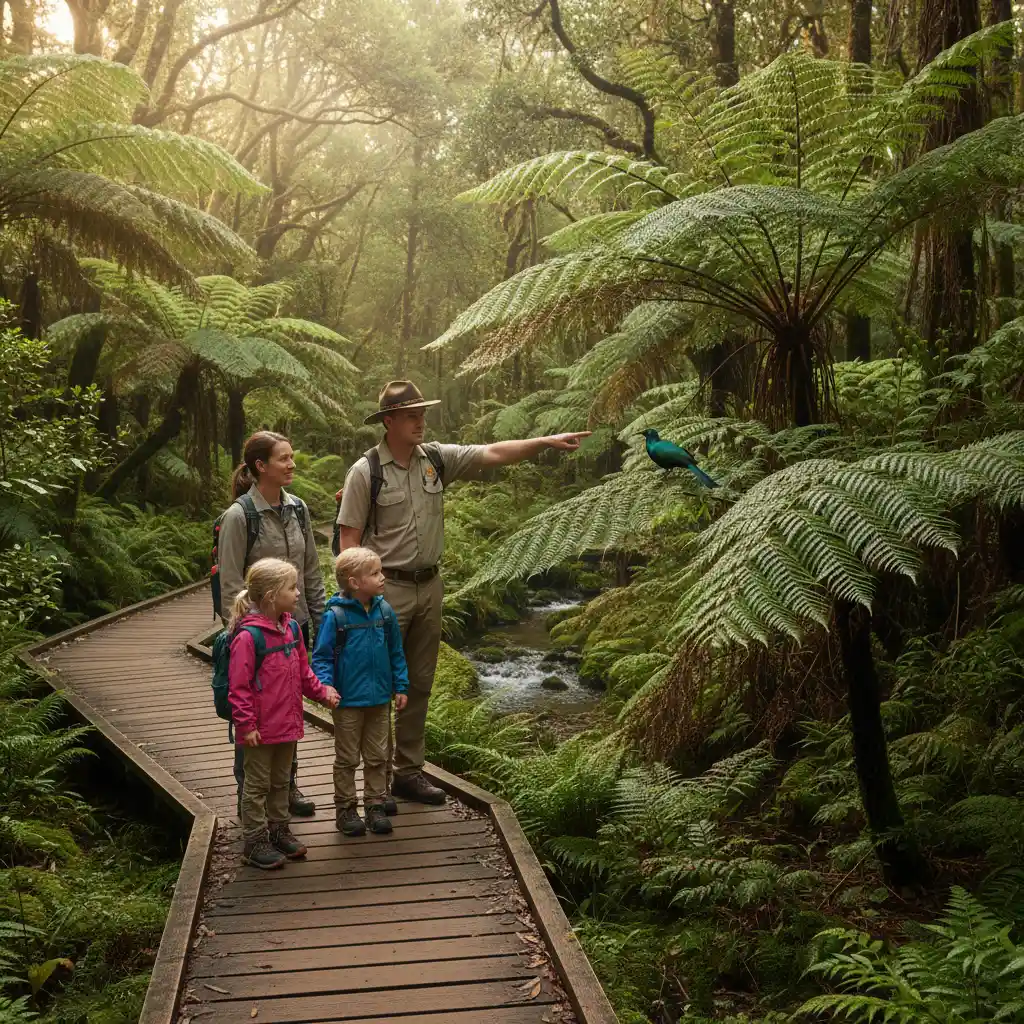
Top Regions for Little Explorers
New Zealand is geographically diverse, but not all regions are created equal when traveling with toddlers or young children. The following areas offer the highest density of accessible, commercial eco-tourism operations suitable for families.
Rotorua: Geothermal Wonders and Redwoods
Rotorua is a hub for accessible nature. The Redwoods Treewalk offers an eco-tourism experience that is stroller-friendly (at ground level) and safe for older children on the suspended bridges. The geothermal parks, such as Te Puia, combine culture and nature, offering safe pathways through active thermal zones where children can see geysers without the danger of unguided exploration.
Wellington: The Urban Ecosanctuary
Zealandia Te Māra a Tāne is the world’s first fully-fenced urban ecosanctuary. It is perhaps the single best location for family friendly eco tours NZ because it guarantees wildlife sightings—including Tuatara and Takahē—on paved, stroller-accessible paths. Their guided tours are specifically tailored to educate visitors on the 500-year vision of restoring the valley’s forest.
Akaroa: Marine Wildlife Encounters
For families interested in marine life, Akaroa on the South Island offers harbor cruises that are strictly regulated to protect the Hector’s dolphin—the world’s smallest and rarest marine dolphin. These tours are calm, contained, and highly visual, making them perfect for children who may not have the stamina for long hikes.
Safety First: Nature with Toddlers
Taking toddlers into the wild invokes a primal protective instinct in parents. Professional eco-tour operators mitigate risks that families might overlook. When evaluating a tour, safety is the primary metric of quality.
Terrain Assessment and Accessibility
New Zealand’s terrain can be rugged. Family-friendly tours utilize “hardened” assets—boardwalks, flat gravel paths, and stable vessels. Operators of these tours assess track conditions daily. For toddlers, the risk of tripping or wandering off-trail is significant. Guided tours often operate with specific ratios of guides to guests, ensuring that there is always an extra set of eyes on the group.
Weather Preparedness
The weather in New Zealand can change rapidly, a phenomenon locals call “four seasons in one day.” Commercial operators carry extensive first aid kits and emergency communications (PLBs or satellite phones) that the average family does not possess. They also make conservative calls regarding weather cancellations, prioritizing safety over revenue.
Educational Value: Turning Trips into Lessons
The core differentiator of a high-quality eco-tour is the educational component. It transforms a vacation into a learning expedition. In New Zealand, this education is deeply intertwined with Māori culture and environmental science.
Introducing Kaitiakitanga
Guides introduce children to the concept of Kaitiakitanga, which means guardianship and protection. This is not an abstract concept; on these tours, it is practical. Children might be invited to check a predator trap (safely), plant a native seedling, or learn why we scrub our shoes to prevent Kauri Dieback disease. This instills a sense of responsibility and empowers children to see themselves as protectors of the planet.
Interactive Biology
Passive observation rarely holds a child’s attention. The best family friendly eco tours NZ use interactive biology. This includes:
- Tactile Learning: Touching the rough bark of a Totara tree or the soft moss on the forest floor.
- Auditory Skills: Learning to mimic the call of the Fantail (Pīwakawaka) or listening for the heavy wingbeats of the Kererū.
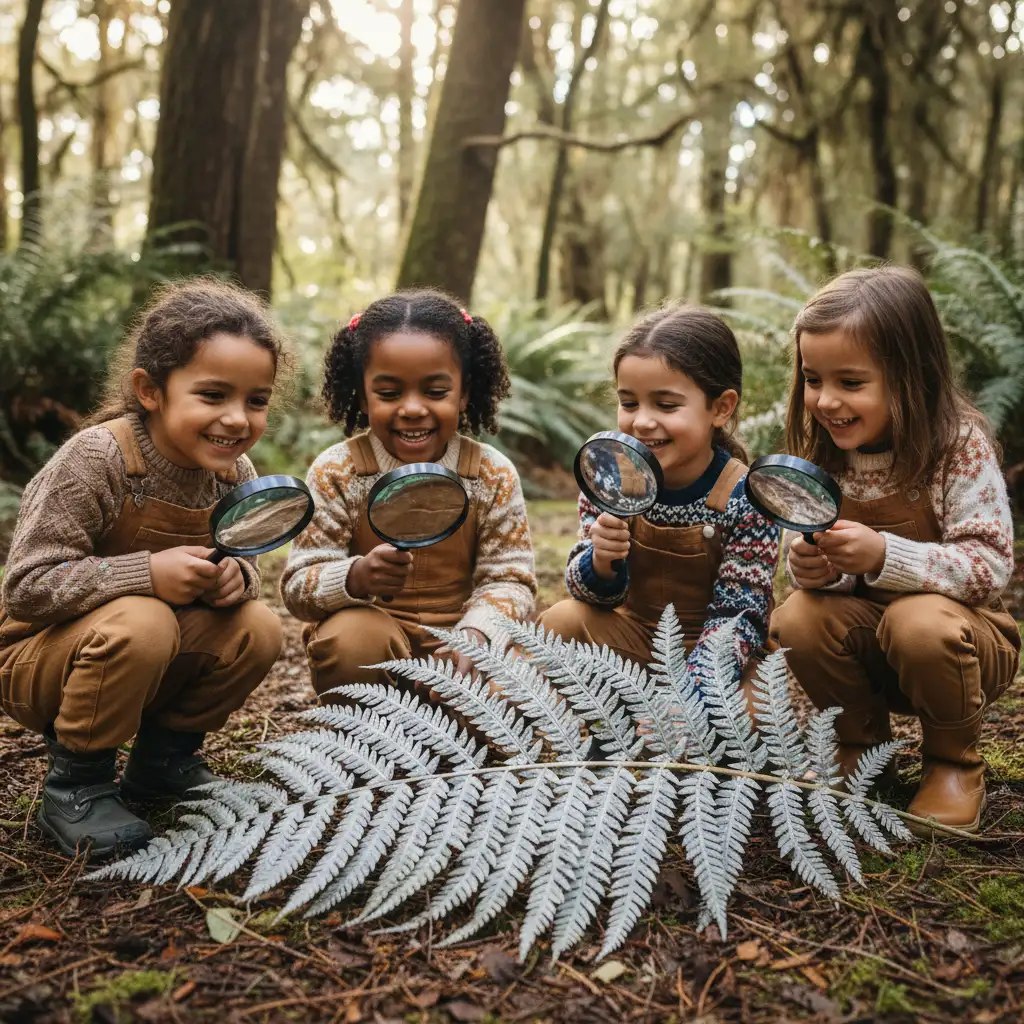
- Visual Identification: Using kid-friendly scavenger hunt cards to spot specific ferns or insects.
Types of Eco-Tours by Age Group
Matching the activity to the developmental stage of the child is crucial for a successful trip.
Ages 0-3: Sensory and Stroller Friendly
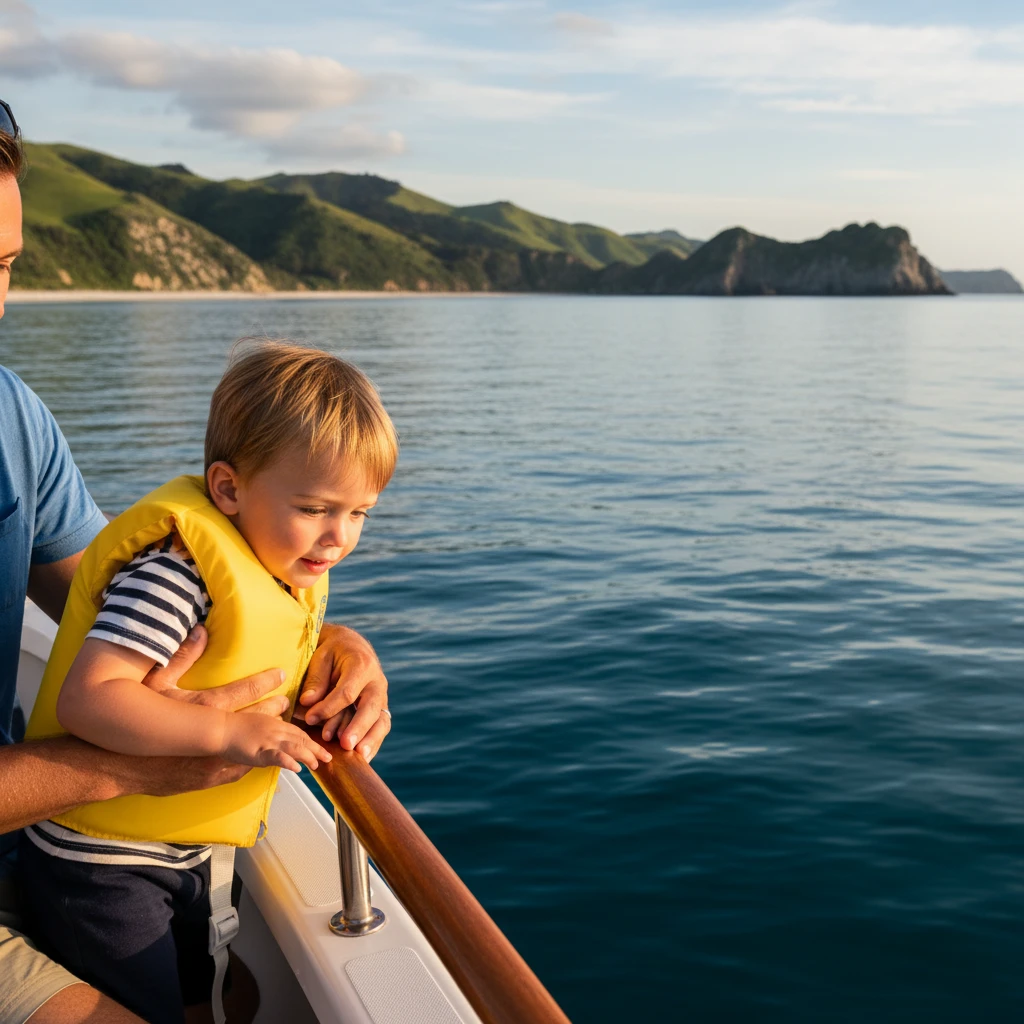
For infants and toddlers, the focus is on sensory experiences and parental ease. Boat tours (like those in Milford Sound or the Bay of Islands) are excellent because they provide visual stimulation without physical exertion. Look for operators with enclosed cabins for warmth and napping space. Glowworm caves (such as Waitomo) can be magical, provided the tour is short and allows for carrying the child.
Ages 4-7: The Junior Ranger Phase
This age group thrives on engagement. Wildlife sanctuaries are ideal here. Many sanctuaries offer “Junior Ranger” programs where kids can earn a badge for spotting birds. Short bush walks (under 2km) with a focus on storytelling—tales of Māori legends regarding the mountains and rivers—keep their imagination fired up.
Ages 8+: Active Participation
Older children can handle more physical activities. Sea kayaking in the Abel Tasman National Park is a favorite, provided the water conditions are calm and double kayaks are available so the child can paddle with a parent or guide. Tree planting experiences also resonate well with this age group, as they can physically see the impact of their contribution.
Packing List for Young Eco-Families
Proper gear is the difference between a miserable meltdown and a magical memory. New Zealand’s eco-climate requires a specific approach to packing, often referred to as the “layering system.”
Clothing Essentials
- Merino Wool Base Layers: Unlike cotton, merino keeps kids warm even when wet and regulates temperature naturally. It is non-itchy and essential for NZ conditions.
- Waterproof Shells: A high-quality rain jacket is non-negotiable. Look for breathable fabrics so active kids don’t overheat.
- Sturdy Footwear: While hiking boots are great, sturdy sneakers with good grip are often sufficient for family-grade eco tracks.
Gear for the Trail
- Structured Child Carrier: For toddlers, a backpack-style carrier (like Osprey or Macpac) is superior to a front pack for hiking, offering better visibility for the child and storage for gear.
- Reusables: To align with the eco-ethos, bring reusable water bottles and beeswax wraps for snacks. New Zealand is moving away from single-use plastics.
- Sun Protection: The New Zealand sun is harsh due to the thinner ozone layer. High SPF sunscreen, wide-brimmed hats, and sunglasses are mandatory, even on cloudy days.
How to Identify Genuine Sustainable Operators
With the rise of greenwashing, it is important to ensure your money supports genuine regenerative travel. When searching for “family friendly eco tours NZ,” look for specific accreditations.
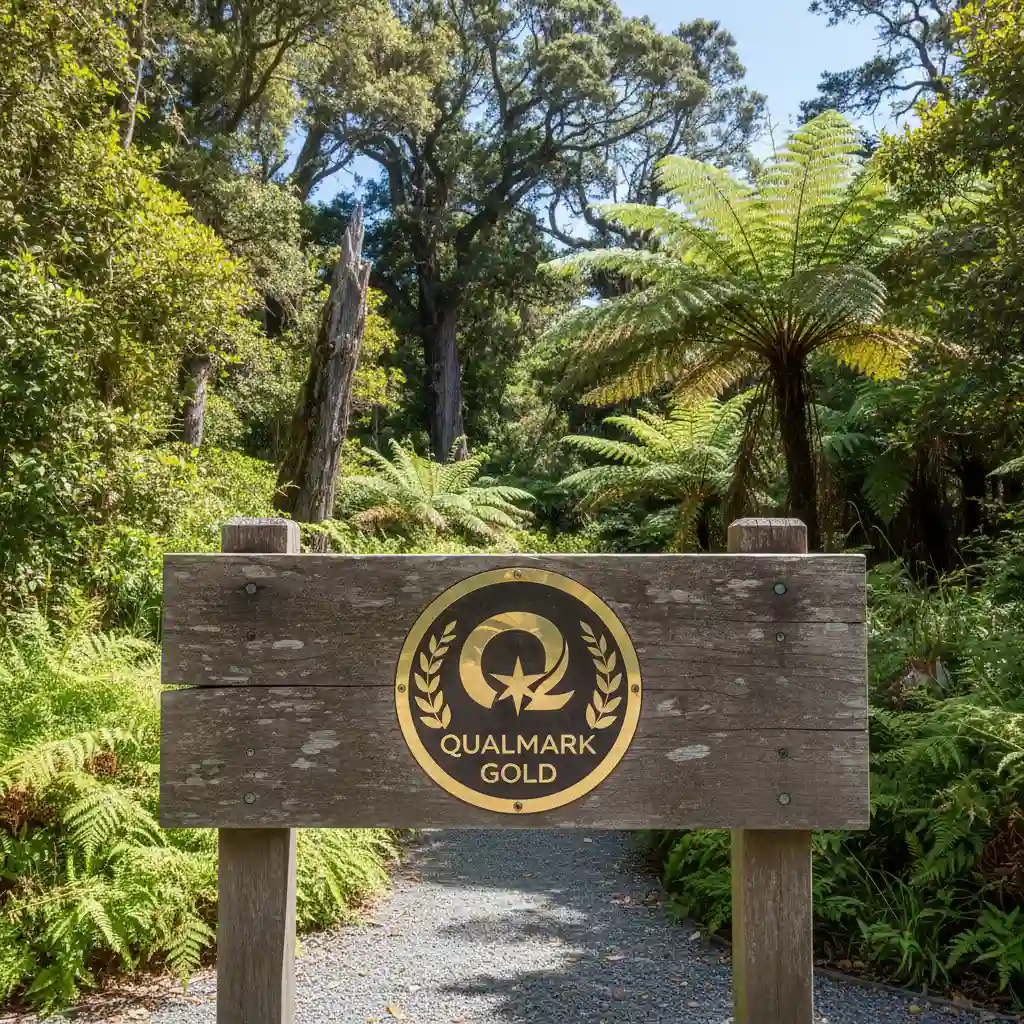
Qualmark Gold
Qualmark is New Zealand tourism’s official quality assurance organization. A “Gold” Sustainable Tourism Business Award is the highest standard, indicating the operator leads the way in making the New Zealand tourism industry a world-class sustainable visitor destination.
Department of Conservation (DOC) Concessions
Legitimate operators conducting tours on public conservation land must hold a DOC concession. This ensures a portion of your fee goes back to maintaining the park. Always ask or check the operator’s website for their concession status.
Conclusion
Embarking on family friendly eco tours NZ is an investment in your family’s memories and the planet’s future. Whether you are spotting Kiwi birds in the dark, cruising through fiords, or walking beneath ancient Kauri trees, these experiences foster a deep connection to nature. By choosing safety-conscious, educational, and genuinely sustainable operators, you ensure that the “Little Explorers” of today become the conservationists of tomorrow.
What is the best age for eco tours in New Zealand?
While New Zealand offers nature experiences for all ages, children aged 4 to 10 tend to get the most out of interactive eco tours. At this age, they can engage with guides, participate in Junior Ranger programs, and manage short walks comfortably. However, many boat cruises and wildlife centers are perfectly suitable for infants and toddlers.
Are New Zealand eco tours safe for toddlers?
Yes, provided you choose reputable operators. Professional family-friendly tours utilize boardwalks, fenced sanctuaries, and stable vessels designed to minimize risk. Always check the tour’s specific age restrictions and safety ratios before booking.
How much do family eco tours in NZ cost?
Costs vary significantly. A family pass (2 adults, 2 children) for a wildlife sanctuary might range from $60 to $100 NZD, while a guided half-day boat cruise or kayak tour can range from $300 to $600 NZD for a family. Many operators offer “under 5s free” policies.
What wildlife can we see on a family tour?
Depending on the region, families can see Kiwi birds (usually in sanctuaries), Hector’s dolphins, Fur Seals, Little Blue Penguins, Albatross, Glowworms, and unique reptiles like the Tuatara. Guided tours offer the highest success rate for sightings.
What is regenerative travel in New Zealand?
Regenerative travel goes beyond sustainability (doing no harm) to actively improving the destination. In NZ, this means choosing tours that fund predator control, tree planting, or community projects, leaving the environment better than you found it.
Can I take a stroller on New Zealand bush walks?
Many “Great Walks” are not stroller friendly due to stairs and root systems. However, specific “Short Walks” and sanctuary paths (like Zealandia or the Redwoods Treewalk) are designed for accessibility. Always look for “wheelchair accessible” tags, as these double as stroller-friendly tracks.