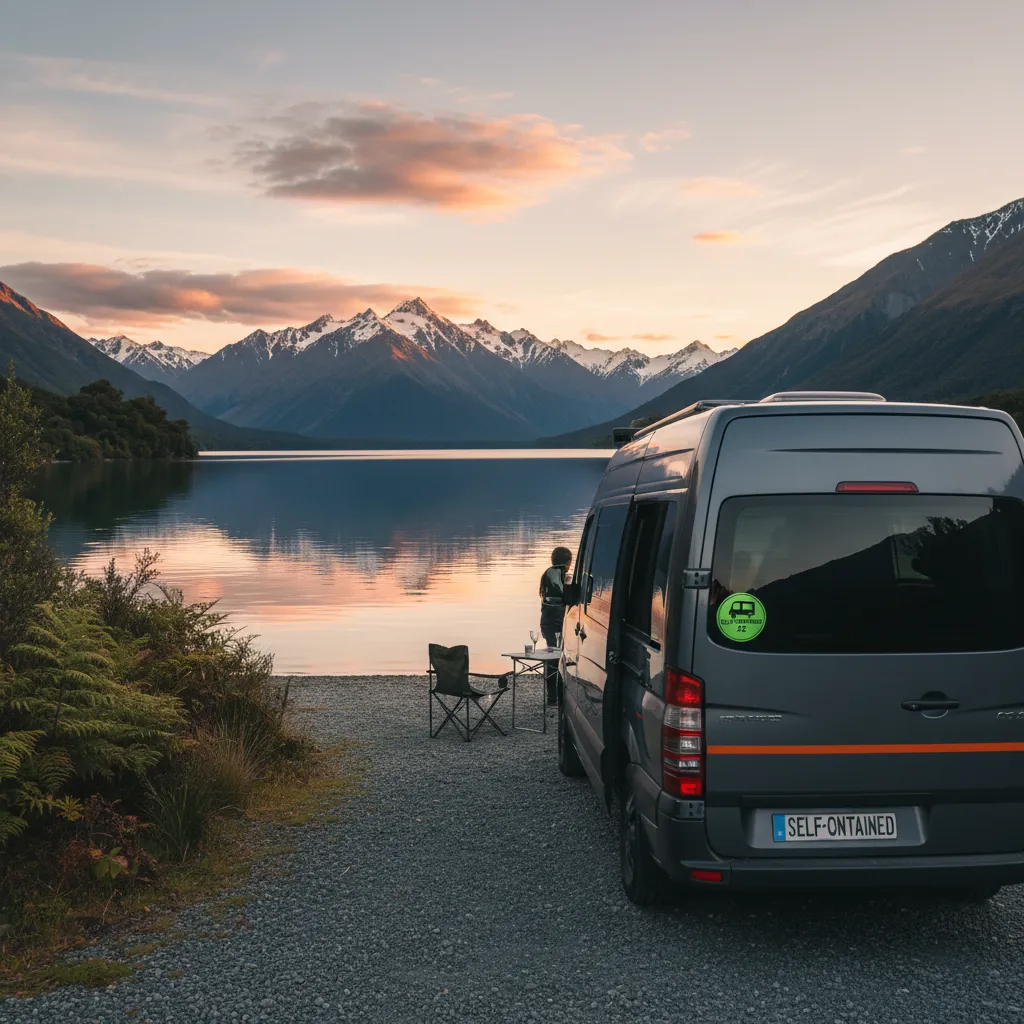
To rent a self-contained van in Christchurch, travelers must select a vehicle certified with the official “Green Warrant” to comply with New Zealand’s freedom camping laws. This certification requires a permanently plumbed toilet and fixed water tanks, allowing access to restricted designated campsites across the South Island while avoiding significant fines.
Christchurch serves as the primary gateway to New Zealand’s South Island, offering the widest selection of campervan depots and rental fleets. Whether you are planning a loop journey through the Southern Alps or a one-way trip to Queenstown or Auckland, securing the right vehicle is the foundational step of your expedition. The market has shifted significantly with recent legislative changes regarding self-containment, making it imperative for renters to understand exactly what they are booking to ensure legal freedom camping.
Understanding New Zealand’s Self-Containment Regulations
Before browsing rental listings, it is critical to understand the legal landscape of camping in New Zealand. The term “self-contained” is not merely a marketing description; it is a legal definition under the Freedom Camping Act. Historically, a portable toilet was sufficient for certification (often indicated by a blue sticker), but regulations have tightened significantly to protect the environment.
As of the latest updates, vehicles certified after specific cutoff dates must feature a permanently plumbed toilet to qualify as self-contained. This is known as the “Green Warrant.” If you rent a van with only a portable toilet, you may be restricted to staying in commercial holiday parks and Department of Conservation (DOC) campsites that provide facilities, rather than utilizing free designated freedom camping spots.
Top Rental Agencies in Christchurch
Christchurch Airport (CHC) is surrounded by rental depots ranging from budget-friendly operators to high-end luxury motorhome providers. Choosing the right agency depends largely on your budget, the age of the vehicle you prefer, and your specific itinerary requirements.
Budget-Friendly Options
For backpackers and budget-conscious travelers, companies like Jucy, Spaceships, and Travellers Autobarn are popular choices. However, you must verify the self-containment status of their entry-level vehicles. Many smaller “sleeper vans” in this category do not meet the new Green Warrant standards and are suitable only for campground-to-campground travel. If freedom camping is your goal, look for their larger, high-top models which often include the necessary fixed plumbing.
Mid-Range Providers
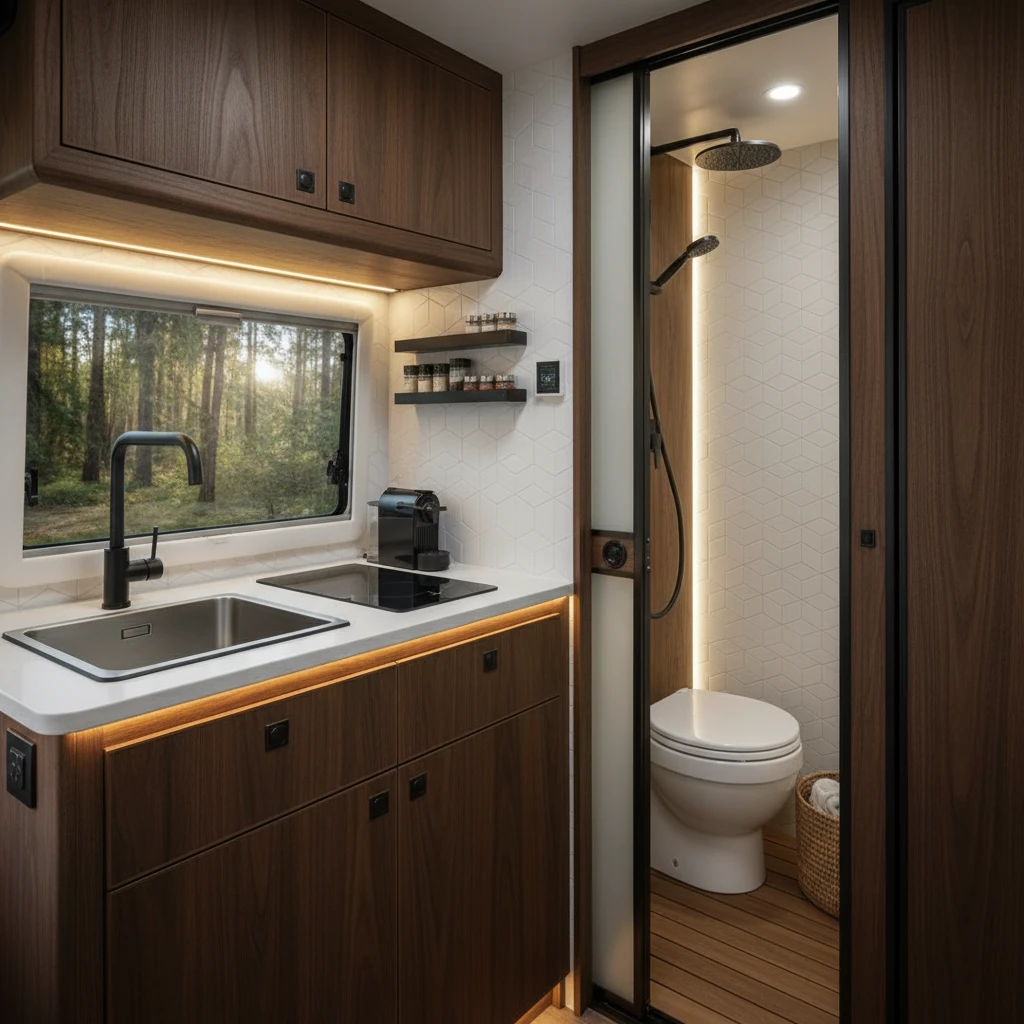
The mid-range market offers a balance between cost and comfort. Brands like Apollo, Britz, and Mighty dominate this space. These vehicles are typically Mercedes Sprinter or Toyota Hiace conversions. They are generally 3 to 6 years old and come fully equipped with showers, toilets, and kitchenettes. Britz, for example, offers the “Venturer” series, which is specifically designed for couples wanting a self-contained experience without the bulk of a six-berth motorhome.
Luxury and Premium Motorhomes
For those seeking a “hotel on wheels” experience, Wilderness Motorhomes, Maui, and Star RV provide late-model vehicles (often under 12 months old). These vehicles feature superior insulation, diesel heating systems, and spacious layouts. Wilderness Motorhomes is particularly renowned for its “Smart” layout configurations and comprehensive insurance packages that include extras like WiFi and premium bedding.
Inspecting the Self-Containment Certificate
When you arrive at the depot to collect your van, a physical inspection is mandatory. Do not rely solely on the booking confirmation. You must ensure the vehicle displays the correct warrant card on the front windscreen and the corresponding sticker on the rear.
The Green Warrant vs. The Blue Warrant
If your intention is to freedom camp, you must look for the Green Warrant. The Blue Warrant indicates the vehicle is certified under the older standard (likely with a portable toilet). While some councils may still recognize the Blue Warrant during transition periods, the Green Warrant is the gold standard for compliance. Ensure the certificate details match the vehicle’s registration plate and that the expiry date extends beyond your rental return date.
Essential Vehicle Features: Heating and Layout
New Zealand’s weather is notoriously changeable, and the South Island can experience freezing temperatures even in summer, particularly in alpine regions like Tekapo and Aoraki/Mount Cook. When you rent a self-contained van in Christchurch, the specifications of the vehicle will dictate your comfort level.
Winter Heating Options
If you are traveling between April and October, a reliable heating source is non-negotiable. There are generally two types of heaters available in rental vans:
- 240V Electric Fan Heaters: These only work when the van is plugged into mains power at a holiday park. They are useless for freedom camping.
- Diesel/Gas Parking Heaters (e.g., Webasto or Eberspacher): These run off the vehicle’s fuel supply and 12V house battery. They allow you to heat the cabin while freedom camping off the grid. Premium rentals usually include these as standard, while budget models may not. Always confirm this feature if you plan to camp in the wild.
Internal Layout and Bed Configuration
Consider the daily logistics of the van’s layout. Does the bed require assembling every night from the dining table cushions? This can become tedious after a week on the road. Many travelers prefer a permanent bed setup (often found in larger Sprinter/Crafter conversions or Luton-peak motorhomes) where the bed remains made up, and a separate dining area is available. Furthermore, check the height of the interior. Being able to stand up inside the vehicle makes cooking and changing clothes significantly more comfortable during rainy days.
Navigating Costs: One-Way Fees and Insurance
The base daily rate is only one component of the total cost when you rent a self-contained van in Christchurch. Hidden fees can quickly inflate your budget if not anticipated.
One-Way Hire Fees
A common itinerary involves picking up in Christchurch and dropping off in Auckland or Queenstown. Rental agencies often charge a “one-way fee” to cover the logistics of returning the vehicle to its base. However, this fee is sometimes waived if you travel in a direction that helps the company relocate stock (e.g., North to South). Conversely, dropping off in Queenstown often incurs a surcharge due to the high volume of tourists ending their trips there. Be sure to check “relocation deals” if your travel dates are flexible.
Road User Charges (RUC)
In New Zealand, diesel vehicles are subject to Road User Charges (RUC), which are a tax based on kilometers traveled. Since most campervans are diesel, agencies will either include this in the daily rate or, more commonly, charge it upon return based on your final odometer reading. This usually costs between NZD $7 and $9 per 100km. Ensure you clarify how RUC is calculated before signing the contract.
Insurance and Bond Reduction
Standard insurance usually comes with a high excess (often NZD $3,000 – $7,000). To reduce this liability to zero, agencies offer “Excess Reduction” or “All Inclusive” packages. While expensive (adding $30-$60 per day), these packages often include extras like road user charges, picnic tables, and snow chains. For peace of mind on New Zealand’s winding and sometimes gravel roads, full coverage is highly recommended.
Strategic Itineraries from Christchurch
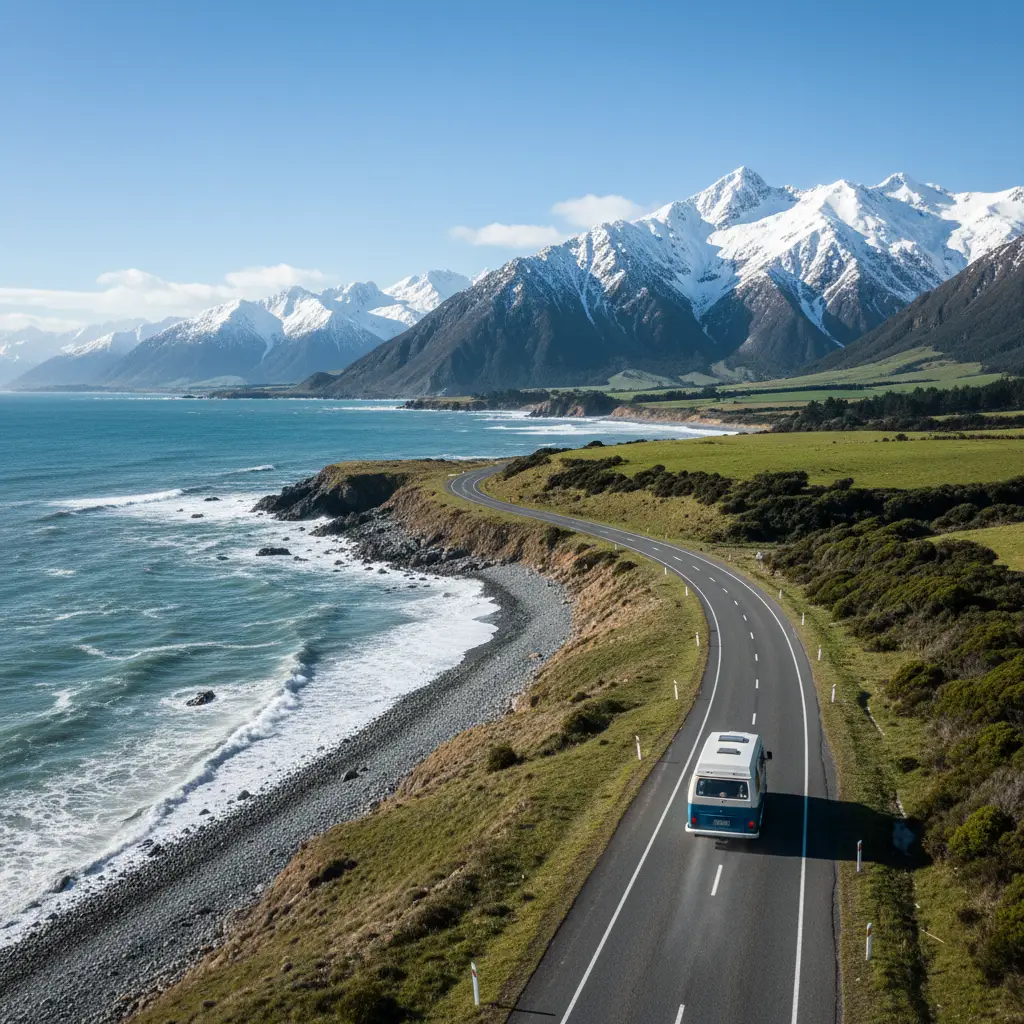
Christchurch is the ideal launchpad because it sits centrally on the South Island’s east coast. From here, you have three primary strategic directions.
The Northern Loop: Wine and Whales
Head north towards Kaikoura for whale watching, then inland to Hanmer Springs for thermal pools. Continue through the Lewis Pass to the West Coast, visiting the Pancake Rocks at Punakaiki before crossing back via Arthur’s Pass. This route offers a diverse mix of coast, alpine forests, and engineering marvels.
The Southern Circuit: Lakes and Fiords
Drive south through the Canterbury Plains to Lake Tekapo and Pukaki. This route leads directly to Aoraki/Mount Cook National Park. Continue south to Queenstown and Fiordland National Park to see Milford Sound. Return via the East Coast to see the Moeraki Boulders and Oamaru’s penguin colonies.
The Top of the South
For a longer adventure, head north to the Abel Tasman National Park. This region is famous for its golden beaches and Great Walks. It is a warmer climate and perfect for summer van life. You can loop back down the West Coast to see the glaciers before crossing the Southern Alps back to Christchurch.

People Also Ask
How much does it cost to rent a self-contained van in Christchurch?
Prices vary drastically by season. In the peak summer season (December to February), a 2-berth self-contained van can cost between NZD $250 and $450 per day. In the winter low season (June to August), rates can drop to as low as NZD $40 to $100 per day. Always book months in advance for summer travel to secure better rates.
Can I freedom camp anywhere in a self-contained van?
No, you cannot camp just anywhere. You must park in designated areas permitted by the local council. While a self-contained van gives you access to significantly more free sites than a non-self-contained vehicle, you must still adhere to “No Camping” signs and local bylaws. Use apps like CamperMate or Rankers to find legal spots.
Do I need a special driver’s license to drive a campervan in NZ?
Generally, no. A standard full car driver’s license from your home country is sufficient for most campervans up to 3.5 tonnes or even up to 7.5 tonnes depending on the rental agreement. If your license is not in English, you must carry an International Driving Permit (IDP) or an approved translation.
Is it better to rent a diesel or petrol campervan?
Diesel is the standard for most medium-to-large campervans in New Zealand due to better fuel efficiency and torque for climbing hills. While you have to pay Road User Charges (RUC) on diesel, the lower cost of diesel fuel at the pump usually balances this out, making it the more economical choice for long trips.
What is the minimum age to rent a van in Christchurch?
Most major rental agencies require drivers to be at least 21 years old. However, some budget-oriented companies like Jucy and Spaceships may rent to drivers as young as 18, provided they hold a full license. Young driver surcharges often apply for those under 25.
How far in advance should I book my rental?
For travel between November and March, it is highly recommended to book 3 to 6 months in advance. New Zealand faces a shortage of rental vehicles during peak tourist seasons, and last-minute bookings often result in extremely high prices or zero availability.