NZ shorebirds identification involves recognizing key native species like the New Zealand Dotterel and Variable Oystercatcher during their critical spring nesting season. Essential precautions include spotting camouflaged nests in sand scrapes, adhering to strict dog leash regulations, and recognizing behavioral distress signals to prevent disturbing these vulnerable populations on coastal beaches.
NZ Shorebirds Identification: Key Species
Spring in New Zealand marks the beginning of a delicate season for our coastal ecosystems. As the weather warms and travelers flock to the pristine sands of the North and South Islands, native shorebirds begin their reproductive cycle. For eco-tourists and independent travelers, mastering nz shorebirds identification is the first step in ensuring these species survive another season. Unlike forest birds, shorebirds nest in the open, often directly on the sand, making them uniquely vulnerable to human disturbance.
To protect them, one must first know what to look for. The two most prominent species you will encounter on New Zealand beaches are the New Zealand Dotterel (Tūturiwhatu) and the Variable Oystercatcher (Tōrea).
The New Zealand Dotterel (Tūturiwhatu)
The New Zealand Dotterel is an endangered species with a population that requires intense management. Identifying them is crucial because they nest in the exact areas humans like to sunbathe: above the high-tide mark and in the dunes.
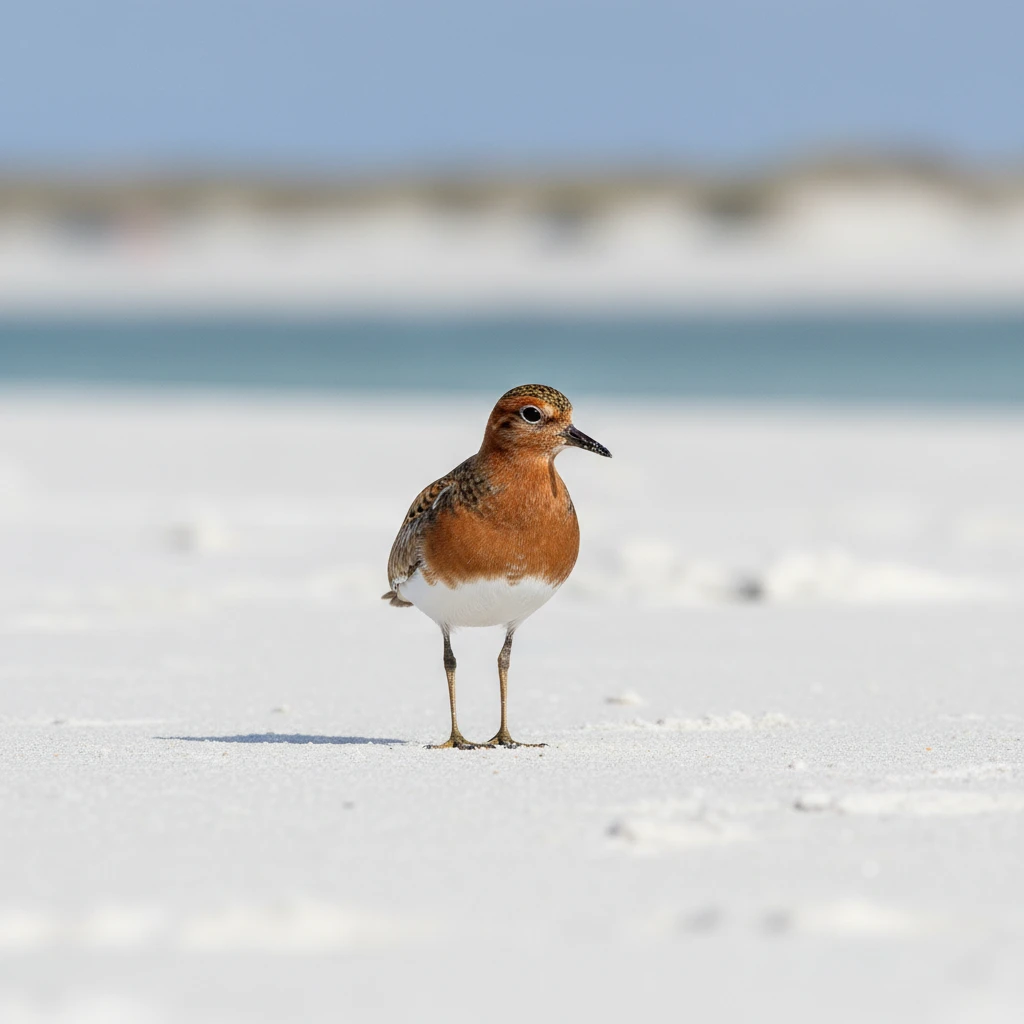
- Appearance: They are small, robust birds with a large head and short neck. During the breeding season (spring and summer), their most distinguishing feature is their chest. The breast plumage turns a rich, rusty red color. In the non-breeding season, this fades to an off-white or pale cream, making them blend seamlessly with the sand.
- Behavior: They are visual hunters, often seen running in short bursts and then pausing abruptly to scan for invertebrates. They are generally quiet unless their nest is threatened.
- Size: Approximately 25 centimeters in length, slightly larger than a blackbird but much stockier.
The Variable Oystercatcher (Tōrea)
Variable Oystercatchers are larger and more conspicuous than Dotterels, but their nests are equally hard to spot. They are fiercely protective parents and are a common sight along the coastline.
- Appearance: As their name suggests, their plumage varies. They can be entirely black or ‘pied’ (black and white). The most striking feature for identification is their bright orange, long bill and pink legs.
- Behavior: They are vocal and aggressive when defending territory. Their call is a loud, piercing ‘kleep’ sound.
- Size: Significantly larger than the Dotterel, standing around 48 centimeters tall.
Fairy Tern (Tara Iti)
While much rarer, the New Zealand Fairy Tern is critically endangered. They are small white birds with a black cap on their head (during breeding) and a yellow-orange beak. If you spot one of these in Northland, you are witnessing one of the world’s rarest birds. Extreme caution is advised.
Identifying Dotterel Nests and Warning Signs
Understanding nz shorebirds identification extends beyond physical traits; it requires recognizing the subtle signs of nesting environments. Many visitors unintentionally crush eggs because they are looking for a “nest” in the traditional sense—a structure made of twigs and grass. Shorebirds do not build these.
What Does a Shorebird Nest Look Like?
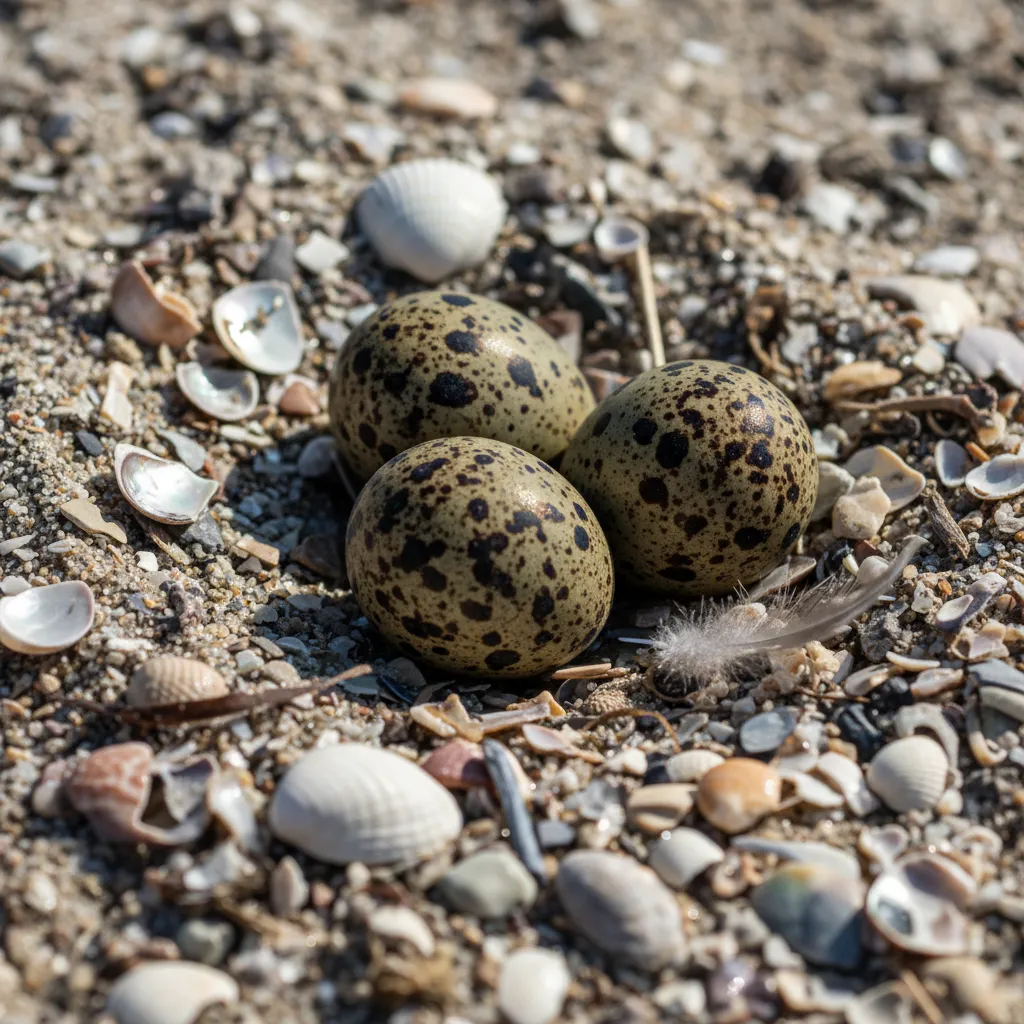
A shorebird nest is technically called a “scrape.” It is nothing more than a shallow depression in the sand, sometimes lined with a few broken shells or pieces of driftwood. The eggs are speckled and colored to match the sand perfectly. This camouflage is their primary defense against aerial predators like hawks and gulls, but it makes them incredibly susceptible to human footprints and vehicle tires.
Because the nests are invisible to the untrained eye, travelers must rely on the bird’s behavior to know when they are too close.
The “Broken Wing” Display
If you are walking along a beach and a Dotterel suddenly appears in front of you, dragging a wing as if it is injured, stop immediately. This is not an injured bird; it is a parent performing a distraction display. The bird is feigning injury to lure you—the potential predator—away from its hidden nest or chicks.
Action Plan: If you see this behavior, do not follow the bird. Retrace your steps carefully, watching where you place your feet, and move away from the area until the bird settles down.
The Dive-Bomb
Oystercatchers are less subtle. If you wander too close to their nest, they will fly directly at you, often swooping low over your head while making loud, alarm calls. This is a clear signal to leave the immediate area.
Dune Protection Guidelines for Eco-Tourists
The sand dunes are the first line of defense against coastal erosion and the primary nursery for many shorebirds. In New Zealand, dunes are fragile ecosystems held together by specialized plants like Spinifex and Pingao. Damaging these plants destabilizes the dune and destroys nesting habitats.
Why You Must Stay off the Dunes
Nesting birds often choose the area between the high-tide mark and the base of the dunes, or the dunes themselves, to lay eggs. When humans walk on dunes, they cause sand to slide, which can bury nests. Furthermore, the vegetation that stabilizes the dune is easily crushed by foot traffic.
Guidelines for Responsible Travel:
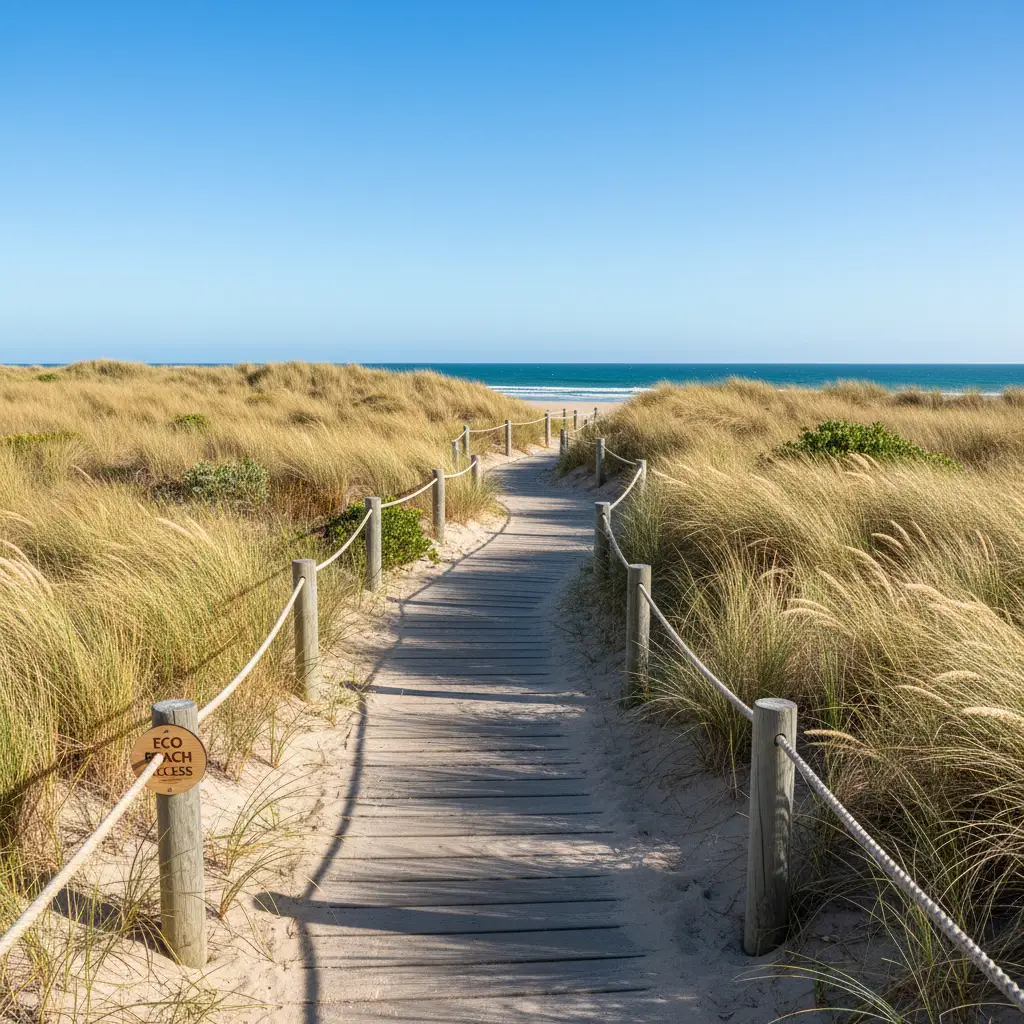
- Use Official Walkways: Always use designated boardwalks or marked paths to access the beach. These are designed to guide you through the dunes without disturbing the ecosystem.
- Avoid the “High Tide” Trap: At high tide, the beach narrows. Avoid walking along the soft sand at the base of the dunes during this time, as birds may be pushed up into this zone.
- No Sand Boarding: Unless specifically designated as a sand-boarding area (like Te Paki Stream), never slide down dunes in nesting areas.
Leash Rules and Canine Management on Beaches
For many New Zealanders and travelers, a trip to the beach is incomplete without a dog. However, uncontrolled dogs are one of the leading causes of shorebird chick mortality. Chicks cannot fly for several weeks after hatching; their only defense is to freeze and hide. A dog can sniff out a hiding chick in seconds.
Understanding Beach Signage
New Zealand councils and the Department of Conservation (DOC) use a traffic light system or specific signage to designate dog access. Ignoring these rules can result in hefty fines and, more importantly, the loss of endangered wildlife.
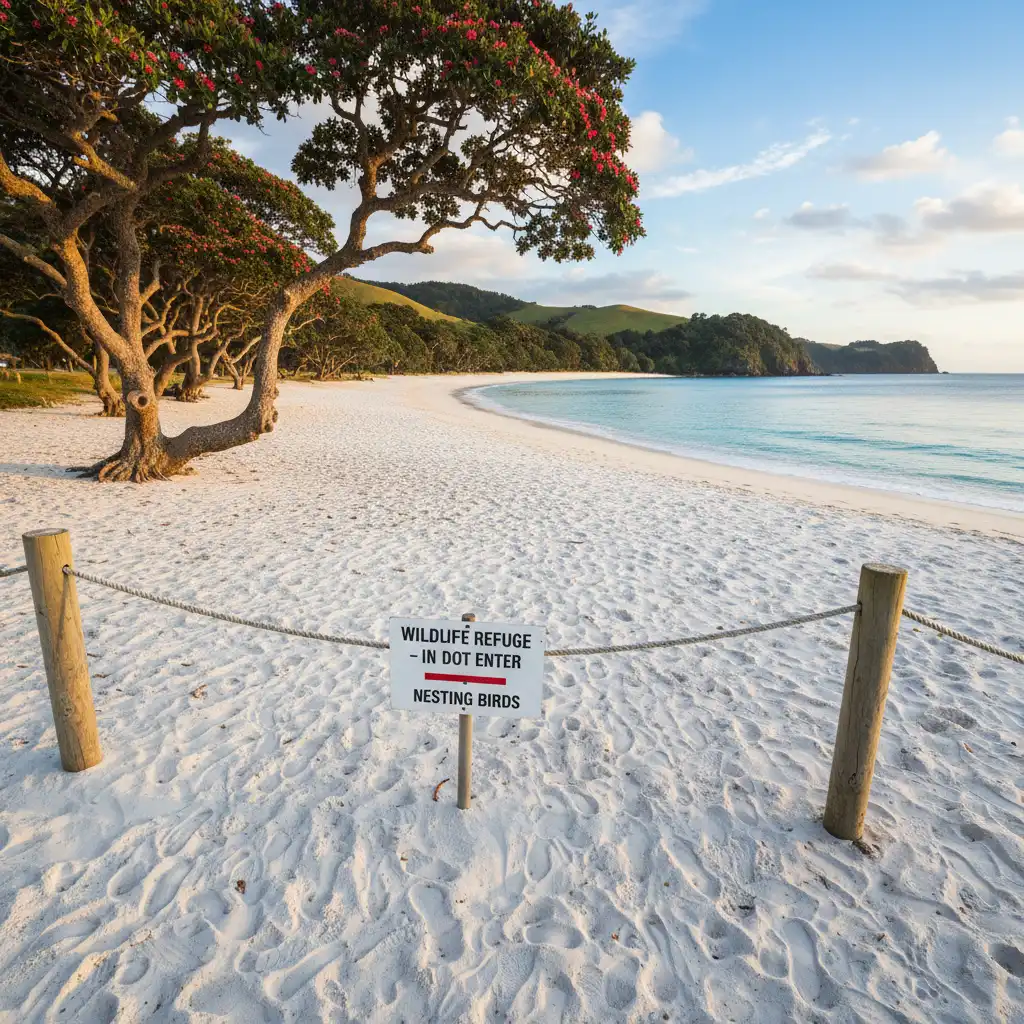
- Prohibited Areas: These are often wildlife refuges or high-density nesting sites. No dogs are allowed, even on a leash.
- On-Leash Areas: Dogs are permitted but must be physically restrained. This is common during the nesting season (August to March).
- Off-Leash Areas: Usually restricted to specific zones away from nesting sites. However, owners must still have effective control (recall) of their dogs.
Why Leashes Save Lives
Even a well-behaved dog can accidentally crush a nest while running. Furthermore, the mere presence of a dog can cause parent birds to leave the nest. In the hot New Zealand sun, eggs can overheat and die if left unshaded by the parent for as little as 15 minutes. By keeping your dog on a leash, you prevent them from chasing birds and keep them on the wet sand, away from the vulnerable dune edge.
Key Locations: Coromandel & Northland Hotspots
While shorebirds can be found across the country, the Coromandel Peninsula and Northland are prime eco-tourism destinations where travelers are highly likely to encounter nesting sites. These regions host significant populations of NZ Dotterels and Fairy Terns.
The Coromandel Peninsula
The white sand beaches of the Coromandel are stunning, but they are also busy nurseries.
- Opoutere Beach: This is a site of significant ecological value. It protects a breeding population of Dotterels and Oystercatchers. The spit is often fenced off to protect the birds. Visitors should strictly adhere to the path through the pine forest and avoid the fenced tip of the spit.
- Otama and Opito Bay: These remote beaches have healthy populations of shorebirds. The lack of development helps, but visitors must be vigilant about where they set up picnic spots.
Northland
Northland’s warm climate makes it a haven for birdlife.
- Waipu Cove & Wildlife Refuge: Located south of Whangarei, this is a critical breeding ground for the NZ Fairy Tern and Dotterels. The refuge at the river mouth is strictly controlled. It offers a fantastic opportunity for birdwatching from a distance using binoculars.
- Mangawhai Spit: Another sanctuary for the Fairy Tern. The Department of Conservation often has rangers on-site here during summer. Engaging with rangers is a great way to improve your nz shorebirds identification skills, as they can point out specific birds and behaviors.
Conservation Efforts and How to Help
The survival of these birds is heavily dependent on active conservation. The Department of Conservation (DOC), along with local community groups, undertakes massive trapping programs to control predators like stoats, rats, and hedgehogs that eat eggs and chicks.
How You Can Contribute
As a traveler, your passive contribution is simply following the rules: staying out of fenced areas, keeping dogs on leashes, and taking your rubbish with you (food scraps attract predators). However, you can also contribute actively.
Many beaches have local “Coast Care” groups. If you are staying in a region for an extended period, volunteering for a beach clean-up or a dune planting day is a rewarding way to give back to the environment. Additionally, reporting sightings of banded birds to the DOC can help track population movements and health.
By respecting the boundaries between human recreation and wildlife habitat, we ensure that the hauntingly beautiful call of the Oystercatcher and the scurrying of the Dotterel remain a permanent fixture of the New Zealand coastline.
Frequently Asked Questions
When is the shorebird nesting season in New Zealand?
The primary nesting season runs from September through to March. This encompasses the New Zealand spring and summer, coinciding with the peak tourism season. During these months, extra caution is required on all sandy beaches.
What should I do if I find a shorebird egg on the sand?
Do not touch it or move it. The egg is likely in a scrape (nest) and the parents are nearby, watching. Carefully back away from the egg, retracing your steps to avoid stepping on other camouflaged eggs, and leave the immediate area to allow the parents to return.
Why are dogs prohibited on some NZ beaches?
Dogs are prohibited to protect vulnerable wildlife. Shorebirds view dogs as predators. Even if a dog doesn’t attack, their presence causes stress, forcing parents off nests which leads to egg failure. Dogs can also easily catch and kill flightless chicks.
How can I identify a New Zealand Dotterel?
Look for a bird about 25cm tall with a short bill. In spring/summer, they have a distinctive rusty-red chest and belly. In autumn/winter, they are pale white/grey. They run in short bursts and bob their heads.
Are vehicles allowed on nesting beaches?
Generally, vehicles are restricted on nesting beaches. Driving on beaches crushes nests and chicks that are hiding in wheel ruts. Always check local council bylaws and never drive on dunes or above the high-tide mark in nesting zones.
What is the best way to photograph shorebirds without disturbing them?
Use a telephoto or zoom lens. Stay at least 20-30 meters away. If the bird stops feeding, becomes agitated, or flies up, you are too close. Never chase a bird for a photo. Lying flat on the sand (at a distance) can make you appear less threatening.