Cape Kidnappers Gannet Colony access is primarily achieved through three methods: a guided tractor tour along the coastline, an overland 4WD safari through private farmland, or a self-guided 19km return beach hike. Access is strictly seasonal, generally open from September to April, and beach routes are contingent upon low tide windows and landslide safety assessments.
Located in the stunning Hawke’s Bay region of New Zealand, Cape Kidnappers (Te Kauwae-a-Māui) hosts the world’s largest accessible mainland colony of Australasian Gannets. Whether you are an avid hiker seeking a challenge or a luxury traveler looking for a guided experience, understanding the logistics of accessing this remote headland is crucial for a safe and successful trip.
Migration Arrival and Departure Dates
Understanding the gannet migration cycle is the first step in planning your access to Cape Kidnappers. The colony is not a year-round attraction; the birds are migratory, meaning arriving outside the designated season will result in viewing empty nesting sites.
The Arrival: September to October
The gannets begin returning from Australia in mid-September. During these early months, the birds are focused on establishing territory and building nests. This is a dynamic time to visit as the colony is noisy, chaotic, and full of aerial activity as pairs reunite. If you access the colony in late September or October, you will witness the intricate courtship rituals, where pairs engage in “fencing” with their beaks.
The Hatching: November to January
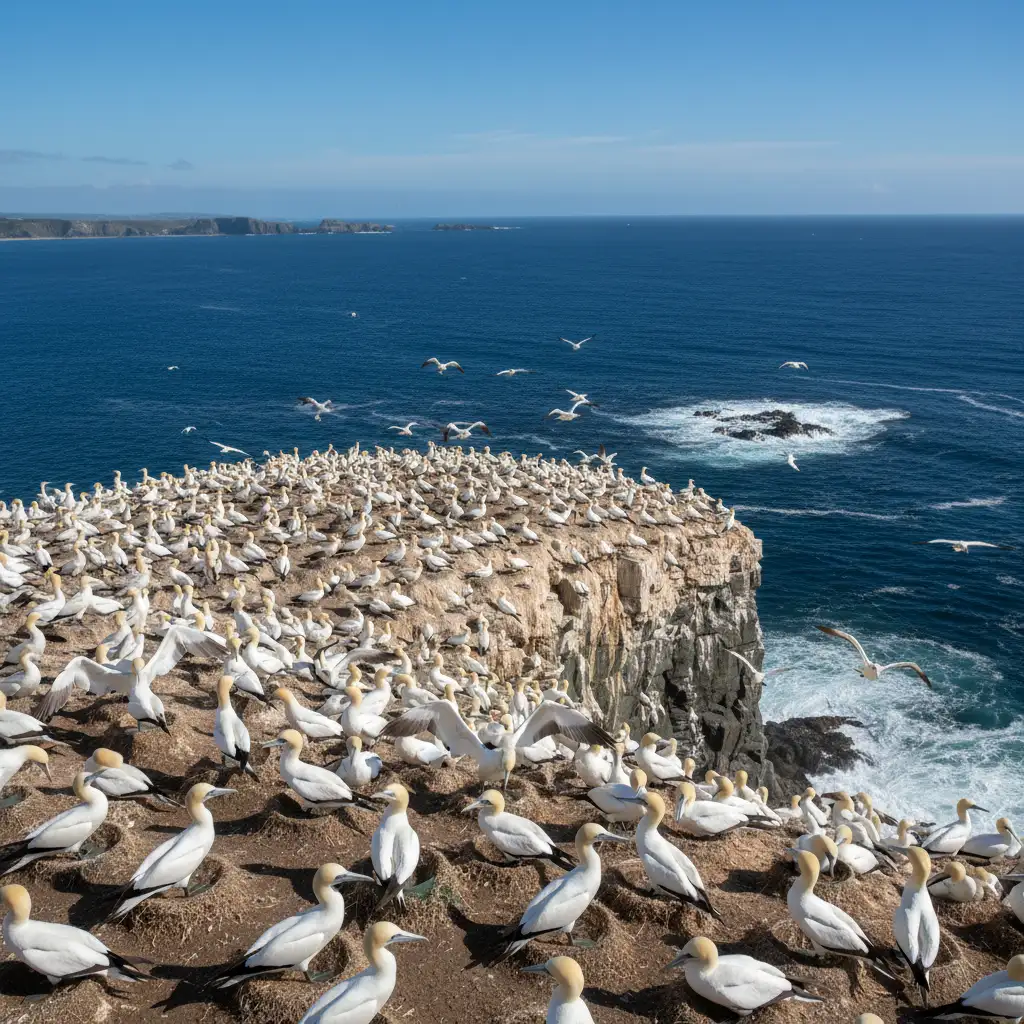
This is widely considered the peak viewing season. Chicks begin to hatch in November. By December and January, the plateau is covered in white fluffy chicks. For visitors accessing the site via commercial tours, this period offers the most photogenic opportunities. The parents are constantly flying in and out to fish, providing endless action for observers.
The Departure: February to April
As the chicks mature, they lose their white down and grow speckled juvenile feathers. By March and April, they begin practicing flight. The colony typically empties out by late April, as the birds migrate across the Tasman Sea. Most tour operators cease operations by the end of April or early May, making access pointless until the following spring.
The Beach Hike: Tides and Safety
For the independent traveler, hiking to the colony via Clifton Beach is a popular, albeit challenging, option. However, this is not a casual stroll. It is a serious undertaking that requires strict adherence to safety protocols set by the Department of Conservation (DOC).
Understanding the Tide Window
Access via the beach is only possible during low tide. The cliffs along the coastline are sheer and unstable, leaving no escape route if the tide comes in. You must depart from Clifton no earlier than 3 hours after high tide and must be off the beach by 1.5 hours after low tide. This leaves a specific window of time to complete the 19km (return) journey.
If you miss this window, you risk being trapped against the cliffs with rising water, a situation that frequently requires emergency rescue. Always consult the local tide charts for “Clifton” specifically, not just Napier, as there can be variances.
Landslide Risks and Cliff Safety
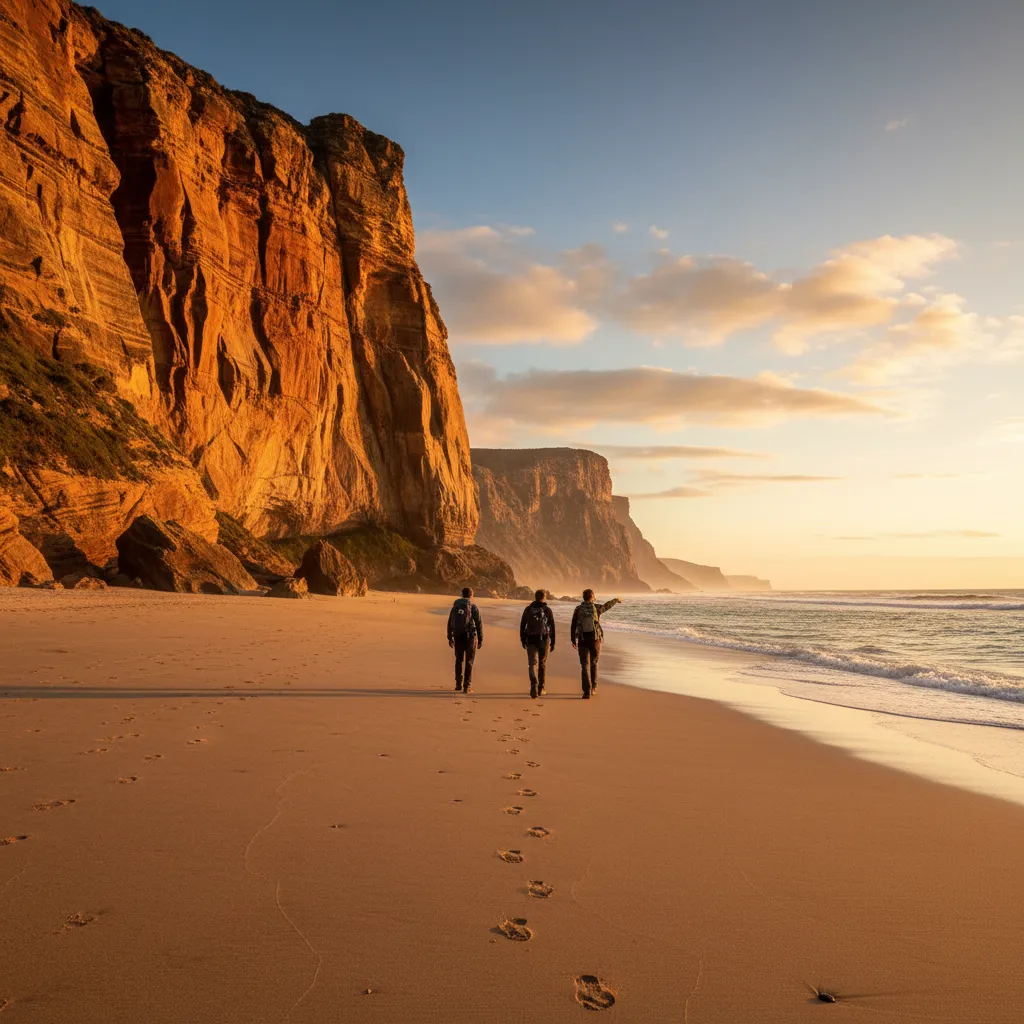
The cliffs towering over the beach route are composed of soft sandstone and conglomerate rock. They are prone to erosion and sudden collapse. In recent years, the beach access has been intermittently closed due to significant rockfalls. Before planning your hike:
- Check the Status: Visit the Hastings District Council or DOC website to ensure the track is open.
- Keep Your Distance: Walk as close to the water’s edge as possible, maintaining a wide berth from the cliff base.
- Do Not Linger: Do not stop for picnics or rest breaks directly under the cliffs.
Physical Requirements
The hike takes approximately 4 to 5 hours return. The terrain is a mix of sand and pebbles, which can be fatiguing. Once you reach the Black Reef colony at the end of the beach, there is a steep uphill track to reach the Plateau colony (the main viewing area). Visitors should have a moderate level of fitness and carry at least 2 liters of water per person, as there is no potable water available at the Cape.
Commercial Access: Tractor Tour Reviews
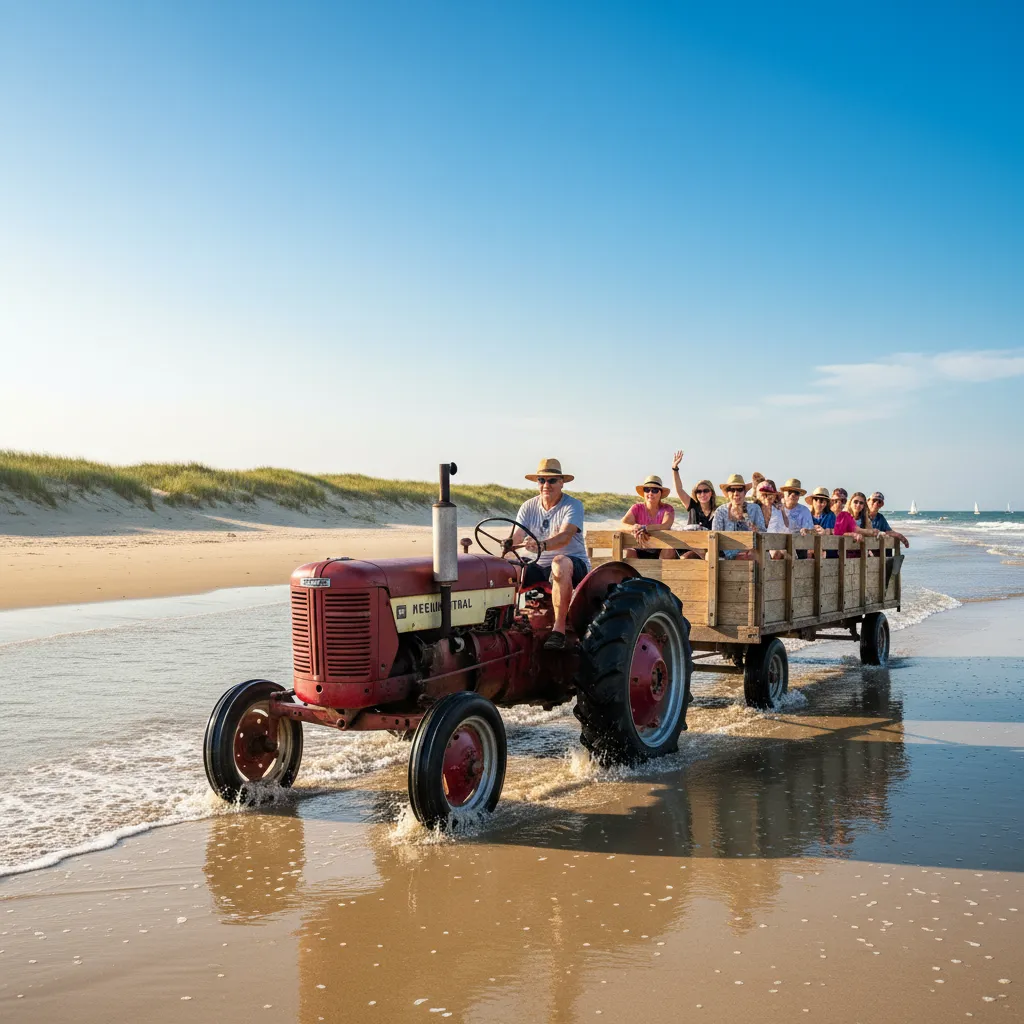
For those who wish to experience the beach route without the physical exertion of a 19km hike, the tractor tours offered by Gannet Beach Adventures are the iconic way to access the colony. This has been a staple of Hawke’s Bay tourism for decades.
The Experience
Visitors ride on open-air trailers pulled by vintage tractors. The journey starts at Clifton and travels along the beach, splashing through the surf. The guides are typically locals with deep knowledge of the geology and history of the area.
Pros of Tractor Access
- Speed: It covers the ground much faster than walking, allowing more time at the colony.
- Perspective: You get the dramatic view of the cliffs from the bottom up, which overland tours miss.
- Guide Knowledge: The commentary on geology and fault lines adds significant value to the trip.
Cons and Considerations
- Tide Dependent: Like the hikers, the tractors are beholden to the tides. Tours are scheduled around low tide, meaning departure times change daily.
- Comfort: The ride can be bumpy, and you are exposed to the elements (sun and wind).
- Walking Required: The tractors take you to the base of the Cape. You still must walk up the hill (approx. 20-30 minutes) to reach the main saddle colony, though you can view the Black Reef colony from the beach.
Overland Safaris: The Tide-Free Option
The alternative commercial access is provided by Gannet Safaris Overland. Unlike the beach options, this operator accesses the colony via private farmland on top of the cliffs, using 4WD minibuses or Range Rovers.
Why Choose Overland Access?
This is the premium option and the only method suitable for those with limited mobility. The vehicles drive directly to within a few meters of the colony, eliminating the need for the steep uphill hike required by beach walkers and tractor passengers.
Key Advantages
- No Walking: You step out of the vehicle right at the viewing platform.
- Not Tide Dependent: Tours can run at any time of day, regardless of what the ocean is doing. This makes scheduling much easier for travelers on tight itineraries.
- Scenery: The drive through Cape Kidnappers Station offers panoramic views of Hawke’s Bay, Napier, and the working farm that are invisible from the beach.
Photography Tips for Gannets
Cape Kidnappers is a bucket-list destination for wildlife photographers. The birds are large, predictable, and relatively unafraid of humans, allowing for exceptional shots. However, the bright white plumage and harsh New Zealand sun can present exposure challenges.
Gear Recommendations
While you can get great shots with a smartphone, a DSLR or Mirrorless camera with a telephoto lens (70-200mm or 100-400mm) is ideal. The birds are close, so you rarely need super-telephoto lengths (600mm+), which can actually be a hindrance here.
Camera Settings for Gannets
- Shutter Speed: To freeze the action of a gannet diving or landing, aim for 1/2000th of a second or faster.
- Aperture: Use an aperture of f/5.6 to f/8 to ensure enough depth of field to keep the entire bird in focus, especially when they are banking in flight.
- Exposure Compensation: This is critical. Gannets are bright white. In direct sunlight, your camera’s meter will try to darken the scene, resulting in grey birds. Dial in +0.3 to +0.7 exposure compensation to keep the whites bright, but turn on your “blinkies” (highlight alert) to ensure you aren’t blowing out the detail in the feathers.

Composition Ideas
Don’t just shoot the nesting birds. Look for the “greeting” ritual where partners point their beaks skyward. Try to capture the gannets carrying nesting material (seaweed) in flight. The contrast of the golden sandstone cliffs against the blue ocean and white birds makes for excellent environmental portraits.
People Also Ask
Is the walk to Cape Kidnappers difficult?
The walk is considered moderate to difficult due to its length (19km return) and terrain. Walking on soft sand and pebbles for 5 hours can be exhausting. Additionally, the final ascent from the beach to the lighthouse and main colony is steep. It is not recommended for young children or those with low fitness levels.
How much does it cost to go to the gannet colony?
Walking along the beach is free, though you must check tide schedules. Commercial tractor tours typically cost between $50-$60 NZD per adult. Overland 4WD safari tours are more expensive, ranging from $90 to $180 NZD depending on the specific tour package and vehicle luxury level.
What is the best time of day to visit the gannets?
For photographers, early morning or late afternoon offers the best light and reduces the harsh glare on the white birds. However, if you are hiking or taking the tractor, your time is dictated entirely by the low tide, regardless of the sun’s position.
Are there toilets at Cape Kidnappers?
Yes, there are basic toilet facilities located near the Black Reef colony (at the end of the beach walk) and up at the main colony near the lighthouse. However, there are no facilities along the 9km beach route itself.
Can you drive your own car to Cape Kidnappers gannet colony?
No. Private vehicles are not permitted on the overland farm road, nor are they allowed on the beach. You must either walk, take a guided tour, or cycle (though cycling on the soft sand is extremely difficult and generally discouraged).
Is the gannet colony open year-round?
No. The colony is generally accessible from September to late April. From May to August, the birds migrate away, and the site is essentially empty. Tour operators usually close down during the winter months.