Seeing kiwi in the wild in NZ is best achieved on Stewart Island (Rakiura), specifically at Mason Bay or Ocean Beach, where the Southern Brown Kiwi (Tokoeka) is often active during daylight. For guaranteed sightings, fenced sanctuaries like Zealandia, Kapiti Island, or Rotoroa Island offer accessible, guided night tours near major cities, though these lack the raw, unpolished nature of a wild encounter.
For the dedicated eco-traveler, the quest to spot New Zealand’s national icon in its natural habitat is the pinnacle of wildlife watching. While sanctuaries offer convenience, the raw thrill of spotting a kiwi on a remote beach under the Southern Lights is an experience that defines New Zealand independent travel. This guide dissects the realities, logistics, and ethics of kiwi spotting, comparing the rugged wilderness of Rakiura to the controlled environments of eco-sanctuaries.
What Makes the Stewart Island Tokoeka Unique?
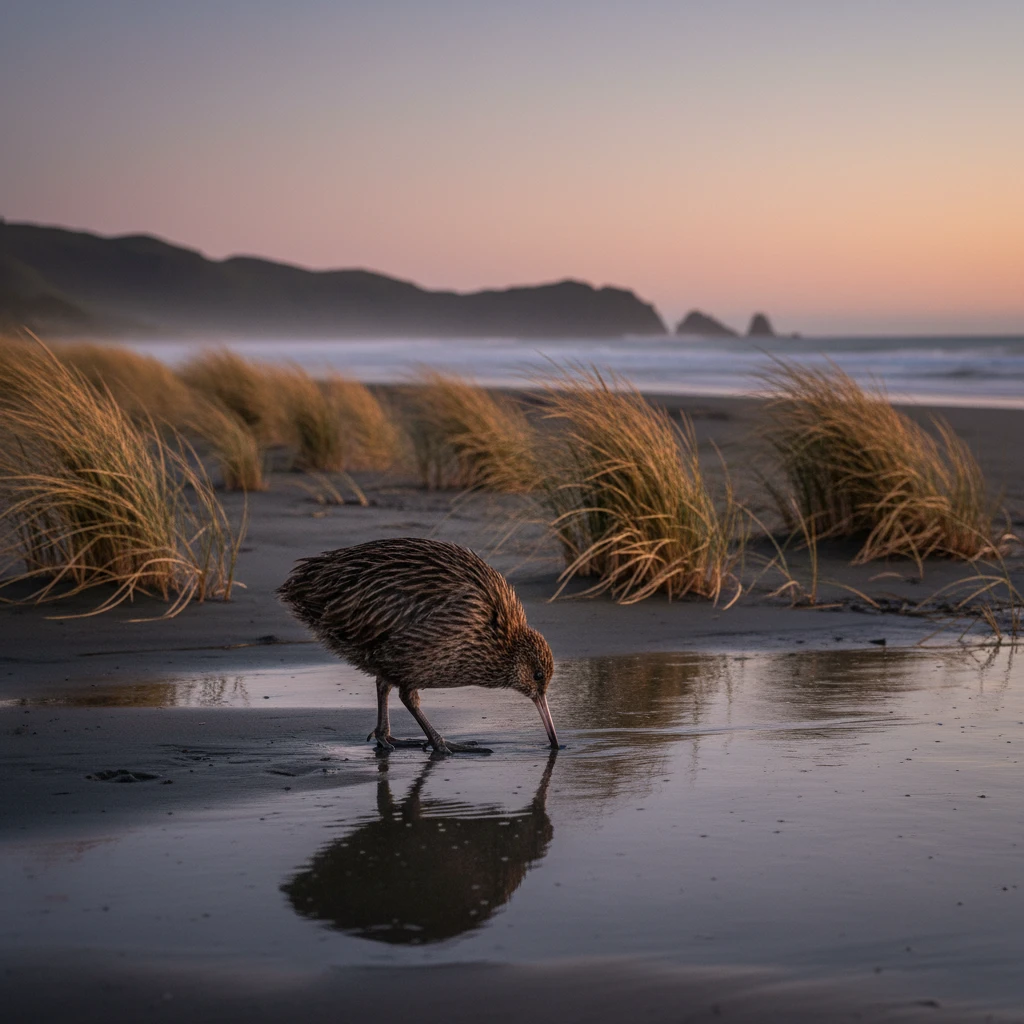
To successfully spot a kiwi, one must first understand the target. Most travelers searching for “seeing kiwi in the wild NZ” are unaware that there are five distinct species of kiwi. The North Island Brown Kiwi is strictly nocturnal and notoriously shy. However, on Stewart Island (Rakiura), you are looking for the Southern Brown Kiwi, known locally as the Tokoeka.
The Tokoeka is unique among kiwi species because it is frequently active during the day (diurnal behavior). This biological anomaly is attributed to the short summer nights at the southern latitude and the high energy requirements of this larger species. Because Rakiura has a lower density of predators compared to the mainland, the Tokoeka has retained a level of boldness that makes it the most “watchable” wild kiwi in existence.
Foraging Patterns and Habitat
Tokoeka are territorial but social within their family groups. They are omnivores, using their long, sensitive bills to probe deep into the soil for earthworms, grubs, and fallen fruit. On Stewart Island, a unique phenomenon occurs: beach foraging. Tokoeka are often seen venturing onto the sand to feed on sandhoppers (amphipods) found in the decomposing kelp lines. This behavior not only makes them easier to spot against the open sand but also provides a stark, beautiful contrast for photographers—though flash photography is strictly prohibited.
Stewart Island Locations: Mason Bay vs. Ocean Beach
For those committed to the pilgrimage to Rakiura, the decision usually comes down to two primary locations: the accessible Ocean Beach or the remote Mason Bay. Each offers a vastly different experience.
Mason Bay: The Wilderness Experience
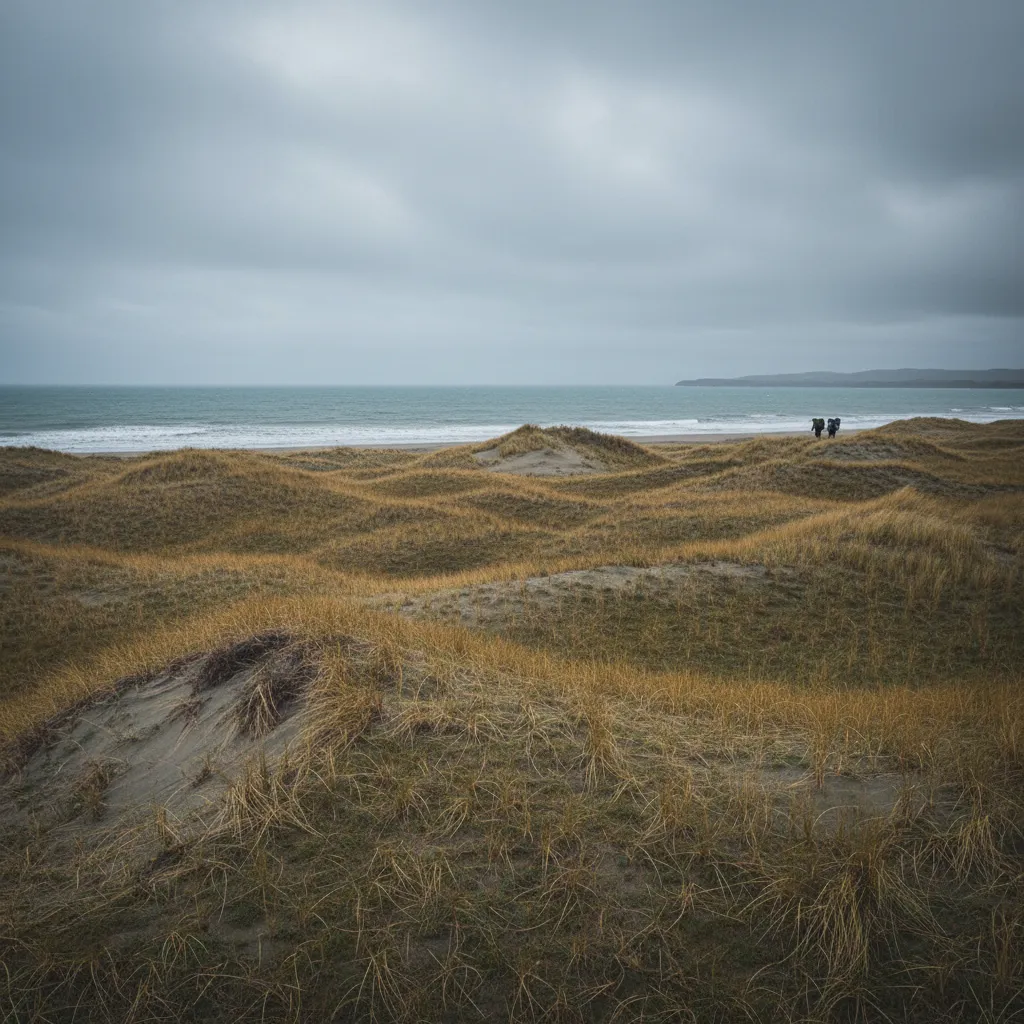
Mason Bay is widely considered the “Kiwi Capital of the World.” Located on the remote west coast of the island, it hosts one of the highest densities of kiwi in existence. However, getting there requires logistical planning.
Logistics: You cannot drive to Mason Bay. Access is via a fixed-wing beach landing (flight) or a water taxi to Freshwater Landing followed by a 4-hour flat hike through a chocolate-colored swamp track. Most independent travelers opt to fly in and hike out, or vice versa, staying overnight at the Department of Conservation (DOC) Mason Bay Hut.
The Experience: The isolation here is profound. At dawn or dusk, it is not uncommon to see multiple kiwi foraging in the tussock grasses near the hut or along the dune systems. Because human traffic is lower than near the townships, the birds are less habituated but also less disturbed. The success rate for spotting a kiwi here, even without a guide, is estimated to be over 80% if you stay for two nights.
Ocean Beach / Bravo Islands: The Accessible Option
Located closer to the main settlement of Oban (Halfmoon Bay), Ocean Beach is the primary destination for commercial tours. It requires a boat ride to access, as it is situated on the Glory Cove peninsula.
Logistics: This area is generally accessed via guided tour boats that depart from Oban in the evening. There are no public huts here for independent overnight stays in the same manner as Mason Bay.
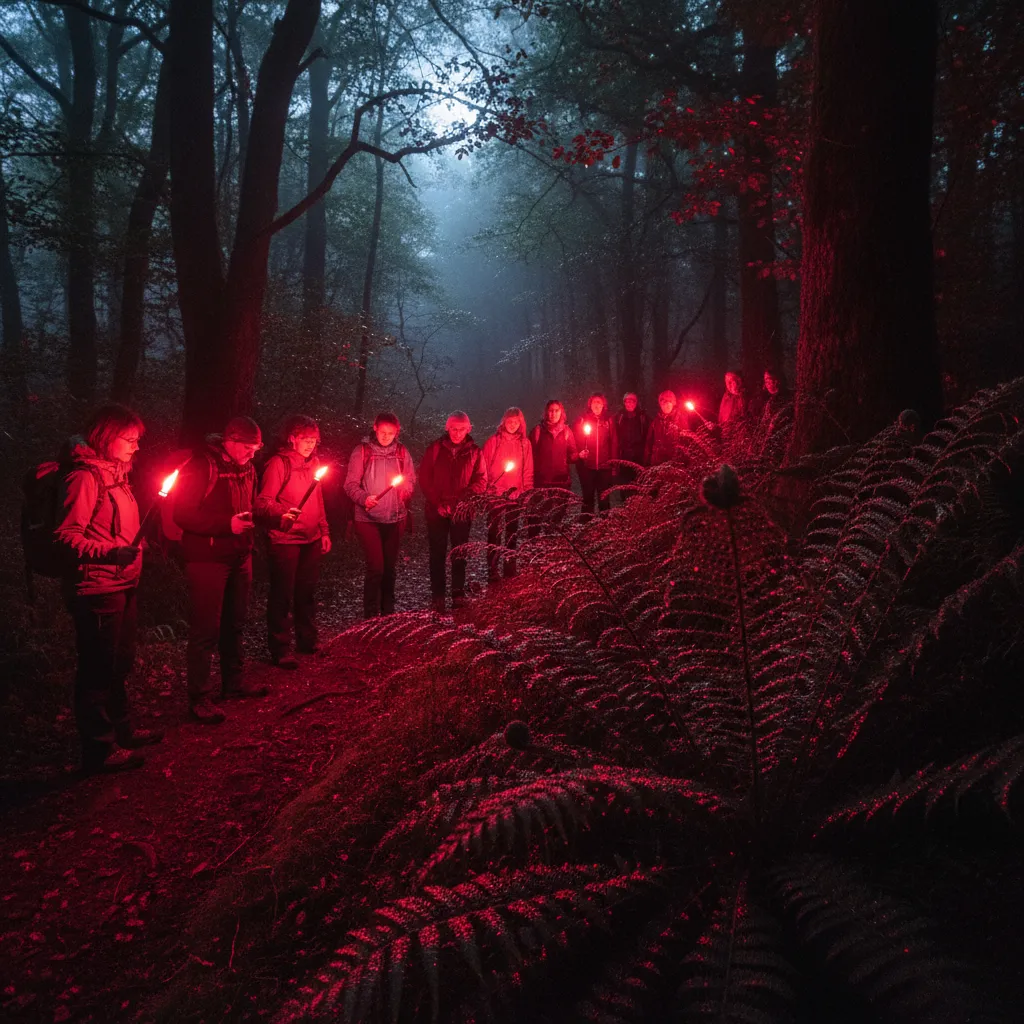
The Experience: This is a more controlled wild experience. You will be in a group, likely walking on a track or beach with a guide using red light torches. While it lacks the “survivalist” feel of Mason Bay, the success rates are incredibly high (near 99%) because the guides know the specific territories of resident birds. This is the superior choice for travelers with limited time or physical mobility issues.
Wild vs. Sanctuary: Which Should You Choose?
If your itinerary does not allow for a trip to Stewart Island, sanctuaries on the North and South Islands offer a compromise. It is vital to distinguish between “wild” sanctuaries (predator-free islands or fenced peninsulas) and “captive” houses (zoos).
Top Sanctuary Recommendations
- Kapiti Island (Near Wellington): A predator-free island nature reserve. You must book an overnight tour to see Little Spotted Kiwi (Kiwi Pukupuku). Seeing them here is highly probable as the density is massive, but you are restricted to guided walks.
- Zealandia (Wellington): A fenced eco-sanctuary in the city suburbs. Their night tours are exceptional for seeing Little Spotted Kiwi wild within the fence. It is the most accessible “wild-style” experience in the country.
- Rotoroa Island (Auckland): An island sanctuary in the Hauraki Gulf managed by the Rotoroa Island Trust. Limited accommodation allows for overnight stays where North Island Brown Kiwi can be spotted.
- Otorohanga Kiwi House (Waikato): If you absolutely cannot do a night tour, this is a nocturnal house where day is turned to night artificially. You will see a kiwi, but it is a captive experience.
Guided vs. Self-Guided: Analyzing Success Rates
One of the most common questions regarding seeing kiwi in the wild in NZ is whether to pay for a guide. The answer depends on your location and your patience.
The Self-Guided Approach
Pros: significantly cheaper; infinite patience (you can wait in one spot for hours); the immense satisfaction of finding wildlife on your own.
Cons: Requires high fieldcraft skills; requires red light gear; lower success rate on the mainland.
Success Rate: On Stewart Island (Mason Bay), self-guided success is roughly 70-80%. On the mainland (e.g., Northland forests), self-guided success drops to below 10% for the average tourist due to the elusive nature of the North Island Brown Kiwi.
The Guided Approach
Pros: Access to private land or restricted concessions; infrared cameras and high-tech gear; biological context provided by experts; transportation included.
Cons: Expensive ($100-$300 NZD per person); being part of a potentially noisy group.
Success Rate: reputable tours on Stewart Island or Kapiti Island boast 90-99% success rates. If you have only one night to spare, a guide is an insurance policy against disappointment.
How to Behave: Red Light Etiquette
Kiwi are extremely sensitive to white light. Their eyes are adapted for low-light conditions, and a blast of white light (from a phone flash or standard LED torch) can temporarily blind them, causing distress and leaving them vulnerable to predators or injury.
The Golden Rules of Kiwi Spotting:
- Red Light Only: You must use a torch with a red filter or a dedicated red LED. Red light has a longer wavelength that kiwi eyes are less sensitive to. Even with red light, never shine it directly into the bird’s eyes; aim at their feet or the ground nearby.
- Silence is Key: Kiwi have exceptional hearing. The crunch of gravel can send them running. Wear soft-soled shoes if possible and stop moving if the bird is approaching you.
- Keep Your Distance: Maintain a buffer of at least 5 meters. If a kiwi walks toward you (which they often do on Stewart Island), stand comprised and still. Do not retreat suddenly, and absolutely do not attempt to touch the bird.
- No Flash Photography: This cannot be overstated. Flash photography is an act of aggression against nocturnal wildlife. Learn to use high ISO settings on your camera or simply enjoy the moment with your eyes.
Gear and Logistics for the Hunt
To successfully spot a kiwi in the wild, particularly on Stewart Island, you need to prepare for the volatile Southern Ocean climate.
Essential Packing List
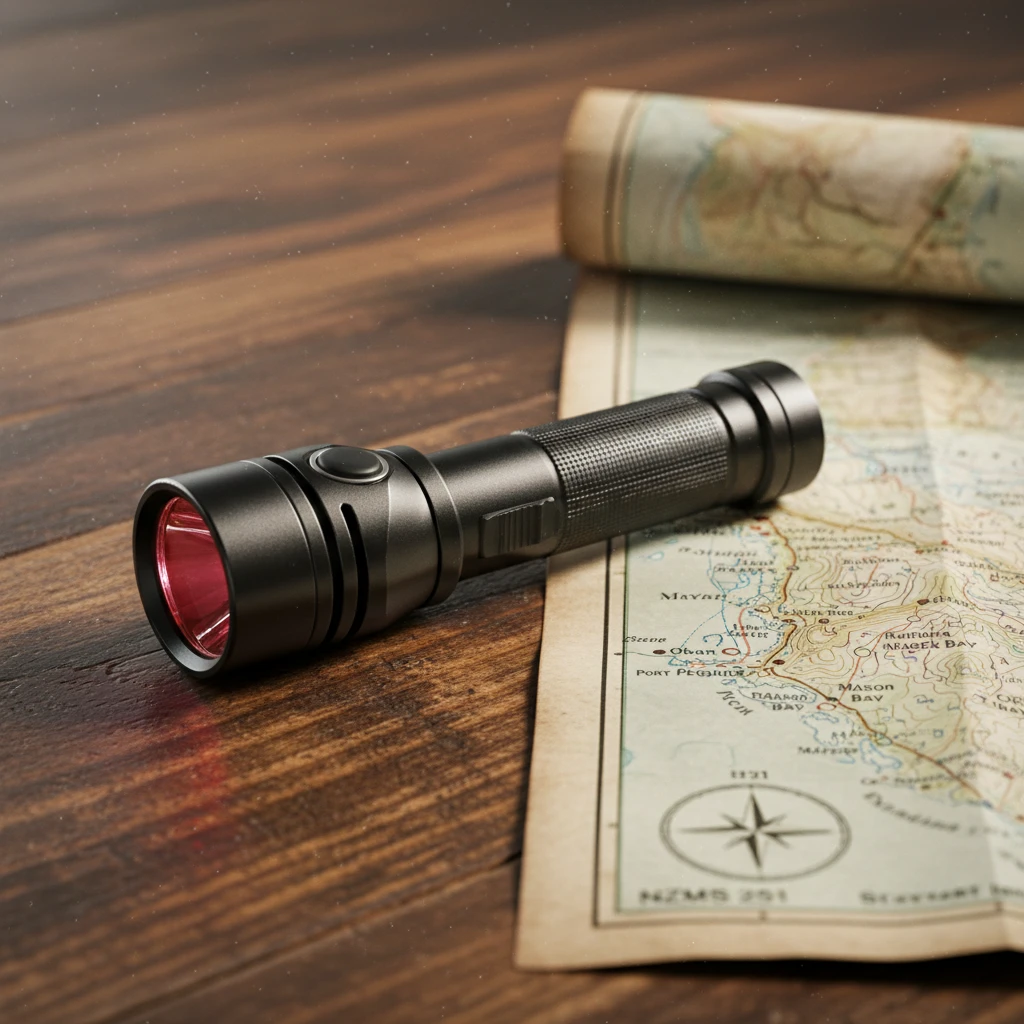
- Red Headlamp: Essential for hands-free navigation while keeping the environment kiwi-friendly.
- Insect Repellent: Stewart Island is famous for sandflies. They are voracious. Do not attempt to stand still in the bush without repellent.
- Warm Layers: Even in summer, temperatures can drop to single digits (Celsius) at night. Merino wool base layers are recommended.
- Waterproof Footwear: Whether you are on the muddy tracks of Mason Bay or the damp beaches, dry feet are a luxury. Gore-Tex boots are standard equipment.
Conclusion
Seeing a kiwi in the wild in NZ is a memory that lasts a lifetime. Whether you choose the rugged, muddy adventure of a Mason Bay hike or the curated certainty of a Zealandia night tour, the encounter connects you to an ancient lineage of birds that have roamed these islands for millions of years. For the true adventurer, the journey to Stewart Island offers the most authentic connection—a chance to see the Tokoeka on its own terms, under the vast southern sky.
People Also Ask
What is the best time of year to see kiwi in New Zealand?
Kiwi can be seen year-round, but the best viewing is often during the breeding season (June to December) when they are most vocal and active. However, summer (December to February) offers better weather for the humans observing them.
Can you see kiwi during the day?
Generally, no, as most species are nocturnal. However, the Stewart Island Tokoeka is the exception and is frequently active during daylight hours, making Stewart Island the best place for daytime spotting.
How much does a guided kiwi tour cost?
Prices vary significantly. A sanctuary tour (like Zealandia) might cost around $80-$90 NZD. A specialized wild kiwi tour on Stewart Island typically ranges from $100 to $200 NZD per person.
Are there wild kiwi in the North Island?
Yes, the North Island Brown Kiwi exists in the wild, particularly in Northland and the Coromandel. However, they are strictly nocturnal and much harder to spot without a guide compared to the Stewart Island population.
Why do I need a red light to see kiwi?
Kiwi eyes are sensitive to white light, which disturbs their natural behavior and causes stress. Red light allows you to observe them without startling them or damaging their night vision.
Is it guaranteed to see a kiwi on Stewart Island?
While never 100% guaranteed in the wild, Stewart Island offers the highest probability in New Zealand. Guided tours often boast a 90%+ success rate, while independent hikers at Mason Bay have very high chances if staying overnight.