A New Zealand eco tourism guide for independent travelers provides a strategic framework for exploring Aotearoa sustainably, emphasizing low-impact mobility, adherence to the Tiaki Promise, and support for conservation-focused operators. It prioritizes Department of Conservation (DOC) facilities, responsible wildlife interaction, and strict biosecurity practices to protect the island nation’s unique biodiversity.
Introduction to Independent Eco-Travel in Aotearoa
New Zealand, or Aotearoa (The Land of the Long White Cloud), is often cited as the pinnacle of wilderness travel. However, the fragility of its ecosystem requires a deliberate approach to exploration. Independent eco-travel is not merely about visiting nature; it is about actively participating in its preservation. For the independent explorer, this means moving beyond the standard tourist itinerary to understand the delicate balance between recreation and conservation.
The core philosophy of traveling New Zealand sustainably is encapsulated in the Tiaki Promise—a commitment to care for the people, place, and culture. As an independent traveler, you act as your own guide, making decisions regarding transport, accommodation, and activities that lower your carbon footprint and support local regeneration efforts. This guide serves as your comprehensive manual for navigating New Zealand’s landscapes responsibly, ensuring that your presence aids rather than degrades the environment.
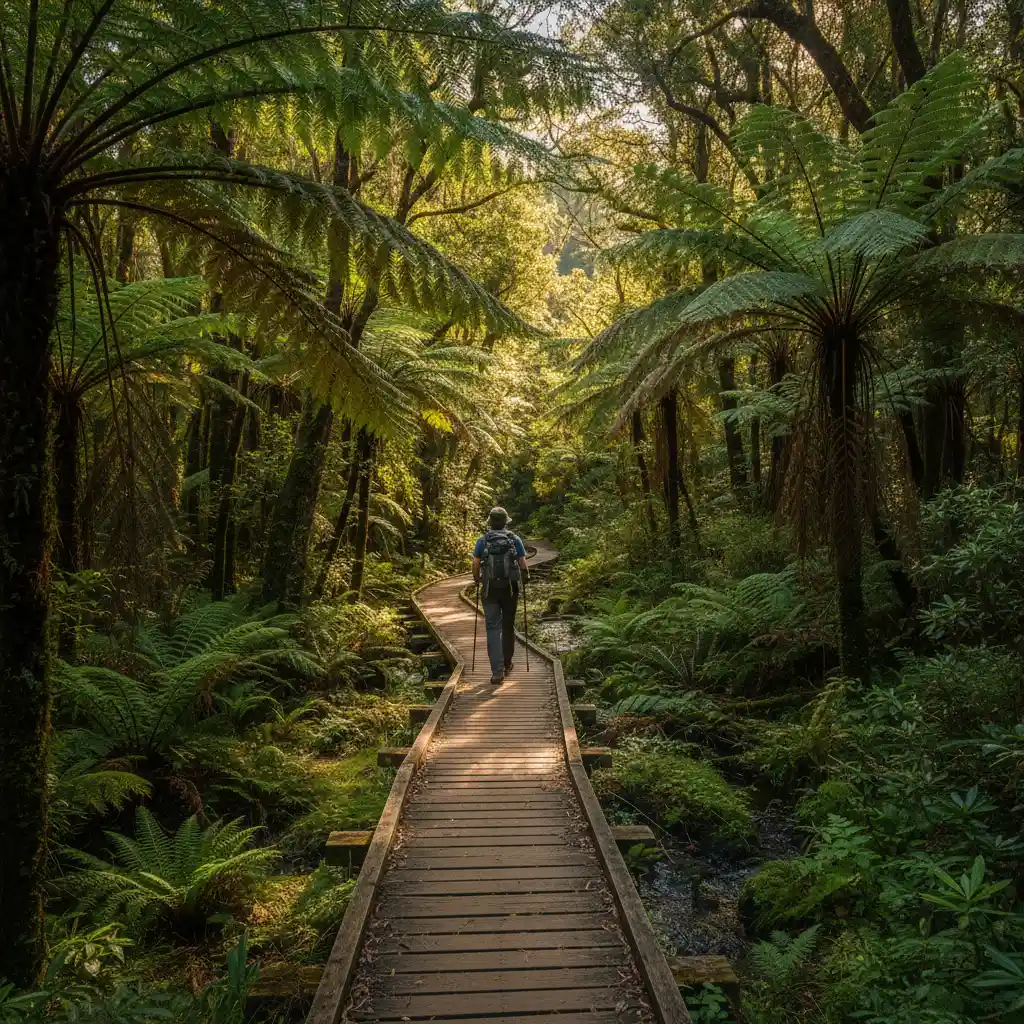
What are the Core Principles of NZ Eco-Tourism?
To truly engage with New Zealand as an eco-explorer, one must adopt specific behaviors that align with the country’s conservation goals. The primary principle is Kaitiakitanga, a Māori concept meaning guardianship and protection. It implies that we are not owners of the land but temporary custodians responsible for its wellbeing.
practically, this translates to:
- Leave No Trace: This goes beyond picking up litter. It involves packing out all waste, including biodegradable food scraps which can disrupt local wildlife diets, and using biodegradable soaps at least 50 meters away from waterways.
- Respecting Cultural Sites: Many natural landmarks, such as mountains (maunga) and rivers (awa), hold spiritual significance for Māori iwi (tribes). Always adhere to signage asking visitors not to climb certain peaks or eat in specific areas (tapu).
- Supporting Regenerative Tourism: Choose operators who contribute a portion of their fees to pest eradication (predator-free 2050) or reforestation projects.
When is the Best Time for Wildlife Viewing?
New Zealand’s wildlife is unique, often flightless, and frequently nocturnal. Understanding the seasonal rhythms is crucial for ethical observation without disturbance. Below is a seasonal breakdown for the eco-conscious observer.
Spring (September – November)
Spring is the season of new life. In coastal areas, particularly around Kaikōura and the Bay of Islands, marine life becomes very active. This is a prime time for spotting migratory whales.
- Little Blue Penguins (Kororā): Nesting begins. They are most visible at dusk coming ashore.
- Lambing Season: While not wild, care must be taken when driving or walking near farmland.
Summer (December – February)
The warmest months bring the best opportunities for bird watching, though it also brings peak tourist crowds. Independent guides recommend visiting at dawn or dusk to avoid crowds and see animals at their most active.
- Hector’s Dolphins: Found around Banks Peninsula, these are the world’s smallest marine dolphins. Summer offers calm seas for responsible boat tours.
- Gannets: The colonies at Cape Kidnappers are bustling with chicks.
Autumn (March – May)
As the temperatures cool, marine mammals often come closer to shore. This is arguably the best season for a balanced eco-trip, combining wildlife with hiking.
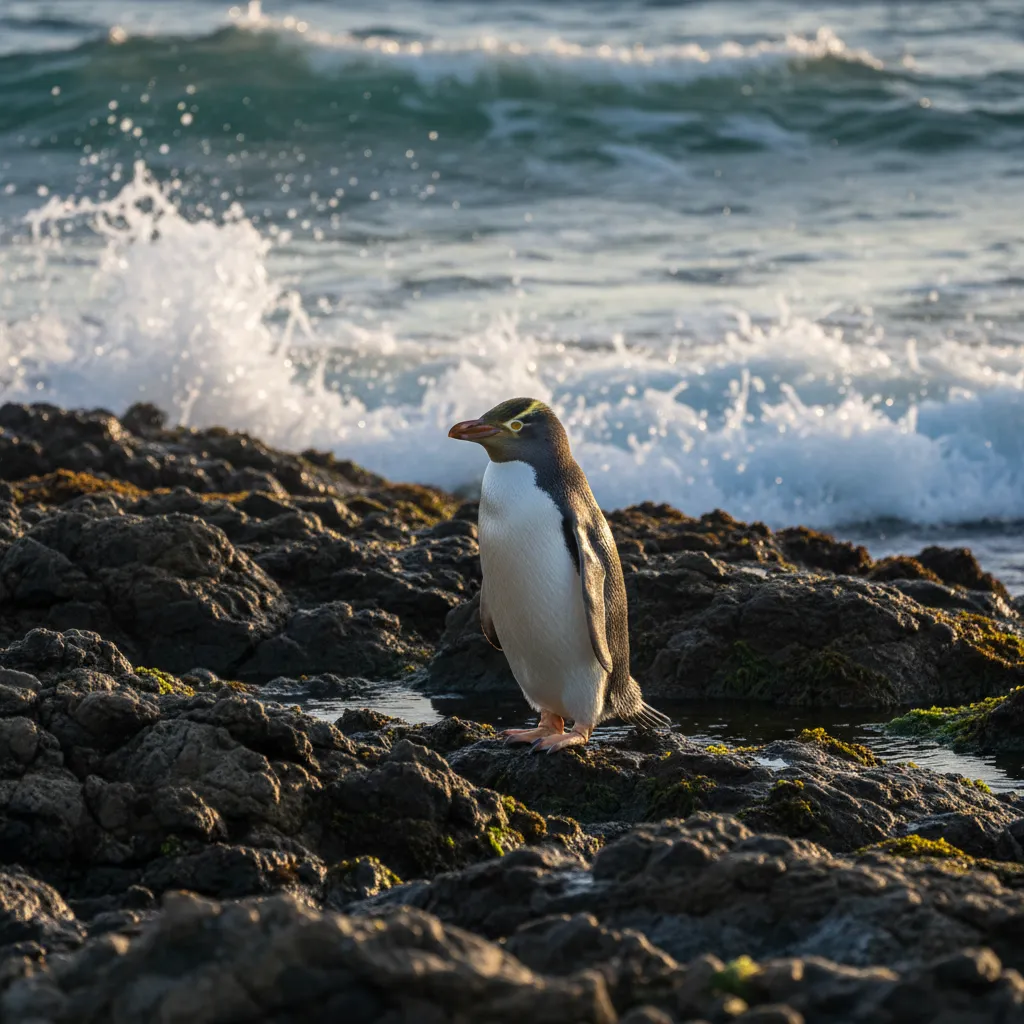
- Fur Seals (Kekeno): Pups begin to explore rock pools on the Kaikōura coast.
- Orca: Often seen hunting rays in harbors like Wellington and Auckland.
Winter (June – August)
While cold, winter offers crisp days and snow-capped peaks. It is the best time for spotting the majestic Sperm Whales in Kaikōura, as they are present year-round but come closer to shore in deep canyons during winter.
- Albatross: The Royal Albatross Centre at Taiaroa Head sees chicks growing large and preparing to fledge.
- Kiwi: Being nocturnal, longer nights in winter technically provide more hours for Kiwi spotting, though cold weather gear is essential.
How to Choose Between Freedom Camping and DOC Campsites?
Accommodation choice is a significant factor in your environmental footprint. New Zealand offers a unique “Freedom Camping” model, but regulations have tightened significantly to protect the environment.
Understanding Freedom Camping
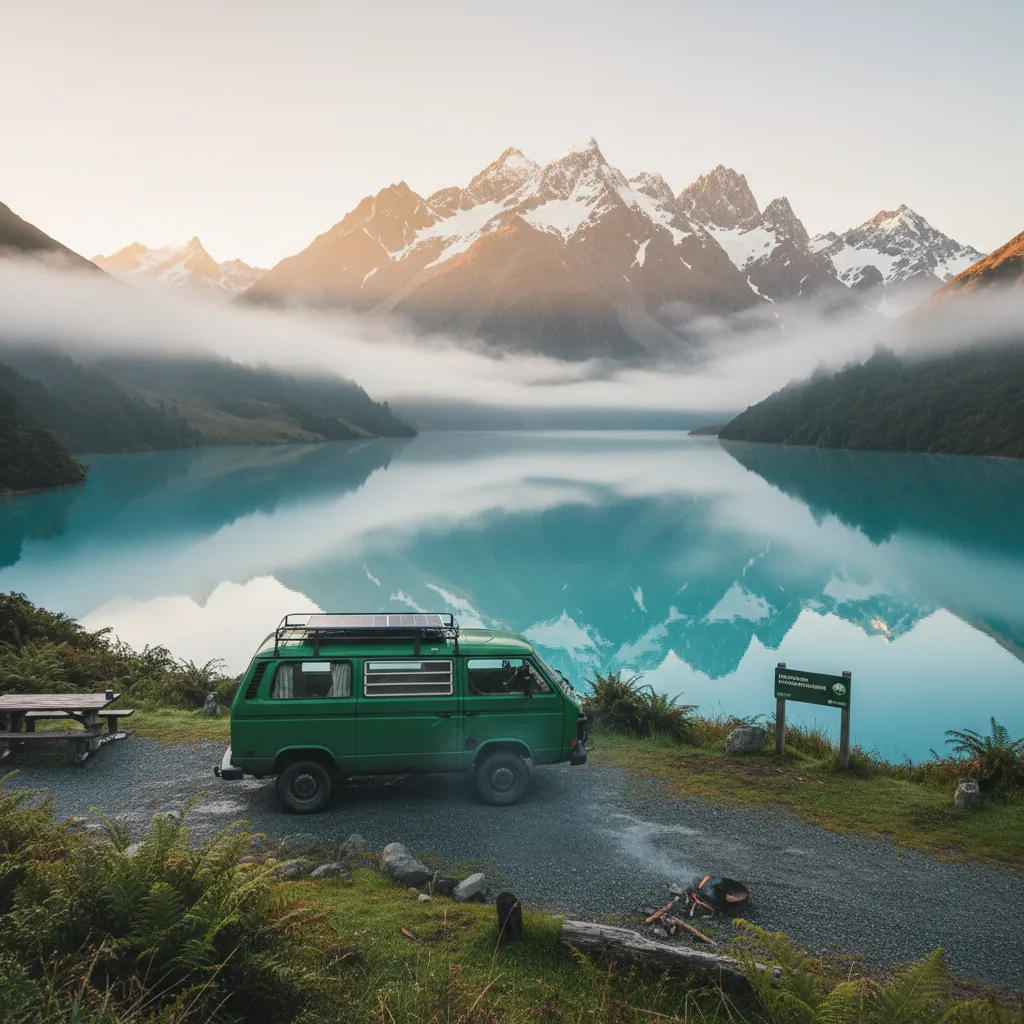
Freedom camping allows you to camp on public land that isn’t a recognized campsite. However, this is only permitted for certified self-contained vehicles. Recent legislative changes have made the criteria for “self-contained” much stricter, requiring fixed toilets rather than portable ones.
The Eco-Verdict: While freedom camping can be low-impact if done correctly, it puts pressure on public infrastructure. If you choose this route, you must have a “Green Warrant” (Self-Containment Certificate) and strictly adhere to “No Camping” signs. Fines are substantial ($400+ NZD).
The DOC Campsite Advantage
The Department of Conservation (DOC) manages over 200 campsites across the country. These are the gold standard for the independent eco-explorer.
- Conservation Funding: Your campsite fees go directly back into maintaining the parks and funding pest control programs.
- Location: DOC sites are often located in the most pristine environments where commercial developments are banned.
- Facilities: Ranging from “Basic” (long-drop toilets only) to “Serviced” (flush toilets, kitchens, hot showers), they offer a way to stay in nature with managed waste disposal.
For the true eco-tourist, DOC campsites are the superior choice as they centralize human impact and provide funds for environmental protection.
Where are the Best Dark Sky Locations?
New Zealand is a world leader in Dark Sky preservation, viewing the night sky as a natural heritage worth protecting from light pollution. Visiting these areas supports the local economy’s decision to minimize artificial lighting.
Aoraki Mackenzie International Dark Sky Reserve
Located in the South Island, this is the largest Dark Sky Reserve in the southern hemisphere. It encompasses Lake Tekapo, Twizel, and Mt Cook Village. The sheer lack of light pollution here allows for viewing the Aurora Australis (Southern Lights) during winter months and the Magellanic Clouds year-round.
Great Barrier Island (Aotea)
An International Dark Sky Sanctuary, Aotea is off the grid. There is no reticulated electricity on the island; residents use solar and wind. This makes it one of the darkest places on earth and a perfect destination for eco-travelers looking to disconnect.
Stewart Island (Rakiura)
Rakiura translates to “The Land of Glowing Skies.” As the southernmost populated island, it offers exceptional stargazing opportunities. The local community is deeply committed to preserving this status, making it a haven for both Kiwi birds and astronomers.
What Essential Gear is Required for NZ Weather?
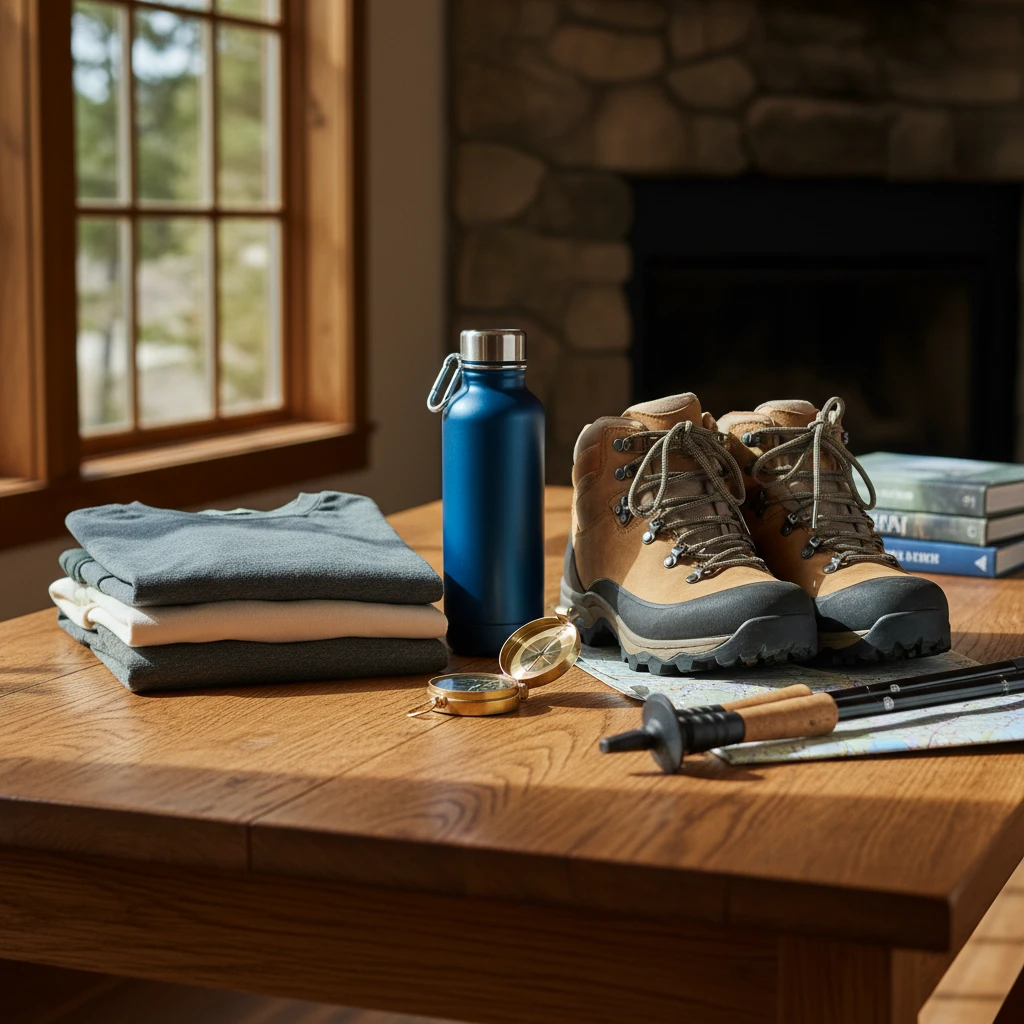
New Zealand is famous for having “four seasons in one day.” Being unprepared can lead to reliance on single-use items or emergency purchases that aren’t eco-friendly. A well-prepared eco-explorer brings durable, multi-purpose gear.
The Layering System
Avoid heavy cotton. Instead, opt for New Zealand Merino wool. It is sustainable, biodegradable, odor-resistant (requiring fewer washes), and regulates temperature even when wet.
- Base Layer: 200gsm Merino wool top and leggings.
- Mid Layer: Fleece or down jacket (ensure down is ethically sourced/RDS certified).
- Shell: A high-quality waterproof and windproof rain jacket is non-negotiable.
Biosecurity Compliant Footwear
To protect Kauri trees from the devastating dieback disease, you must have clean footwear. Hiking boots should have soles that are easy to scrub. You will encounter cleaning stations at the entrance to most tracks—use them religiously. Scrub every speck of soil off your boots before and after entering a forest.
How to Navigate NZ Responsibly?
Transport is likely the largest contributor to your carbon footprint while in New Zealand. However, options are improving rapidly.
Electric Campervans
Several companies now offer fully electric campervans. While range anxiety is a factor, New Zealand’s charging infrastructure (ChargeNet) is extensive, covering almost all major tourist routes. This is the ultimate way to road-trip with zero tailpipe emissions.
Cycling and Rail
For the fit traveler, the New Zealand Cycle Trail (Ngā Haerenga) covers thousands of kilometers. Combining cycling with the scenic train network (like the TranzAlpine) offers a low-carbon, high-immersion way to see the country.
Why is Biosecurity Critical for Eco-Tourists?
New Zealand’s isolation allowed ancient species to survive, but it also made them incredibly vulnerable to introduced pests and diseases. As an eco-guide to yourself, you must act as a biosecurity officer.
Didymo (Rock Snot): An invasive algae that chokes rivers. If you move between waterways (kayaking, fishing, swimming), you must Check, Clean, and Dry your gear.
Kauri Dieback: A microscopic pathogen that kills giant Kauri trees. It lives in soil. Stay on the track. Walking off-track in Kauri forests can spread the disease and kill trees that are thousands of years old.
People Also Ask
What is the Tiaki Promise in New Zealand?
The Tiaki Promise is a commitment to care for New Zealand. It asks travelers to act as guardians (kaitiaki), protecting nature, keeping NZ clean, driving carefully, and showing respect for local culture and communities. It is the foundational code of conduct for sustainable tourism in Aotearoa.
Do I need a certified self-contained vehicle to camp in New Zealand?
Yes, if you plan to freedom camp on public land. Recent law changes require vehicles to have a fixed, plumbed toilet to be certified as self-contained. If you do not have this certification, you must stay in designated campsites or holiday parks with facilities.
What is the best way to see Kiwi birds in the wild?
The best way to see Kiwi is on a guided tour in a sanctuary (like Zealandia or Kapiti Island) or at Stewart Island. If searching independently, use a red light torch (white light scares them), stay silent, and never touch the birds. Stewart Island offers the best chance of spotting them in the wild.
Can I drink tap water in New Zealand?
Yes, tap water is safe to drink in all cities and towns. However, water from rivers and lakes should be boiled or filtered to prevent Giardia. Using a reusable bottle and refilling from taps is a key way to reduce plastic waste during your trip.
How can I reduce my carbon footprint while traveling NZ?
You can reduce your footprint by renting an electric vehicle or camper, using public shuttles for hiking tracks, staying at DOC campsites, eating locally sourced food, and offsetting your flights. Choosing slow travel (staying longer in fewer places) also significantly reduces emissions.
Are drones allowed in New Zealand National Parks?
Generally, no. You must have a permit from the Department of Conservation to fly a drone on public conservation land. Unauthorized drone use disturbs wildlife (especially birds) and ruins the natural soundscape for other visitors. Fines apply for non-compliance.