An NZ wildlife calendar is a strategic seasonal guide detailing the migration, breeding, and feeding patterns of New Zealand’s indigenous species, such as Kiwi, Royal Albatross, and Hector’s Dolphins. It enables travelers to plan ethical wildlife encounters that align with conservation efforts, biosecurity protocols, and the principles of regenerative tourism.
The Importance of Seasonal Timing in Regenerative Tourism
New Zealand’s ecosystem is an isolated archipelago that evolved for millions of years without mammalian predators. This unique evolutionary history has created a biodiversity hotspot that is as fragile as it is spectacular. For the conscientious traveler, understanding the nz wildlife calendar is not merely about ticking species off a bucket list; it is about synchronizing your visit with the natural rhythms of the land to minimize stress on wildlife while maximizing the educational value of the encounter.
Regenerative tourism demands that we leave a place better than we found it. By adhering to a seasonal calendar, visitors can avoid sensitive breeding grounds during critical windows and focus their attention on species that are active and robust enough to handle human observation. This approach transforms a simple vacation into a conservation-aligned expedition.
Spring (September – November): The Season of Renewal
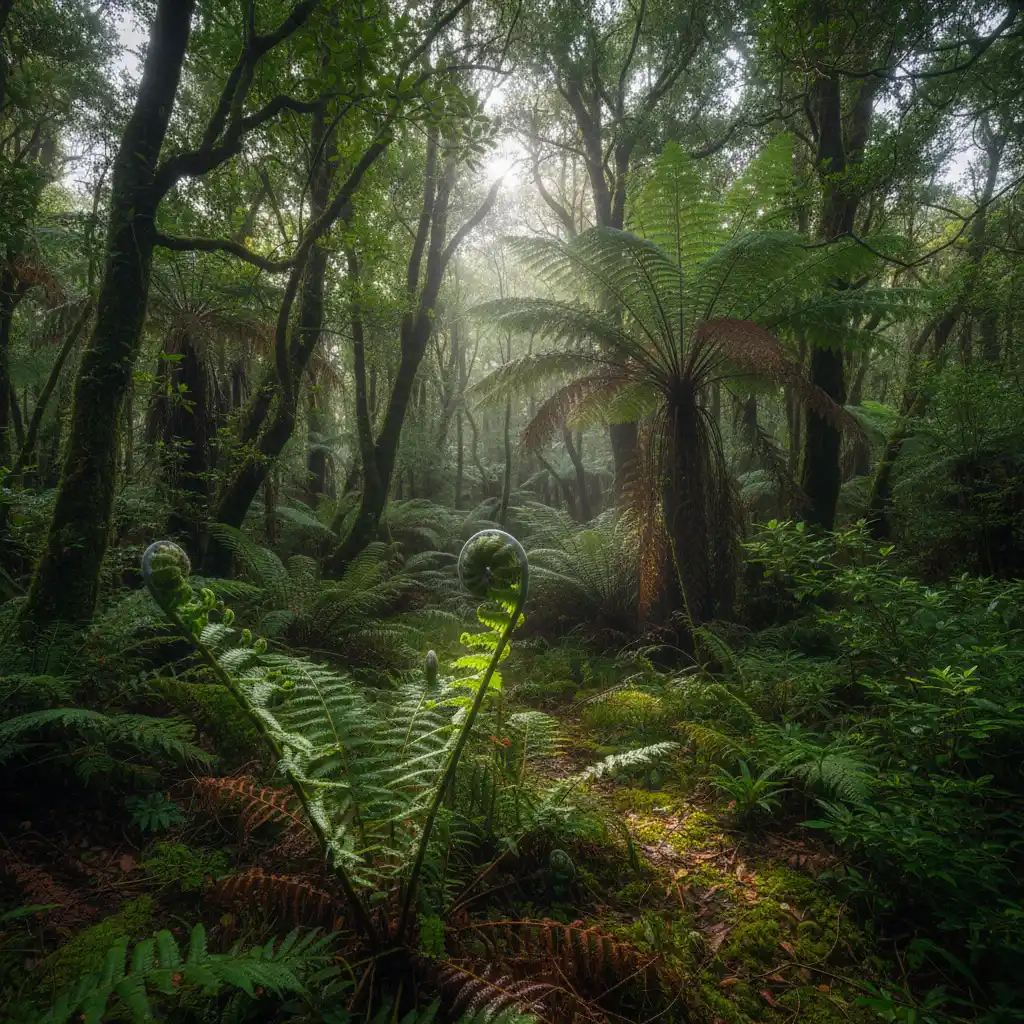
Spring in New Zealand is a cacophony of birdsong and activity. As temperatures rise, the forest floor and coastal colonies bustle with new life. This is a critical time for biosecurity awareness, as travelers moving between regions can inadvertently spread pests or seeds during this high-growth season.
Yellow-Eyed Penguins (Hoiho)
On the Otago Peninsula and the Catlins coast, the endangered Yellow-eyed Penguin begins its breeding cycle. While observation is possible, strict adherence to distance rules is paramount to prevent nest abandonment. Spring offers a glimpse of courtship behaviors that are rare and distinct.
Orca Migration
Spring is often the best time to spot Orca (Killer Whales) cruising close to the shorelines, particularly around Auckland, the Bay of Plenty, and Wellington. They venture into harbors hunting for stingrays, providing urban viewing opportunities that require zero carbon footprint to access.
Summer (December – February): Marine Encounters
The peak tourism season coincides with some of the most accessible wildlife viewing. However, the density of human activity means that adhering to the nz wildlife calendar requires extra vigilance regarding “Leave No Trace” principles.
Hector’s and Maui Dolphins
These are the world’s smallest and rarest marine dolphins. Found primarily around the South Island (Hector’s) and the West Coast of the North Island (Maui), they are most active near shore in summer. Tour operators strictly regulate boat speeds to protect these species, and swimming with them is highly regulated to ensure it does not disrupt their feeding.
Gannet Colonies
Cape Kidnappers in Hawke’s Bay hosts the world’s largest accessible mainland gannet colony. By summer, the chicks are hatching. The sight of thousands of golden-headed birds nesting is spectacular, but it emphasizes the need for controlled, guided access to prevent colony collapse.

Autumn (March – May): Migration and Transition
As the crowds disperse, nature begins its preparation for the colder months. Autumn offers a serene viewing experience and is often preferred by photographers seeking softer light and fewer disturbances.
Royal Albatross
At the Royal Albatross Centre in Dunedin, autumn is a time of high drama. The chicks, now fluffy and large, are preparing to fledge. Watching a bird with a three-meter wingspan take its first flight is a testament to the success of intensive conservation efforts.
Fur Seals (Kekeno)
Kekeno pups begin to find their independence in Autumn. You will find them playing in rock pools along the Kaikoura coast and Cape Palliser. While they look adorable and approachable, they are wild animals with sharp teeth. The rule of thumb is to stay at least 20 meters away and never get between a seal and the sea.
Winter (June – August): Giants of the Deep
Winter in New Zealand is crisp and dramatic. While many bird species retreat or hibernate, the ocean comes alive with giants.
Sperm Whales
Kaikoura is one of the few places globally where Sperm Whales are resident year-round, but winter provides crisp visibility and the backdrop of snow-capped mountains. This season is vital for the local economy, proving that wildlife conservation is economically sustainable.
Kea Interactions
In the alpine regions of the South Island, particularly around ski fields, the Kea (the world’s only alpine parrot) becomes very visible. They are highly intelligent and inquisitive. The “Don’t Feed the Kea” rule is critical here; human food harms their health and alters their natural foraging behaviors, leading to conflict and pest control issues.
The Tiaki Promise in Action
The Tiaki Promise is a commitment to care for New Zealand, for now and for future generations. It is the spiritual backbone of the nz wildlife calendar. Tiaki means to guard, preserve, foster, shelter, and protect. For a tourist, this translates into specific actions:
- Tread Lightly: Stay on formed tracks to protect kauri roots and fragile undergrowth.
- Respect Mana: Understand that many areas and species hold cultural significance to Māori.
- Be Prepared: Carry reusable water bottles and bags to ensure zero waste is left in nature.
When you align your travel with the Tiaki Promise, you move from being a consumer of tourism to a guardian of the destination.

Predator Free 2050 Goals
New Zealand has set an ambitious world-leading goal: to be Predator Free by 2050. This involves the total eradication of rats, stoats, and possums, which kill an estimated 25 million native birds every year.
How Tourists Contribute
International visitors play a role in this mission. Many regenerative tourism operators donate a percentage of fees to trapping lines. Furthermore, by visiting sanctuaries like Zealandia (Wellington) or Maungatautari (Waikato), your ticket price directly funds the exclusion fences that keep these predators out.
The Risk of Reintroduction
Visiting pest-free islands (like Tiritiri Matangi or Ulva Island) requires strict quarantine checks. A single stowaway mouse in a backpack can undo years of conservation work. Checking your gear for seeds, soil, and pests before boarding a ferry is one of the most important actions you can take.
Critical Biosecurity Protocols
Biosecurity is the first line of defense for New Zealand’s economy and environment. The threats are not just mammals, but microscopic pathogens.
Kauri Dieback Disease
Kauri Dieback is a soil-borne pathogen that kills the majestic Kauri trees. It is spread primarily by human footwear. The Rule: Scrub your shoes at every cleaning station, regardless of how clean you think they are. Stay off kauri roots. If a track is closed, it is closed to save a species from extinction.
Didymo (Rock Snot)
This invasive algae chokes waterways. The protocol for anyone engaging in freshwater activities (fishing, kayaking) is Check, Clean, Dry. Check gear for debris, clean it with detergent, and dry it completely before moving to a new waterway.
Wildlife Interaction Rules
To ensure the safety of both the wildlife and the observer, the Department of Conservation (DOC) has established clear guidelines. Violating these can result in hefty fines and stress to animals.
The 20-Meter Rule
For most marine mammals and birds, maintaining a distance of 20 meters is the minimum standard. For whales, boats must maintain greater distances (50m to 300m depending on the angle of approach).
Drones and Wildlife
Drones are generally prohibited near marine mammals and bird colonies. The noise frequency of drones can cause panic in colonies, leading to crushed eggs or separated calves. Always check local regulations before flying.
Flash Photography
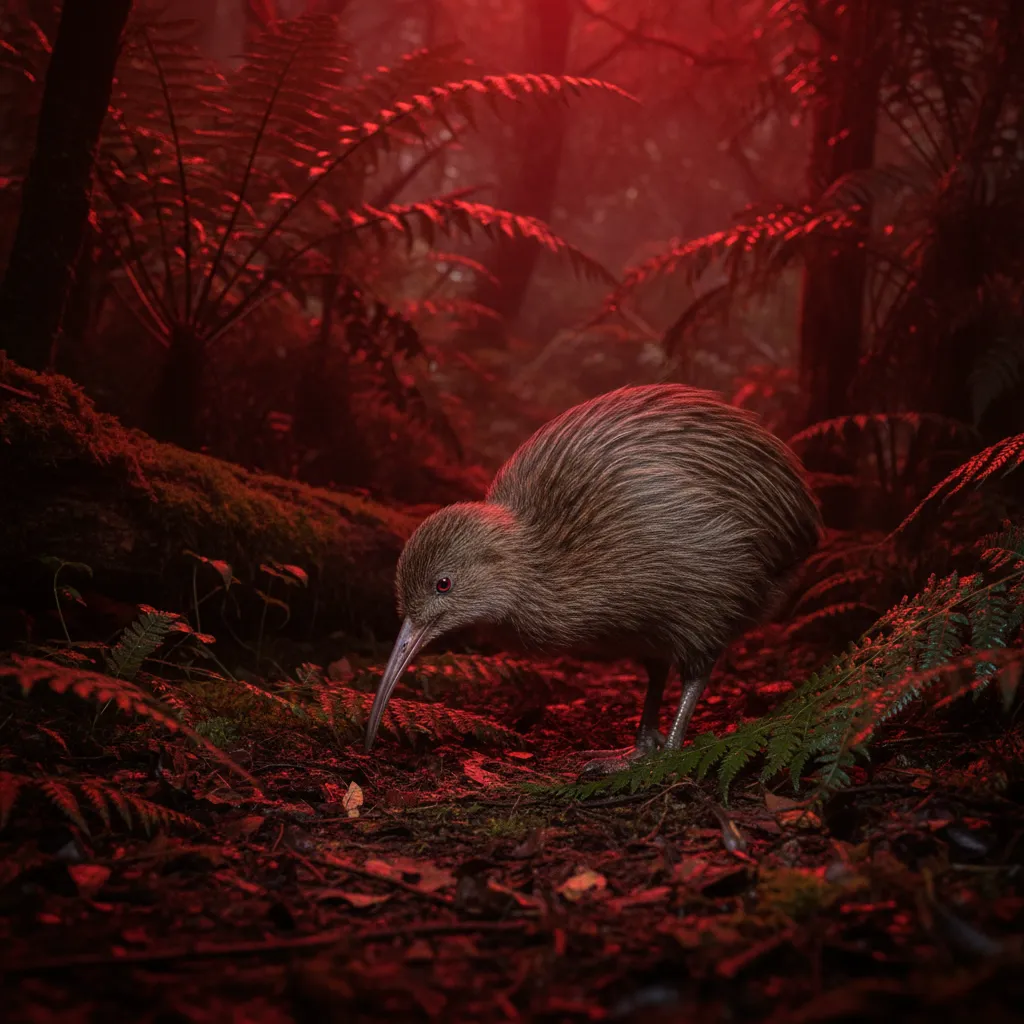
Never use flash photography on nocturnal animals like Kiwi or Morepork. Their eyes are highly sensitive, and bright lights can cause temporary blindness and severe distress.
People Also Ask
What is the best month to see wildlife in New Zealand?
The best month depends on the species. December to February (Summer) is best for dolphins and fur seals, while June to August (Winter) offers prime sperm whale viewing in Kaikoura. September to November (Spring) is ideal for birdlife and viewing newborn lambs.
Can you see Kiwi birds in the wild in New Zealand?
Yes, but they are nocturnal and elusive. The best chances are on Stewart Island/Rakiura, or at sanctuaries like Zealandia and Kapiti Island. Guided night tours significantly increase your chances of a sighting compared to unguided walking.
What are the rules for interacting with seals in NZ?
You must stay at least 20 meters away from seals. Do not get between a seal and the sea, as this is their escape route. Never touch or feed them, and keep dogs on a leash at all times near coastal areas.
Why does New Zealand have such strict biosecurity laws?
New Zealand’s ecosystem evolved in isolation, making its native flora and fauna highly vulnerable to introduced pests and diseases. Strict biosecurity prevents the entry of threats like fruit flies, foot-and-mouth disease, and invasive weeds that could devastate agriculture and biodiversity.
What is the Predator Free 2050 initiative?
Predator Free 2050 is a government-backed goal to eradicate the three most damaging introduced predators—rats, stoats, and possums—from New Zealand by the year 2050 to save native bird species from extinction.
How do I clean my boots for Kauri Dieback?
Use the provided cleaning stations at track entrances and exits. Scrub all soil off your footwear using the brushes, then spray with the disinfectant provided (usually SteriGENE). Ensure you spray the soles and sides thoroughly.