The best family wildlife encounters in NZ prioritize safety, accessibility, and conservation. Top ethical choices include observing fur seals at Cape Palliser, guided kiwi spotting at Zealandia Ecosanctuary, and regenerative farm stays like Blue Duck Station. These experiences offer safe viewing distances and educational value, ensuring families contribute to the preservation of New Zealand’s unique biodiversity.
New Zealand is often marketed as the ultimate playground for nature lovers, but for families traveling with children, navigating the line between an exciting encounter and a stressful—or potentially unsafe—situation is critical. The country’s shift toward regenerative tourism means that the best family wildlife encounters NZ has to offer are no longer just about snapping a photo; they are about engaging with the environment in a way that leaves it better than you found it. From the rugged coastlines of the South Island to the protected sanctuaries of the North, this guide curates the safest, most ethical, and commercially reputable wildlife experiences for your family.
Where to See Seals Safely: Kaikoura vs. Cape Palliser
New Zealand Fur Seals (Kekeno) are the most common marine mammals you will encounter, but they are also the most frequently misunderstood. For families, the goal is to find a location that offers high visibility without requiring dangerous cliff walks or encroaching on the animals’ personal space.
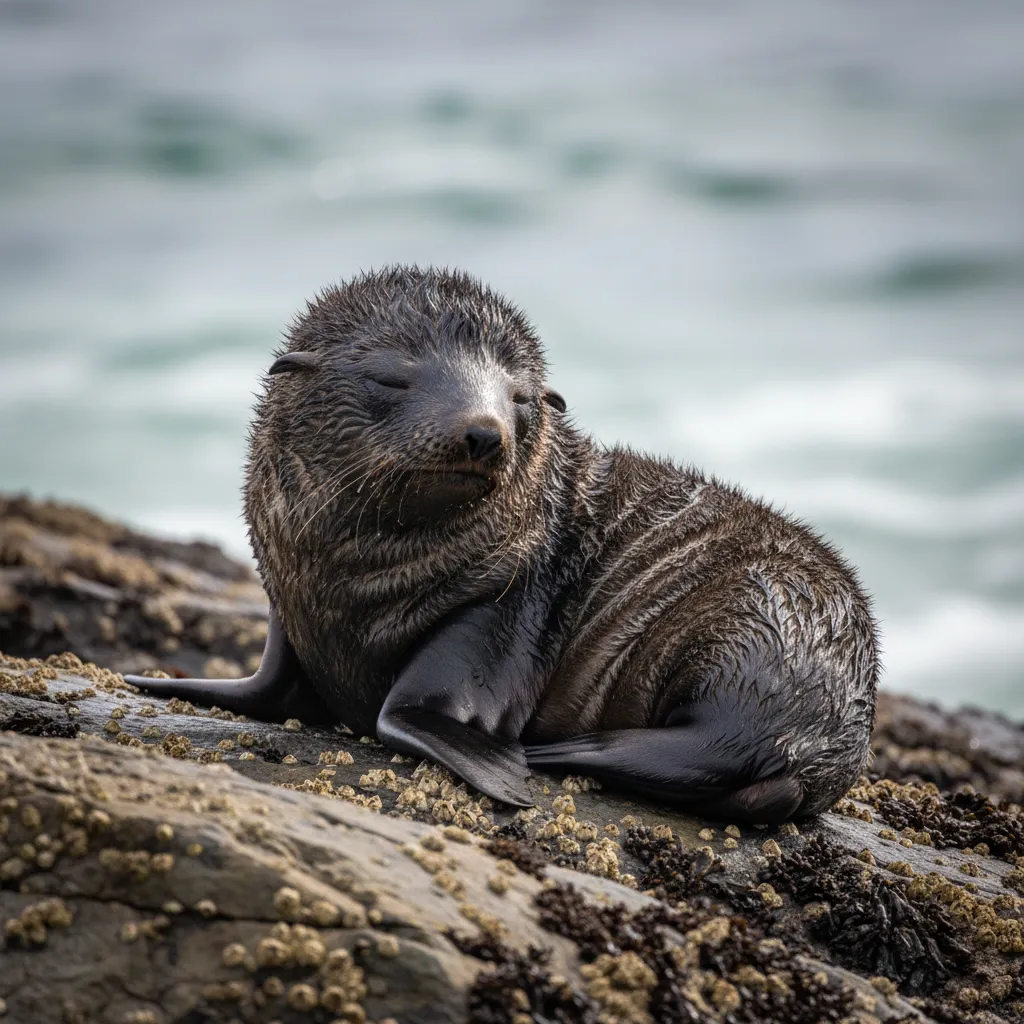
Kaikoura: The Accessible Peninsula
Kaikoura is world-renowned for its marine life. The Point Kean Seal Colony is easily accessible by car, with a car park located right next to the colony. This makes it an attractive option for families with toddlers or those with limited mobility.
However, the ease of access brings challenges. The seals here are often found lying directly in the car park or on the footpaths. While this seems exciting, it poses a safety risk for small children who may not understand that these are wild predators with sharp teeth. The sheer volume of tourists can also make it difficult to maintain the Department of Conservation (DOC) recommended 20-meter distance.
Verdict for Families: Great for a quick stop, but requires hyper-vigilance with active children. Use the upper viewing platforms for a safer perspective.
Cape Palliser: The Nursery Experience
Located at the southernmost tip of the North Island, roughly two hours from Wellington, Cape Palliser offers a more rugged, but ultimately more rewarding experience for families. This area is home to the North Island’s largest seal colony.
The highlight here is the seasonal nursery pools. If you visit between November and January, you can often see pups playing in the sheltered rock pools while the mothers hunt at sea. Because the terrain is rocky and spread out, it is easier to find a perch at a safe distance to sit and watch the animals behave naturally without the crowding found in Kaikoura.
Verdict for Families: The superior choice for an immersive, ethical encounter. The drive is long, but the lack of crowds allows for a teachable moment about wildlife observation rather than just a photo opportunity.
The Kiwi Dilemma: Nocturnal Houses vs. Wild Spotting
Seeing a Kiwi is high on every traveler’s bucket list. However, because the national bird is nocturnal, shy, and endangered, seeing one in the wild is notoriously difficult and can be trying for young children.
Wild Spotting: Stewart Island (Rakiura)
Stewart Island offers the best chance of seeing Kiwi in the wild, specifically the Rakiura Tokoeka, which is sometimes active during the day. Guided tours to Ocean Beach or near the airfield are popular. However, these tours often happen late at night (past 10 PM in summer), require absolute silence, and involve standing still in the cold for long periods.
Pros: Authentic, wild experience.
Cons: High chance of failure; difficult for children under 10; late nights disrupt sleep schedules.
Kiwi Houses and Hatcheries: The Ethical Alternative
For families, visiting a conservation-focused facility is often the better route. Modern facilities are no longer just “zoos”; they are active research and breeding centers contributing to the “Operation Nest Egg” program.
- The National Kiwi Hatchery (Rotorua): Here, families can see the incubation and hatching process. It is educational, indoors (weather-proof), and guarantees a sighting. Your entry fee directly funds the conservation work.
- Willowbank Wildlife Reserve (Christchurch): Offers a nocturnal house where you are guaranteed to see Kiwi foraging without glass barriers (though distinct pathways exist). This allows kids to hear the bird’s heavy footsteps and sniffing sounds, providing a sensory experience that glass enclosures miss.
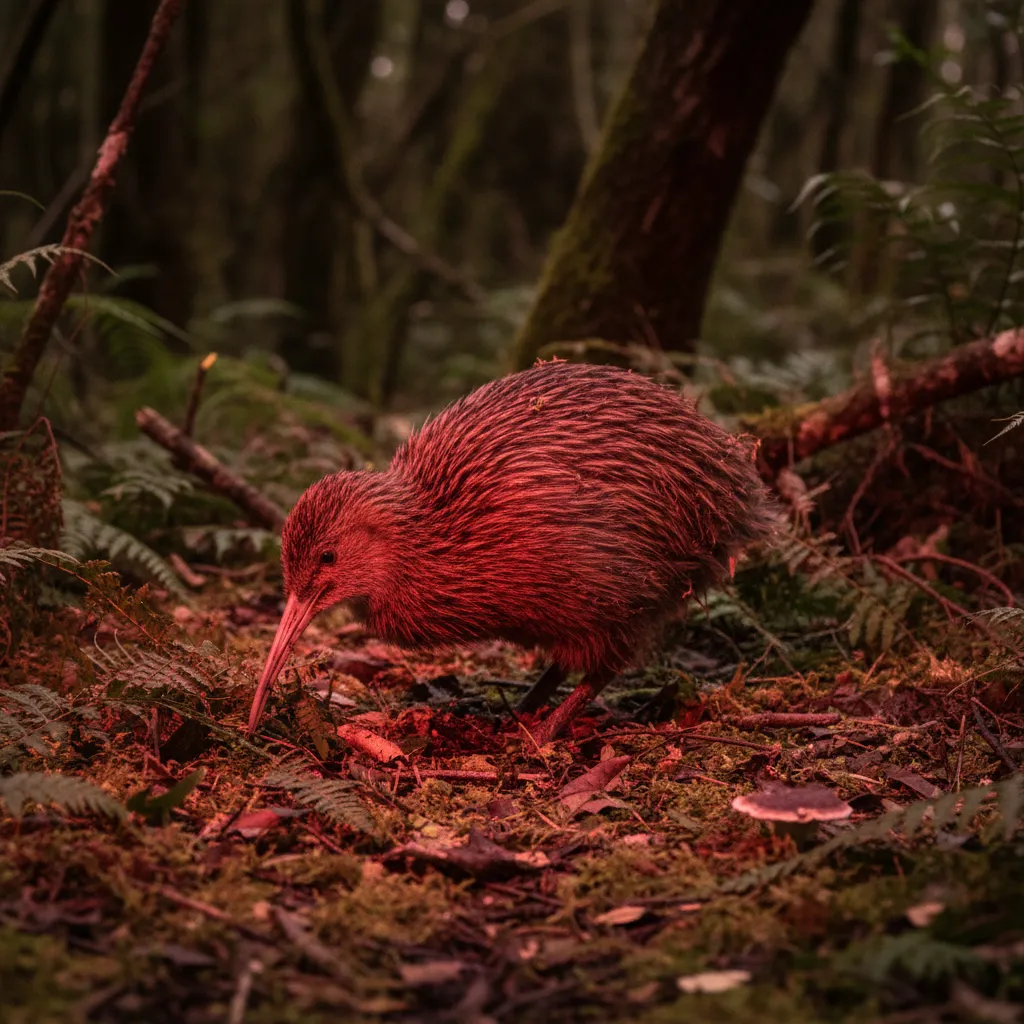
Recommendation: Choose the Hatchery or Willowbank. The educational value for children—learning about introduced predators and the lifecycle of the egg—far outweighs the bragging rights of a fleeting wild sighting that might result in a tired, grumpy family.
Marine Giants: Ethical Whale and Dolphin Watching
New Zealand’s waters are teeming with cetaceans, but interactions with them are strictly regulated to protect the animals from stress. When looking for the best family wildlife encounters NZ provides in the marine sector, look for operators with the “Smart Operator” commercial permit from DOC.
Whale Watch Kaikoura
This is the gold standard for whale watching. The company is owned by the indigenous Ngāti Kurī people, and their approach is deeply rooted in Kaitiakitanga (guardianship). The boats are designed to minimize underwater noise.
Family Tip: The ocean here is open and can be rough. If your children suffer from motion sickness, this trip can become a nightmare. Pre-medicate or choose a flight option. Flights offer a better perspective of the whale’s size relative to the boat, which is fascinating for kids.
Dolphin Encounters: Watching vs. Swimming
In recent years, the regulations regarding swimming with dolphins have tightened significantly, particularly in the Bay of Islands, to allow the Bottlenose Dolphin population to rest. For families, a boat-based viewing tour is often superior to a swim tour.
Swimming requires a high level of water confidence, dealing with cold water (wetsuits are provided but it is still chilly), and long periods waiting in the water. Viewing from the deck allows the whole family to see the dolphins riding the bow wave, jumping, and socializing, often accompanied by expert commentary that engages children.
Regenerative Farm Stays with an Eco-Focus
New Zealand is famous for its sheep, but the modern farm stay has evolved. The best family wildlife encounters now occur on properties that are actively retiring land for conservation.
Blue Duck Station (Whakahoro)
Located on the banks of the Whanganui River and Retaruke River, Blue Duck Station is a working station with a massive conservation mission: to save the Whio (Blue Duck). This is regenerative tourism at its peak.
Families can participate in:
- Predator Control: Learning why trapping rats and stoats is essential for saving native birds.
- Kayaking: Paddling down the river to spot the elusive Whio.
- 4WD Bush Safaris: Exploring the rugged terrain while learning about sustainable farming practices.
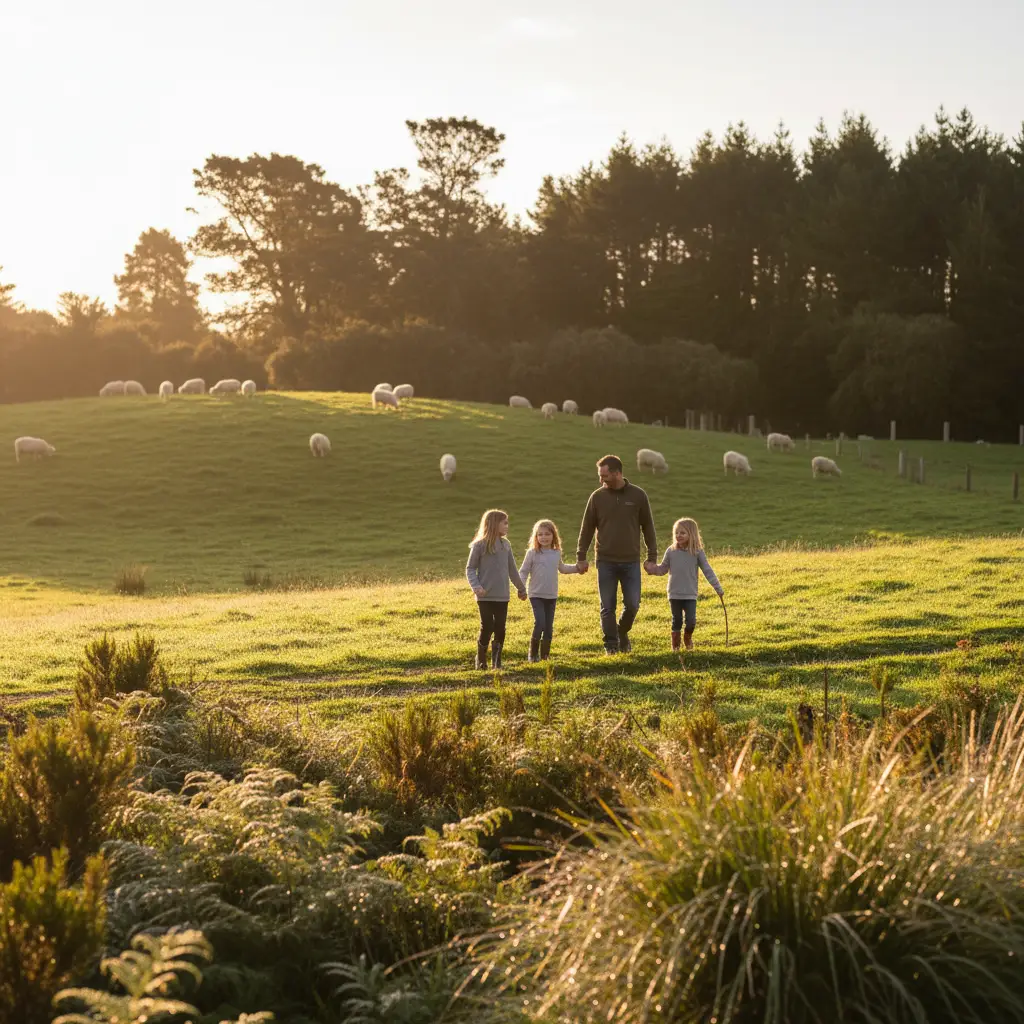
Unlike a petting zoo, this immerses children in the reality of the ecosystem. They learn that farm animals and wildlife can coexist if the land is managed responsibly.
The “Jurassic Park” Experience: Predator-Free Sanctuaries
If you want to show your children what New Zealand looked like before humans arrived, you must visit a fenced eco-sanctuary. These are mainland islands where a predator-proof fence keeps out pests, allowing rare birds to thrive.
Zealandia (Wellington)
Zealandia is the world’s first fully-fenced urban ecosanctuary. For families, it is incredibly accessible (stroller friendly in the lower valley). Here, you can see Takahē (a bird once thought extinct), Kākā (bush parrots), and Tuatara (ancient reptiles) in the wild.
The density of wildlife here means kids don’t have to be patient for hours. The Kākā are boisterous and fly low over the paths, providing immediate gratification for short attention spans.
Tiritiri Matangi (Auckland)
An island sanctuary accessible by ferry from downtown Auckland. This is an open sanctuary—there are no cages. Birds here are so safe they often walk right across your boots. It is one of the few places where you might see a Kōkako or a Tīeke (Saddleback) up close.
Family Tip: Bring good walking shoes and a packed lunch (in a sealed container to prevent pests). The guided walks are fantastic, with volunteers who know exactly where the birds are nesting.
Ethical Guidelines: Teaching Kids to Respect Wildlife
The most valuable souvenir a child can take from New Zealand is the concept of Kaitiakitanga—guardianship of the land. To ensure your encounters are safe and ethical, follow these guidelines known as the Tiaki Promise.
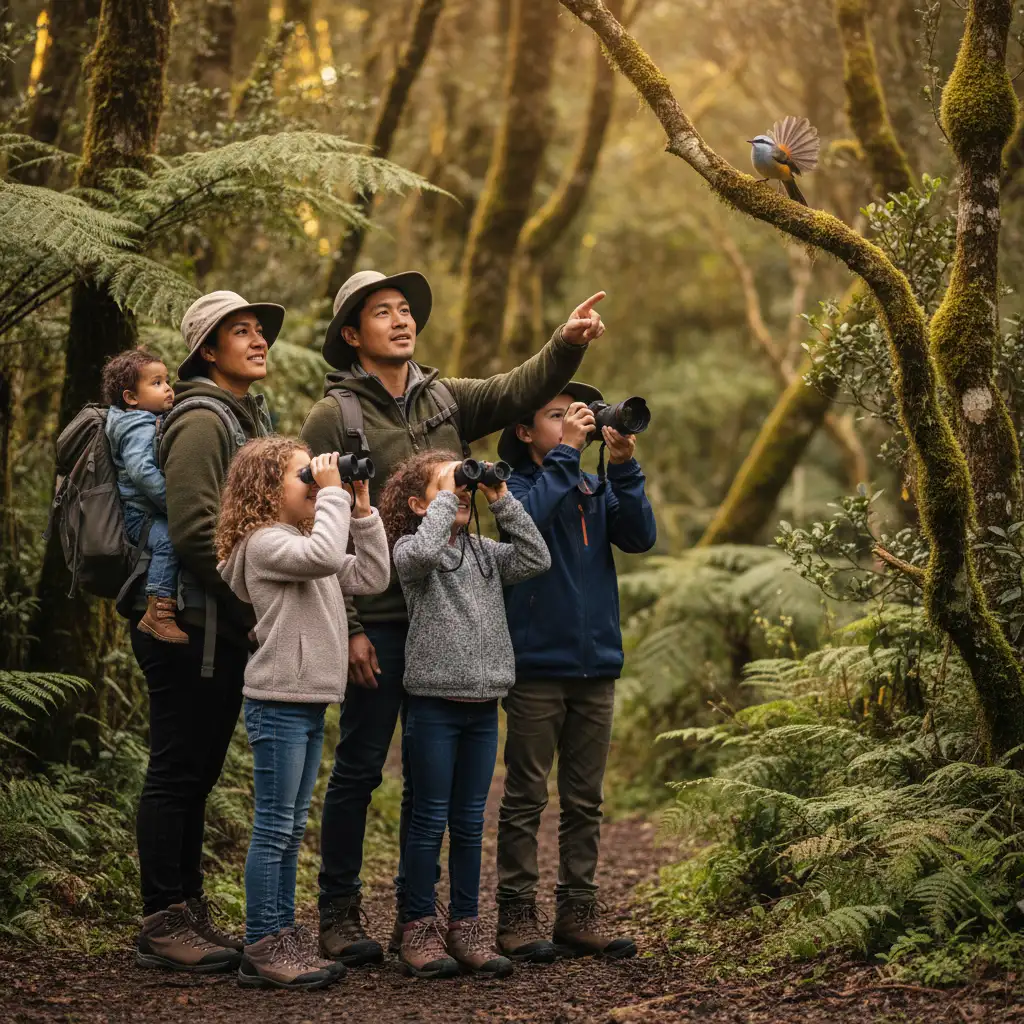
The 20-Meter Rule
Teach children the “Thumb Rule.” If they hold their thumb up at arm’s length and it doesn’t cover the animal, they are too close. This is particularly vital for seals and sea lions. Getting between a seal and the water is dangerous, as that is their escape route.
No Feeding
Feeding wildlife (like Kea or Kākā) makes them sick and changes their behavior, often leading to them becoming pests and subsequently being put down. Explain to children that “human food is junk food for birds.”
Stay on the Path
New Zealand’s native bush is fragile. Ground-nesting birds like Penguins and Dotterels are easily crushed. Staying on marked tracks protects the unseen homes of these creatures.
Flash Photography
Turn it off. Nocturnal animals like Kiwi have sensitive eyes. A camera flash can blind them temporarily and cause severe stress. Encourage kids to enjoy the moment with their eyes rather than through a screen.
By choosing these operators and adhering to these rules, your family trip becomes a contribution to the survival of these species, ensuring they remain for the next generation to enjoy.
People Also Ask
What is the best time of year to see whales in New Zealand?
Kaikoura offers year-round whale watching for resident Sperm Whales. However, if you want to see migratory species like Humpback Whales, the best time is winter, specifically June and July. Orca can be seen sporadically throughout the summer months (December to March).
Are Kiwi houses cruel to the birds?
No, accredited Kiwi houses in New Zealand are vital conservation hubs. They operate under strict Department of Conservation permits. The birds are often part of breeding programs, and the lighting cycles are managed to ensure the birds get adequate rest. Your entry fee supports their survival.
Can children swim with dolphins in New Zealand?
While some operators still offer swimming, regulations have tightened to protect the dolphins. For children, it is generally not recommended unless they are strong swimmers and comfortable in deep, cold ocean water. Watching from the boat is often a more enjoyable and ethical experience for families.
Is it safe to touch seals in New Zealand?
Absolutely not. New Zealand Fur Seals are wild animals with sharp teeth and carry bacteria that can cause serious infections (known as “seal finger”). They can move surprisingly fast on land. Always maintain a distance of at least 20 meters.
How much do family wildlife tours cost in NZ?
Costs vary significantly. Free experiences include seal spotting at Cape Palliser or bird watching at public parks. Paid sanctuaries like Zealandia cost around $24 NZD for adults (kids often free or discounted). High-end marine tours like Whale Watch Kaikoura can cost $150+ per adult and $60+ per child.
Which island is best for bird watching in NZ?
Tiritiri Matangi (near Auckland) and Ulva Island (near Stewart Island) are widely considered the best predator-free islands for bird watching. Both offer high densities of rare birds that are comfortable around humans, making them ideal for families.