The Royal Albatross Centre in Dunedin is the world’s only mainland breeding colony for Northern Royal Albatross, located at the tip of the Otago Peninsula at Taiaroa Head. This eco-tourism destination offers guided tours where visitors can observe these majestic seabirds with three-meter wingspans from an exclusive observatory, alongside exploring historic Fort Taiaroa.
Visiting the Royal Albatross Centre Dunedin is a bucket-list experience for wildlife enthusiasts and eco-tourists alike. Situated 50 minutes from Dunedin’s city centre, this reserve provides a rare opportunity to witness the entire breeding cycle of the Northern Royal Albatross without needing to travel to remote sub-Antarctic islands. Whether you are looking to book a tour, understand the best weather for viewing, or learn about the conservation efforts protecting these giants of the sky, this comprehensive guide covers everything you need to know.
What Tour Options Are Available at the Royal Albatross Centre?
To access the breeding colony and the observatory, you must book a guided tour. The Royal Albatross Centre Dunedin operates as a charitable trust, and ticket proceeds directly fund the conservation of the birds and the maintenance of the historic site. Access to the nature reserve is strictly controlled to minimize human impact on the nesting birds.
Royal Albatross Classic Tour
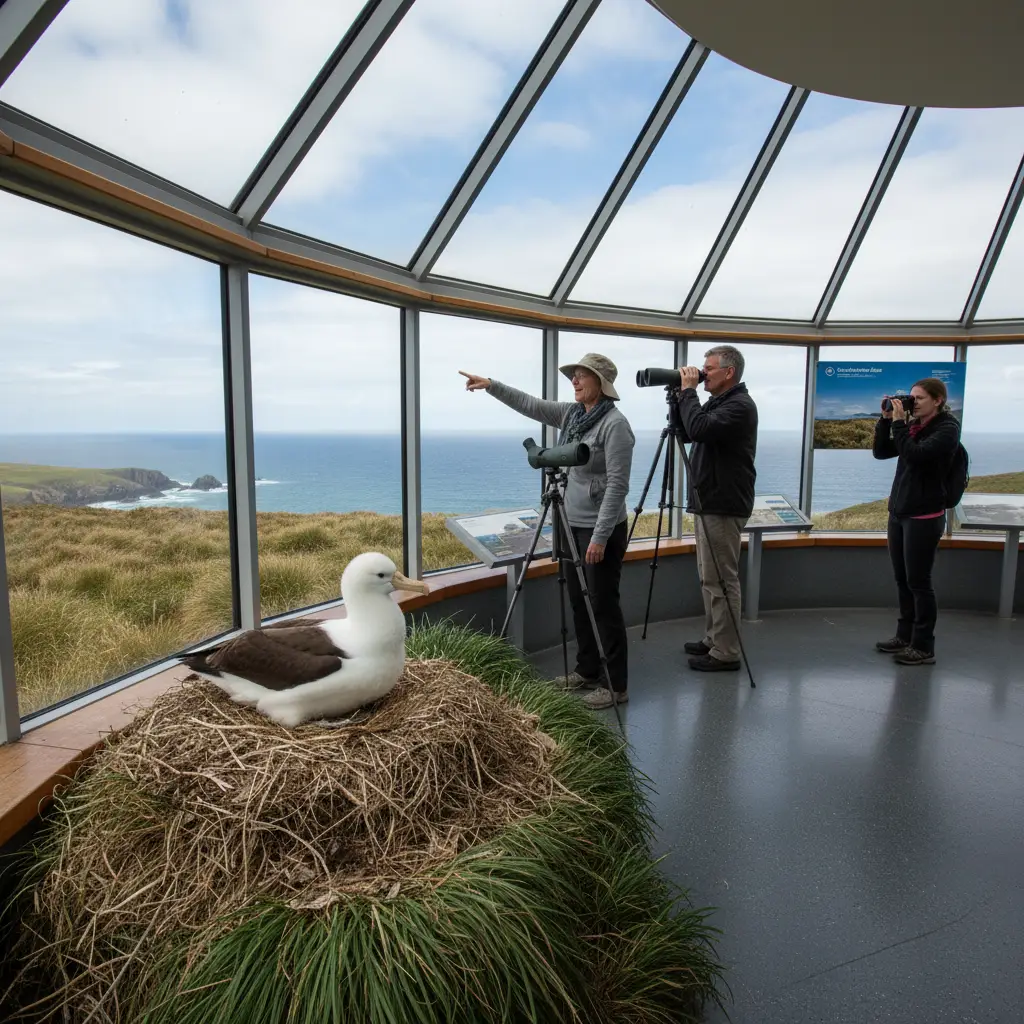
This is the most popular option for visitors strictly interested in the birds. The tour typically lasts 60 minutes and includes a short presentation on the biology and history of the albatross followed by a guided walk up to the glass-walled observatory. From here, you can watch parents incubating eggs, feeding chicks, or adolescents practicing their flight skills, depending on the season.
Unique Taiaroa Tour
For a comprehensive experience, the Unique Taiaroa tour combines wildlife viewing with military history. Lasting approximately 90 minutes, this package includes the Albatross Classic tour elements but adds a guided exploration of the underground tunnels of Fort Taiaroa. You will see the fully restored 1886 Armstrong Disappearing Gun, the only one of its kind in the world still in working order.
Express Tours
During peak summer seasons, shorter 30-minute express tours may be available. These are designed for travelers on a tight schedule who want a quick glimpse of the colony from the viewing deck without the full educational presentation.
Pro Tip for Booking: Tours at the Royal Albatross Centre Dunedin frequently sell out, especially between December and March. It is highly recommended to book online at least two weeks in advance. Prices generally range from $50 to $75 NZD per adult depending on the tour package chosen.
When is the Best Time to Visit for Albatross Viewing?
The activity level of the albatross is heavily dictated by wind and season. Understanding these factors is crucial for maximizing your chances of seeing the birds in flight.
Why is Wind Important?
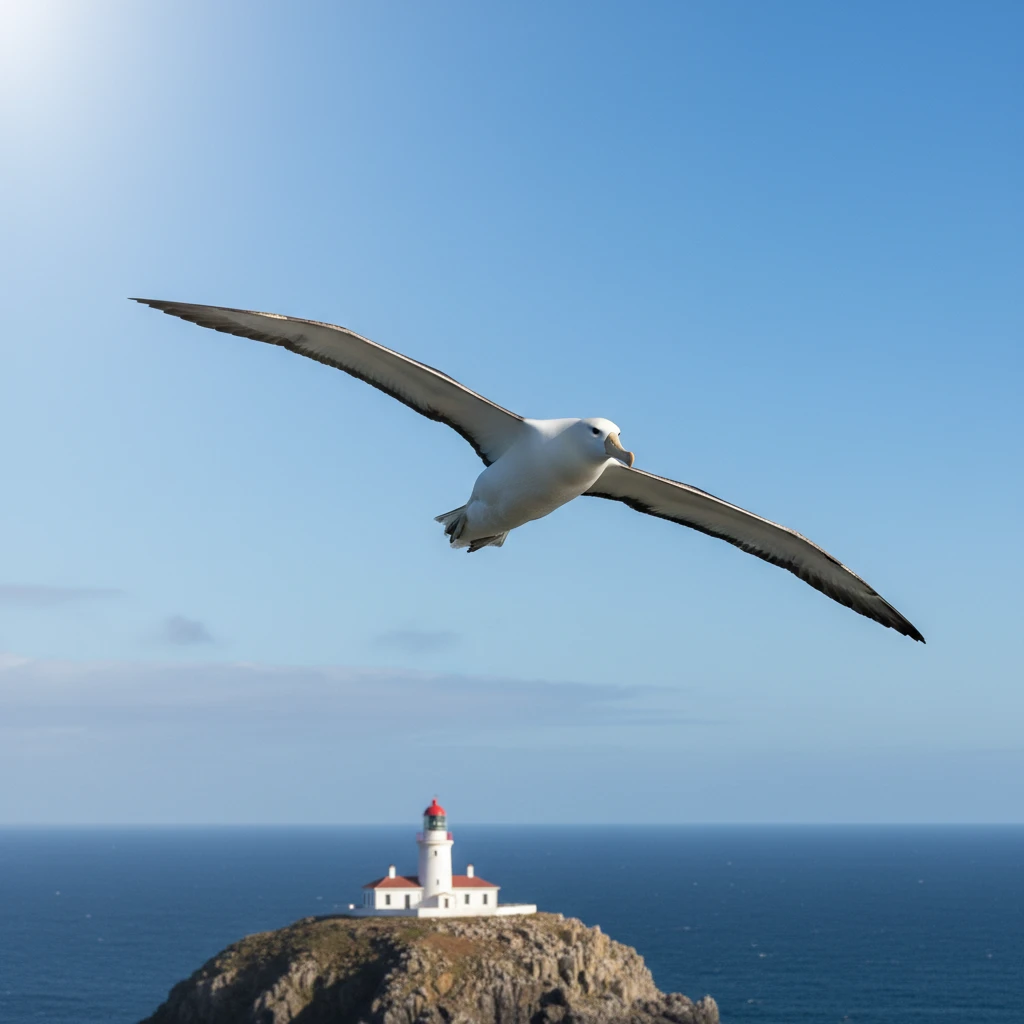
Royal Albatrosses are masters of dynamic soaring. Their massive wingspan, which can reach up to 3 meters (9.8 feet), makes flapping energy-intensive. They rely on strong ocean winds to generate lift. On calm, still days, adult birds may remain grounded or stay out at sea resting on the water. For the most dramatic viewing experience, visit on a day with moderate to strong winds, as this is when the adults are most active, swooping over the headland and banking sharply in the updrafts.
Seasonal Highlights
The colony is active year-round, but what you see changes significantly depending on the month:
- September – November: Adults arrive to court, build nests, and lay eggs. This is a period of high social interaction and aerial displays.
- December – January: Incubation period. Birds sit quietly on nests. You will see one parent on the nest while the other forages at sea.
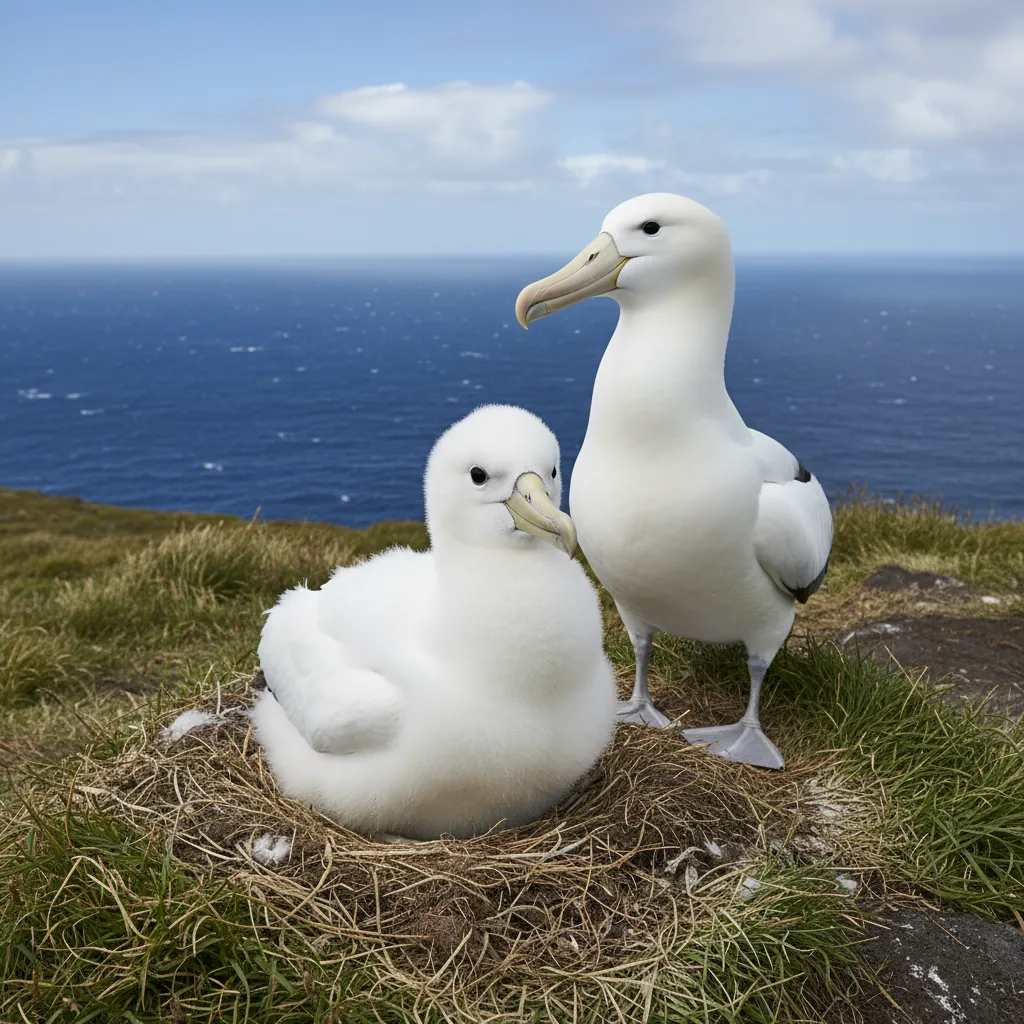
- February – March: Chicks hatch. This is a very popular time as the fluffy white chicks are visible, and parents rotate frequently to feed them.
- April – August: The “Royal Cam” stars grow rapidly. The chicks become large, downy adolescents. During late winter, you may see them exercising their wings in the wind (wing flapping) before they eventually fledge.
The Breeding Cycle: Egg to Fledging
The Northern Royal Albatross has one of the longest breeding cycles of any seabird, lasting nearly an entire year. Because the cycle is so demanding, successful parents only breed every two years.
Incubation and Guard Stage
Once the single egg is laid in November, both parents share incubation duties in shifts that can last from two to eight days. The incubation period is approximately 80 days. After hatching, the chick is vulnerable to predators (like stoats and ferrets) and harsh weather. For the first 30 to 40 days, a parent guards the chick constantly. This is known as the “guard stage.”
Post-Guard Stage and Fledging
Once the chick is large enough to defend itself and regulate its body temperature, the parents leave it alone at the nest, returning only to feed it rich, oily regurgitated squid and fish. This allows the chick to gain weight rapidly, often becoming heavier than the adults. By September of the following year, the chick is ready to fledge. Once they take their first flight, they will spend the next 4 to 5 years at sea without touching land, circumnavigating the globe multiple times before returning to Taiaroa Head to find a mate.
The History of Taiaroa Head and Fort Taiaroa
While the birds are the primary attraction, the location itself is steeped in significance. Taiaroa Head, known to Māori as Pukekura, was a significant pā (fortified village) for the Ngāi Tahu people. It provided a strategic vantage point over the harbor entrance and abundant food resources.
In the late 19th century, fearing a Russian invasion, the New Zealand government established Fort Taiaroa. Military tunnels were dug into the headland, and the famous Armstrong Disappearing Gun was installed. This engineering marvel was designed to pop up, fire, and recoil underground to reload, making it invisible to enemy ships. The Royal Albatross Centre Dunedin manages tours of these fortifications, offering a fascinating contrast between military history and natural conservation.
How to Get to Taiaroa Head from Dunedin
The journey to the Royal Albatross Centre is an attraction in itself. The centre is located at the very end of the Otago Peninsula, approximately 32 kilometers (20 miles) from downtown Dunedin.
The Scenic Drive
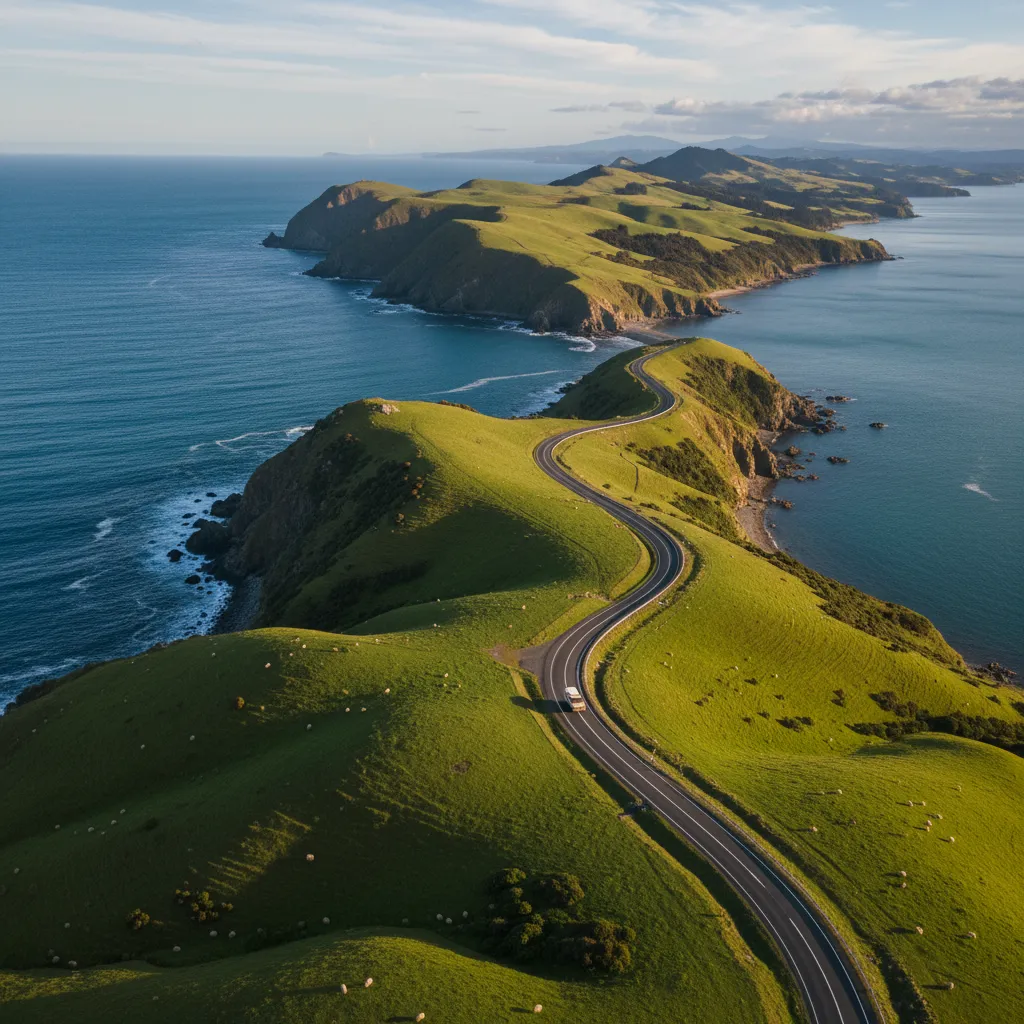
Driving is the most common way to reach the centre. The route follows Portobello Road, a winding coastal road that hugs the harbor’s edge. The drive takes approximately 50 to 60 minutes without stops, but you should allow extra time for photography. The road is narrow and winding, requiring careful attention, but offers stunning views of the harbor and rolling green hills.
Public Transport and Shuttles
There is no direct public city bus that goes all the way to the Albatross Centre. The public bus ends at Portobello, which is still several kilometers away. However, several private eco-tour operators offer shuttle services or full-day tours that include transport from the Dunedin i-SITE visitor centre. Examples include Monarch Wildlife Cruises, which offers a boat-and-bus combo, allowing you to see the albatross from the water before docking at Taiaroa Head.
Conservation Efforts and Sustainability
The existence of the colony at Taiaroa Head is a testament to intensive human management. In the early 20th century, the birds were decimated by introduced predators and human interference. The first chick successfully fledged in 1938, thanks to the protection efforts of Dr. Lance Richdale.
Predator Control
Today, the Department of Conservation (DOC) and the Royal Albatross Centre staff work tirelessly to maintain a predator-free environment. Traps are set for stoats, ferrets, and feral cats that would otherwise eat the eggs and chicks. During hot summers, rangers even utilize an irrigation system to cool the nesting birds, preventing them from suffering heat exhaustion.
Your visit supports these efforts. By choosing to visit the Royal Albatross Centre Dunedin, you are contributing to the “people for nature” model, ensuring that future generations can witness these incredible voyagers returning home.
People Also Ask (PAA)
How much does it cost to see the Albatross in Dunedin?
Entry to the Royal Albatross Centre foyer, café, and gallery is free. However, viewing the albatross requires a paid guided tour. Tours generally range from $50 to $75 NZD for adults, with discounts available for children and families. Prices are subject to change, so checking the official website is recommended.
What is the best time of day to visit the Royal Albatross Centre?
The best time of day is often late afternoon. The winds tend to pick up later in the day, encouraging adult birds to fly. Additionally, seeing the sunset over the Otago Peninsula from the headland provides a spectacular backdrop for your visit.
Can you see albatross without a tour at Taiaroa Head?
While you might get lucky and see an albatross flying overhead from the car park or the public viewing platform near the pilots’ beach, the chances are slim compared to the paid tour. The observatory is positioned directly in front of the nesting sites, guaranteeing a view of the birds on the ground, and offering the best vantage point for flight.
How long is the drive from Dunedin to the Albatross Centre?
The drive from Dunedin city centre to Taiaroa Head takes approximately 50 to 60 minutes. The road is scenic but narrow and winding, so drivers should exercise caution. During peak tourist season, allow extra time for traffic and stops along the Otago Peninsula.
Are the albatrosses there all year round?
Yes, the Royal Albatross Centre is open year-round, and albatrosses are present throughout the year. However, the activity varies. September to November is breeding and egg-laying, while hatching occurs in January and February. The only time you might see fewer birds is immediately after fledging (September) before the new breeders arrive, but usually, there is overlap.
Is the Royal Albatross Centre wheelchair accessible?
Yes, the Royal Albatross Centre is largely wheelchair accessible. There is reserved parking, and the main center has elevator access. The path to the albatross observatory is paved and accessible, although assistance may be required on some steeper gradients. Dedicated transport carts are often available for those with limited mobility upon request.