While New Zealand does not utilize the specific title “Junior Ranger” found in North America, the Toyota Kiwi Guardians program run by the Department of Conservation (DOC) is the direct equivalent. This national initiative encourages children to explore designated nature sites, complete conservation actions, and earn physical medals, serving as the country’s premier environmental education experience for young explorers.
What is the NZ Equivalent of a Junior Ranger Program?
For families visiting New Zealand seeking an educational and environmentally conscious travel experience, the concept of a “Junior Ranger” program is highly sought after. In the United States and Canada, these programs are staples of the National Park Service. In New Zealand, the ethos of environmental stewardship (kaitiakitanga) is embedded in the culture, and the primary vehicle for youth engagement is the Toyota Kiwi Guardians program.
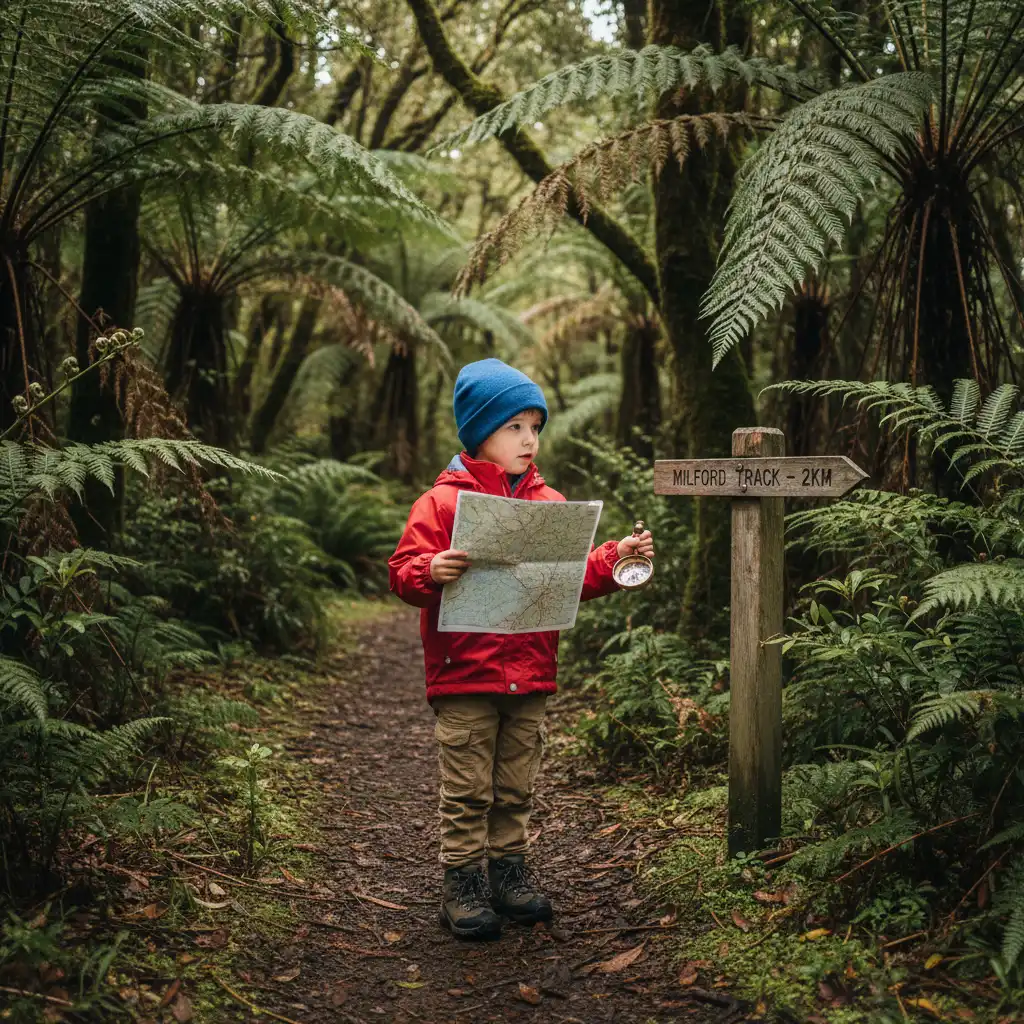
This partnership between the Department of Conservation (DOC) and Toyota New Zealand is designed to get Kiwi kids and visiting families into the great outdoors. Unlike a singular workbook handed out at a ranger station, this program is a nationwide adventure hunt that combines physical exploration with backyard conservation actions. It transforms a standard hike into a mission, providing a structured way for children to engage with New Zealand’s unique biodiversity.
DOC Toyota Kiwi Guardians Program Explained
The Toyota Kiwi Guardians program is the cornerstone of youth conservation activities in New Zealand. It is meticulously designed to foster a lifelong love for nature through a gamified system of rewards. Understanding how to navigate this program is essential for families wanting to integrate education into their New Zealand itinerary.
How the Adventure Sites Work
The program highlights over 100 specific “Adventure Sites” across New Zealand. These are generally family-friendly walking tracks, ranging from 30 minutes to 2 hours in duration, located on public conservation land. Each site is chosen for its accessibility and specific natural features, whether that be towering Kauri trees, coastal ecosystems, or wetlands.
At each Adventure Site, there is a specific Guardian Post—a wooden post with a unique code word attached to it. The objective for the “Junior Ranger” is to locate this post. Once found, families note down the code word. Upon returning to civilization and internet connectivity, you visit the Toyota Kiwi Guardians website, enter the code word, and DOC will mail a specific wooden medal related to that site to your address (international postage is generally not supported, so this is best for residents or long-term visitors with a local address, though the digital certificate is instant).
Action Medals: Conservation at Home
For days when travel isn’t possible, or for families wanting to deepen their impact, the program offers “Action Medals.” These are awarded for completing tasks rather than visiting locations. Categories include:
- Pest Detective: Learning to identify animal tracks and understanding the threat of introduced predators.
- Toa Tiaki (Guardian Warrior): Activities centered around protecting waterways and native flora.
- Nature Journalist: Encouraging observation and recording of natural phenomena.
These action medals align perfectly with the educational goals of a traditional Junior Ranger program, focusing on the “why” and “how” of conservation science.
Why It Matters for Eco-Tourism
Participating in Kiwi Guardians changes the dynamic of a family holiday. It shifts the focus from passive sightseeing to active engagement. Children learn to look for specific markers, identify trees, and understand the history of the land. It introduces the concept of Taonga (treasures) and why DOC works so hard to protect them.
Interactive Visitor Centres for Rainy Days
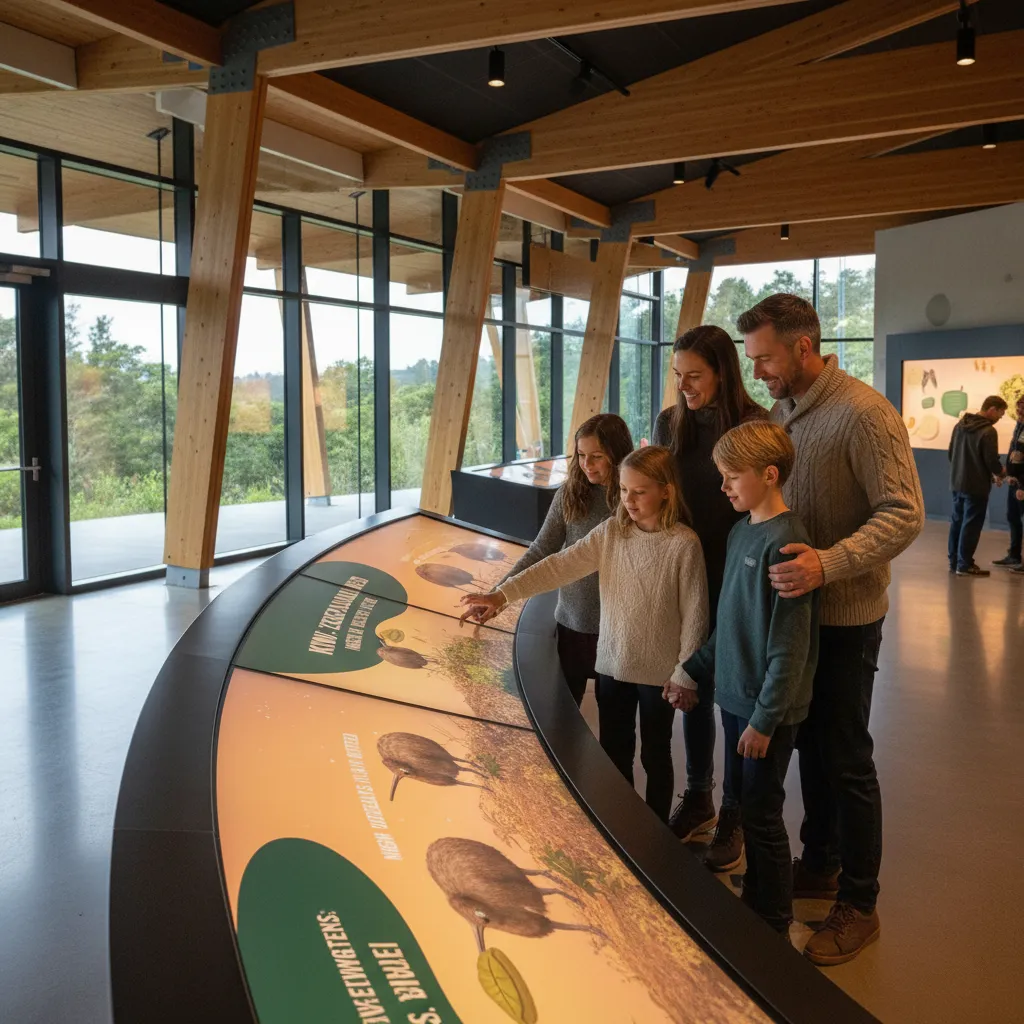
New Zealand’s weather is notoriously changeable. However, conservation education does not stop when the rain starts. Several world-class facilities offer indoor “Junior Ranger” style experiences that are highly interactive and educational.
Te Papa Tongarewa (Wellington)
While a museum, Te Papa’s “Bush City” and natural history exhibitions are unparalleled. The “Mountains to Sea” exhibition allows children to walk through the diverse ecosystems of New Zealand. The colossal squid display and the earthquake house provide immersive learning experiences that explain the geological forces shaping the biological landscape.
International Antarctic Centre (Christchurch)
As the gateway to Antarctica, this centre offers a profound look at climate science and penguin conservation. The Little Blue Penguin rescue centre located here is a tangible example of conservation in action. Children can watch feeding times and learn about the rehabilitation process for these native birds (Kororā).
National Kiwi Hatchery (Rotorua)
For a deep dive into species recovery, the National Kiwi Hatchery is essential. Families can tour the facility to see how Kiwi eggs are incubated and hatched. The education regarding the “Operation Nest Egg” program teaches children about the fragility of flightless birds and the massive human effort required to save them from extinction. It is a biology lesson brought to life.
Native Bird Identification for Children
A core skill for any Junior Ranger is species identification. New Zealand’s isolation caused it to develop a unique avian population. Teaching children to identify these birds turns every walk into a safari. Here are the top species for children to learn, known for their distinct behaviors and appearances.
The Pīwakawaka (Fantail)
The Pīwakawaka is the most child-friendly bird in the forest. They are naturally curious and will often follow hikers, feeding on the insects disturbed by footsteps. Their distinct fan-shaped tail and “cheet-cheet” call make them easy to identify. Educational Angle: Explain to children that the Fantail isn’t just being friendly; it’s using the hiker as a tool to find food, demonstrating adaptation.
The Tūī
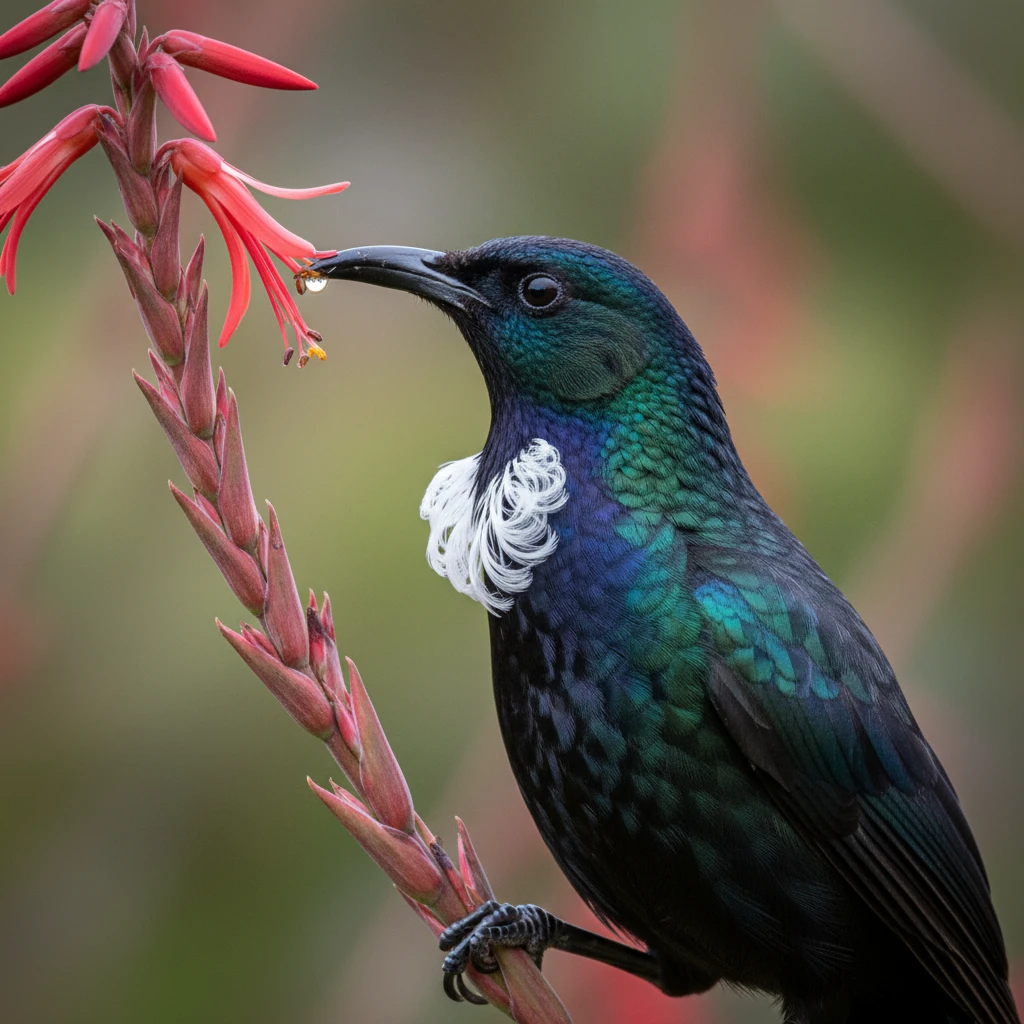
Famous for its white throat tuft (poi) and complex song, the Tūī is an icon of NZ. They are aggressive defenders of their territory and nectar sources. Educational Angle: Have children close their eyes and listen. The Tūī has two voice boxes, allowing it to make clicks, cackles, and bell-like notes simultaneously. It is a lesson in acoustic biology.
The Kererū (Wood Pigeon)
This large bird with a white vest is crucial to the ecosystem. It is one of the only birds left with a beak wide enough to eat the large berries of trees like the Karaka. Educational Angle: This introduces the concept of “seed dispersal.” Without the Kererū, many native trees could not reproduce. This illustrates the interconnectedness of the ecosystem.
Tools for Young Ornithologists
To assist in this learning, equip your children with the right digital tools. The Merlin Bird ID app works well in New Zealand, but for a local flavor, the NZ Bird Online encyclopedia is the authority. Encouraging children to photograph birds and upload them to iNaturalist also contributes to citizen science data, making their observations actually useful to real scientists.
Volunteering Opportunities for Families
For families wanting to move beyond observation to direct action, New Zealand offers various volunteering opportunities suitable for children. This is “Regenerative Travel” in its purest form—leaving a place better than you found it.
Community Planting Days
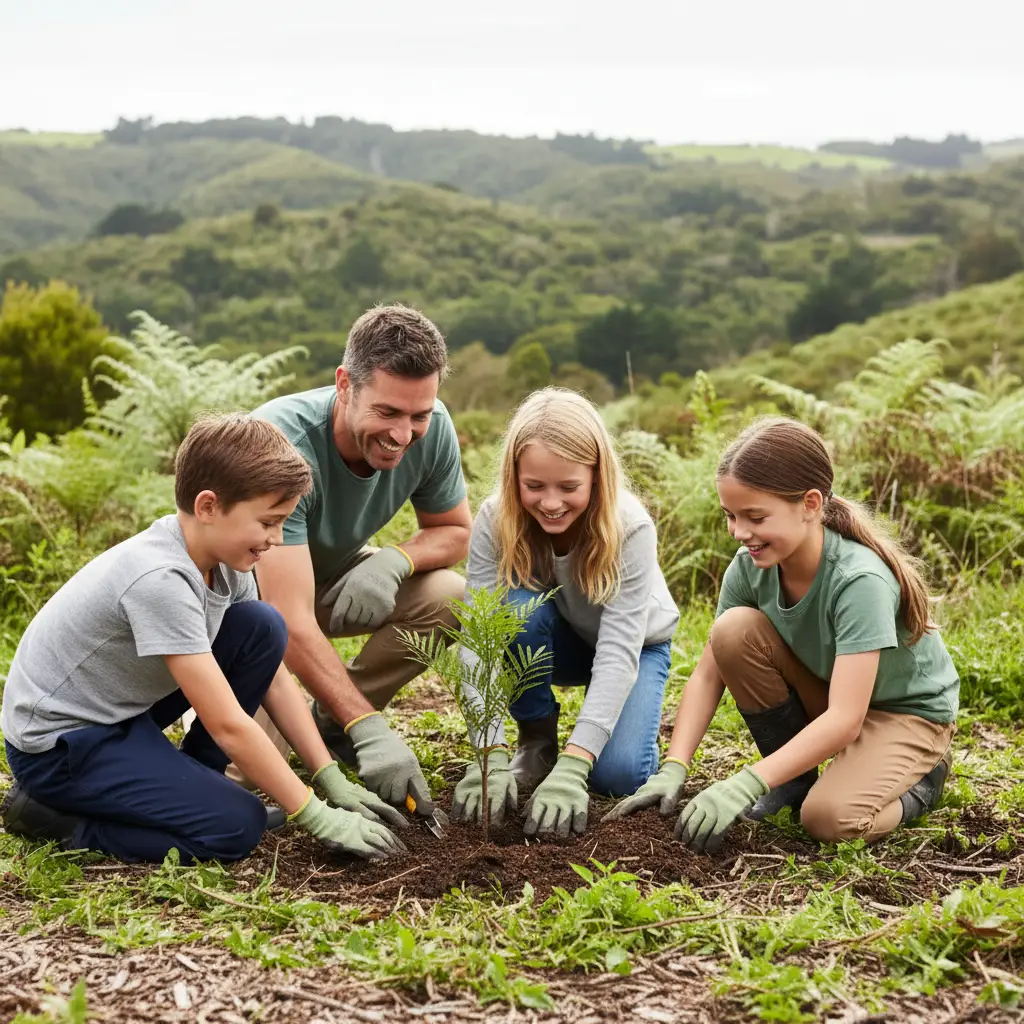
During the planting season (typically late autumn to early spring), countless community groups host planting days. Organizations like Trees That Count or local councils often advertise these events. They are usually safe, well-supervised, and suitable for all ages. Digging a hole and planting a native shrub is a tangible contribution a child can look back on years later.
Sustainable Coastlines
New Zealand has over 15,000 kilometers of coastline. Sustainable Coastlines is a charity that organizes large-scale beach clean-ups. These events are excellent for families. They provide safety briefings and equipment. Children learn about the impact of microplastics and ocean pollution firsthand. It is a sobering but empowering lesson in environmental responsibility.
Predator Free 2050
New Zealand has an ambitious goal to be predator-free by 2050. While handling traps is generally for adults or older teenagers, many community groups run workshops on building “weta motels” or lizard lounges. These provide safe habitats for small critters in backyards. Participating in a workshop teaches children about the threat introduced species (stoats, rats, possums) pose to flightless birds.
The Tiaki Promise and Regenerative Travel
Any guide to conservation activities in New Zealand must address the cultural framework of protection. The Tiaki Promise is a commitment to care for New Zealand, for now and for future generations. It is based on the Māori concept of Kaitiakitanga (guardianship).
Teaching your children the Tiaki Promise is the ultimate “Junior Ranger” lesson. It involves a pledge to:
- Care for land, sea, and nature, treading lightly and leaving no trace.
- Travel safely, showing care and consideration for all.
- Respect culture, traveling with an open heart and mind.
By framing your trip around these principles, you are not just tourists; you are temporary guardians of the land. This mindset shift is what distinguishes a standard vacation from a regenerative travel experience. When children understand that the land has mana (prestige/spiritual power), they treat it with a deeper level of respect.
People Also Ask
Is there a Junior Ranger program in New Zealand?
New Zealand does not use the title “Junior Ranger,” but the Department of Conservation (DOC) offers the Toyota Kiwi Guardians program. It functions similarly, allowing children to complete nature-based activities and earn medals.
How do I get Toyota Kiwi Guardian medals?
To earn a medal, visit a designated Adventure Site and find the Guardian Post code, or complete a backyard conservation action. Enter the code or claim your action on the Toyota Kiwi Guardians website to receive a medal in the mail (NZ addresses only) or a digital certificate.
What are free activities for kids in NZ nature?
Most DOC walking tracks are free. Additionally, exploring rock pools at marine reserves, identifying native birds, and visiting Te Papa Museum in Wellington (general entry is free) are excellent cost-free educational activities.
Can kids volunteer for DOC?
Direct volunteering for DOC usually requires participants to be over 18 or accompanied by adults for specific events. However, families can participate in community planting days or beach clean-ups supported by DOC partners.
What is the Tiaki Promise for children?
The Tiaki Promise for children is a commitment to protect nature. It teaches them to keep New Zealand clean, protect native animals, and respect local culture. It is a simplified pledge to be a good guardian of the land.
Best places to see Kiwi birds with kids?
The best places to see Kiwi birds with kids are nocturnal houses where sightings are guaranteed, such as the National Kiwi Hatchery in Rotorua, Willowbank Wildlife Reserve in Christchurch, or the Otorohanga Kiwi House.