The best time for whale watching in Kaikoura is year-round, as resident Sperm Whales are present during all seasons. However, for the calmest sea conditions and warmest weather, the optimal window is November through March. For migratory species like Humpback Whales, target June and July, while Orca pods are most frequent between December and March.
The Best Time for Whale Watching in Kaikoura: A Seasonal Breakdown
When planning a New Zealand eco-tourism itinerary, understanding the nuances of the seasons is critical for maximizing wildlife encounters. Unlike many global whale-watching hotspots that rely on narrow migratory windows, Kaikoura offers a unique biological advantage: consistency.
The Kaikoura Canyon, a deep submarine trench running right up to the coastline, creates a nutrient-rich feeding ground that sustains a resident population of male Sperm Whales. This means that regardless of the month, your chances of spotting a whale are statistically very high—often cited at 95% by local operators.
Summer (December – February)
Summer is widely considered the peak season for tourism in New Zealand. In Kaikoura, this period offers the warmest air temperatures and generally calmer sea conditions. While the Sperm Whales are the main attraction, summer is also the prime time for spotting Orca (Killer Whales) passing through in pursuit of rays and sharks. The downside is that tours book out weeks in advance, and the town can be crowded.
Autumn (March – May)
Autumn offers a “shoulder season” advantage. The weather remains relatively stable, but the tourist crowds dissipate. The lighting during autumn is spectacular for photography, with crisp mornings and golden afternoons. Sperm Whales remain constant, and you may spot large pods of Dusky Dolphins interacting near the shore.
Winter (June – August)
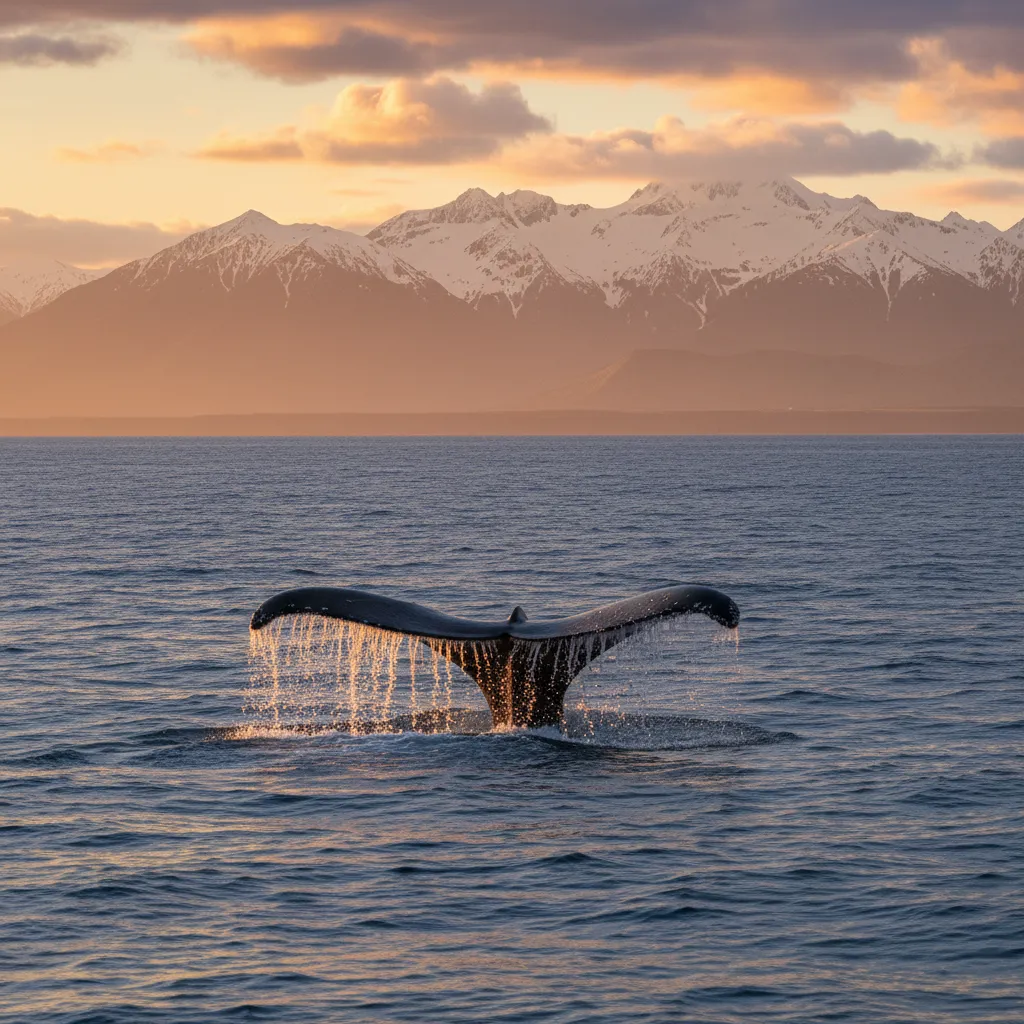
Winter is the cold, dramatic season. While temperatures drop significantly, and the seas can be rougher, this is the specific window for Humpback Whale migration. As these giants travel from the Antarctic to the tropical Pacific to breed, they pass Kaikoura. Seeing a Sperm Whale and a Humpback on the same trip is a rare but possible winter event. The backdrop of snow-covered peaks makes for the most dramatic scenery of the year.
Spring (September – November)
Spring is often the windiest time of year in New Zealand, which can lead to tour cancellations due to high swells. However, it is a time of renewal; marine life is active, and the migratory species begin their return journey south. If you can handle the potential for chop, spring offers excellent visibility.
Kaikoura vs. Hauraki Gulf: The Great New Zealand Cetacean Debate
New Zealand offers two primary heavyweights in the whale-watching arena: the deep trenches of Kaikoura in the South Island and the scattered islands of the Hauraki Gulf Marine Park in Auckland, North Island. Choosing between them often depends on your broader travel logistics and specific wildlife interests.
Kaikoura is a dedicated marine wildlife town. The economy and culture revolve around the ocean. The proximity of the continental shelf (just 800 meters from shore in some places) means travel time to the whales is minimal. It provides a rugged, raw, open-ocean experience.
The Hauraki Gulf, conversely, is a massive marine park right on the doorstep of New Zealand’s largest city. It covers 1.2 million hectares and includes over 50 islands. While Kaikoura is famous for Sperm Whales, the Hauraki Gulf is one of the few places in the world with a resident population of Bryde’s Whales. The water here is generally more sheltered by the islands, potentially offering a smoother ride than the open Pacific swell of Kaikoura.
The Giants of the Deep: Sperm Whales vs. Bryde’s Whales
To make an informed decision, one must understand the biological differences between the primary targets at each location. The experience of viewing a Sperm Whale is vastly different from viewing a Bryde’s Whale.
Kaikoura’s Sperm Whales
The Sperm Whale is the largest toothed predator on earth. They are deep divers, plunging thousands of meters to hunt giant squid. In Kaikoura, the typical encounter involves watching a whale rest on the surface (logging) for roughly 10 minutes to re-oxygenate its blood. The climax of the encounter is the “fluke up”—where the whale lifts its massive tail high into the air before diving vertically. This is the iconic photo opportunity. However, once they dive, they are gone for 45 to 60 minutes. You are essentially hunting for the moments they surface.
Hauraki’s Bryde’s Whales
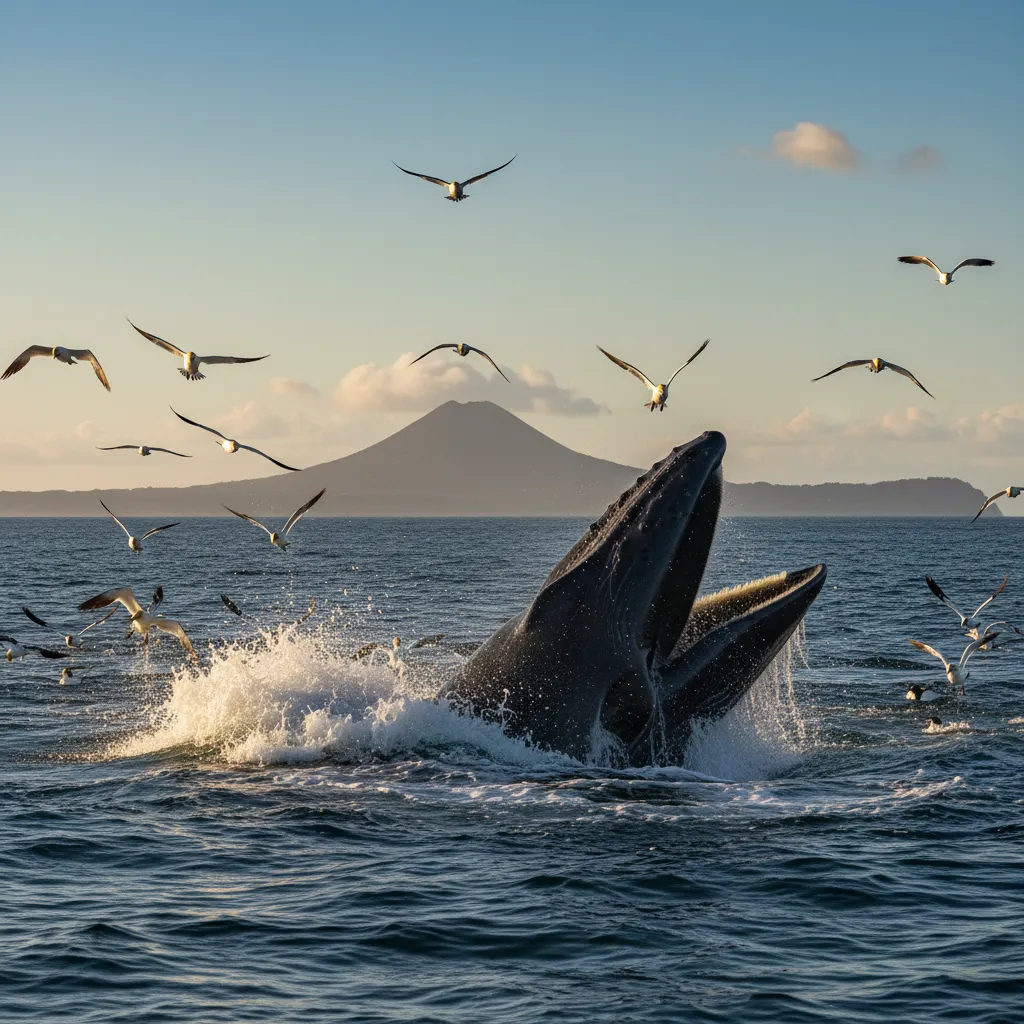
Bryde’s Whales (pronounced “broo-des”) are baleen whales. They are critically endangered in New Zealand waters but thrive in the Gulf. Unlike Sperm Whales, they do not deep dive for long periods. They stay closer to the surface, feeding on plankton and fish bait balls. This often results in more dynamic surface activity. You might see lunge feeding or see the whale surfacing multiple times in succession without the long wait times associated with Sperm Whales. They are sleeker, faster, and often accompanied by thousands of seabirds, creating a chaotic, National Geographic-style spectacle.
Migratory Humpback Seasons and Orca Encounters
While resident populations provide reliability, migratory species add an element of excitement and unpredictability to New Zealand whale watching.
The Humpback Highway (Kaikoura Focus)
If your heart is set on seeing the acrobatics of Humpback Whales—breaching, pectoral slapping, and spy-hopping—you must time your visit carefully. The migration north occurs primarily in June and July. The return journey south happens later in the year, around October to December, though they are often further offshore and harder to spot during the return leg. Kaikoura acts as a waypoint on this highway. While sightings are not guaranteed like the Sperm Whales, the winter months offer the best probability.
Orca: The Wolves of the Sea
New Zealand is home to a unique population of Orca that specialize in hunting rays in shallow water. While they can be seen in both the Hauraki Gulf and Kaikoura, they are transient. They do not stay in one place. However, statistics show that December through March yields the highest number of Orca sightings in Kaikoura. In Auckland, they are often seen even from city beaches during summer, but spotting them on a scheduled tour is largely a matter of luck.
Choosing Your Vessel: Boat vs. Helicopter Tours
Kaikoura is one of the few places globally where aerial whale watching is as popular as boat-based tours. This presents a dilemma for travelers: view from above or from the water level?
The Case for Boat Tours
Pros:
- Scale: You truly appreciate the size of these animals when you are bobbing next to them on the water.
- Multi-species: Boats often stop for Dusky Dolphins and Albatross, which are harder to appreciate from high altitudes.
- Cost: Generally cheaper than flying.
Cons:
- Seasickness: The open ocean can be brutal.
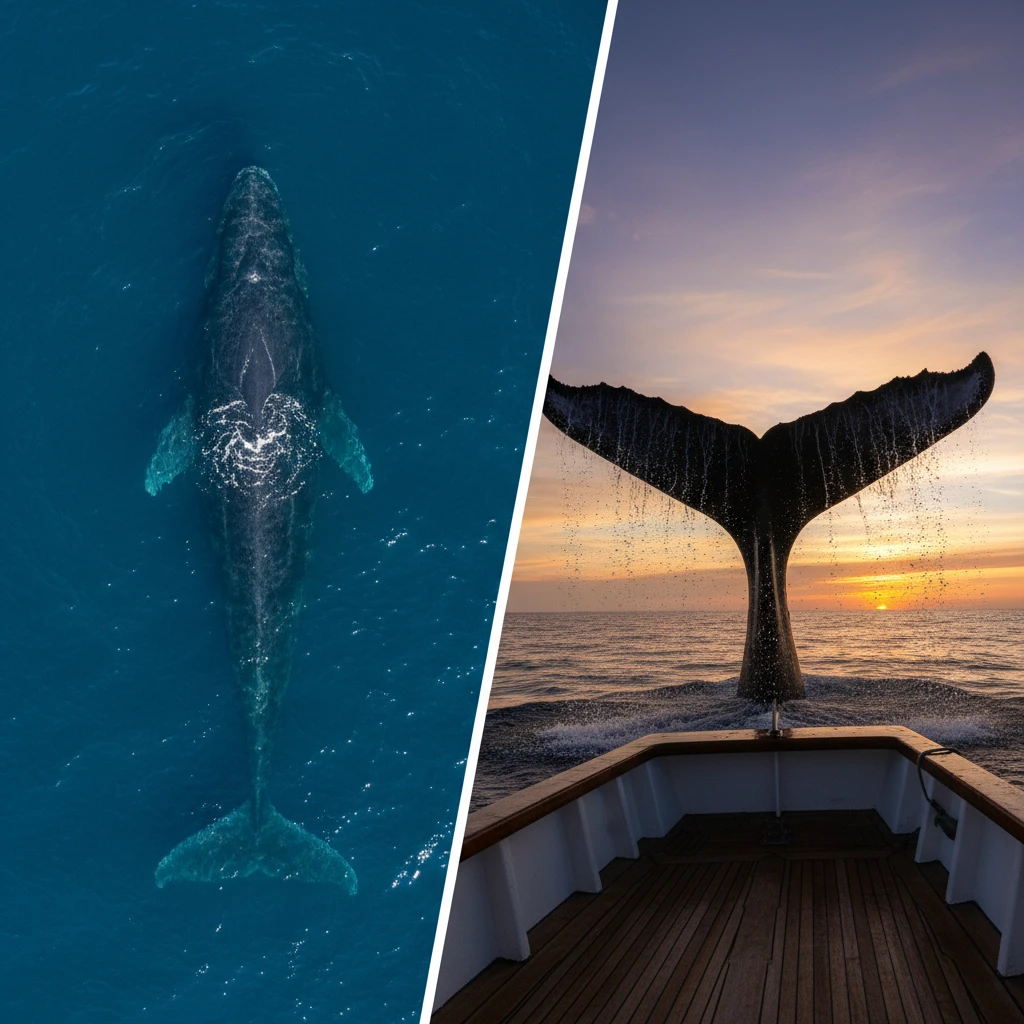
- Visibility: You only see the part of the whale above water (usually just the back and tail).
The Case for Helicopter/Fixed-Wing Flights
Pros:
- Full Perspective: You can see the entire length of the whale through the water, gaining an appreciation for their full geometry.
- Speed: Aircraft can cover vast distances quickly to locate whales that boats cannot reach in time.
- Comfort: No seasickness.
Cons:
- Distance: You feel more like an observer than a participant.
- Price: Significantly higher price point per person.
In the Hauraki Gulf, operations are almost exclusively boat-based due to the scattered nature of the wildlife and the proximity to Auckland International Airport airspace restrictions.
Navigating the Swell: Seasickness Prevention and Preparation
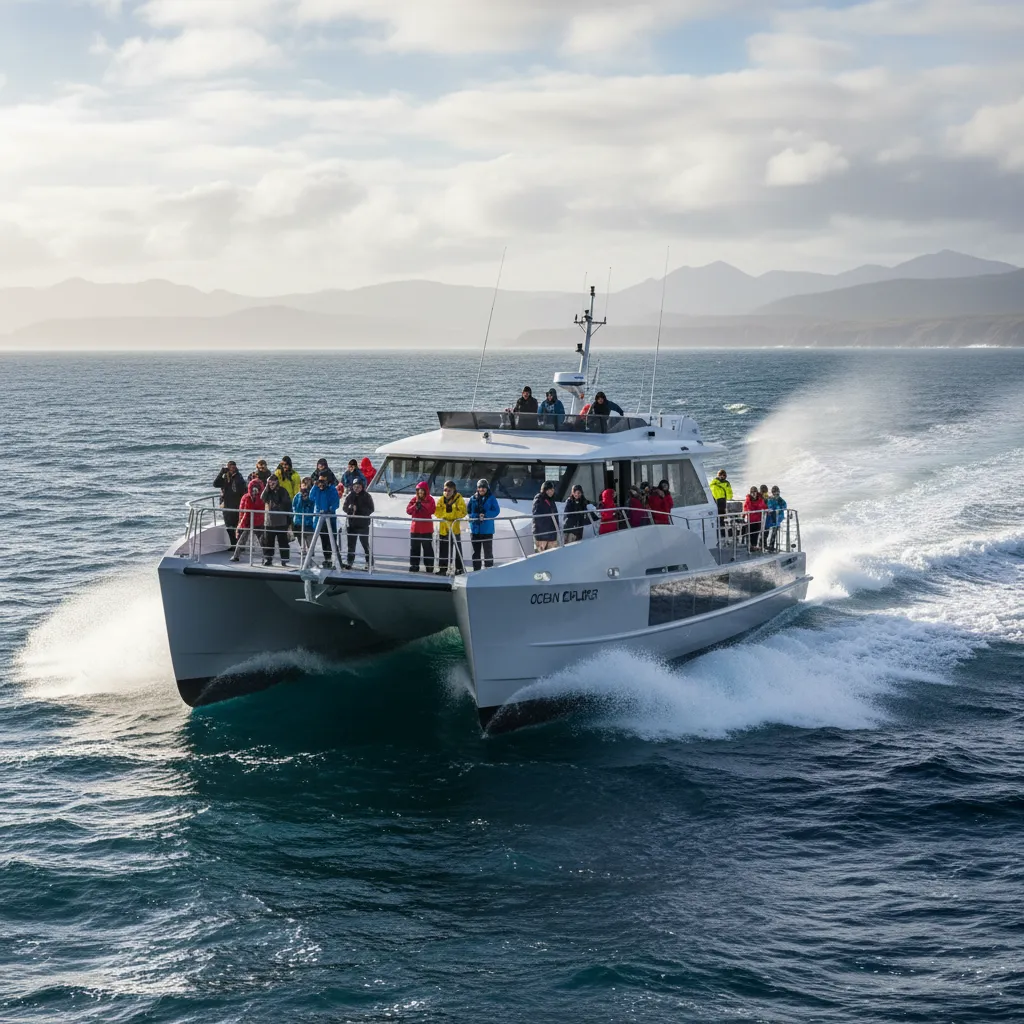
It is impossible to discuss Kaikoura whale watching without addressing the ocean conditions. Kaikoura faces the open Pacific Ocean with no landmass between it and Chile. There is often a significant swell, even on sunny days.
Why it happens: The conflict between the deep trench currents and surface winds creates “confused” seas. If you are prone to motion sickness, Kaikoura boat tours can be challenging.
Prevention Strategies
If you choose the boat option in Kaikoura, follow these protocols:
- Medication: Take motion sickness medication (like Sea-Legs) at least 30 to 60 minutes before getting on the boat. Taking it once you feel sick is too late.
- Vision: Keep your eyes on the horizon. Do not look through camera viewfinders or phones for extended periods until the boat stops.
- Positioning: Stay on the lower deck towards the stern (back) of the boat. This area experiences the least amount of pitch and roll.
- Diet: Avoid heavy, greasy breakfasts. Stick to light, bland foods like toast or crackers before the tour.
The Hauraki Gulf is generally calmer due to the protection of the barrier islands (Great Barrier and Little Barrier islands), making it a safer bet for those with severe motion sensitivity.
Final Verdict: Which Destination Should You Choose?
If your primary goal is to tick “Whale Watching” off your bucket list with the highest probability of success, Kaikoura is the superior choice. The 95% success rate for resident Sperm Whales is unmatched. For the best experience, book a flight if you have the budget, or visit between November and March for the best sea conditions.
However, if you are based in Auckland and want a convenient, diverse marine safari that includes Bryde’s Whales, dolphins, and abundant birdlife without the need for inter-island travel, the Hauraki Gulf is a world-class alternative that is often underrated.
People Also Ask
What is the best month to see whales in Kaikoura?
While whales are present year-round, the best months for pleasant weather and calm seas are January and February. However, if you want to see migratory Humpbacks, June and July are the best months.
Is morning or afternoon better for whale watching in Kaikoura?
Mornings are generally better. Ocean conditions in Kaikoura tend to be calmer in the early morning before the afternoon sea breezes pick up, leading to a smoother boat ride and better visibility.
How likely is it to see a whale in Kaikoura?
Extremely likely. Most operators cite a 95% success rate because the Sperm Whales are residents and feed in specific areas. Many companies offer an 80% refund if no whales are sighted.
Are there Blue Whales in Kaikoura?
Blue Whales are occasionally sighted off the coast of Kaikoura, but they are not residents. Sightings are rare and unpredictable, usually occurring during migratory periods.
Can you see whales from the shore in Kaikoura?
It is possible but rare to see whales clearly from the shore due to the distance. You are more likely to see dolphins or seals from the coastline. Binoculars are essential for shore-based spotting.
Is whale watching better in Auckland or Kaikoura?
Kaikoura is generally considered better for seeing giant whales (Sperm Whales) with high consistency. Auckland (Hauraki Gulf) is excellent for general marine diversity, including Bryde’s whales and birdlife, and is more accessible for those staying in the North Island.