The deer roaring season NZ, commonly known as ‘The Roar,’ is the annual stag breeding period occurring from late March through April. During this time, stags become aggressive and vocal, attracting a significant influx of hunters into the backcountry. Hikers must exercise extreme caution, stick to marked trails, and wear high-visibility blaze orange clothing to ensure safety.
Autumn in New Zealand offers some of the most spectacular hiking conditions in the Southern Hemisphere. The air turns crisp, the foliage in the South Island transforms into a tapestry of gold and amber, and the sandflies finally begin to retreat. However, for the uninitiated eco-tourist or independent traveler, this season brings a unique variable that demands respect and awareness: the deer roaring season NZ.
Known locally simply as “The Roar,” this period marks the breeding season for New Zealand’s wild deer populations. It is a time of intense biological activity for the animals and intense recreational activity for thousands of hunters. For those exploring New Zealand’s vast conservation estate, understanding the dynamics of The Roar is not just a matter of curiosity—it is a critical component of backcountry safety.
Understanding the Phenomenon: What is The Roar?
The Roar is the colloquial term for the rut, or breeding season, of the Red Deer (Cervus elaphus), which is the most widespread deer species in New Zealand. While other species like Sika and Fallow deer also breed around this time (with Sika emitting a high-pitched whistle rather than a roar), the deep, guttural bellow of the Red Stag is the defining sound of the New Zealand bush in autumn.
During this hormonal surge, stags lose their natural caution. Driven by the biological imperative to mate, they become territorial, aggressive, and highly vocal. They roar to advertise their presence to hinds (females) and to challenge rival stags. This vocalization is what makes them vulnerable to hunters, who use “roaring horns” to imitate rivals and draw the dominant stags out of the dense bush.
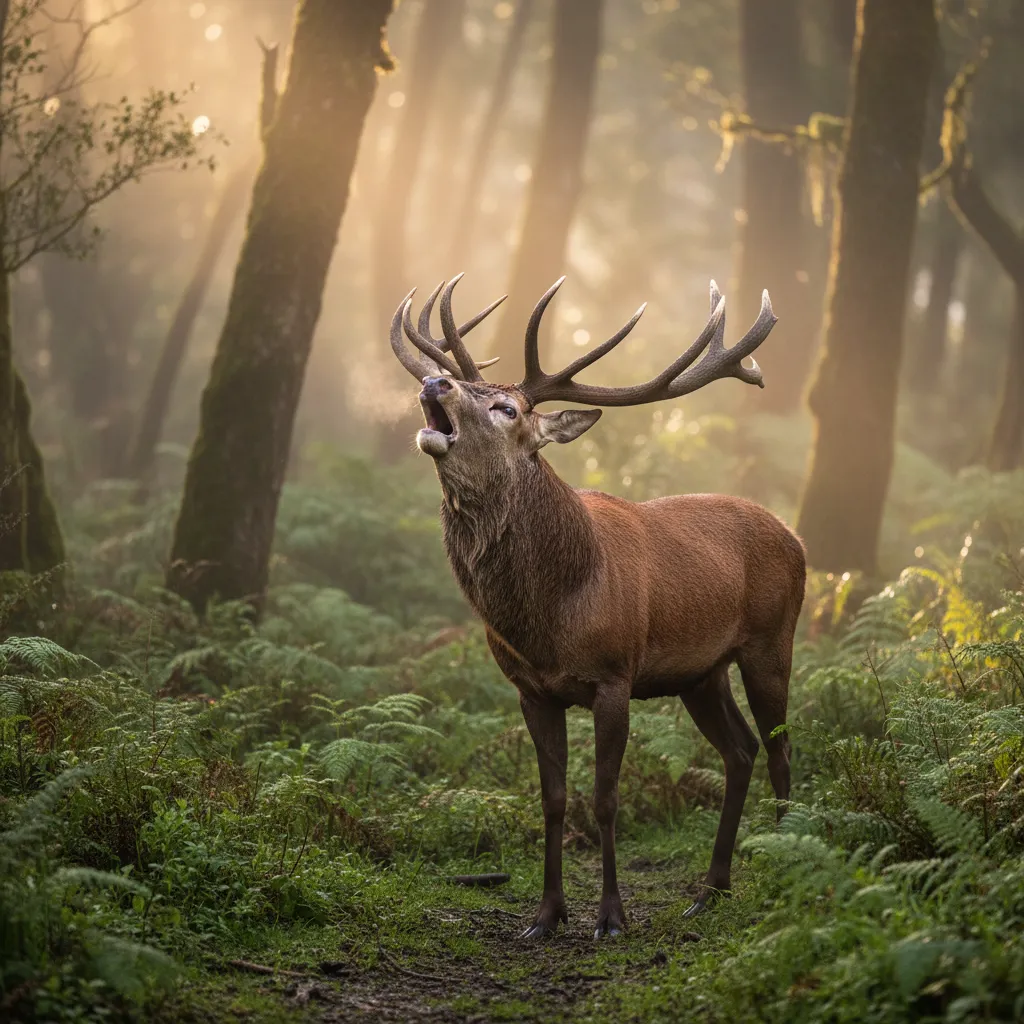
For the hiker, the implication is clear: the bush is not empty. It is populated by armed hunters who are hyper-focused on detecting movement and sound. While New Zealand hunters are generally safety-conscious and follow the “identify your target beyond all doubt” rule, the increased density of firearms users on public land increases the statistical risk for other users.
Timeline: When is The Roar in New Zealand?
To plan your trip effectively, you must know the specific window of activity. Unlike weather patterns which can fluctuate, the photoperiod (length of daylight) triggers the rut, making it remarkably consistent year over year.
The Pre-Roar (Early to Mid-March)
Stags begin to strip the velvet from their antlers and move toward traditional rutting grounds. They become restless, but the intense vocalization hasn’t fully started. Hunting activity begins to ramp up as hunters scout locations.
The Peak Roar (Late March to Mid-April)
This is the period of maximum intensity. The dates March 25th to April 20th generally encompass the peak activity across the country. This coincides with the Easter holidays and often the school term break, meaning the backcountry is at its busiest capacity.
The Post-Roar (Late April to Early May)
Activity tapers off. Stags are exhausted and return to the cover of the bush to recover. Hunting pressure decreases, but caution is still advised as opportunistic hunters remain active.
The Safety Imperative: Wearing Blaze Orange
If you take only one piece of advice from this guide, let it be this: Visual distinctiveness is your primary defense.
In the dense, monochromatic green and brown of the New Zealand native bush, a hiker wearing earth tones (olive, khaki, brown, or black) is effectively camouflaged. To a hunter scanning through binoculars or a rifle scope, a brown backpack moving through the fern can momentarily resemble the flank of a deer.
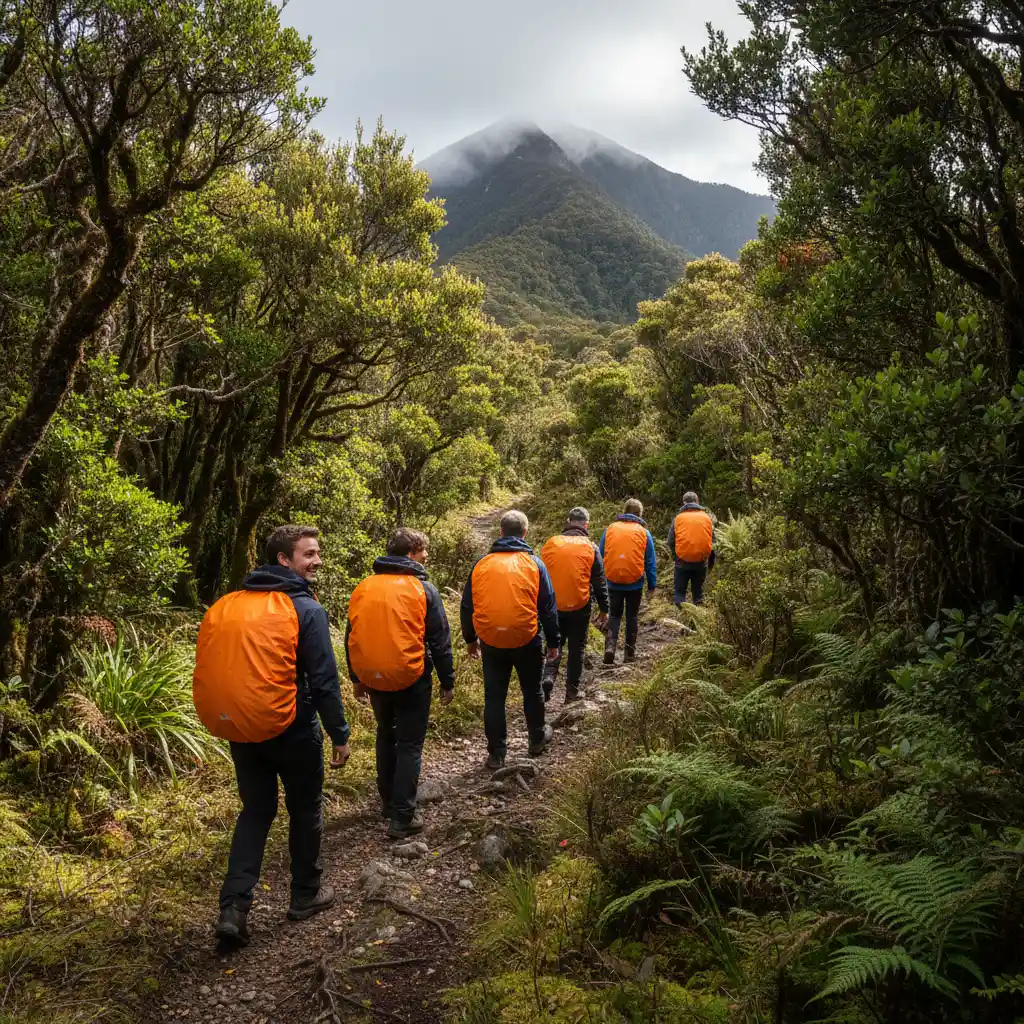
Why Blaze Orange?
Blaze orange is not a color found in nature in New Zealand. It signals “human” instantly to the human eye. While deer vision is dichromatic (they see blues and yellows well but struggle to distinguish red/orange from green), humans see orange vividly. This means you remain visible to hunters without necessarily spooking every animal you pass—though safety from firearms takes precedence over wildlife viewing during this season.
Recommended Gear Checklist
- Blaze Orange Vest: A lightweight vest worn over your jacket or shirt.
- Pack Cover: Your backpack is the largest object on you. A bright orange or blue rain cover is essential.
- Headwear: A bright beanie or cap ensures your head is visible if you are moving through tall tussock or scrub.
- Avoid White: Never wear a white handkerchief or hat, and avoid displaying the white patch of a pack liner. The “flash” of a deer’s rump is white; mimicking this is dangerous.
Identifying Areas with High Hunting Activity
New Zealand has a unique land management system where hunting is permitted on most Public Conservation Land (managed by the Department of Conservation, or DOC). This includes National Parks, Forest Parks, and Stewardship Land. Unlike in many other countries, there are rarely designated “hunting only” or “hiking only” zones during the Roar; it is a shared use model.
However, certain areas are renowned for their trophy stags and attract a higher density of hunters:
The Central North Island
The Kaimanawa and Kaweka Forest Parks are Sika deer strongholds. The bush here is often dense (Manuka and Beech), meaning engagement distances are short. Hikers in these ranges should stick strictly to the cut tracks.
The Southern Alps and Fiordland
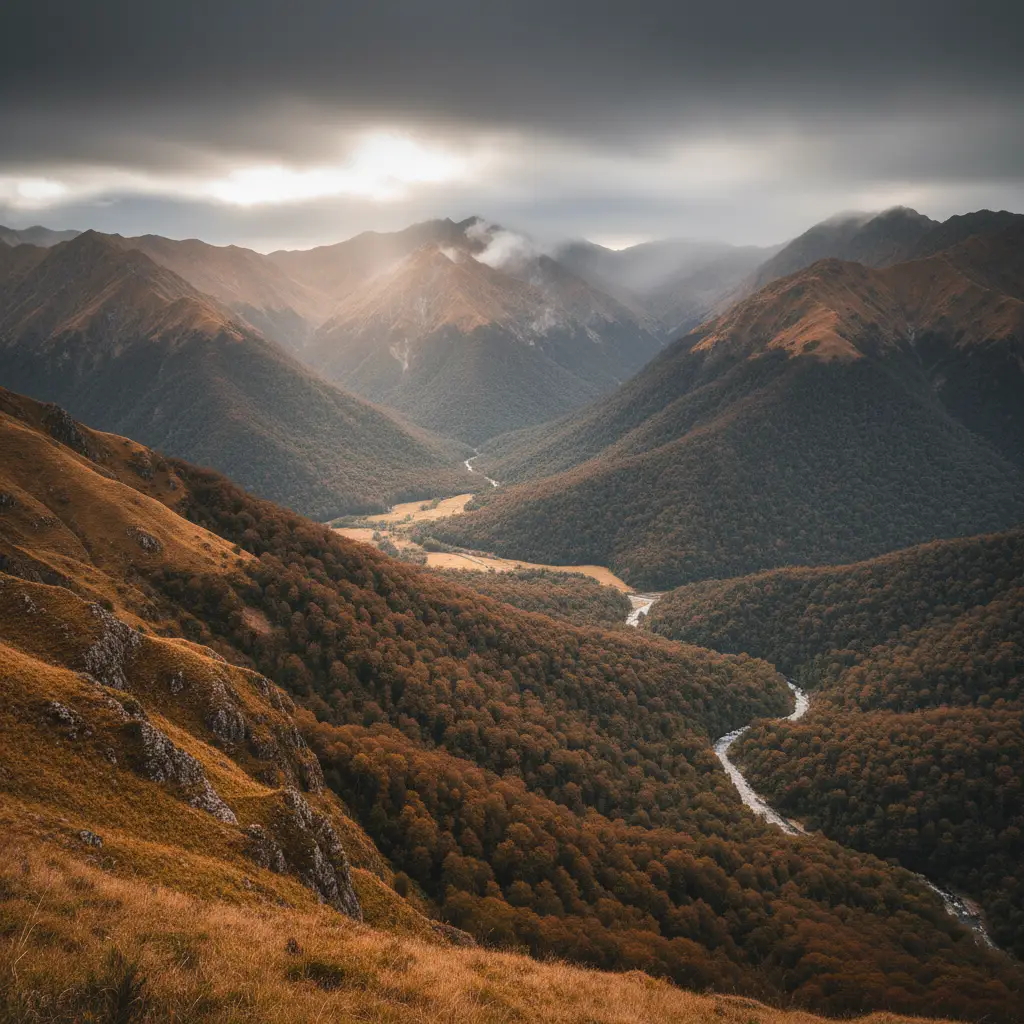
While the open tops of the Southern Alps offer better visibility, the valleys of Fiordland, South Westland, and Mount Aspiring National Park are prime Red Deer habitat. The “wapiti blocks” in Fiordland are balloted specifically for hunting during this period, meaning specific areas will have designated hunting parties present.
Tararua and Rimutaka Ranges
Due to their proximity to Wellington, these ranges see high foot traffic from both trampers and hunters. The crossover here is frequent, making visibility gear non-negotiable.
Identifying Stag Calls and Hunter Imitations
Sound plays a pivotal role in the deer roaring season NZ. Understanding what you are hearing can help you make safer decisions on the trail.
The Sound of a Stag
A Red Stag’s roar is deep, bovine-like, and resonant. It often starts with a low moan and builds to a guttural crescendo. It sounds distinctly different from the high-pitched whistle of a Sika deer.
The Sound of a Hunter
Hunters use “roarers” (plastic horns or tubes) to mimic stags. A skilled hunter can sound indistinguishable from a deer. Therefore, if you hear a roar, you must assume there is potentially a stag and a hunter in that vicinity.
Action Plan Upon Hearing a Roar
If you hear roaring nearby:
- Stop and Assess: Determine the direction of the sound.
- Make Yourself Known: If the sound is close to the track, do not attempt to sneak past. Talk loudly to your hiking partner, whistle, or bang your walking poles together. You want to identify yourself as human immediately.
- Do Not Approach: Never move toward a roar to “get a photo.” You are walking into a line of fire. Hunters are stalking that sound.
Backcountry Etiquette and Risk Mitigation
Navigating the backcountry during the Roar requires a shift in mindset. The “Leave No Trace” principle of minimizing noise pollution is temporarily suspended in favor of safety.
Stick to the Track
Hunters generally expect hikers to be on marked DOC tracks. Bush bashing (going off-trail) significantly increases your risk, as you are entering the zone where hunters are actively stalking. If you must leave the track for toileting, leave your bright pack on the track as a marker.
Hut Etiquette
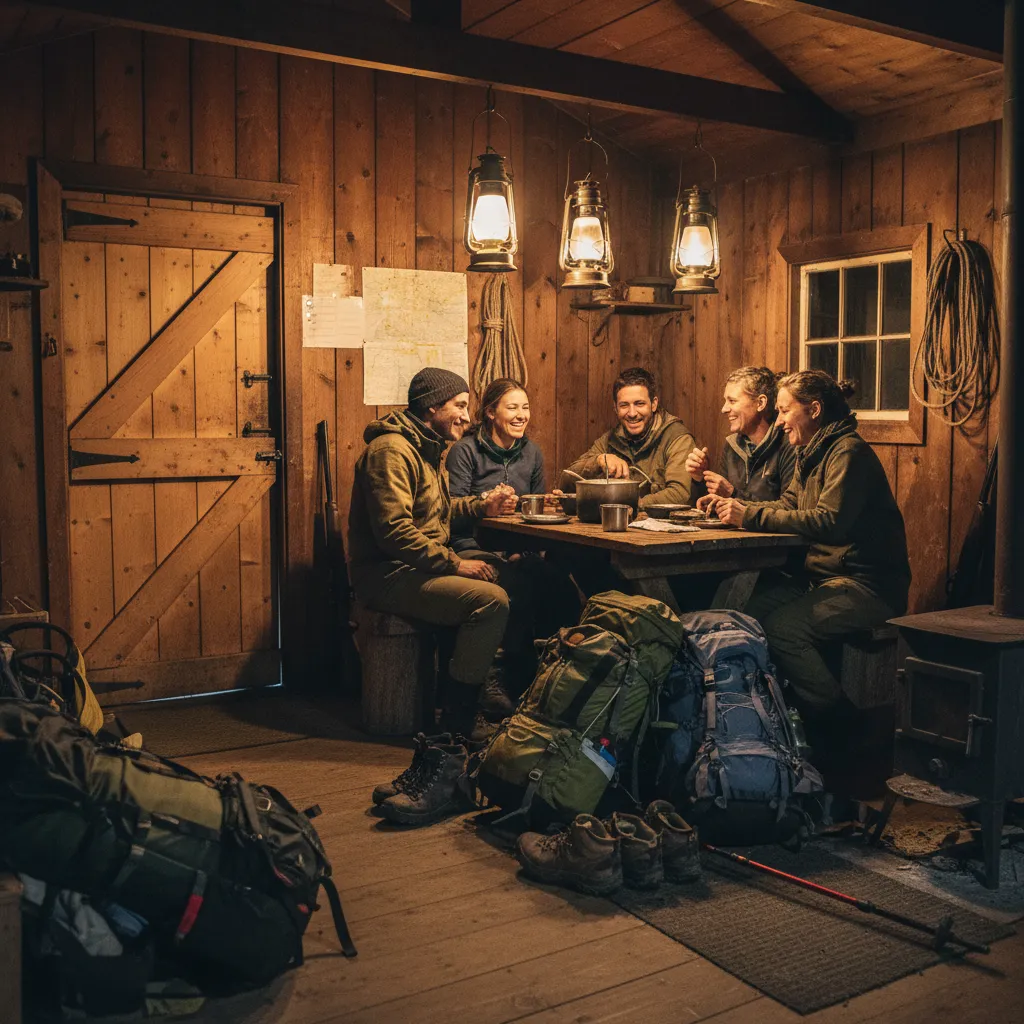
Backcountry huts will be fuller than usual. Hunters often fly into remote huts or hike in for week-long trips. Expect huts to be adorned with drying gear and potentially fresh meat hanging outside. The atmosphere is usually convivial—most hunters are happy to share stories and venison—but space may be at a premium. Always carry a tent or bivvy bag as a backup accommodation option.
Early Starts and Late Finishes
Deer are crepuscular, meaning they are most active at dawn and dusk. This is also when hunters are most active. If possible, plan your hiking hours between 9:00 AM and 4:00 PM to avoid the prime hunting windows, or be extra vigilant with your lighting and visibility gear if moving in low light.
Safe Observation for Eco-Tourists
For those who wish to experience the majesty of the deer roaring season NZ without the risk of entering a live hunting zone, there are safer alternatives. The Roar is a visceral experience, and hearing the calls echo through the valleys is unforgettable.
Consider visiting wildlife sanctuaries or private eco-lodges that have resident deer populations within fenced, non-hunting perimeters. Places like Zealandia (Wellington) focus on birds, but deer farms and safari parks in the Queenstown and Rotorua areas often offer tours where stags can be observed safely during the rut. Additionally, guided walks with experienced operators who know the local hunting boundaries provide a layer of safety and local knowledge that is invaluable for the independent traveler.
By respecting the season, wearing the right gear, and staying alert, you can safely enjoy the stunning New Zealand autumn while the stags roar in the valleys below.
What dates are the roar in NZ?
The Roar typically runs from late March through to late April. The peak activity, where stags are most vocal and hunters are most active, usually occurs between March 25th and April 20th.
Is it safe to hike during the roar?
Yes, it is safe to hike, provided you take precautions. You should stick to marked tracks, wear bright blaze orange or blue clothing, avoid hiking at dawn or dusk, and make noise if you hear roaring or suspect hunters are nearby.
What colors should you wear hiking in NZ hunting season?
Blaze orange is the safest color as it contrasts most sharply with the New Zealand bush and is universally recognized by hunters. Bright blue is also effective, as no animal in the NZ bush is blue. Avoid brown, green, black, and white.
What deer species roar in New Zealand?
The Red Deer is the primary species that “roars.” Sika deer emit a high-pitched whistle. Fallow deer make a croaking or grunting sound. Elk (Wapiti) make a bugling sound. Red Deer are the most common and widespread.
Do stags attack humans during the roar?
Attacks are extremely rare but possible. Stags are flooded with testosterone and can be aggressive if cornered or surprised. It is best to keep a respectful distance and never approach a stag, especially one that is vocalizing.
Where are the most deer in New Zealand?
High populations of deer are found in the Kaimanawa and Kaweka Ranges (North Island), and throughout the Southern Alps, Fiordland, and Stewart Island (South Island). These areas see high hunting activity during the Roar.