Yellow-eyed penguin conservation is a critical recovery effort focused on saving the Hoiho (Megadyptes antipodes), one of the world’s rarest penguin species. With fewer than 3,000 individuals remaining, strategies involve intensive habitat restoration, predator control, disease management, and rehabilitation programs to prevent their extinction in New Zealand.
New Zealand is often referred to as the seabird capital of the world, and its penguins are among its most treasured taonga (treasures). However, these flightless birds face an unprecedented battle for survival. While the Little Blue Penguin (Kororā) and the Fiordland Crested Penguin (Tawaki) face their own challenges, the situation for the Yellow-eyed Penguin is particularly dire. This comprehensive guide explores the current state of penguin conservation in Aotearoa, focusing heavily on the urgent measures required to save the Hoiho.
The Crisis Facing the Hoiho (Yellow-Eyed Penguin)
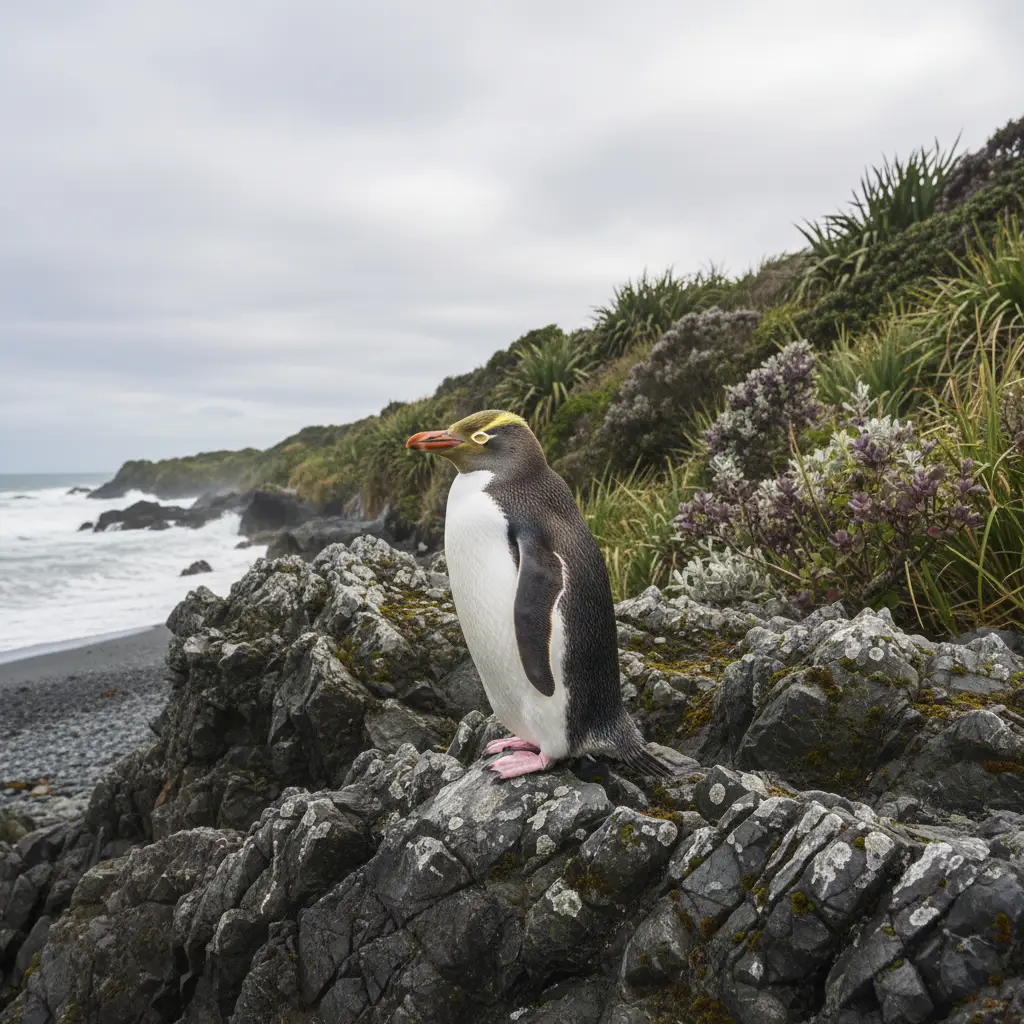
The Yellow-eyed penguin, or Hoiho, is endemic to New Zealand and is distinct for its pale yellow eyes and head band. Unlike other penguin species that breed in dense colonies, the Hoiho is solitary, preferring to nest in coastal forests and scrubland. This unique behavior makes yellow-eyed penguin conservation significantly more complex than managing colonial breeders.
Currently, the Department of Conservation (DOC) classifies the Hoiho as “Nationally Critical,” the highest threat classification in the New Zealand Threat Classification System. Estimates suggest there are fewer than 200 breeding pairs left on the mainland (South Island), with the remainder of the population located on the sub-Antarctic Auckland and Campbell Islands. The population has seen a precipitous decline over the last decade, driven by a “perfect storm” of marine and terrestrial threats.
Major Threats: Disease, Predation, and Habitat Loss
To understand the urgency of yellow-eyed penguin conservation, one must analyze the specific factors driving their decline. The threats are multifaceted, affecting the birds both on land and at sea.
Infectious Diseases
In recent years, disease has become the primary driver of adult and chick mortality. Two specific conditions have devastated populations:
- Avian Diphtheria: This infection causes lesions in the mouths of young chicks, preventing them from swallowing food. Without human intervention and antibiotic treatment, the mortality rate for infected chicks is exceedingly high.
- Unidentified Toxin/Agent: In several recent breeding seasons, adult penguins have been found suffering from unexplained foot lesions and respiratory distress. Researchers suspect marine biotoxins or novel bacterial agents, but a definitive cure remains elusive.
Predation by Introduced Pests
As ground-nesting birds, penguins are incredibly vulnerable to introduced mammalian predators. Stoats, ferrets, and feral cats prey heavily on chicks. Even domestic dogs roaming off-leash on beaches can kill an adult penguin in seconds. The Hoiho’s solitary nesting habit in dense vegetation makes it difficult to protect every nest with trapping lines, although community groups work tirelessly to maintain predator-free zones.
Marine Environmental Changes
Climate change is altering the marine environment where these penguins forage. Rising sea surface temperatures affect the distribution of prey species like blue cod and opalfish. As food sources move further offshore or into deeper waters, adult penguins must expend more energy to feed themselves and their chicks, leading to starvation events and poor breeding success.
Current Conservation Strategies and Rehabilitation
Despite the grim statistics, yellow-eyed penguin conservation efforts are robust and aggressive. Organizations such as the Yellow-eyed Penguin Trust, alongside DOC and local Iwi, are implementing intensive management strategies.
The Role of Rehabilitation Centers
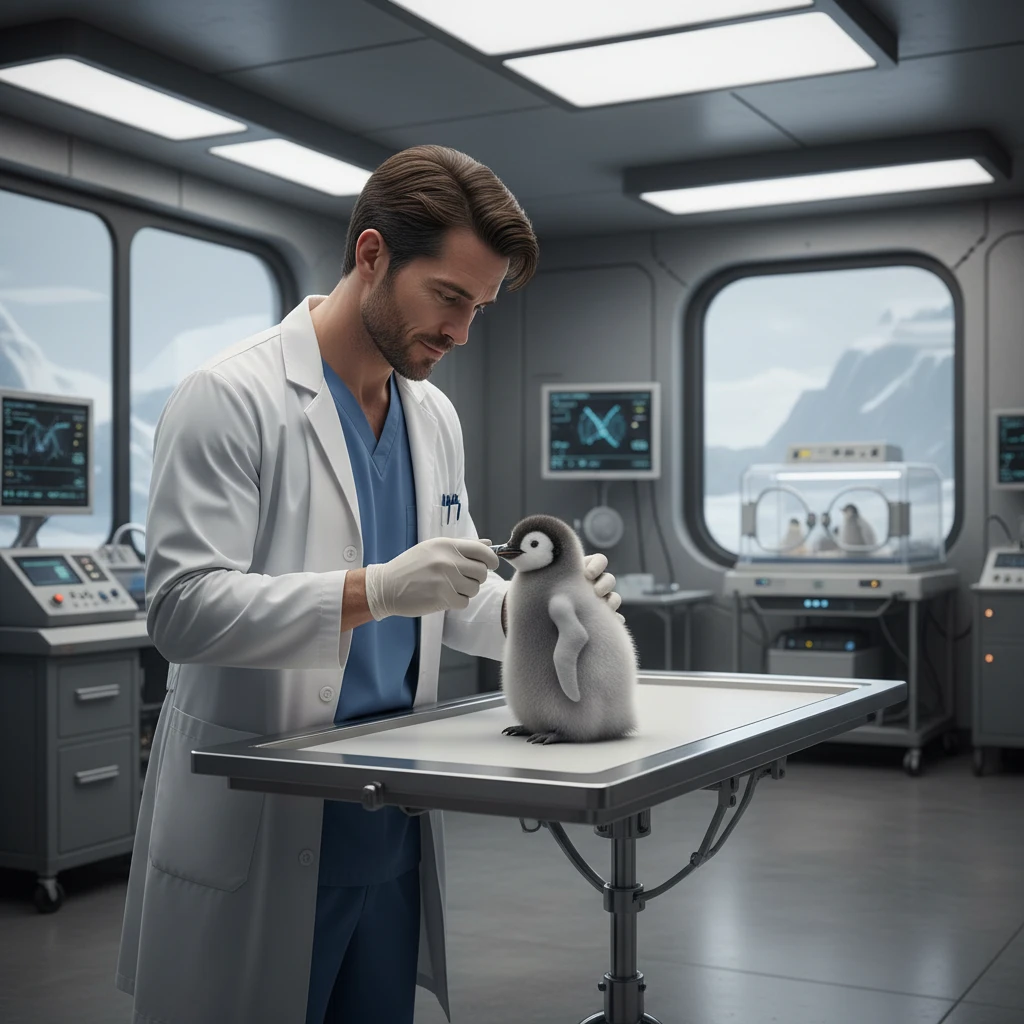
Intervention has moved from passive protection to active medical management. “Penguin hospitals,” such as the one operated by Penguin Place on the Otago Peninsula and the Wildlife Hospital in Dunedin, are critical infrastructure. Sick, starving, or injured birds are taken from the wild, treated, fattened up, and released once healthy. In some poor breeding seasons, up to 80% of chicks are uplifted for supplementary feeding to ensure they reach a fledging weight that allows them to survive at sea.
Habitat Restoration
Restoring coastal forests is vital. The Yellow-eyed Penguin Trust has spent decades replanting native trees and shrubs to provide cool, shaded nesting sites. Good vegetation cover protects penguins from heat stress—a significant killer of adults on land—and provides visual barriers between nests, reducing social stress among these solitary birds.
Protecting the Little Blue Penguin (Kororā)
While the Hoiho fights for survival on the brink of extinction, the Little Blue Penguin (Kororā) faces a different set of challenges. As the world’s smallest penguin, standing just 25cm tall, they are often found in urban environments, such as Oamaru and Wellington harbors.
Urban Conservation Challenges
The Kororā is more resilient than the Hoiho but is heavily impacted by human infrastructure. Roadkill is a major cause of death in coastal settlements where penguins must cross roads to reach their nests. Bright streetlights can also disorient them, and coastal development often destroys their natural burrows.
Nesting Box Initiatives
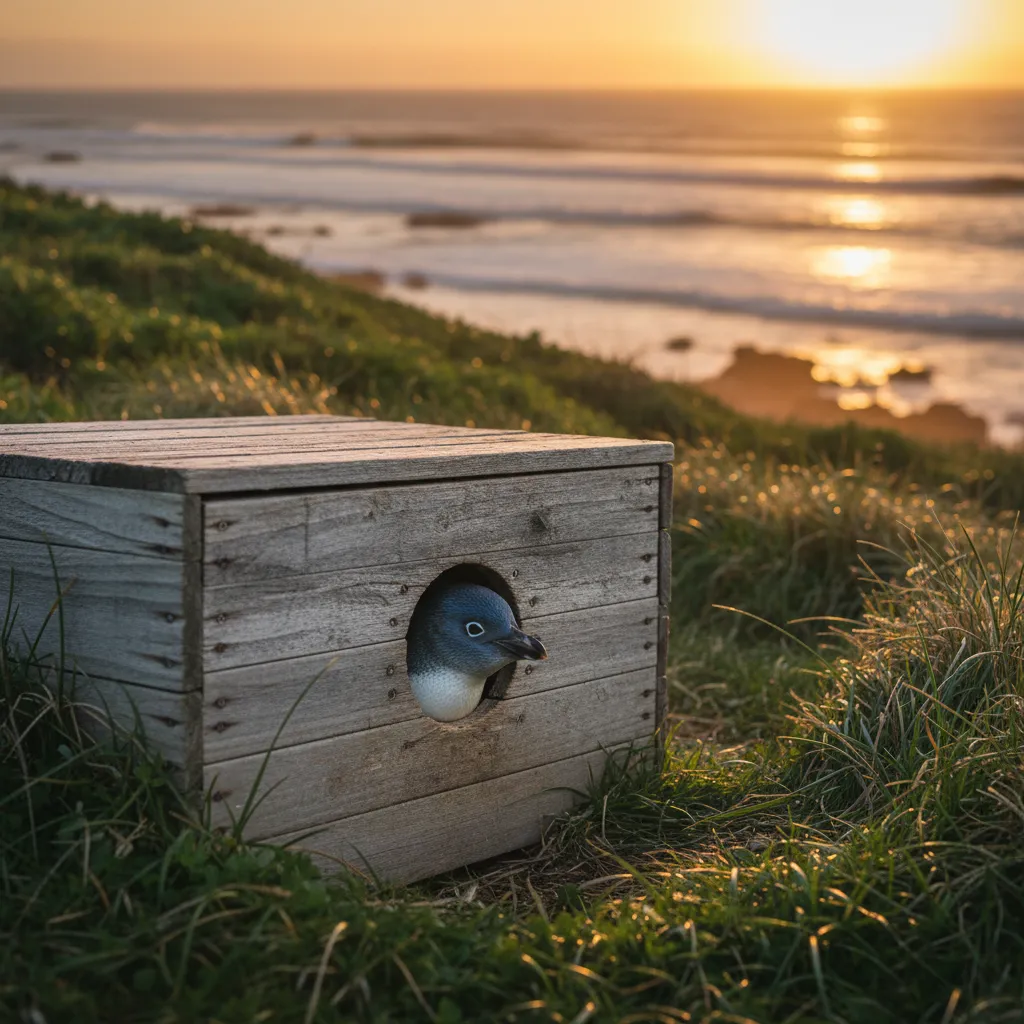
Conservation for Little Blue Penguins has seen great success through the provision of artificial nesting boxes. In Oamaru, the Blue Penguin Colony has created a safe haven using wooden nesting boxes that mimic natural burrows. These boxes protect the birds from dogs and predators while allowing researchers to monitor breeding success easily. Underpasses have also been constructed under busy roads to allow penguins safe passage from the sea to their colony.
The Elusive Fiordland Crested Penguin (Tawaki)
The Tawaki is perhaps the most mysterious of New Zealand’s mainland penguins. Breeding primarily in the remote, rugged rainforests of Fiordland and South Westland, they are difficult to study, which has historically hindered conservation efforts.
The Tawaki Project
Recent years have seen the launch of the Tawaki Project, a research initiative aimed at demystifying the marine ecology of these birds. Using satellite tracking, scientists have discovered that Tawaki travel immense distances—up to 2,500km away from their colonies—during their pre-molt journey. This revelation highlights that conservation is not just a terrestrial issue but an international marine management issue.
Unlike the Hoiho, the Tawaki population appears stable in some areas, though they are still vulnerable to stoat predation and disturbances caused by increasing tourism in Milford Sound and Doubtful Sound.
How to Observe Penguins Without Disturbing Them
Eco-tourism is a double-edged sword. While it raises awareness and funds for yellow-eyed penguin conservation, uncontrolled human interaction causes immense stress to the birds. Penguins that are disturbed may delay coming ashore to feed their chicks, abandon their nests, or suffer from stress-induced illnesses.
Understanding Penguin Stress Signals
It is vital for tourists to recognize when a penguin is stressed. If a penguin stops preening and stares at you, you are too close. If it begins to move away or retreats back into the water, you have disrupted its natural behavior. Penguins are wild animals, not photo props, and their survival takes precedence over a social media post.
Rules for Responsible Observation
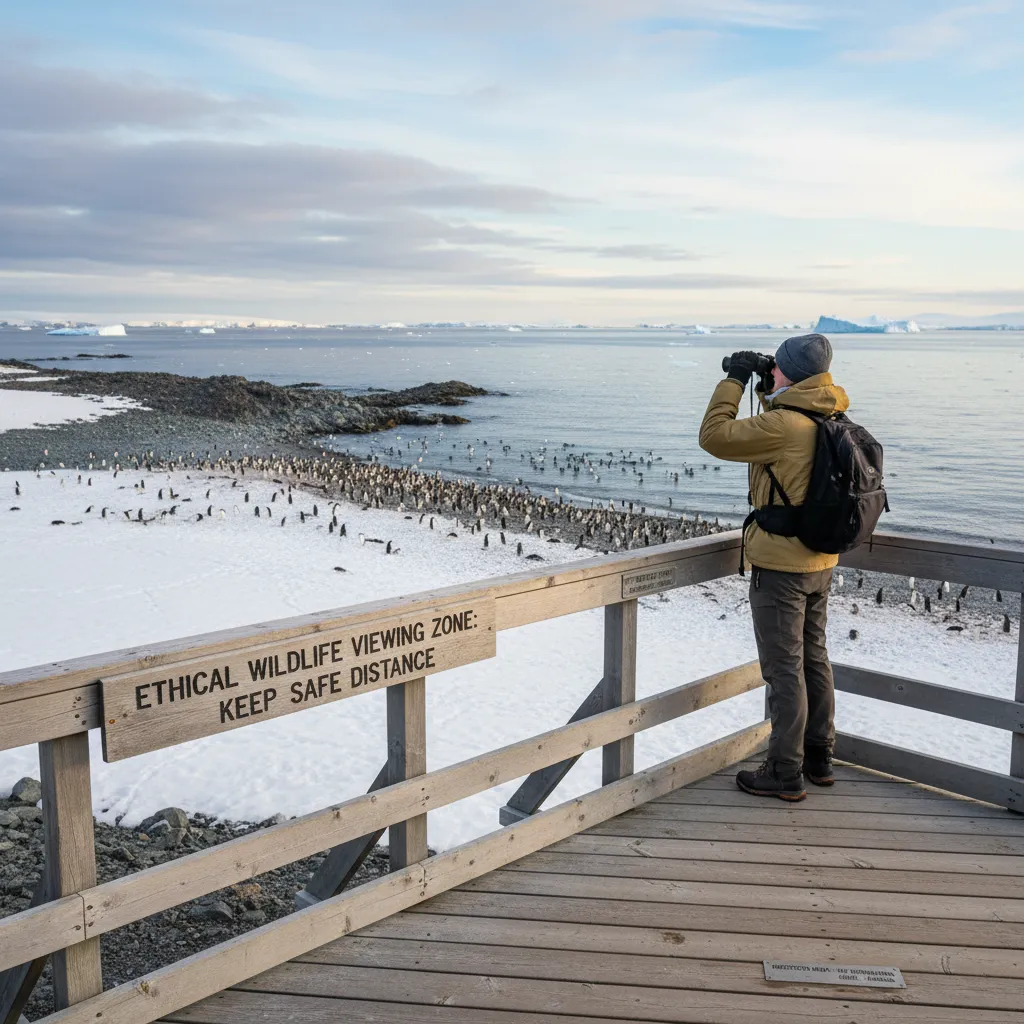
To support conservation efforts, adhere to the following strict guidelines when visiting New Zealand’s coastlines:
- Maintain Distance: Stay at least 50 meters away from Yellow-eyed penguins. For other species, maintain at least 20 meters. Use the zoom on your camera or binoculars.
- Hide Your Presence: Use designated viewing hides or stay low behind vegetation. Do not silhouette yourself against the skyline, as penguins may mistake you for a predator.
- No Flash Photography: Penguins have sensitive eyes adapted for underwater vision. Flash photography can temporarily blind and disorient them.
- Keep Dogs Away: Never take dogs to beaches known to have penguin populations. Even a leashed dog can leave a scent that scares penguins away from their nests.
- Respect Curfews: Many penguin habitats are closed from dusk to dawn. This is when penguins return from the sea, and they are most vulnerable to disturbance during this transit.
The Future of Penguin Conservation in New Zealand
The future of the Yellow-eyed penguin hangs in the balance. Without sustained, intensive intervention, models predict the mainland population could become locally extinct within decades. However, the resilience of the conservation community in New Zealand provides hope. The integration of advanced veterinary science, predator control technology (such as AI-driven trap lines), and stronger marine protection laws are the pillars of the recovery plan.
For the eco-conscious traveler, the best way to help is to support accredited eco-tourism operators who contribute a portion of their fees directly to conservation trusts. By choosing to view penguins responsibly and supporting the organizations fighting for their survival, we can ensure that the call of the Hoiho continues to echo along New Zealand’s wild coastlines.
People Also Ask
Why are yellow-eyed penguins endangered?
Yellow-eyed penguins are endangered due to a combination of introduced predators (stoats, ferrets, dogs), loss of coastal forest habitat, human disturbance, and marine threats such as rising ocean temperatures and fisheries interactions. Disease outbreaks like avian diphtheria also cause high mortality rates in chicks.
How many yellow-eyed penguins are left?
There are estimated to be fewer than 3,000 mature yellow-eyed penguins remaining in the world. The mainland New Zealand population (South Island) is particularly critical, with estimates often falling below 200 breeding pairs in recent years.
What is being done to save the yellow-eyed penguin?
Conservation efforts include intensive predator control (trapping), habitat restoration (replanting coastal forests), and active rehabilitation of sick or injured birds at wildlife hospitals. The Department of Conservation and the Yellow-eyed Penguin Trust also monitor nests and provide supplementary feeding when necessary.
Where can I see yellow-eyed penguins in New Zealand?
The best places to see yellow-eyed penguins are on the Otago Peninsula (near Dunedin) and in the Catlins. Specific locations include Curio Bay and designated hides at Penguin Place. Always use official viewing hides to avoid disturbing them.
Can I volunteer for penguin conservation in New Zealand?
Yes, several organizations accept volunteers, including the Yellow-eyed Penguin Trust and local habitat restoration groups. Volunteer work often involves tree planting, predator trap checking, and beach clean-ups rather than direct contact with the birds.
What is the difference between Hoiho and Kororā?
The Hoiho (Yellow-eyed Penguin) is much larger, solitary, and nests in coastal forests, whereas the Kororā (Little Blue Penguin) is the world’s smallest penguin, breeds in colonies, and often nests in burrows or caves. The Hoiho is significantly more endangered than the Kororā.