Marine wildlife tours NZ offer immersive, ethically managed encounters with sperm whales, dusky dolphins, fur seals, and rare penguins across regions like Kaikoura, Akaroa, and Fiordland. These eco-tours prioritize conservation through Department of Conservation (DOC) concessions, ensuring regenerative travel experiences that protect the incredible biodiversity of Aotearoa’s coastline while providing world-class viewing opportunities.
New Zealand, or Aotearoa, is globally renowned not just for its dramatic landscapes, but for the teeming biodiversity that exists beneath its waves. From the sub-tropical waters of the Northland region to the deep, nutrient-rich fiords of the South, the country offers some of the most accessible and responsible marine wildlife tours in the world. For the conscious traveler, booking a tour here is more than a sightseeing activity; it is an investment in regenerative tourism that actively contributes to the preservation of marine habitats.
Whether you are looking to witness the acrobatic displays of dusky dolphins, lock eyes with a massive sperm whale, or snorkel in the world’s largest sea cave, New Zealand’s operators adhere to strict environmental standards. This guide navigates the best marine wildlife tours NZ has to offer, ensuring your encounters are safe, seasonal, and sustainable.
The Marine Tiaki Promise: Respecting the Ocean
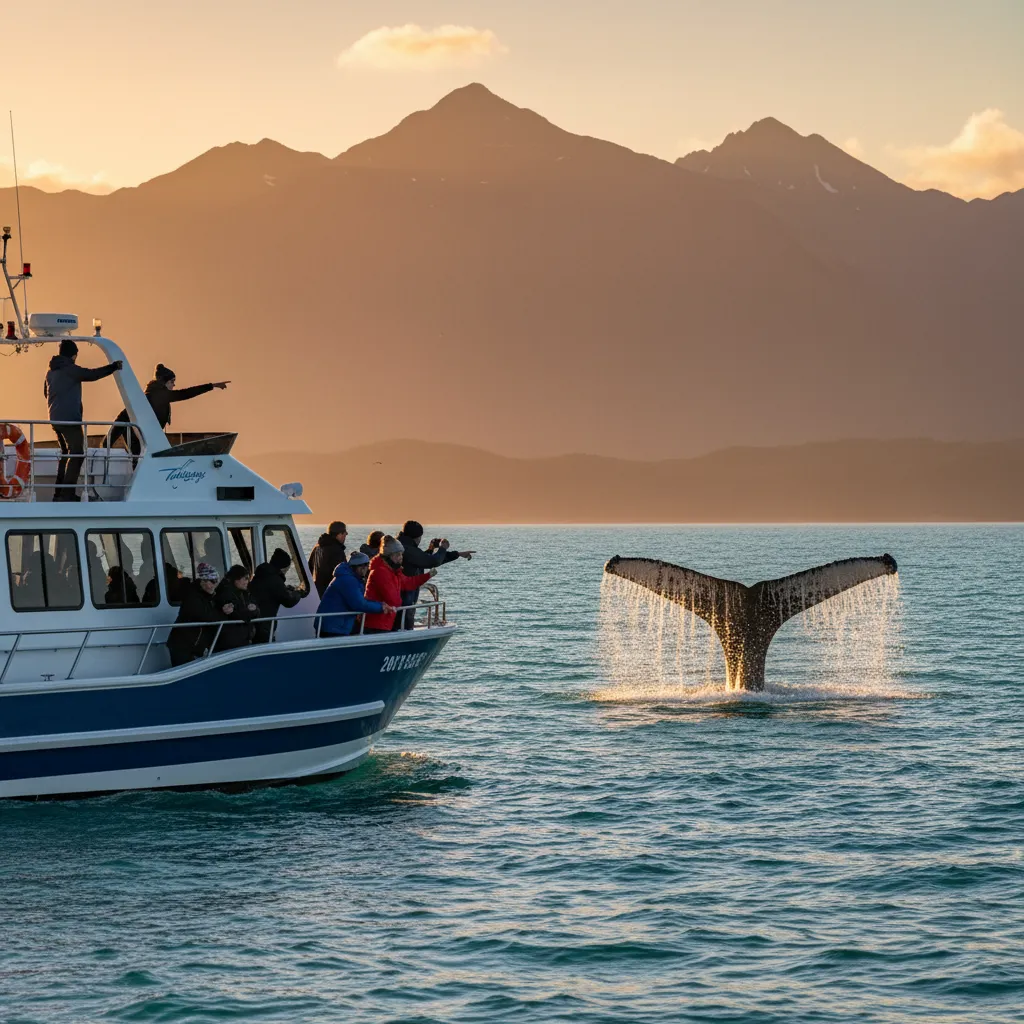
In New Zealand, the concept of Tiaki means to care for people and place. When engaging in marine wildlife tours NZ, visitors are asked to adopt the Tiaki Promise, acting as guardians of the ocean. This is particularly critical in the marine sector, where human interaction can disrupt feeding, breeding, and resting behaviors of sensitive species.
Regenerative travel goes beyond “leave no trace.” It implies leaving a place better than you found it. In the context of marine tours, this involves choosing operators who contribute a portion of their ticket sales to conservation funds, participate in scientific data collection, or actively patrol for poachers and pollution.
Key Principles of Marine Tiaki
- Keep Your Distance: Ethical tours follow strict Department of Conservation (DOC) regulations regarding proximity to marine mammals. This reduces stress on the animals.
- Zero Waste: The ocean is not a trash can. Secure all loose items on deck to prevent accidental plastic pollution.
- No Touch Policy: Whether snorkeling or observing from a boat, never attempt to touch, feed, or chase marine life.
Top Regions for Marine Wildlife Tours NZ
New Zealand’s geography creates distinct marine ecosystems. To maximize your chances of sightings, you must match your target species with the correct region. Below are the premier destinations for commercial marine wildlife tours.
1. Kaikoura: The Whale Capital
Kaikoura is arguably the most famous destination for marine wildlife tours NZ. A deep underwater canyon runs close to the shore, creating a nutrient-rich upwelling that attracts Sperm Whales year-round. This is one of the few places on Earth where these deep-diving giants can be seen consistently.
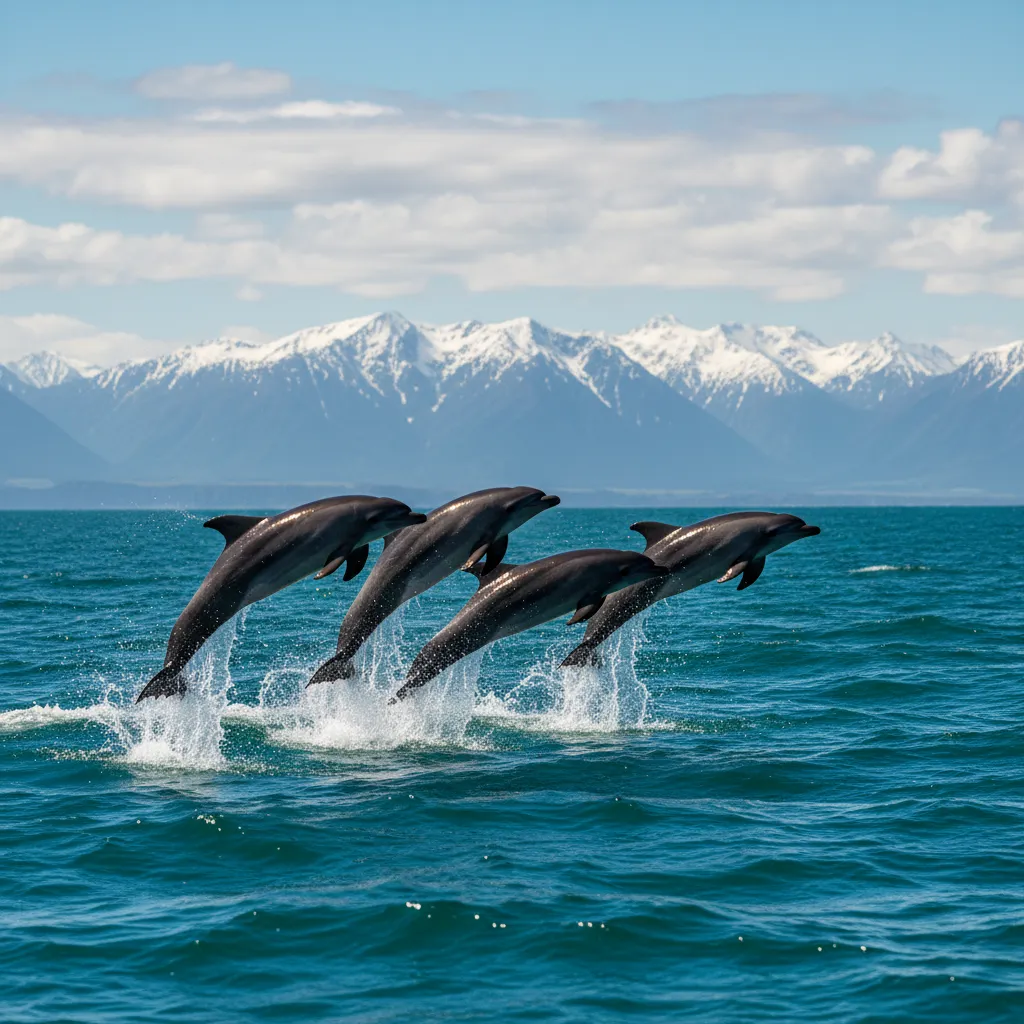
Beyond whales, Kaikoura is home to massive pods of Dusky Dolphins, known for their high-energy acrobatics. Tours here often offer the option to swim with the dolphins, a regulated activity that allows for interaction on the animal’s terms.
2. Akaroa: Home of the Hector’s Dolphin
Located on the Banks Peninsula, Akaroa Harbour is a sanctuary for the world’s smallest and rarest marine dolphin—the Hector’s Dolphin. These petite mammals are easily identified by their rounded, Mickey Mouse-ear dorsal fins. Commercial tours in Akaroa are generally catamaran-based, offering a stable platform for viewing these endangered creatures in the calm harbor waters.
3. The Bay of Islands: Bottlenose and Orca
In the “Winterless North,” the Bay of Islands offers a warmer climate and a different array of species. Large pods of Bottlenose dolphins are residents here. Furthermore, this region is a hotspot for spotting Orca (Killer Whales) as they hunt for stingrays in the shallows. Tours in this region often combine wildlife viewing with historical commentary about the rich Māori heritage of the area.
4. Fiordland (Milford & Doubtful Sound): Seals and Penguins
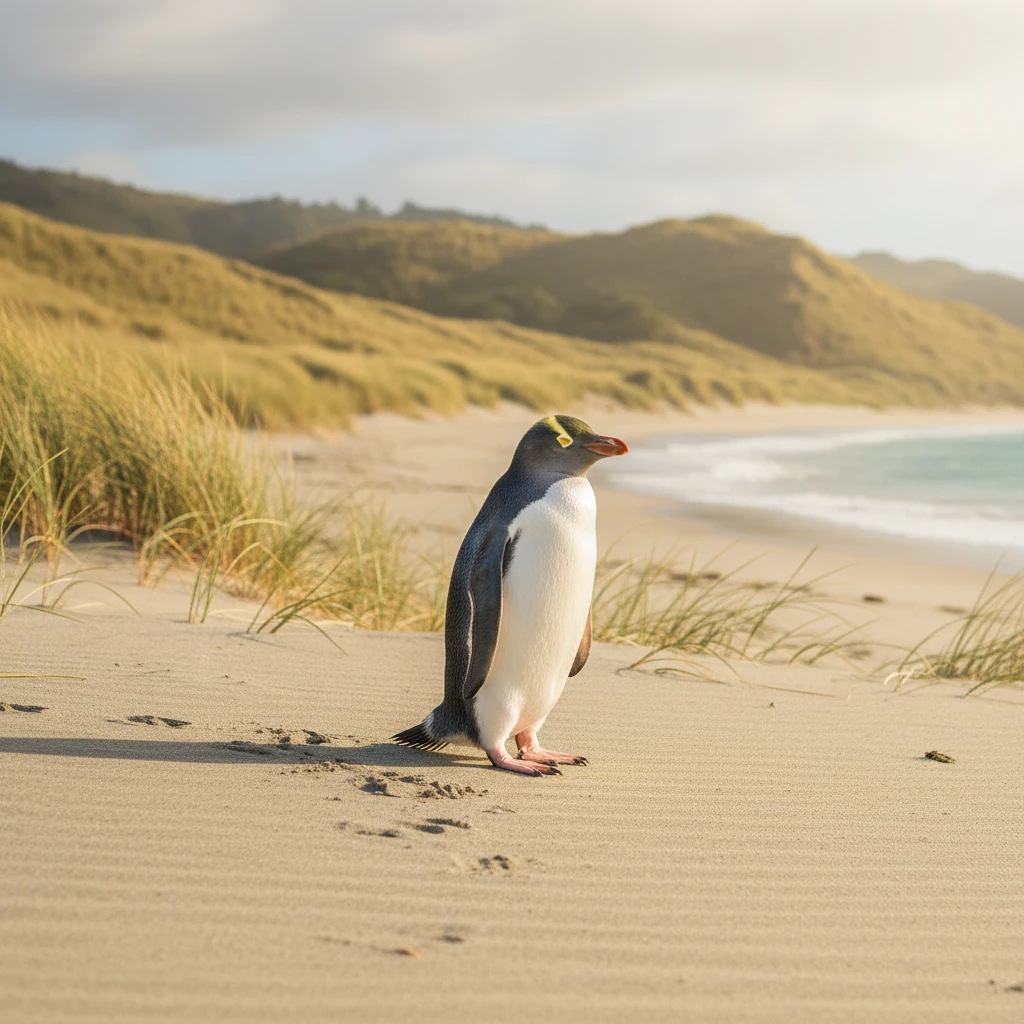
The dark, tannin-stained waters of Fiordland create a unique phenomenon called “deep water emergence,” where deep-sea species live in shallower depths. Tours here are essential for spotting the New Zealand Fur Seal (Kekeno) basking on rocks. More elusive is the Fiordland Crested Penguin (Tawaki), one of the rarest penguins in the world, often seen hopping among the rainforest roots that meet the tide.
Seasonal Migration Calendar (Whales/Orca)
Understanding the seasonal movements of marine life is crucial for planning successful marine wildlife tours NZ. While some species are residents, others are transient visitors.
Spring (September – November)
Spring is a transitional period. In Kaikoura, this is a prime time to spot migrating Humpback Whales as they move from Antarctic feeding grounds to tropical breeding waters. Orca are also frequently sighted along the coastlines chasing stingrays.
Summer (December – February)
This is the peak season for tourism and wildlife activity. Orca sightings are highest in the Bay of Islands and Auckland Hauraki Gulf during these months. In the south, Hector’s dolphin calves are born, making Akaroa a nursery of activity. However, tours book out months in advance, so early reservation is mandatory.
Autumn (March – May)
Autumn offers calmer seas and arguably the best lighting for photography. This is the peak season for seeing various species of Albatross and Petrels, particularly around the Otago Peninsula and Kaikoura. Large pods of Common Dolphins are often seen in the Bay of Plenty.
Winter (June – August)
While colder, winter is the best time for Humpback Whale migration (northbound). Kaikoura and the Cook Strait are the “whale highways” during this time. Sperm Whales remain in Kaikoura, often coming closer to shore. Southern Right Whales are occasionally spotted in the deep south.
Snorkeling vs Diving: Best Spots by Region
For those who prefer to be in the water rather than on a boat, New Zealand offers world-class sub-surface experiences. The choice between snorkeling and diving depends largely on your certification level and the specific marine reserve.
The Poor Knights Islands (Northland)
Verdict: Both (World Class)
Jacques Cousteau rated the Poor Knights Islands as one of the top 10 dive sites globally. Because it is a marine reserve, the fish life is fearless and abundant.
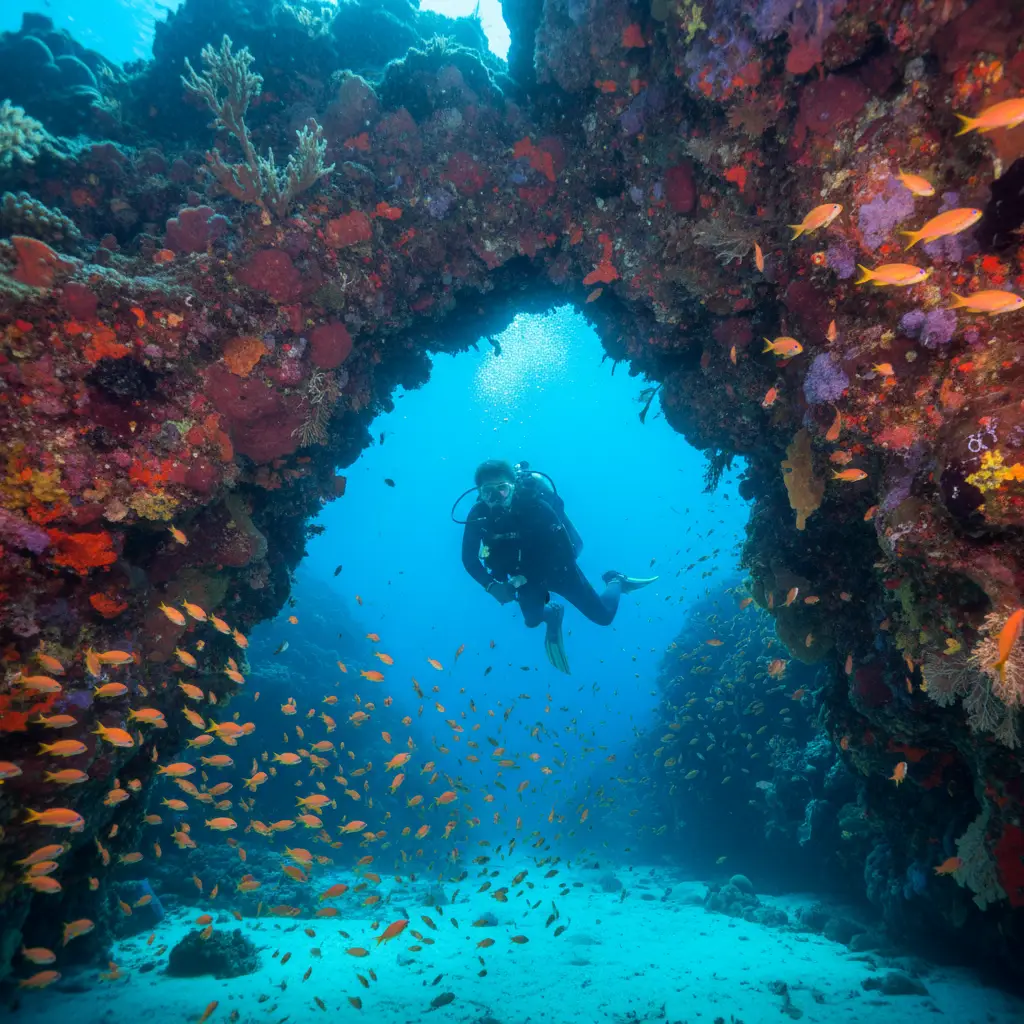
Snorkeling: The Riko Riko Cave, the world’s largest sea cave, provides incredible acoustics and lighting for snorkelers. The water is clear, and the volcanic architecture is visible from the surface.
Diving: Essential for seeing the vibrant nudibranchs, moray eels, and stingrays that inhabit the deeper archways and kelp forests.
Goat Island (Auckland)
Verdict: Snorkeling
New Zealand’s first marine reserve, Goat Island, is accessible from the beach. It is shallow and perfect for beginners. Huge Snapper and Blue Maomao swim right up to snorkelers in waist-deep water. Diving is possible but often unnecessary to see the main attractions.
Stewart Island (Deep South)
Verdict: Cage Diving
For the adrenaline seeker, Stewart Island is the hub for Great White Shark cage diving. This is strictly a diving experience (surface cage or submerged) and requires a thick wetsuit due to the frigid temperatures.
How to Choose an Ethical Operator
With the rise of eco-tourism, many companies claim to be “green,” but not all walk the talk. When researching marine wildlife tours NZ, look for specific accreditations that verify a commitment to animal welfare and sustainability.
DOC Marine Mammal Viewing Permit
This is the non-negotiable baseline. In New Zealand, it is illegal to operate a commercial tour interacting with marine mammals without a permit from the Department of Conservation. These permits dictate how many boats can be near an animal, for how long, and at what speed. If an operator cannot produce this permit, do not book with them.
Qualmark Gold or Silver
Qualmark is New Zealand tourism’s official quality assurance organization. A Gold Sustainable Tourism Business Award indicates the operator is leading the way in making the New Zealand tourism industry a world-class sustainable visitor destination.
Smart Operator Program
Specific to marine boating, the Smart Operator program trains skippers on responsible behavior around wildlife. Operators displaying this badge have undergone voluntary training to minimize their impact on the environment.
Photography & Preparation
Capturing the perfect shot of a whale breach or a dolphin flip requires preparation. Marine environments are dynamic, wet, and fast-paced.
- Shutter Speed is King: Animals move fast. Ensure your shutter speed is at least 1/1000th of a second to freeze the action.
- Polarized Lenses: If you are shooting from a boat, a polarizing filter will cut through the surface glare, allowing you to see the animal’s body underwater before it breaks the surface.
- Seasickness Prevention: The best camera in the world is useless if you are unwell. The waters off Kaikoura and the Bay of Islands can be choppy. Take preventative medication one hour before boarding.
- Layer Up: Even in summer, the wind chill on a moving boat can be cold. Wear a windproof, waterproof outer layer.
Conclusion: The Value of Regenerative Encounters
Booking marine wildlife tours NZ is an opportunity to connect with nature in its rawest form. By choosing operators who adhere to the Tiaki Promise and hold valid DOC concessions, you ensure that your visit funds the protection of these species rather than their exploitation. From the giants of Kaikoura to the tiny dolphins of Akaroa, New Zealand offers a marine experience that stays with you for a lifetime.
People Also Ask
What is the best time of year to see whales in New Zealand?
Sperm whales are resident in Kaikoura and can be seen year-round. However, for migratory species like Humpback whales, the best time is mid-winter (June to August) as they travel north from Antarctica.
Are marine wildlife tours in NZ ethical?
Yes, the vast majority are highly ethical. The industry is strictly regulated by the Department of Conservation (DOC). Operators must hold specific permits that limit interaction times and approach distances to ensure animal welfare.
Can you swim with dolphins in New Zealand?
Yes, you can swim with Dusky Dolphins in Kaikoura and Hector’s Dolphins in Akaroa. However, this is tightly regulated. Swimmers are only allowed in the water when the dolphins are receptive, and touching the animals is strictly prohibited.
How much do marine wildlife tours cost in NZ?
Prices vary by region and vessel. A typical whale watching boat tour in Kaikoura costs between $150 and $180 NZD per adult. Dolphin swimming tours are generally more expensive, ranging from $200 to $250 NZD.
Where is the best place to see penguins in New Zealand?
The Otago Peninsula (near Dunedin) and Oamaru are the best places to see Little Blue Penguins and Yellow-Eyed Penguins. Fiordland is the best location to spot the rare Fiordland Crested Penguin.
What happens if the tour is cancelled due to weather?
Marine tours are weather-dependent. Most reputable operators offer a full refund or the option to rebook for a different day if the tour is cancelled by the skipper for safety reasons. Always check the cancellation policy before booking.