A Dark Sky Project Lake Tekapo booking grants access to the Aoraki Mackenzie International Dark Sky Reserve, the world’s largest gold-status reserve. Visitors can reserve guided tours at the Mt John Observatory or the Cowan’s Hill Crater Experience to view constellations, planets, and nebulae through high-powered telescopes under pristine, light-pollution-free skies.
Mt John Observatory Tour Options: The Summit Experience
When securing a dark sky project lake tekapo booking, the most sought-after option is undoubtedly the Summit Experience atop Mount John. This location is not merely a tourist attraction; it is the University of Canterbury’s premier astronomical research center. At 1,029 meters above sea level, the observatory sits high above the inversion layer that often traps dust and low-lying clouds, offering unparalleled clarity.
The Summit Experience is an immersive 1 hour and 45-minute tour. Due to the sensitive nature of the research equipment and the strict light pollution controls required for the observatory to function, private vehicles are not permitted on the summit at night. Your booking includes specialized transport from the Dark Sky Project Base in Tekapo township. The journey up the mountain is done in complete darkness—the bus drivers use night-vision technology or guide lights to navigate, ensuring your eyes begin to dark-adapt before you even reach the telescopes.
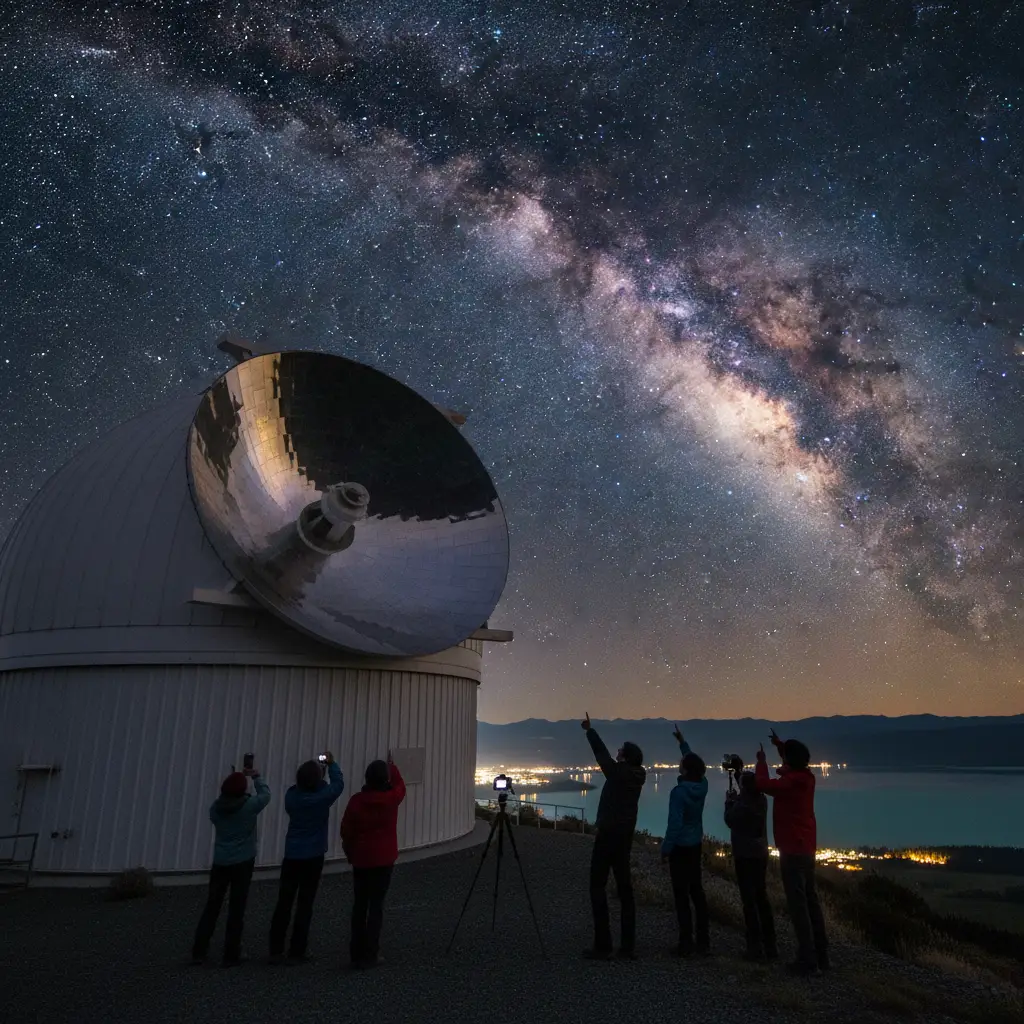
Once at the summit, you are guided by expert astronomy guides who utilize green lasers to point out constellations, navigating the southern sky with precision. The highlight, however, is the access to the hardware. Visitors typically get to use 16-inch Meade telescopes and sometimes have access to the larger research-grade instruments depending on availability and research schedules. You will observe deep-sky objects such as the Jewel Box Cluster, the Tarantula Nebula, and, depending on the time of year, planets like Saturn and Jupiter with distinctive clarity.
Who is this tour best for?
The Summit Experience is ideal for adults and children over the age of 10 who have a genuine interest in astronomy and the patience to handle the cold, alpine environment. It is a transactional priority to book this weeks, if not months, in advance, especially around the New Moon phase when the skies are darkest.
The Crater Experience: Accessible Stargazing
If the Summit Experience is fully booked—a common occurrence given the high demand for a dark sky project lake tekapo booking—or if you are traveling with younger children, the Crater Experience at Cowan’s Hill is an exceptional alternative. Located in a purpose-built crater closer to the township, this location is shielded from stray light by high earthen walls, creating a natural amphitheater for stargazing.
The primary advantage of the Crater Experience is accessibility. It requires less travel time, making the total duration approximately 1 hour and 15 minutes. While you are at a lower altitude than Mt John, the quality of the sky in the Mackenzie Basin is so high that the difference is often negligible to the naked eye. The tour utilizes 14-inch telescopes, which are more than capable of resolving the rings of Saturn or the craters of the Moon in stunning detail.
For eco-tourists interested in regenerative travel, the Crater Experience often focuses heavily on storytelling, including Māori astronomy (Tātai Arorangi). Guides explain how indigenous voyagers navigated the Pacific using the stars, adding a rich cultural layer to the scientific observation.
Hot Pools & Stargazing Combos
For those seeking a multi-sensory experience, combining astronomy with relaxation is a unique offering in the Mackenzie Basin. The Tekapo Springs Star Gazing tour offers a distinct departure from the scientific rigor of Mt John. This experience combines a guided astronomy tour with the relaxation of soaking in 38-degree Celsius hot pools.
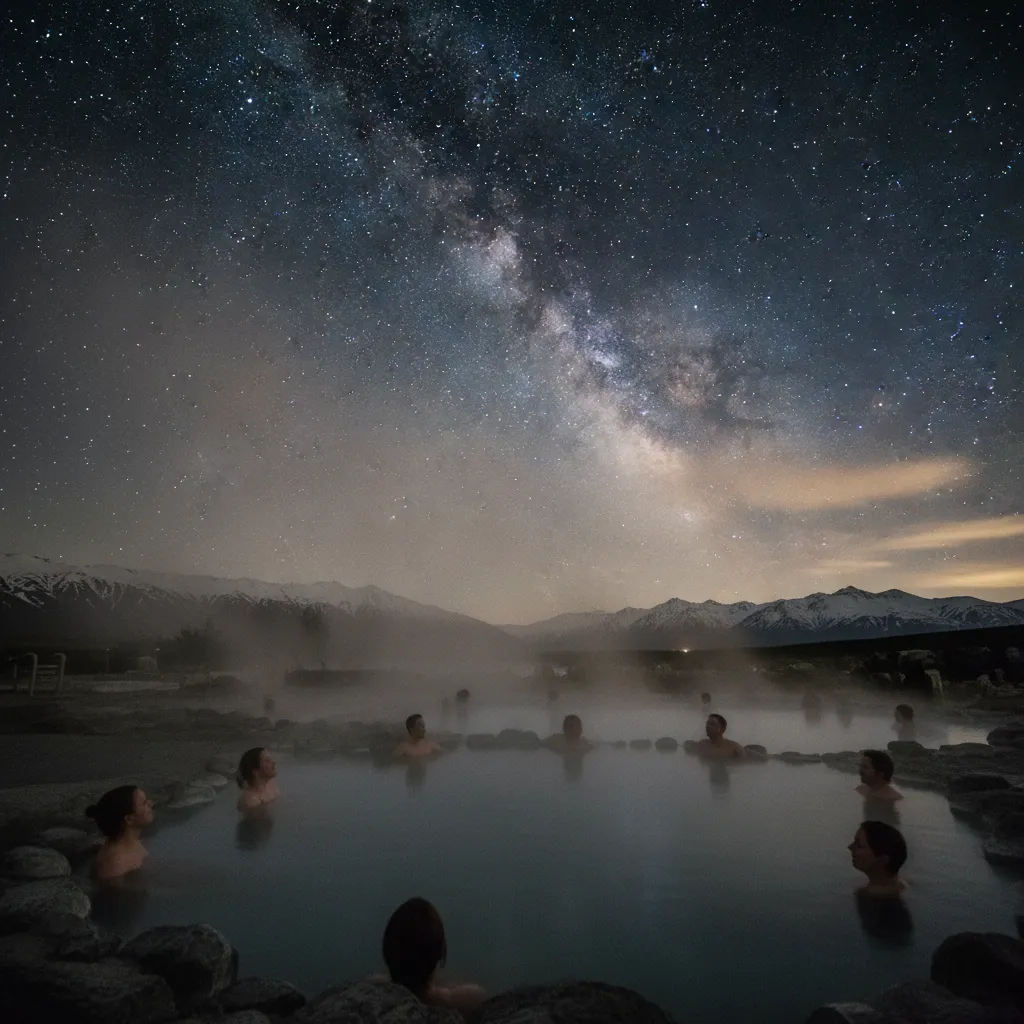
The format typically begins with a telescope viewing session using high-powered Celestron telescopes on the deck. Following the educational component, guests transition to the hot pools. Here, you lie back on floating hammocks, listening to an audio guide or a live narrator while gazing up at the Milky Way. This “soak and star” approach appeals to couples and luxury travelers who want to experience the sky without the biting alpine wind associated with mountaintop observatories.
When making a booking for this combo, ensure you check the “weather check” policy, as the pools remain open in light rain (which creates a mystical atmosphere), but the telescope portion may be cancelled if cloud cover is too dense.
Accommodation with Skylights/Telescopes
To truly immerse yourself in the Aoraki Mackenzie International Dark Sky Reserve, your accommodation choice should reflect your intent. A standard hotel room with curtains drawn misses the point of visiting this region. Several boutique accommodations and eco-lodges have been designed specifically with the night sky in mind.
Look for properties that offer “Skylight Suites” or glass-roofed cabins. Notable options in the region include the Greystone PurePod and various luxury Airbnbs that provide private telescopes on the deck. These accommodations allow you to conduct your own private stargazing sessions without a strict time limit.
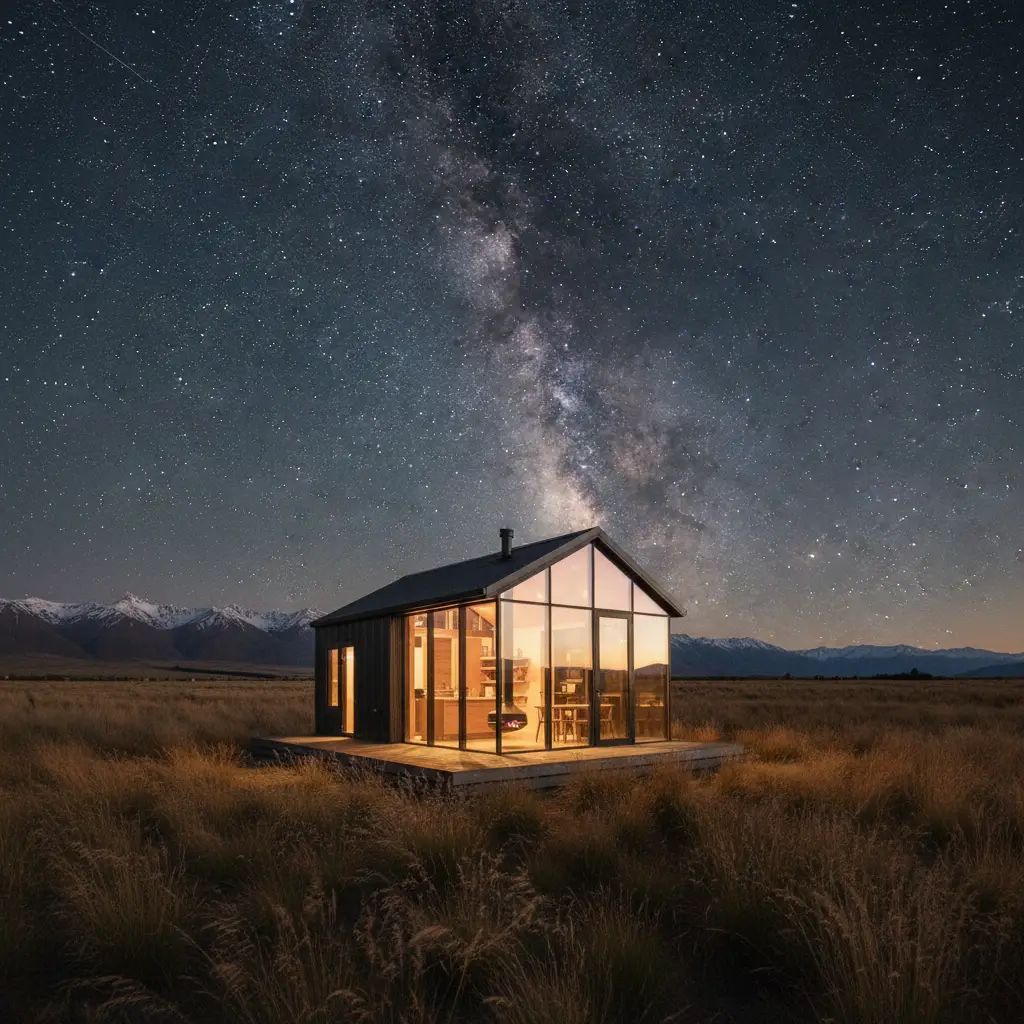
When booking these accommodations, check for “Dark Sky Friendly” lighting. These properties utilize amber or red outdoor lighting to prevent pupil constriction and minimize light pollution, ensuring your night vision is preserved the moment you step outside. This alignment with dark sky principles is a hallmark of the regenerative tourism movement in New Zealand, prioritizing the preservation of the natural environment over light-heavy aesthetic choices.
Weather Contingency Plans for Tekapo
The most critical aspect of managing a dark sky project lake tekapo booking is understanding the weather. The Mackenzie Basin is an alpine environment; weather changes rapidly, and cloud cover can obscure the stars unexpectedly. However, the Dark Sky Project has developed a robust contingency plan to ensure value is delivered even when the skies do not cooperate.
The Indoor Astronomy Experience
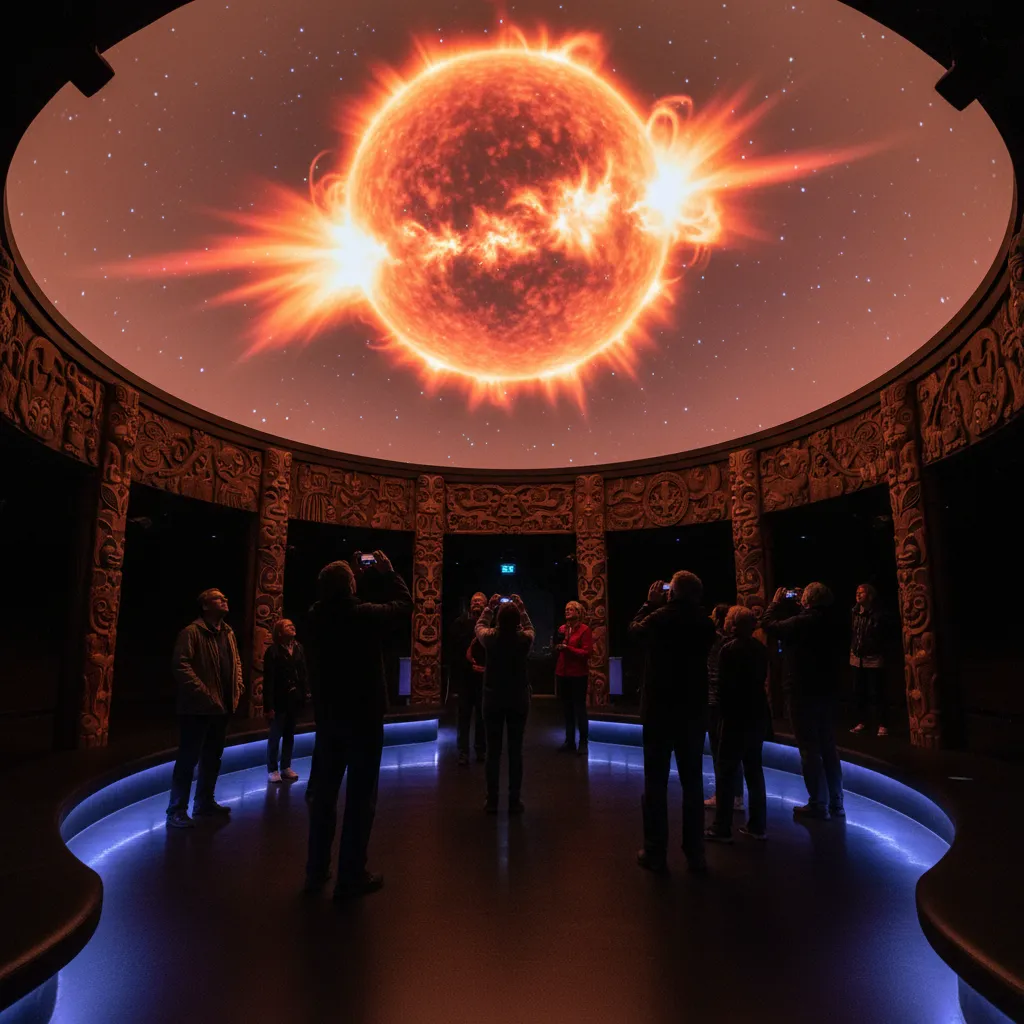
If the weather prevents outdoor viewing, the tour transitions to the Dark Sky Project Base building on the lakefront. This facility houses the “Dark Sky Experience,” a multimedia indoor attraction. It combines Māori mythology with astrophysics, utilizing projection mapping and interactive displays to explain the life cycle of stars and the history of the universe.
While this is not a direct replacement for seeing the actual stars, it is a high-quality educational experience. Most operators offer a partial refund or the option to reschedule if the outdoor portion is cancelled. When booking, always read the cancellation policy carefully. Standard practice usually involves a decision made 30 to 60 minutes prior to the tour start time. It is advisable to book your tour for the first night of your stay in Tekapo; this provides a buffer, allowing you to reschedule for subsequent nights if the weather is unfavorable.
Eco-Tourism & The Dark Sky Reserve
Visiting Lake Tekapo for stargazing is an act of participating in regenerative tourism. The Aoraki Mackenzie International Dark Sky Reserve was established not just for tourism, but to protect the night sky as a natural and cultural heritage. Light pollution is a growing global issue that disrupts wildlife migration, human circadian rhythms, and energy consumption.
By choosing a dark sky project lake tekapo booking, you are financially supporting the conservation efforts required to maintain the reserve’s Gold Status. This includes the retrofitting of streetlights in the region to fully shielded amber LEDs and the ongoing education of residents and visitors regarding light spill.
Furthermore, the integration of Māori astronomy into the tours helps preserve intangible cultural heritage. You will learn about the “Great Waka” (Canoe) in the sky and how the stars dictated the planting and harvesting seasons (Maramataka). This holistic approach ensures that your visit contributes to the sustainability of the region, leaving the environment and the culture stronger than before.
People Also Ask
What is the best time of year for stargazing in Lake Tekapo?
The best time for stargazing is during the winter months (May to September). Although temperatures can drop below freezing, the cold air holds less moisture, resulting in crisper, clearer skies. Additionally, the galactic core of the Milky Way is most visible during these months. However, stargazing is a year-round activity, and summer offers milder temperatures.
How far in advance should I book the Dark Sky Project?
It is highly recommended to book at least 2 to 4 weeks in advance, especially for the Mt John Summit Experience. During peak tourist seasons (December-February) and Chinese New Year, slots can sell out months ahead. Booking early secures your preferred time slot, ideally later in the night when the sky is darkest.
Can I drive up to Mt John Observatory at night myself?
No, you cannot drive up to Mt John Observatory at night in a private vehicle. The road is closed to the public after sunset to prevent car headlights from interfering with the sensitive astronomical equipment and the tour experiences. You must book a guided tour to access the summit at night.
What happens if it is cloudy on the night of my booking?
If the weather is unsuitable for stargazing, operators typically offer a “cloudy weather alternative,” which may include an indoor interactive tour or a partial refund. Some operators allow you to reschedule to a different night if seats are available. Always check the specific terms and conditions at the time of booking.
Is the Dark Sky Project suitable for young children?
The Mt John Summit Experience has a minimum age requirement (usually 5 or 8 years old, depending on the operator and time) due to the late hours and cold conditions. The Crater Experience is generally more family-friendly. For very young children, the indoor Dark Sky Experience is the best option.
What should I wear for a stargazing tour?
Dress very warmly, regardless of the season. The summit of Mt John is exposed to alpine winds. Wear thermal layers, a heavy down jacket, a beanie, gloves, and sturdy footwear. The tour operators often provide heavy rental jackets, but having your own layers is essential for comfort.