The best waterproof hiking boots for New Zealand’s wet forests typically feature a robust full-grain leather upper paired with a Gore-Tex membrane to withstand constant moisture and abrasion. For NZ conditions, look for boots with a stiff shank for stability on rooty tracks, deep Vibram lugs for mud traction, and full gaiter compatibility to prevent debris entry.
Why New Zealand Tramping Requires Specific Footwear
Hiking in New Zealand—locally referred to as “tramping”—presents a set of environmental challenges that are distinct from the dry trails of the PCT or the well-paved paths of the Alps. The New Zealand bush is characterized by high humidity, frequent rainfall, and dense vegetation. Consequently, the ground is often saturated, leading to deep mud, slippery rock faces, and extensive networks of tree roots that traverse the tracks.
When searching for waterproof hiking boots nz reviews, it is critical to filter for footwear that can handle “wet feet” conditions. Unlike dry climates where a boot might get wet occasionally, NZ boots often stay wet for days. The mechanical stress placed on a boot in the Tararua Ranges or Fiordland is immense. The mud acts as a grinding paste that wears down stitching, while the sharp greywacke rock can shred lightweight synthetic uppers. Therefore, the selection criteria must prioritize durability, water resistance, and traction over ultra-lightweight performance.
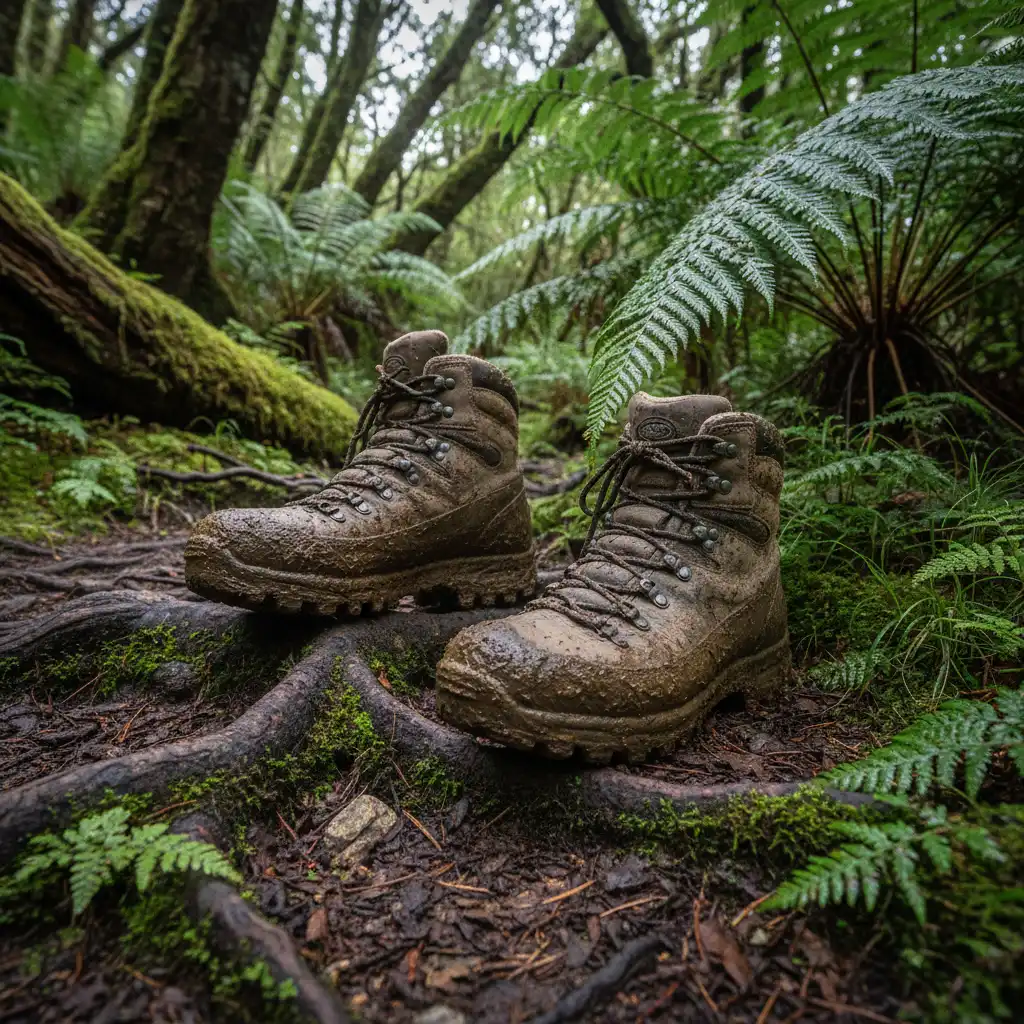
Leather vs. Synthetic Durability in NZ Conditions
One of the most common debates among trampers is the choice between traditional leather and modern synthetic materials. In the context of New Zealand’s wet forests, this decision impacts not just comfort, but the longevity of your investment.
The Case for Full-Grain Leather
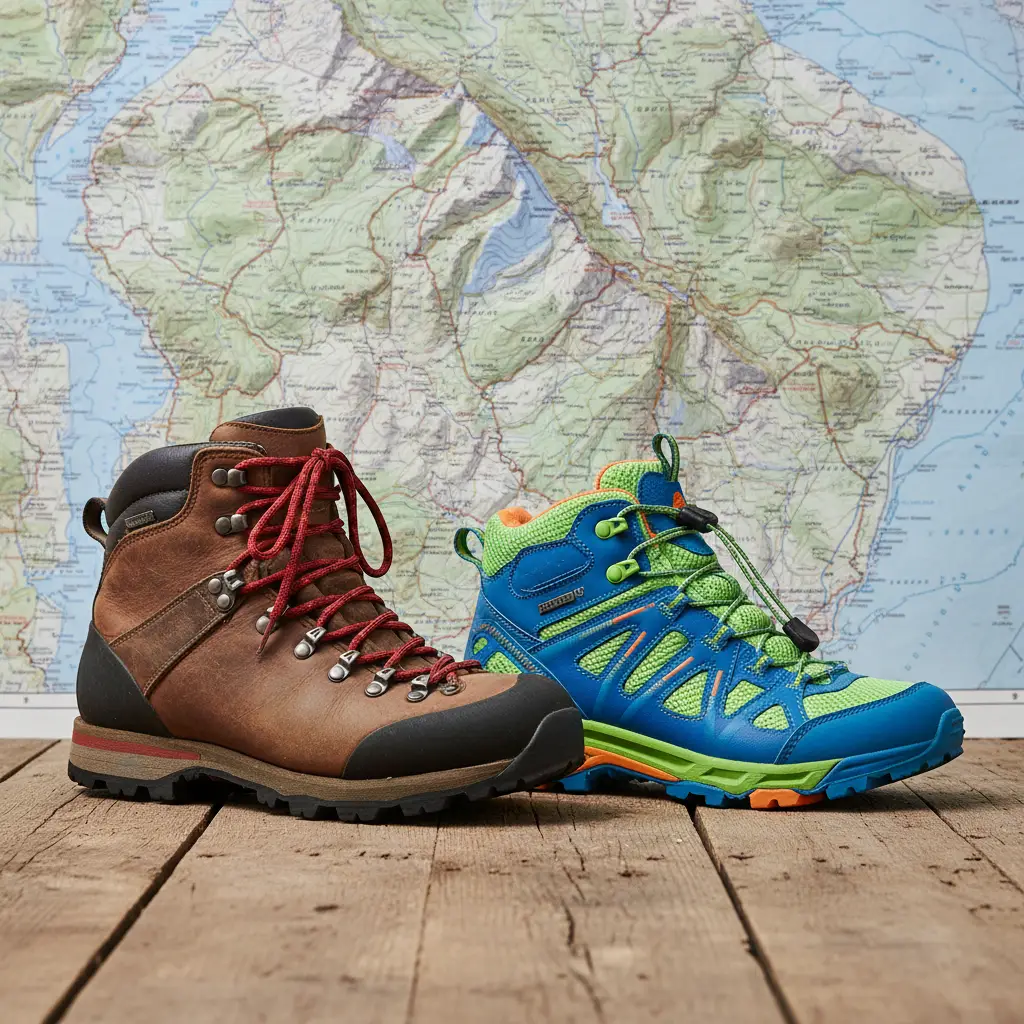
For decades, full-grain leather has been the gold standard for NZ tramping. A boot made from a single piece of 2.4mm to 2.8mm thick leather offers fewer seams. In boot construction, seams are the weak points; they are where water enters and where stitching fails first. Leather is naturally abrasion-resistant, capable of deflecting sharp sticks and rocks that would puncture a mesh upper.
Furthermore, leather can be treated with wax or grease to maintain its waterproof qualities over years of use. While heavier, a well-maintained leather boot like the Meindl Island or Lowa Tibet molds to the foot and provides a “cast-like” fit that reduces foot fatigue on long, multi-day walks.
The Case for Synthetic Materials
Synthetic boots, often utilizing Kevlar, nylon, or polyester mesh, offer significant weight savings. They require virtually no break-in period and are generally more breathable than heavy leather. However, in the abrasive environment of the NZ bush, synthetic uppers tend to fail faster. The mud works its way into the fabric weave, breaking down fibers.
For day walks or Great Walks (which are well-maintained), a synthetic boot like the Salomon Quest is excellent. However, for off-track routes or rougher backcountry tramps, the durability of leather usually wins out in impartial waterproof hiking boots nz reviews.
Ankle Support for Rooty Tracks
The term “rooty” is an understatement for many NZ tracks. Beech forests, in particular, have extensive root systems that sit above the soil surface, creating a tripping hazard and an uneven platform for every step. This terrain demands superior ankle support to prevent sprains and rolls.
High-Cut vs. Mid-Cut
While mid-cut boots are popular for their agility, a high-cut boot is generally recommended for NZ backcountry travel. A higher collar provides a rigid structure that acts as a brace for the ankle. When you are carrying a pack weighing 15kg or more, your center of gravity shifts, increasing the torque on your ankles when you slip on a wet root. A high-cut boot absorbs this force, saving your ligaments.
Torsional Stiffness
Beyond the collar height, the stiffness of the sole unit (torsional stability) is vital. You should not be able to wring your hiking boot out like a dishcloth. A stiff shank (often nylon or polyurethane) ensures that when you edge on a small rock or root, the boot supports your weight rather than collapsing. This reduces calf fatigue significantly over an 8-hour day.
Gaiters Compatibility
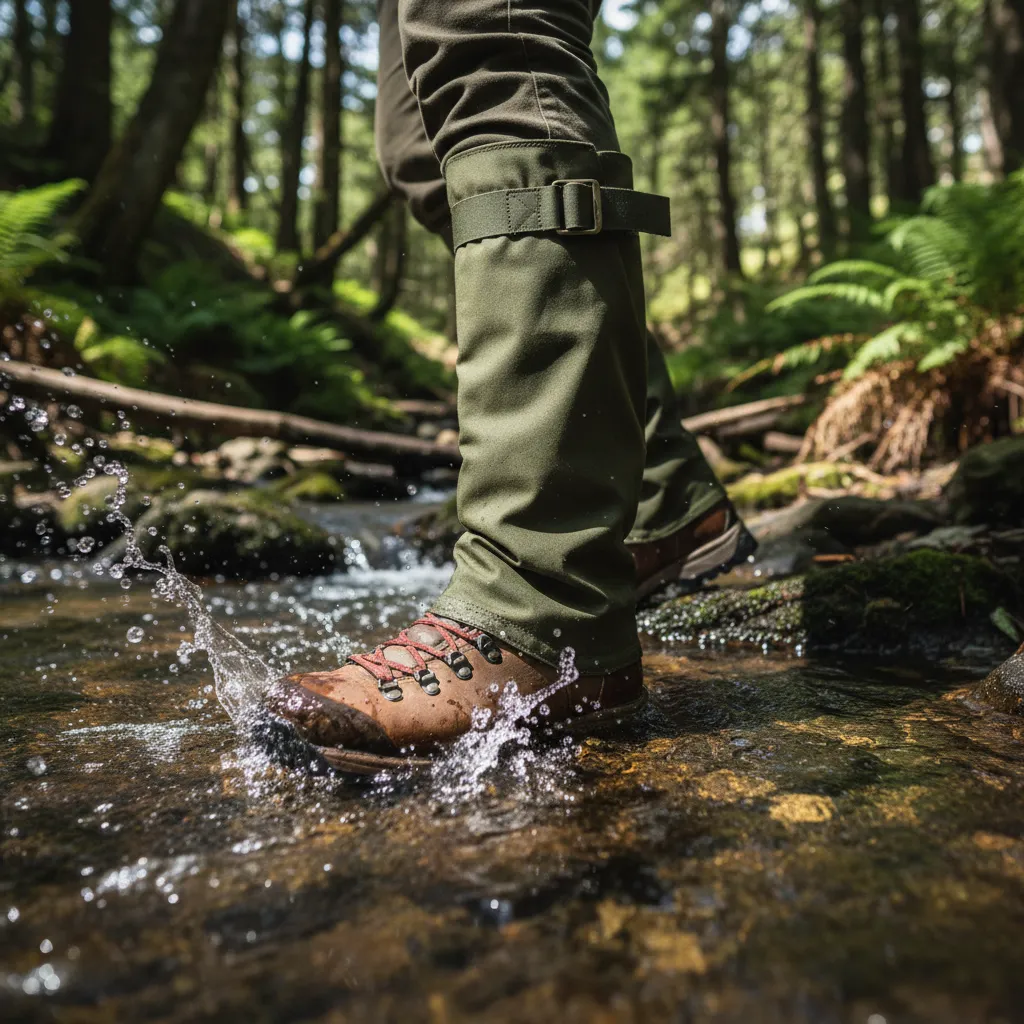
In many parts of the world, gaiters are an optional accessory. In New Zealand, they are essential equipment. They prevent mud, seeds, gravel, and water from entering the top of your boot. Furthermore, they protect your shins from stinging nettle and hook grass.
When evaluating boots, look for a defined “heel breast” (the step between the heel and the forefoot arch). This allows the gaiter strap to sit securely under the boot without wearing out against the ground. Some modern “fast hiking” boots have flat soles similar to sneakers; these are often incompatible with heavy-duty gaiters because the strap will wear through in a matter of days. Additionally, check for a durable D-ring or lacing point at the toe to hook the front of the gaiter.
Top Rated Waterproof Hiking Boots NZ Reviews
Based on durability, waterproofing, and suitability for the specific conditions of New Zealand, the following models consistently rank highest among local guides and experienced trampers.
1. Lowa Tibet GTX
Best For: Heavy loads, rough off-track terrain, and maximum durability.
The Lowa Tibet is frequently cited as the benchmark for NZ hunting and tramping. It features a Nubuck leather upper, a high rubber rand (essential for protection against scree), and a very stiff sole. The Gore-Tex lining is reliable, but the leather itself does the heavy lifting regarding water resistance. It is heavy, but for a 10-day trip in Stewart Island mud, it is unbeatable.
2. Scarpa Kailash Plus GTX
Best For: The all-rounder, Great Walks, and moderate bush tramps.
Scarpa is a dominant brand in New Zealand. The Kailash strikes a balance between the weight of a synthetic boot and the durability of leather. It has a slightly softer flex than the Lowa Tibet, making it more comfortable for track walking while still offering sufficient support for moderate off-road sections. The Vibram Biometric sole clears mud effectively.
3. Meindl Island MFS Active
Best For: Comfort and classic leather performance.
Meindl’s MFS (Memory Foam System) uses heat-moldable foam in the ankle area, providing a custom fit that reduces blister risk. The Island is a Category B/C boot, meaning it is stiff enough for crampons but flexible enough for walking. It uses Sil-Nubuck leather and a Gore-Tex liner. It is a favorite among DOC (Department of Conservation) rangers.
4. Salomon Quest 4 GTX
Best For: Moving fast, lighter packs, and those who prefer synthetic.
If you prefer the feel of a running shoe but need the protection of a boot, the Salomon Quest 4 is the top contender. It utilizes a sophisticated chassis system to provide stability without the weight of a thick shank. While it may not last as many seasons as a Lowa or Meindl due to its synthetic construction, its out-of-the-box comfort is superior.
Breaking in Boots Before Travel
A critical mistake many eco-tourists make is purchasing their boots immediately before arriving in New Zealand. Stiff, leather hiking boots require a significant break-in period to soften the leather and allow the footbed to mold to your unique foot shape.
The Break-In Protocol:
- Weeks 1-2: Wear the boots inside your house with the hiking socks you intend to use. This ensures the fit is correct without voiding the return policy.
- Weeks 3-4: Go for short walks (3-5km) on flat terrain. Focus on lacing techniques to lock the heel in place.
- Weeks 5-6: Introduce elevation and weight. Wear a loaded pack and find some hills. This reveals “hot spots” where blisters might form.
Failure to break in boots properly before tackling a track like the Milford or the Kepler can result in debilitating blisters that ruin the trip.
Maintenance: Keeping Boots Waterproof
Waterproof membranes like Gore-Tex are internal. The external material (leather or synthetic) is the first line of defense. In New Zealand, the acidic nature of peat mud can rot stitching and dry out leather, causing it to crack.
Cleaning: Always clean your boots after a tramp. Remove the laces and insoles, and use a soft brush and water to remove all mud. Do not use detergent unless it is a specialized footwear cleaner.
Re-proofing: Once clean and damp, apply a waterproofing agent. For leather, products like Nikwax (water-based) or beeswax-based conditioners are standard. Avoid softening oils (like mink oil) on boots designed to be stiff, as they can cause the leather to lose its structural integrity. For synthetic boots, a spray-on DWR (Durable Water Repellent) restorer is necessary to prevent the outer fabric from “wetting out,” which inhibits breathability.

Do I really need boots for NZ Great Walks?
While some experienced ultralight hikers use trail runners, boots are highly recommended for most walkers. The weather in NZ can change rapidly, bringing snow or heavy rain even in summer. Boots provide thermal protection and ankle support that trail runners lack, which is crucial if you are fatigued or carrying a heavy pack.
Are trail runners better than boots for NZ?
Trail runners drain water faster than boots, which is an advantage if you are crossing deep rivers constantly (where water goes over the top of a boot). However, for general tramping involving mud and cold conditions, boots keep your feet drier and warmer. Trail runners also wear out very quickly on sharp NZ rock.
How do I dry my boots in a hut?
Never place boots directly in front of a fire or on top of a wood burner. The high heat will delaminate the glue holding the sole and shrink the leather. Instead, remove the insoles and laces, open the tongue wide, and place them in a warm, dry spot near (but not too close to) the heat source. Stuffing them with newspaper helps absorb moisture.
What is the best brand of hiking boots in NZ?
There is no single “best” brand, but European brands tend to suit NZ conditions best due to their rugged construction. Lowa, Meindl, Scarpa, and Salewa are widely considered the top tier for NZ tramping. Salomon and Merrell are popular for lighter tracks.
Is leather better than Gore-Tex?
This is a misunderstanding of terms. Gore-Tex is a waterproof liner inside the boot, while leather is the outer material. The best combination for NZ is often a leather boot with a Gore-Tex liner. Leather provides durability and structure, while Gore-Tex provides the final waterproof barrier.
Do I need gaiters for hiking in New Zealand?
Yes, gaiters are highly recommended for almost all multi-day tramps in New Zealand. They keep mud, stones, and seeds out of your boots and keep your socks dry during shallow stream crossings. They also protect your legs from cutty grass and stinging nettle.