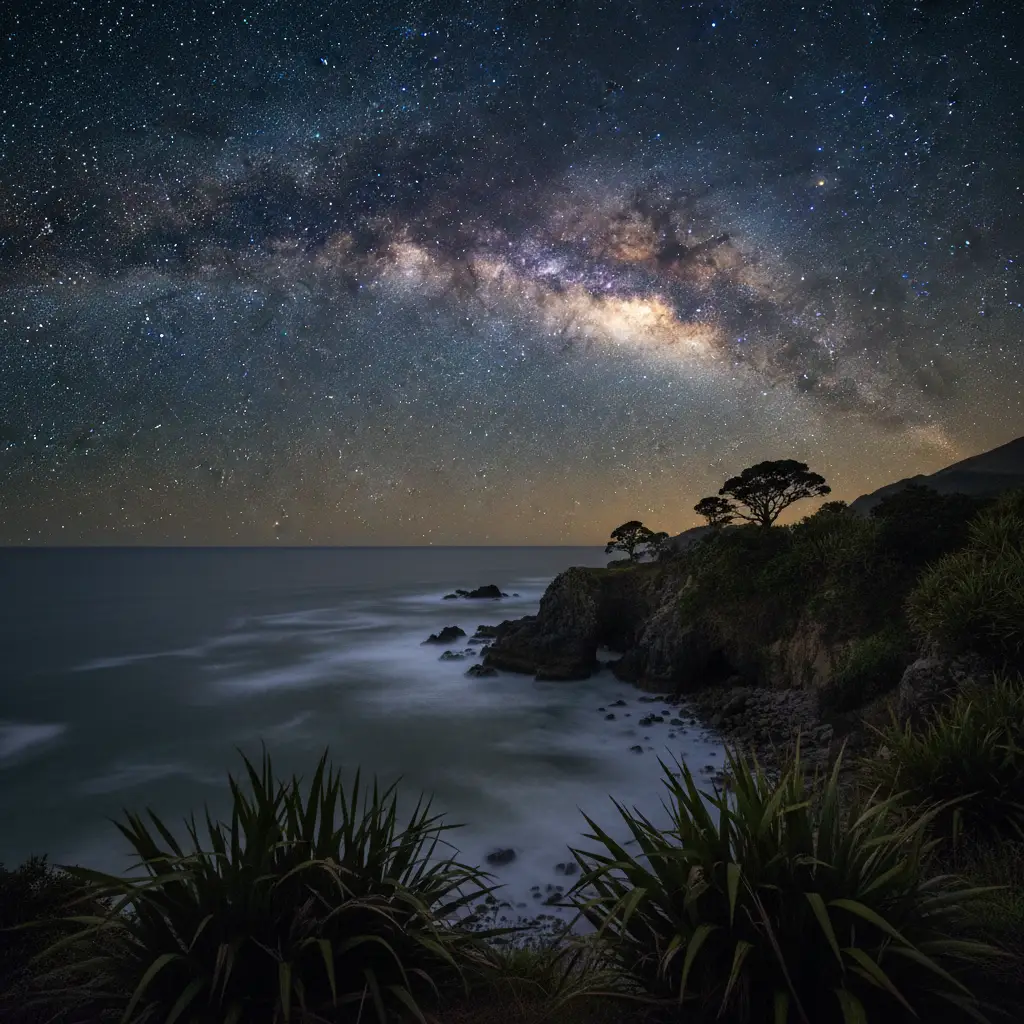
Great Barrier Island (Aotea) is an accredited International Dark Sky Sanctuary, distinguished by its isolation and lack of mains electricity, resulting in minimal light pollution. It offers some of the darkest skies on Earth, allowing visitors to view the Milky Way and Magellanic Clouds with the naked eye, making it a premier destination for astro-tourism in New Zealand.
What is the Great Barrier Island Dark Sky Sanctuary?
In the realm of astro-tourism, few accolades are as prestigious as the title of an International Dark Sky Sanctuary. Aotea/Great Barrier Island holds this distinction, setting it apart as one of the most pristine environments for stargazing globally. Unlike a Dark Sky Reserve, which often surrounds an observatory and may have peripheral light sources, a Sanctuary is typically situated in a very remote location with little to no threat to the quality of its dark skies.
Located approximately 100 kilometers northeast of Auckland, the island is unique because it operates entirely off the grid. There is no reticulated electricity supply; residents rely on solar power, wind turbines, and generators. This infrastructure limitation is a blessing for astronomers and eco-tourists. The absence of streetlights and neon signage ensures that the Bortle Scale rating—a measure of night sky brightness—remains exceptionally low, often hitting Class 1 (excellent dark-sky site).
For the traveler, this means an immersive experience where the celestial sphere dominates the landscape. The isolation of Aotea provides a silence that matches the visual spectacle, creating a profound connection with the cosmos that is increasingly rare in the modern world.
Aotea/Great Barrier Island Stargazing Logistics
Planning a trip to experience the Great Barrier Island dark sky requires more preparation than a standard holiday. Because the environment is rugged and services are limited, understanding the logistics of stargazing here is crucial for a successful expedition.
Best Time of Year for Stargazing
While the stars are present year-round, the quality of the viewing experience fluctuates with the seasons. Winter (June to August) generally offers the crispest, clearest skies. The cooler air holds less moisture, reducing atmospheric distortion. However, winter on the island can be wet and stormy, so flexibility is key. Summer offers more comfortable temperatures for long nights spent outdoors, and the galactic core of the Milky Way is often most visible during the middle of the year.
Understanding Moon Phases
To fully appreciate the sanctuary status, you must schedule your visit around the lunar cycle. A full moon can be incredibly bright, washing out the fainter stars and nebulae. Aim to visit during the New Moon phase or when the moon rises late or sets early. This window ensures the sky is pitch black, allowing the full depth of the cosmos to reveal itself.
Top Viewing Locations
While you can see the stars from almost anywhere on the island, certain spots offer superior vantage points:
- Medlands Beach: Easily accessible and facing east, this is a prime spot for watching celestial bodies rise over the ocean. The sound of the waves adds an auditory layer to the experience.
- Windy Canyon: For the more adventurous, a short hike up Windy Canyon offers elevated views. The rock formations provide a dramatic foreground for astrophotography, though care must be taken navigating in the dark.
- Whangapoua Beach: Located in the north, this area is remote even by island standards, offering zero light pollution towards the northern horizon.
Travel Logistics: Ferry vs. Flight Access for Islands
Reaching this remote sanctuary is part of the adventure. Visitors must choose between speed and scenery (flight) or capacity and pace (ferry). Both options have distinct advantages depending on your travel style and equipment needs.
Taking the Flight
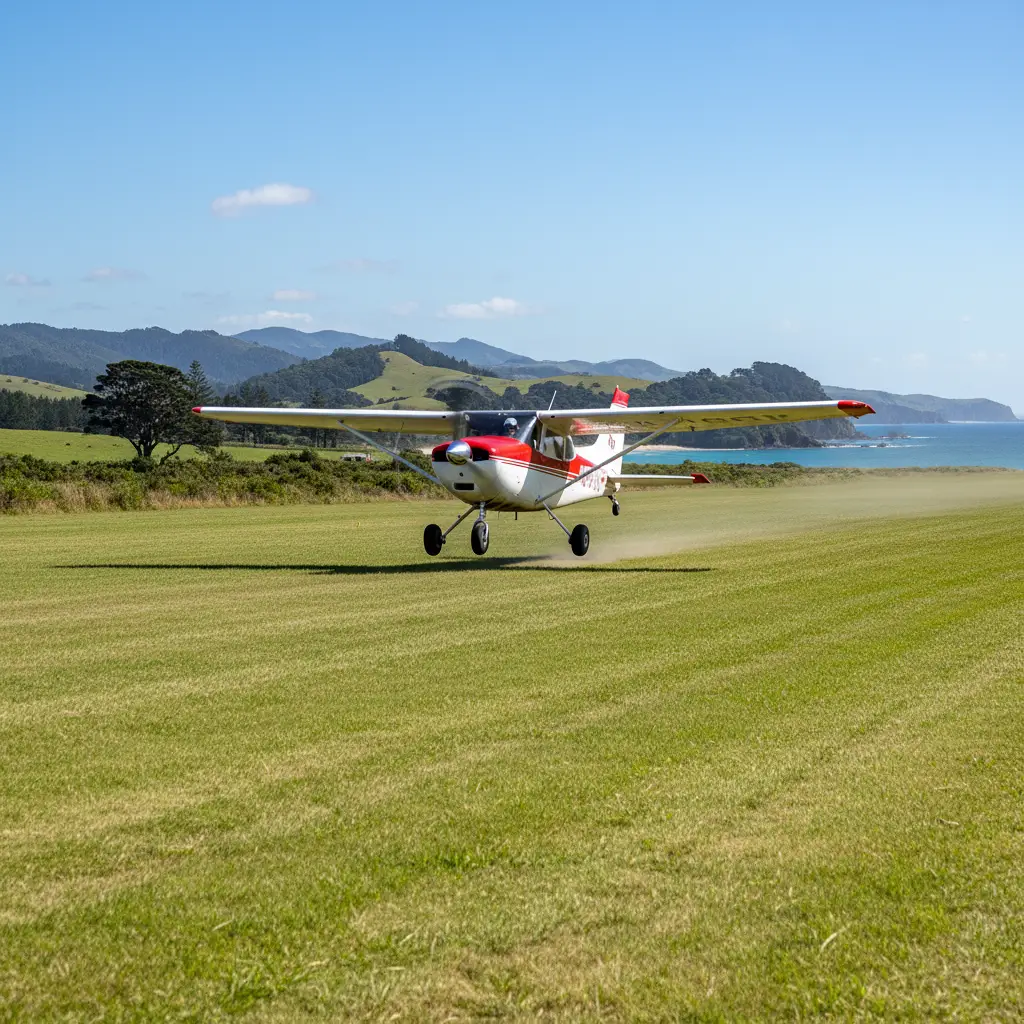
Flights to Great Barrier Island depart from Auckland Airport (Domestic) or North Shore Airfield. The flight takes approximately 30-40 minutes.
Pros: It is fast and offers spectacular aerial views of the Hauraki Gulf and the island’s rugged topography. It is ideal for short trips or those prone to seasickness.
Cons: Luggage allowances are strict. If you are bringing heavy telescopes, tripods, and camping gear, the weight limits can be prohibitive or expensive.
Taking the Ferry
The SeaLink ferry departs from Wynyard Quarter in Auckland and takes approximately 4.5 hours to reach Tryphena or Port Fitzroy.
Pros: You can bring your vehicle. Having a car is highly recommended on Aotea as there is no public transport and the island is large and hilly. The ferry allows for ample luggage, making it the superior choice for campers and astrophotographers with heavy rigs.
Cons: The crossing can be rough depending on sea conditions. It is a significant time commitment, eating up half a day of travel.
Camping Under the Stars: DOC Sites and Eco-Stays
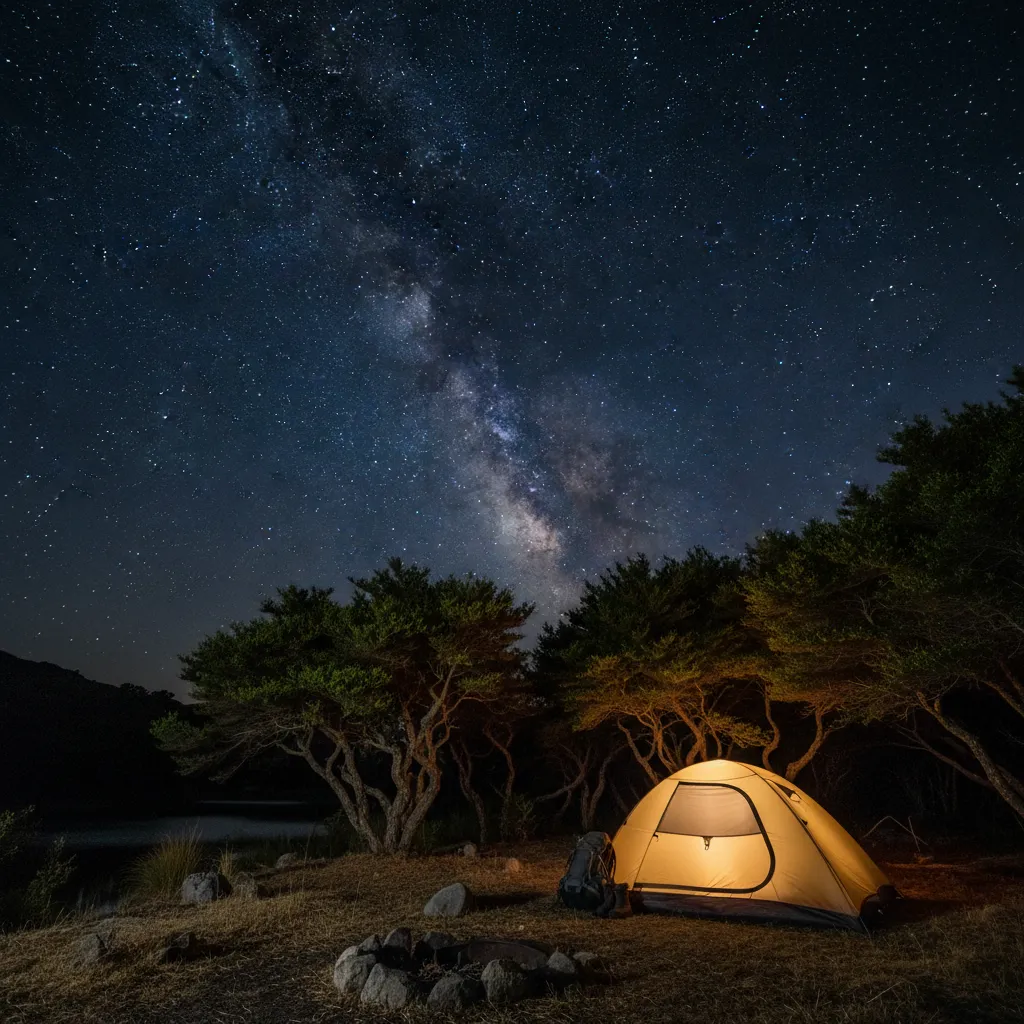
To truly immerse yourself in the Great Barrier Island dark sky experience, accommodation choice is vital. The island is a stronghold for the Department of Conservation (DOC), which manages several campsites that place you directly under the heavens.
DOC Campsites
DOC campsites are affordable and located in some of the most scenic parts of the island. They are “pack in, pack out” facilities, aligning with the regenerative travel ethos.
- Akapoua Bay Campsite: Nestled near Port Fitzroy, this site is sheltered and offers calm waters. It is an excellent base for exploring the northern part of the island. The canopy of trees provides shelter, but there are open clearings perfect for setting up a telescope.
- Harataonga Campsite: Located on the east coast, this campsite is famous for its stunning sunrise and expansive sky views. It is slightly more exposed, making it great for astronomy but potentially windy.
- Awana Beach Campsite: A favorite for surfers and stargazers alike. The wide-open estuary area provides a massive sky view, unobstructed by high hills in the immediate vicinity.
Eco-Lodges and Off-Grid Baches
For those who prefer a roof over their heads, the island hosts numerous eco-lodges and private holiday homes (baches). Since the entire island is off-grid, these accommodations are designed to be energy-efficient. Many hosts are knowledgeable about the dark sky status and provide red-light torches or designated viewing decks. Staying in an eco-lodge contributes to the local economy while ensuring a low carbon footprint for your stay.
Expanding Horizons: The Wairarapa Dark Sky Reserve Guide
While Great Barrier Island is a Sanctuary, New Zealand is also home to the Wairarapa Dark Sky Reserve, located near Wellington. This region offers a different but equally compelling astro-tourism experience, focusing on accessibility and community integration.
What is the Wairarapa Dark Sky Reserve?
Covering a vast area of the South Wairarapa and Carterton districts, this reserve is easily accessible by car or train from the capital city. Unlike the remote Aotea, the Wairarapa integrates dark sky preservation with rural townships.
Key Locations in Wairarapa
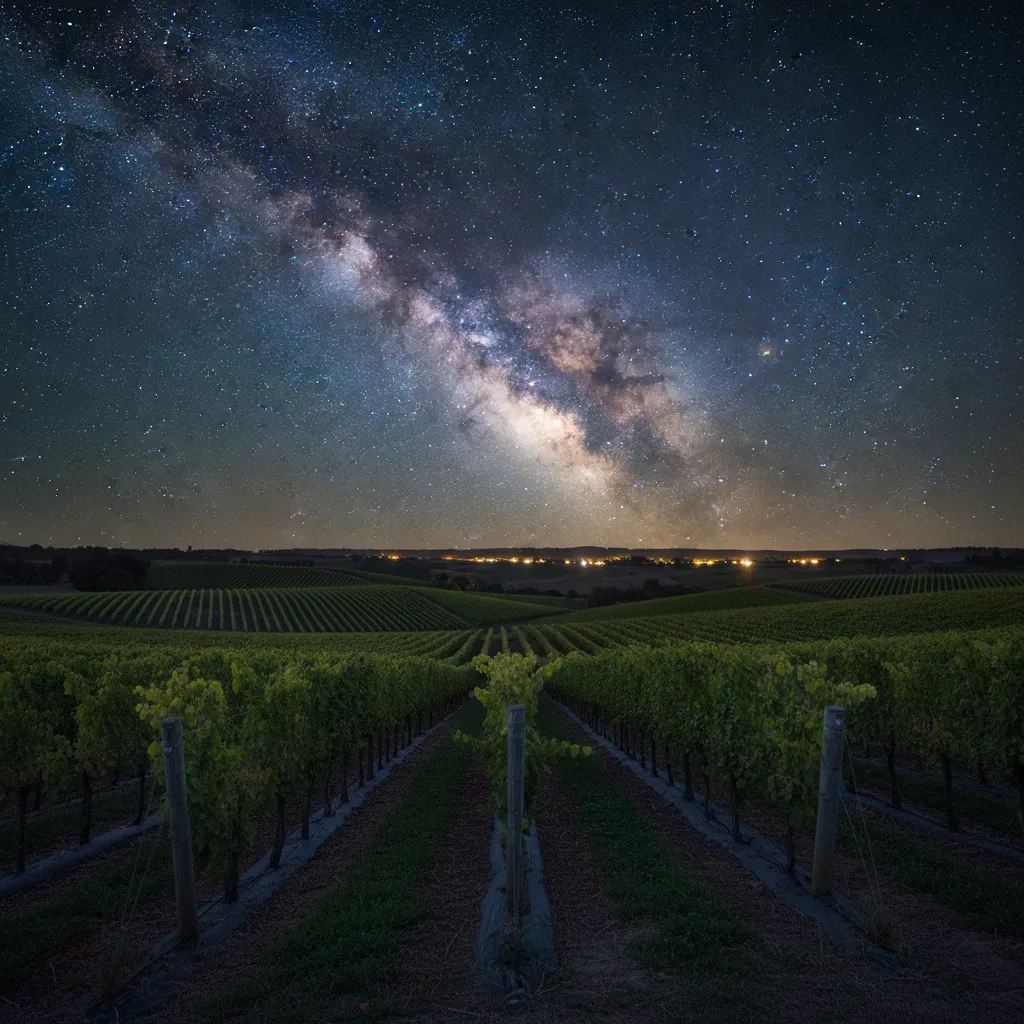
- Martinborough: Famous for its Pinot Noir, Martinborough is now gaining a reputation for its night skies. Visitors can enjoy a vineyard tour by day and a guided telescope tour by night. The town has made significant efforts to shield streetlights to protect the view.
- Castlepoint: On the coast, about an hour from Masterton, Castlepoint offers dramatic scenery with its lighthouse and limestone reef. It is a spectacular spot for astrophotography, framing the Milky Way against the lighthouse beam.
- Stonehenge Aotearoa: A modern open-air astronomical observatory inspired by the original Stonehenge. It is designed specifically for the latitude of New Zealand, teaching visitors about Maori starlore and celestial navigation.
Comparing the two, Aotea offers a rugged, remote sanctuary experience, while Wairarapa offers a “dark sky wine country” experience that is more accessible for weekend trips.
Regenerative Travel and Cultural Significance
Visiting these dark sky locations is about more than just pretty views; it is an exercise in regenerative travel. This travel philosophy goes beyond sustainability—aiming not just to minimize harm, but to leave a positive impact.
Preserving the Night
Light pollution is a growing global issue that affects wildlife migration, human circadian rhythms, and energy consumption. By visiting and supporting Dark Sky Sanctuaries and Reserves, tourists provide an economic incentive for communities to preserve the darkness. This involves investing in shielded lighting and maintaining low-density development.
Maori Astronomy (Taatai Arorangi)
In New Zealand, the dark sky is culturally significant. Maori ancestors navigated the Pacific Ocean using the stars, and the rising of the Matariki star cluster (Pleiades) marks the Maori New Year. Interpretive tours on Great Barrier Island often weave these cultural narratives into the stargazing experience, offering a deeper understanding of the sky not just as a scientific wonder, but as a cultural treasure map.
People Also Ask
How do I get to Great Barrier Island?
You can reach Great Barrier Island via a 30-minute flight from Auckland Airport or North Shore Airfield, or take a 4.5-hour SeaLink ferry from Auckland city. The ferry allows you to bring a vehicle, which is recommended for getting around the island.
Is Great Barrier Island a Dark Sky Sanctuary?
Yes, Great Barrier Island (Aotea) was designated an International Dark Sky Sanctuary in 2017. This is the highest designation for dark sky sites, acknowledging its exceptional starry nights and fragile nocturnal environment protected by its remote, off-grid nature.
What is the difference between a Dark Sky Reserve and Sanctuary?
A Dark Sky Sanctuary is typically situated in a very remote location with little to no nearby light pollution, focusing on preservation of a fragile site. A Dark Sky Reserve often surrounds a populated area or observatory and involves community commitment to lighting controls to protect the core dark zone.
When is the best time to stargaze in New Zealand?
The winter months (June to August) generally provide the clearest, crispest skies with long nights. However, the Milky Way’s galactic core is best viewed from late summer through winter. Always aim for the New Moon phase for the darkest skies.
Can I take my car to Great Barrier Island?
Yes, you can take your car, but only if you travel via the SeaLink ferry. There are no car rentals at the airport that allow you to bring a car from the mainland via flight, so the ferry is the only option for bringing your own vehicle.
What equipment do I need for stargazing on Aotea?
For casual viewing, your eyes are enough, though binoculars (e.g., 10×50) will reveal star clusters. For photography, a DSLR or mirrorless camera, a sturdy tripod, and a wide-angle lens with a fast aperture (f/2.8 or lower) are essential. Red light torches are recommended to preserve night vision.