The Poor Knights Islands are widely considered the best snorkeling spots in the North Island of New Zealand due to their status as a protected Marine Reserve and the influence of the East Auckland Current. This subtropical current brings warm water and exceptional visibility, supporting a unique ecosystem of tropical and temperate marine life, including stingrays, massive schools of snapper, and vibrant nudibranchs, all set amongst dramatic volcanic underwater architecture.
New Zealand is renowned for its rugged landscapes, but one of its most spectacular treasures lies beneath the surface, 23 kilometers off the Tutukaka Coast. For travelers seeking the best snorkeling spots North Island has to offer, the Poor Knights Islands stand in a league of their own. Frequently ranked among the top dive sites globally, this archipelago offers a window into a prehistoric world, preserved through rigorous conservation efforts and a commitment to regenerative tourism.
Why Poor Knights is the Best Snorkeling Spot in the North Island
When searching for the best snorkeling spots North Island travelers can access, the Poor Knights Islands consistently top the list. But what makes this specific location superior to accessible mainland spots like Goat Island or the Coromandel?
The answer lies in a convergence of geography and oceanography. The islands are the remnants of an ancient volcano that erupted approximately 10 million years ago. Beneath the waterline, this volcanic history has created a labyrinth of archways, tunnels, and sheer cliffs that drop hundreds of meters into the abyss. However, the true magic comes from the East Auckland Current.
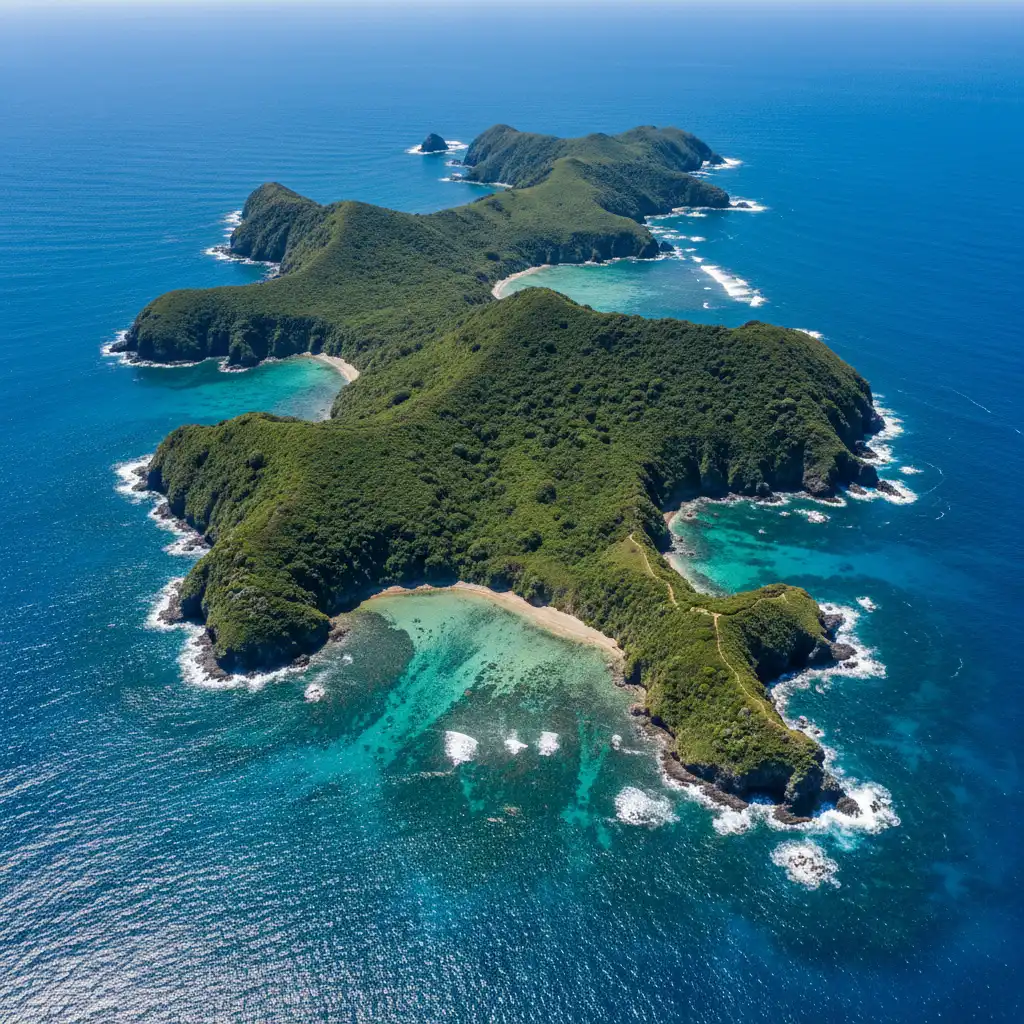
This warm water current originates in the subtropics and sweeps down towards the Poor Knights, raising water temperatures higher than coastal New Zealand averages and bringing with it larvae of tropical species. This results in a bizarre and beautiful biological mix where Lord Howe Coralfish swim alongside native Sandagers Wrasse. Furthermore, because the islands are located far offshore, they are not subject to the coastal runoff that plagues mainland snorkeling sites after heavy rain. The result is consistently high visibility, often exceeding 20 to 30 meters.
A Triumph of Conservation
The Poor Knights have been a fully protected Marine Reserve since 1998. This “no-take” status means fishing is strictly prohibited. Over the decades, the marine life has not only recovered but flourished. The fish here do not fear humans; instead, they are intensely curious. Snorkelers are often surrounded by clouds of blue maomao and snapper within seconds of entering the water. This level of interaction is rare and is a primary reason why this location is the crown jewel of New Zealand’s eco-tourism.
Day Trips from Tutukaka: Operators Comparison
Accessing the Poor Knights requires a boat charter, almost exclusively departing from the Tutukaka Marina. For the commercial traveler, choosing the right operator is crucial to the experience. The industry here is tightly regulated to protect the environment, meaning the standard of service is exceptionally high.
Dive Tutukaka (The Perfect Day)
As the largest and most established operator, Dive Tutukaka runs several boats, including the famous “Perfect Day.” This vessel is specifically designed for snorkelers and sightseers rather than hardcore technical divers. The boat is spacious, featuring warm showers, plenty of deck space, and stability in choppy waters. Their crew is renowned for their eco-tourism focus, providing detailed biological briefings and guided snorkel tours. They are a Qualmark Gold operator, signifying the highest standards of sustainable tourism.
Yukon Dive
Offering a slightly more intimate experience, Yukon Dive often caters to smaller groups and those interested in technical diving alongside snorkeling. While they provide excellent snorkeling support, their smaller vessels can offer a faster trip out to the islands, allowing for potentially more time in the water. They are an excellent choice for mixed groups where some members wish to scuba dive while others snorkel.

Comparison Table: What to Expect
- Cost: Expect to pay between $200 and $300 NZD for a full day trip. This typically includes gear hire (wetsuit, mask, snorkel, fins) and a packed lunch.
- Duration: Trips usually depart at 8:00 AM or 11:00 AM and last approximately 4-6 hours.
- Gear Quality: Both major operators update their rental fleets regularly. Given the water temperature, 7mm wetsuits are standard issue, ensuring warmth even for those prone to getting cold.
Riko Riko Cave & Marine Biodiversity
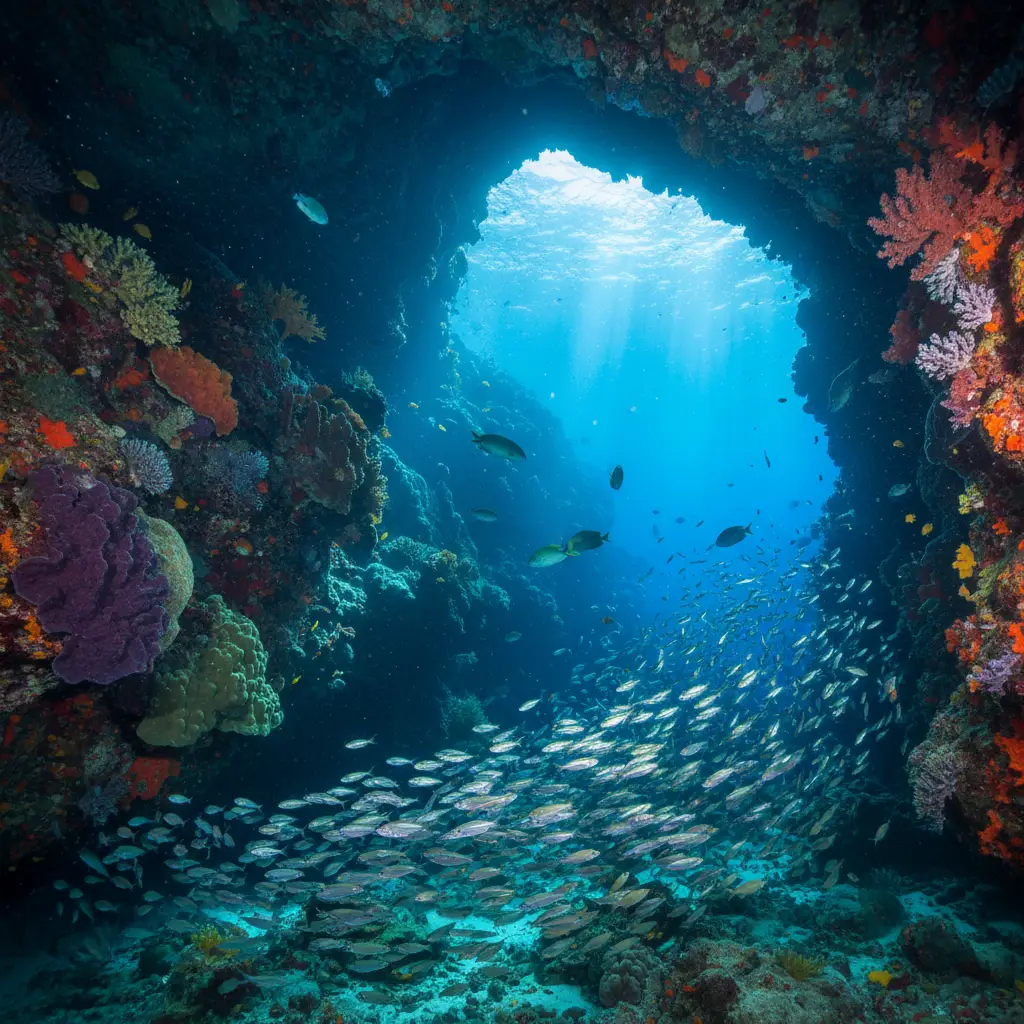
No guide to the best snorkeling spots in the North Island is complete without mentioning Riko Riko Cave. It is the world’s largest sea cave by volume, large enough to hide a submarine. The acoustics inside the cave are phenomenal, and operators often test this by playing music or singing, which resonates off the massive volcanic walls.
However, the real show is underwater. The lack of direct sunlight inside the cave allows deep-water species to live near the surface. The walls are encrusted with colorful sponges, anemones, and soft corals that usually require deep dives to witness.
Marine Life Checklist
When snorkeling the Poor Knights, keep your eyes peeled for:
- Short-tail Stingrays: These massive rays often rest in the archways or glide gracefully over the kelp forests.
- Moray Eels: Often found peaking out of crevices in the volcanic rock.
- Nudibranchs: The islands are a haven for these colorful sea slugs. Look closely at the kelp walls to spot the Clown Nudibranch or the Gem Nudibranch.
- Schooling Fish: Trevally, Kingfish, and Pink Maomao create living walls of silver and pink that move in unison around snorkelers.
Snorkeling for Beginners vs. Advanced Diving
A common misconception is that the Poor Knights are only for scuba divers. In reality, the vertical nature of the volcanic walls makes it one of the premier snorkeling destinations. Because the cliffs drop straight down, snorkelers can float right next to the wall and see the same biodiversity as divers at 20 meters deep, simply by looking down or sideways.
For the Beginner Snorkeler
The sheltered bays, such as the Nursery Cove or South Harbour, provide calm, pool-like conditions. The operators provide buoyancy aids (noodles, life jackets) and often have a crew member in the water specifically to guide beginners. The high salinity of the water also aids buoyancy, making it effortless to float and observe. The psychological safety of being in a “no-take” zone means there are no fishing lines or hooks to worry about.
For the Advanced Diver
While snorkeling offers a top-down view, scuba diving unlocks the architecture. Advanced divers can penetrate the narrower caves, explore the deep pinnacles, and navigate the famous “Northern Arch.” The currents can be strong in the channels, providing exhilarating drift dives for experienced divers. However, even seasoned divers often spend their surface intervals snorkeling because the shallow water action is so dense.
Seasonal Water Temperatures & Wetsuit Guide
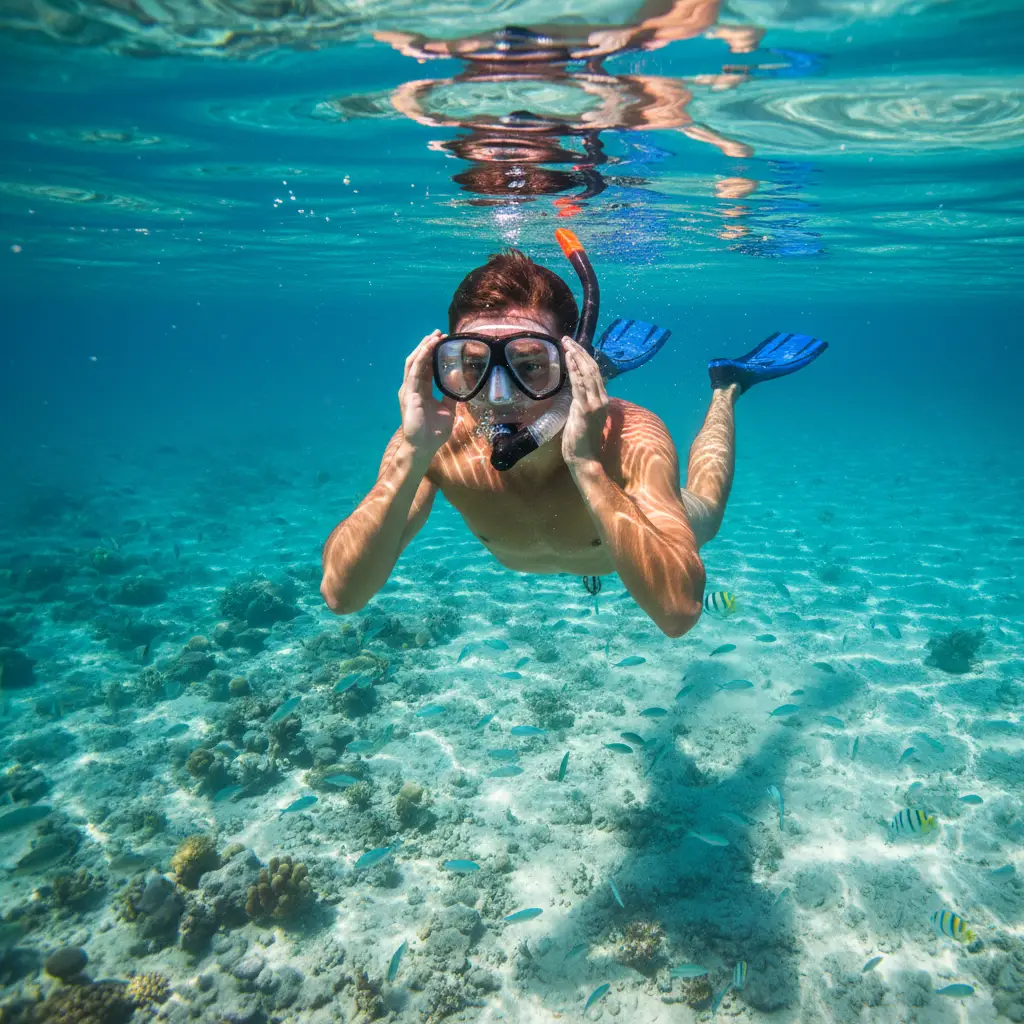
Understanding the seasonality is key to planning your trip to the best snorkeling spots in the North Island. While the Poor Knights are a year-round destination, the experience changes with the seasons.
Summer (December – February)
Temperature: 20°C – 24°C (68°F – 75°F)
Visibility: 15m – 20m
Marine Life: Stingrays congregate in large numbers for breeding. The water is warmest, making it ideal for those who feel the cold. A 5mm or 7mm wetsuit is recommended.
Autumn (March – May)
Temperature: 19°C – 21°C (66°F – 70°F)
Visibility: 20m – 30m+
Marine Life: This is arguably the best time to visit. The water is still warm, but the plankton blooms settle, resulting in spectacular visibility. Subtropical visitors are most common during this time.
Winter (June – August)
Temperature: 15°C – 17°C (59°F – 62°F)
Visibility: 30m+
Marine Life: Visibility peaks during winter. While the water is cooler, requiring a 7mm wetsuit with a hood and vest (or a drysuit for divers), the clarity is breathtaking. Mammals such as seals and dolphins are frequently sighted.
Spring (September – November)
Temperature: 16°C – 18°C (60°F – 64°F)
Visibility: Variable (10m – 20m)
Marine Life: Plankton blooms can reduce visibility, but this brings in the fish life. It is a time of high activity and feeding frenzies.
Regenerative Travel: Protecting the Marine Reserve
Visiting the Poor Knights is an exercise in regenerative travel. The concept goes beyond sustainable travel (doing no harm) to actually leaving a place better than you found it. By supporting the commercial operators in Tutukaka, tourists provide the economic justification for the continued protection of the Marine Reserve.
Visitors are briefed on strict bio-security measures before boarding to prevent pests like Argentine ants or plague skinks from reaching the predator-free islands. In the water, the rule is “look, don’t touch.” Touching the volcanic rock can damage fragile micro-organisms, and touching fish strips their protective slime coating. By adhering to these rules, you ensure that the Poor Knights remain the best snorkeling spots in the North Island for generations to come.
People Also Ask
What is the best time of year to snorkel the Poor Knights?
Late summer and autumn (February to May) are considered the best times. The water is at its warmest (up to 23°C), and visibility is excellent, often exceeding 20 meters. This period also sees the highest diversity of subtropical fish species.
Do I need to be a strong swimmer to snorkel Poor Knights?
No, you do not need to be an Olympic swimmer. The high salinity of the ocean aids buoyancy, and operators provide thick wetsuits and flotation devices like noodles. However, you should be comfortable in open water. Crew members are available to guide beginners.
Are there sharks at the Poor Knights Islands?
Yes, but they are generally harmless species. You may see Bronze Whaler sharks or School sharks, but they are typically shy. The area is more famous for its stingrays. The “no-take” zone means predators are well-fed by the natural ecosystem and not aggressive toward humans.
How long is the boat ride from Tutukaka to Poor Knights?
The boat ride takes approximately 45 minutes to an hour, depending on sea conditions and the vessel speed. The journey itself is scenic, with frequent sightings of dolphins, seabirds, and occasionally whales.
Can you land on the Poor Knights Islands?
No, landing on the islands is strictly prohibited. They are a Nature Reserve and home to the Tuatara and other endangered species. The only way to experience them is by boat, snorkeling, or diving around the perimeter.
Is snorkeling gear included in the tour price?
Yes, almost all commercial operators in Tutukaka include full gear hire in the ticket price. This includes a high-quality 7mm wetsuit, mask, snorkel, fins, and usually a paddleboard or kayak option for surface intervals.