Dark sky tourism in New Zealand involves traveling to specifically designated International Dark Sky Sanctuaries, Reserves, and Parks to observe the cosmos in pristine, low-light conditions. Fueled by strict light pollution regulations and low population density, New Zealand offers unparalleled views of the Southern Hemisphere sky, including the Aurora Australis, the Magellanic Clouds, and the Milky Way’s galactic core.
Why New Zealand is the World’s Ultimate Stargazing Destination
New Zealand has rapidly ascended to the pinnacle of global astro-tourism, offering a celestial heritage that is virtually unmatched elsewhere on Earth. While many nations struggle with increasing light pollution—a phenomenon that erases the stars from the night sky for over 80% of the global population—New Zealand has taken aggressive, legislative, and community-driven steps to preserve the darkness.
The appeal of dark sky tourism in New Zealand goes beyond simply seeing stars. It is about the quality of the darkness itself. The country’s unique geography, isolated in the South Pacific, ensures that air particulate matter is minimal, resulting in exceptional atmospheric transparency. This clarity allows for high-definition views of celestial bodies that appear blurry or dim in other parts of the world.
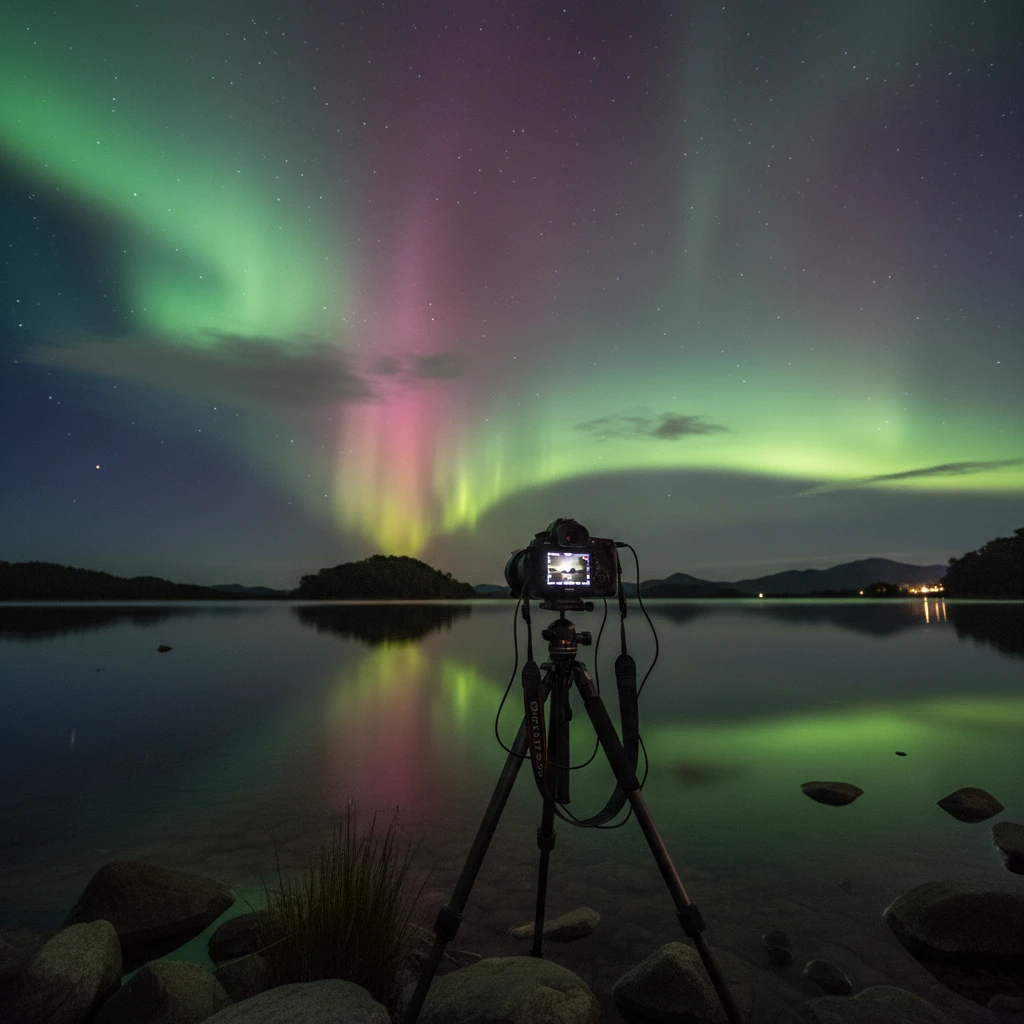
Furthermore, the Southern Hemisphere offers a unique window into the universe. Visitors here can observe celestial features not visible from the north, including the Southern Cross (Crux), the Jewel Box Cluster, and the Large and Small Magellanic Clouds—two dwarf galaxies orbiting our Milky Way. Perhaps most sought after is the Aurora Australis, or Southern Lights, which paints the southern horizons in sheets of pink, green, and purple during periods of high solar activity.
Where Are the Best Places for Dark Sky Tourism in New Zealand?
New Zealand is home to a disproportionately high number of International Dark-Sky Association (IDA) accreditations given its small landmass. These designations are hard-won, requiring rigorous documentation of sky quality and a commitment to protecting the night from artificial light creep.
Aoraki Mackenzie International Dark Sky Reserve
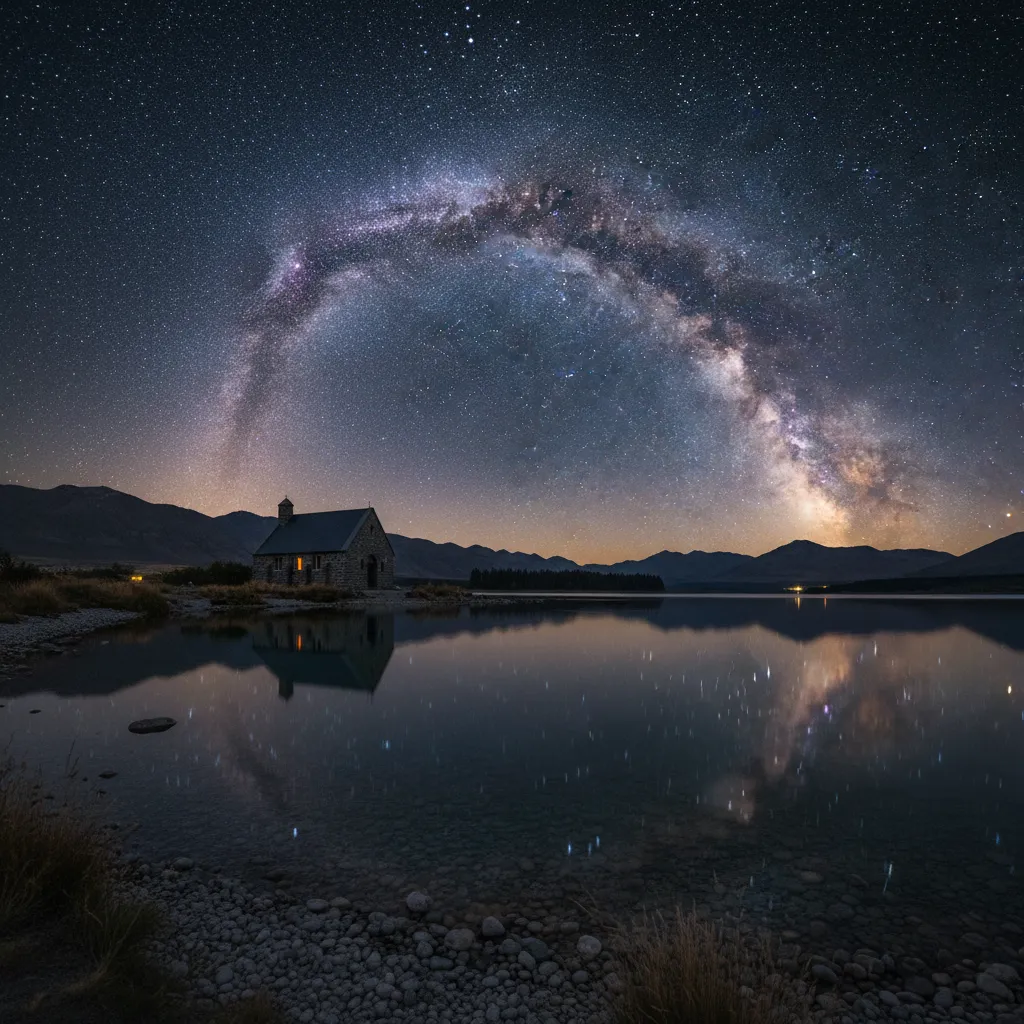
Established in 2012, the Aoraki Mackenzie International Dark Sky Reserve is the largest of its kind in the Southern Hemisphere and one of the best places on Earth to stargaze. Encompassing 4,300 square kilometers across the South Island’s Mackenzie Basin, it includes Aoraki/Mt Cook National Park and the villages of Lake Tekapo, Twizel, and Mt Cook.
This reserve is the crown jewel of New Zealand dark sky tourism. It hosts the Mt John University Observatory, the country’s premier astronomical research center. Tourists can engage in guided tours that utilize powerful telescopes to view globular clusters and nebulae. The local councils strictly control lighting, mandating the use of fully shielded, sodium-vapor or low-temperature LED lights that point downward, ensuring the sky remains an inky black canvas.
Aotea / Great Barrier Island Dark Sky Sanctuary
Located off the coast of Auckland, Great Barrier Island (Aotea) was the first island in the world to be designated an International Dark Sky Sanctuary. A “Sanctuary” status differs from a “Reserve” in that it is typically more remote and focuses on preserving the darkest of skies in fragile environments.
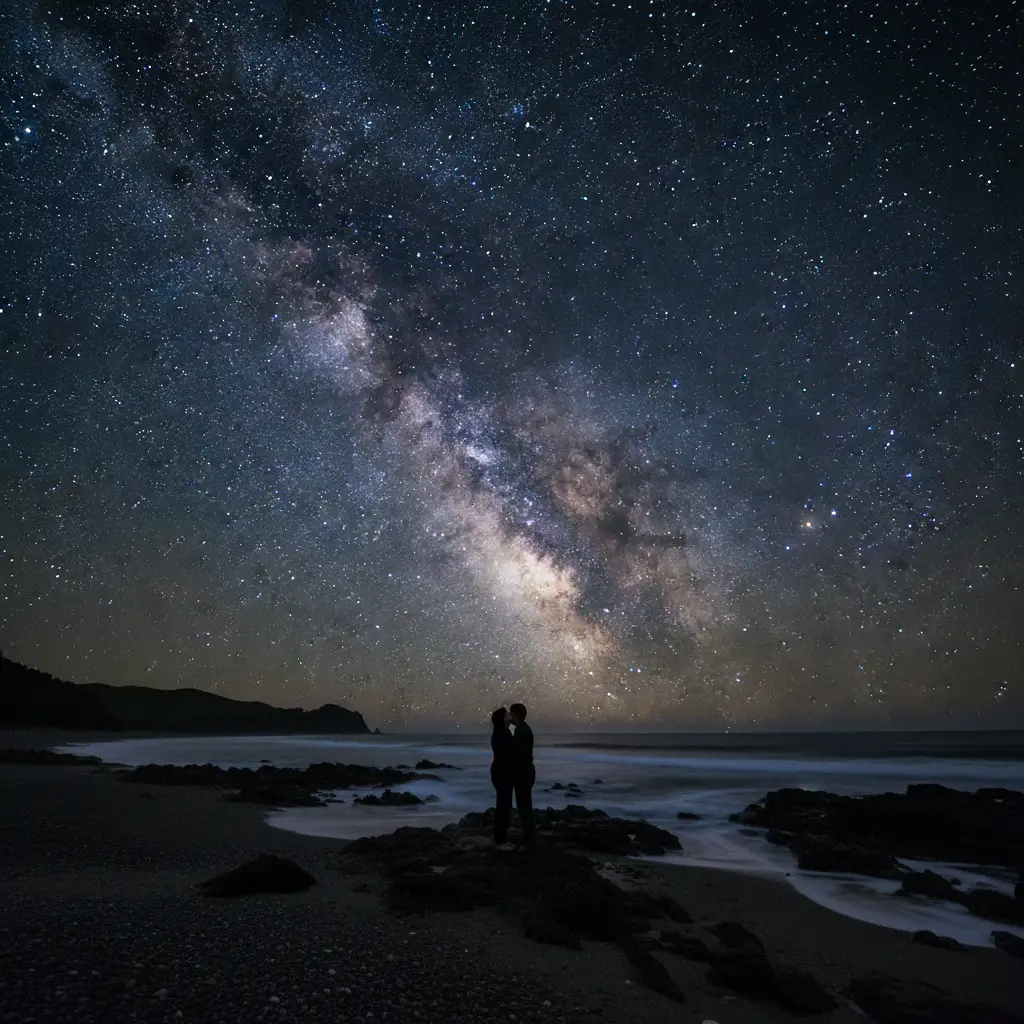
Aotea is entirely off the grid; there is no reticulated electricity supply on the island. Residents rely on solar power and generators, naturally limiting light pollution. This isolation creates a profound sense of connection with the cosmos. Standing on a beach on Aotea, the Milky Way is so bright it can cast a shadow—a rare phenomenon known as “galactic shadow.”
Rakiura / Stewart Island Dark Sky Sanctuary
As the southernmost Dark Sky Sanctuary in the world, Rakiura (which translates to “The Land of Glowing Skies”) is aptly named. The local Māori name references the long twilights and the frequent appearance of the Aurora Australis.
With a population of around 400 people and 85% of the island designated as a National Park, light pollution is virtually non-existent. The viewing experience here is raw and wild. It is one of the few places where you might spot a Kiwi bird foraging on the beach under the light of the stars. The sanctuary status protects not just the view for humans, but the nocturnal environment for the island’s unique biodiversity.
Wairarapa Dark Sky Reserve
One of the newest additions, the Wairarapa Dark Sky Reserve, is easily accessible from Wellington. It covers a vast area of the South Wairarapa and Carterton districts. This reserve is unique because it protects the night sky over a living, working rural landscape, proving that agricultural communities and dark sky conservation can coexist harmoniously.
What is Tātai Arorangi? Understanding Māori Astronomy
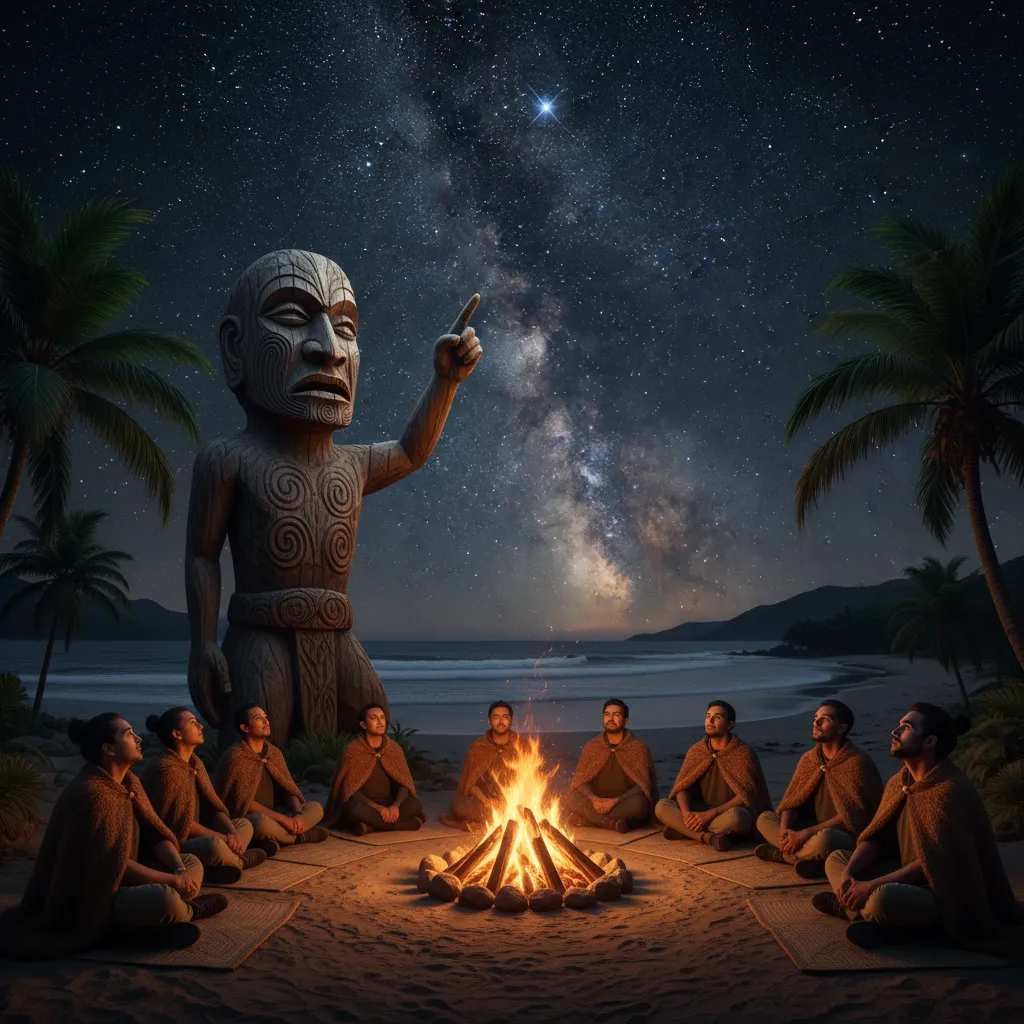
Dark sky tourism in New Zealand is deeply intertwined with indigenous knowledge. Tātai Arorangi is the traditional Māori study of the stars and celestial bodies. For centuries before European arrival, Māori navigators used the stars to traverse the vast Pacific Ocean to Aotearoa (New Zealand).
In modern eco-tourism, this cultural layer adds immense value. It transforms a physics lesson into a story of survival, navigation, and seasonal rhythms. Many dark sky tours now include a cultural component, where guides explain the legends of the sky.
Matariki and the New Year
The most significant celestial event in New Zealand culture is the rise of Matariki (the Pleiades star cluster) in mid-winter. The reappearance of these stars marks the Māori New Year. Historically, the brightness and clarity of the stars predicted the success of the coming harvest. Today, Matariki is a public holiday, celebrated with festivals that often center around stargazing and environmental reflection.
Navigation and The Great Waka
Māori view the Milky Way as “Te Ika-a-Rangi” (The Fish of the Sky) or as a great waka (canoe). The Southern Cross acts as an anchor. Understanding these constellations was a matter of life and death for early voyagers. Tourists learning about Tātai Arorangi gain an appreciation for the intellectual sophistication of Polynesian ancestors who mapped the southern skies without instruments.
When is the Best Time for Astrophotography in New Zealand?
For enthusiasts aiming to capture the perfect shot of the cosmos, timing is critical. While stargazing is a year-round activity in New Zealand, the specific targets and conditions change with the seasons.
Winter (June – August): The Galactic Core and Aurora
Winter is widely considered the prime season for hardcore astronomy and astrophotography for several reasons:
- Long Nights: The sun sets early (around 5:00 PM), providing over 12 hours of darkness.
- Galactic Core: The brightest part of the Milky Way—the galactic core—is high in the sky and visible for longer durations.
- Crisp Air: Cold air holds less moisture, leading to less atmospheric distortion (better “seeing” conditions).
- Aurora Australis: While auroras are tied to solar activity and can happen anytime, the long nights of winter statistically increase your chances of spotting them.
Summer (December – February): Comfort and Orion
Summer offers a different experience. The nights are short, with darkness not fully setting in until after 10:00 PM. However, the temperatures are much more manageable for casual observers. During this time, the orientation of the Earth changes the view. You won’t see the galactic core as prominently, but you will see the constellation of Orion (The Pot) and other summer stars. This is often the best time for family-oriented dark sky tourism.
Essential Gear for Dark Sky Photography
To capture New Zealand’s dark skies, you need more than a smartphone. Essential gear includes:
- DSLR or Mirrorless Camera: With good high-ISO performance.
- Fast Wide-Angle Lens: An aperture of f/2.8 or wider is ideal to let in maximum light.
- Sturdy Tripod: Essential for long exposures (15-30 seconds) to prevent camera shake in the windy New Zealand conditions.
- Headlamp with Red Light Mode: To adjust settings without ruining your night vision or that of others around you.
The Role of Dark Skies in Eco-Tourism and Conservation
Preserving the night sky is a critical component of New Zealand’s broader conservation strategy. Light pollution is not just an aesthetic issue; it is an environmental pollutant that disrupts ecosystems.
Biodiversity Protection
New Zealand’s native wildlife has evolved in isolation for millions of years, often adapting to a nocturnal life. The iconic Kiwi, the Morepork (Ruru) owl, and the vast array of native insects (wētā) rely on true darkness for hunting, breeding, and navigation. Artificial light can disorient migrating birds, causing them to collide with structures, and can alter the predator-prey balance by exposing nocturnal animals to predators.
By establishing Dark Sky Sanctuaries, New Zealand creates safe havens for these species. Tourists visiting these areas contribute financially to their maintenance. The fees paid for observatory tours and park access often funnel back into Department of Conservation (DOC) projects, pest control, and habitat restoration.
Human Health and Heritage
Beyond wildlife, dark sky tourism promotes human well-being. Exposure to artificial light at night suppresses melatonin production, affecting sleep and circadian rhythms. Visiting a dark sky reserve offers a “digital detox” and a physiological reset. Furthermore, by valuing the sky as a natural resource, New Zealand ensures that future generations—both Māori and Pākehā—retain access to their celestial heritage. The stars remain a map, a calendar, and a source of wonder, protected by the same ethos that safeguards the mountains and the oceans.
People Also Ask
What is the best month to see the Milky Way in New Zealand?
The best time to see the brightest part of the Milky Way (the Galactic Core) in New Zealand is during the winter months, specifically from June to August. During this time, the core is high in the sky for the longest period. However, the Milky Way is visible year-round, just with different orientations and visibility of the core.
Can you see the Northern Lights in New Zealand?
No, you cannot see the Northern Lights (Aurora Borealis) in New Zealand. Instead, you can see the Southern Lights, known as the Aurora Australis. They are structurally similar to the Northern Lights but appear in the southern sky, typically visible from the lower South Island locations like Stewart Island, The Catlins, and Lake Tekapo.
Do I need a telescope to enjoy dark sky tourism in NZ?
No, a telescope is not required. The skies in New Zealand’s dark sky reserves are so dark that thousands of stars, the Milky Way, and satellites are visible to the naked eye. However, bringing a pair of binoculars can enhance the experience, and joining a guided tour will provide access to professional telescopes for deep-sky viewing.
Where is the darkest place in New Zealand?
While measurements vary slightly depending on weather and specific location, the darkest accessible places are generally considered to be the Rakiura / Stewart Island Dark Sky Sanctuary and the Aotea / Great Barrier Island Dark Sky Sanctuary. Their island status and lack of mains electricity result in near-zero light pollution.
What is a Dark Sky Sanctuary vs. a Dark Sky Reserve?
A Dark Sky Reserve is usually a dark “core” zone surrounded by a populated periphery where lighting controls are in place to protect the core. A Dark Sky Sanctuary is typically in a very remote location with little to no nearby population, designed to protect the most fragile and pristine dark sites on Earth.
Is stargazing in New Zealand expensive?
Stargazing itself is free; you simply need to go outside in a dark area. However, organized dark sky tourism experiences, such as guided observatory tours at Mt John or photography workshops, can range from $50 to several hundred NZD depending on the exclusivity and equipment provided.