To buy a DOC Hut Pass online, visit the official Department of Conservation (DOC) booking portal. Create a user account, navigate to the ‘Store’ or ‘Passes’ section, select the Backcountry Hut Pass, choose your validity period (6 or 12 months), and complete payment. You will receive a digital confirmation email which serves as your proof of purchase.
New Zealand’s backcountry network is world-renowned, offering access to some of the most pristine wilderness areas on the planet. For independent travelers and avid trampers, the Department of Conservation (DOC) Backcountry Hut Pass is the golden ticket to affordable adventure. Instead of paying per night for every stay, this pass allows for unlimited access to most standard and serviced huts across the country for a set period.
However, the system can be complex for newcomers. Distinguishing between Great Walks, bookable backcountry huts, and first-come, first-served facilities is crucial to avoiding fines and ensuring you have a bed for the night. This guide provides a comprehensive walkthrough on how to secure your pass and navigate the DOC booking ecosystem.
Understanding the DOC Backcountry Hut Pass
The DOC Backcountry Hut Pass is essentially a subscription service for New Zealand’s extensive network of hiking accommodations. It is designed to encourage exploration and make multi-day tramping affordable. By purchasing an annual or six-month pass, you avoid the need to purchase individual hut tickets (blue or orange tickets) from retailers for every single trip.
For a flat fee, the pass covers fees for most Standard and Serviced huts. It is an indispensable tool for anyone planning to spend more than five to seven nights in the bush within a year.
Critical Distinction: Backcountry Pass vs. Great Walks
One of the most common mistakes international visitors make is assuming the Backcountry Hut Pass covers New Zealand’s “Great Walks.” It does not.
The Great Walks Exclusion
The 10 Great Walks (such as the Milford Track, Routeburn Track, and Kepler Track) operate on a completely separate booking system with significantly higher price points. The Backcountry Hut Pass cannot be used for Great Walk huts during the Great Walks season (usually October to April).
Bookable Huts vs. Non-Bookable Huts
Even within the network covered by the Backcountry Hut Pass, there is a sub-distinction:
- Bookable Backcountry Huts: These are popular huts (e.g., Pinnacles Hut in Coromandel or Angelus Hut in Nelson Lakes) that require a reservation. You can use your pass to pay for these, but you must still book a specific date online to secure a bunk.
- First-Come, First-Served Huts: The majority of NZ huts fall into this category. You do not need to book a date; you simply carry your pass and claim a bunk upon arrival.
How to Buy DOC Hut Pass Online: Step-by-Step
Purchasing the pass is a straightforward digital transaction. Follow these steps to ensure your pass is valid and ready for your trip.
1. Create a DOC Account
Navigate to the official Department of Conservation booking website. If you do not have an account, you must register. This account will serve as your central hub for all future hut bookings, campsite reservations, and pass management. Ensure your email address is correct, as your pass will be delivered digitally.
2. Navigate to the ‘Passes’ Section
Once logged in, look for the menu option labeled “Passes” or “Store.” You will likely see options for Campsite Passes and Hut Passes. Select “Backcountry Hut Pass.”
3. Select Pass Duration and Type
You will typically be presented with two duration options:
- 6 Months: Ideal for travelers on a working holiday visa or a long summer expedition.
- 12 Months: The best value for residents or long-term visitors.
You will also need to select the age category (Adult or Youth). Note that children under a certain age may stay for free, but verify current regulations on the DOC site.
4. Complete the Transaction
Add the pass to your cart and proceed to checkout. The system accepts major credit cards (Visa, Mastercard). Once payment is confirmed, the pass is instantly linked to your account.
Digital Confirmation vs. Physical Passes
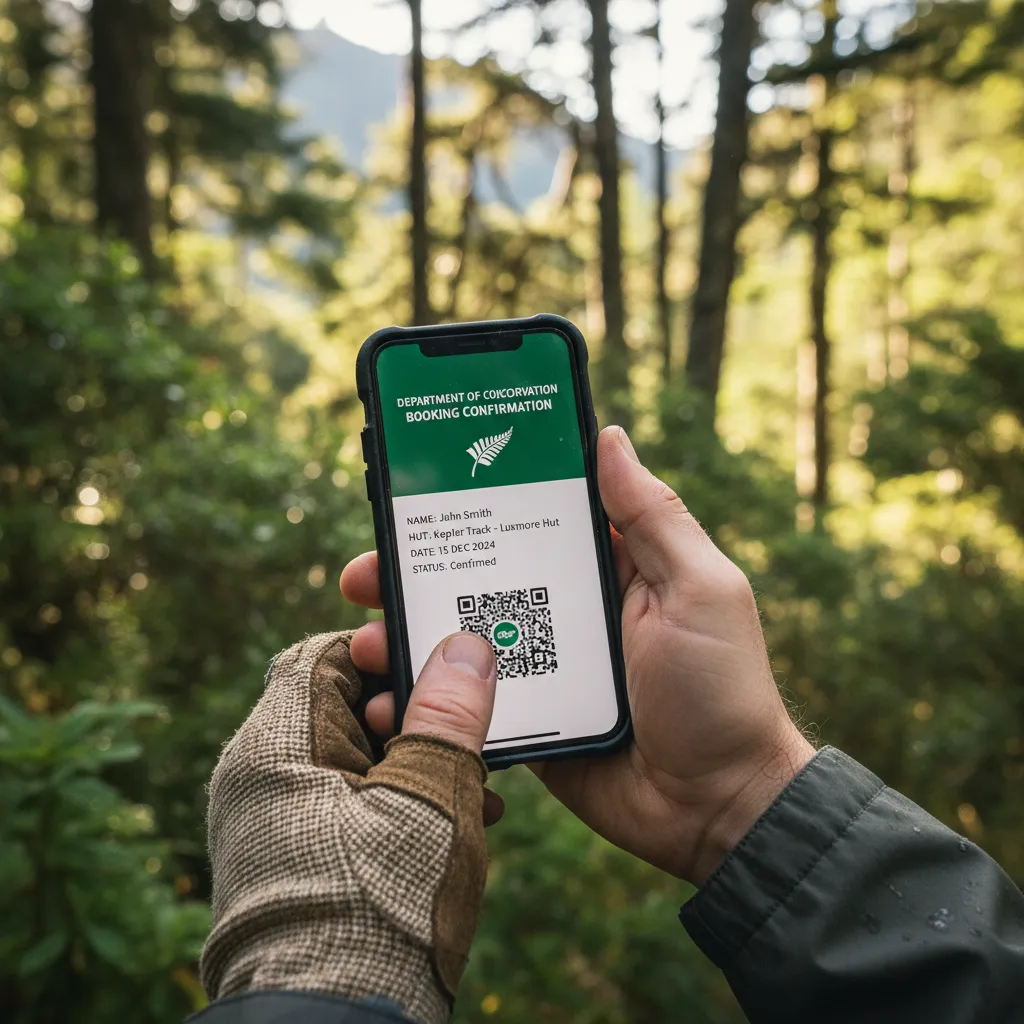
In recent years, DOC has shifted away from mailing out plastic cards. The system is now predominantly digital, which is convenient but requires preparation.
Do I need to print my pass?
Yes. While the system is digital, you are entering the backcountry where battery life is finite and reception is non-existent. You should print a physical copy of your pass confirmation email and keep it in a waterproof bag (ziplock) within your pack.
Hut Wardens often patrol popular huts. They will ask to see your pass. If your phone is dead or you cannot retrieve the file, you may be treated as a squatter and fined or charged the full rate. A paper backup is a non-negotiable safety net for the prepared tramper.
How to Use Your Pass for Bookings
Possessing the pass is only step one. How you use it depends on where you are going.
Scenario A: The Non-Bookable Hut
For the vast majority of huts, you simply walk in. When you arrive at the hut, fill out the intent book (usually located on a table or shelf). In the column for “Ticket Number,” write your Pass Number. This helps DOC track usage for maintenance funding.
Scenario B: The Bookable Backcountry Hut
For high-demand huts that are not Great Walks, you must reserve a bunk.
- Log into your DOC account.
- Search for the specific hut (e.g., “Mueller Hut”).
- Select your dates.
- At the payment screen, the system should recognize that you hold a valid Backcountry Hut Pass.
- Apply the pass to the booking. This will zero out the cost (or reduce it significantly, depending on the season and hut category).
- Important: If you do not book, you are not guaranteed a bed, even if you have a pass.
Hut Categories and Facilities
Not all huts are created equal. The Backcountry Hut Pass generally covers the following tiers. Understanding what these tiers offer helps you pack the right gear.
Serviced Huts
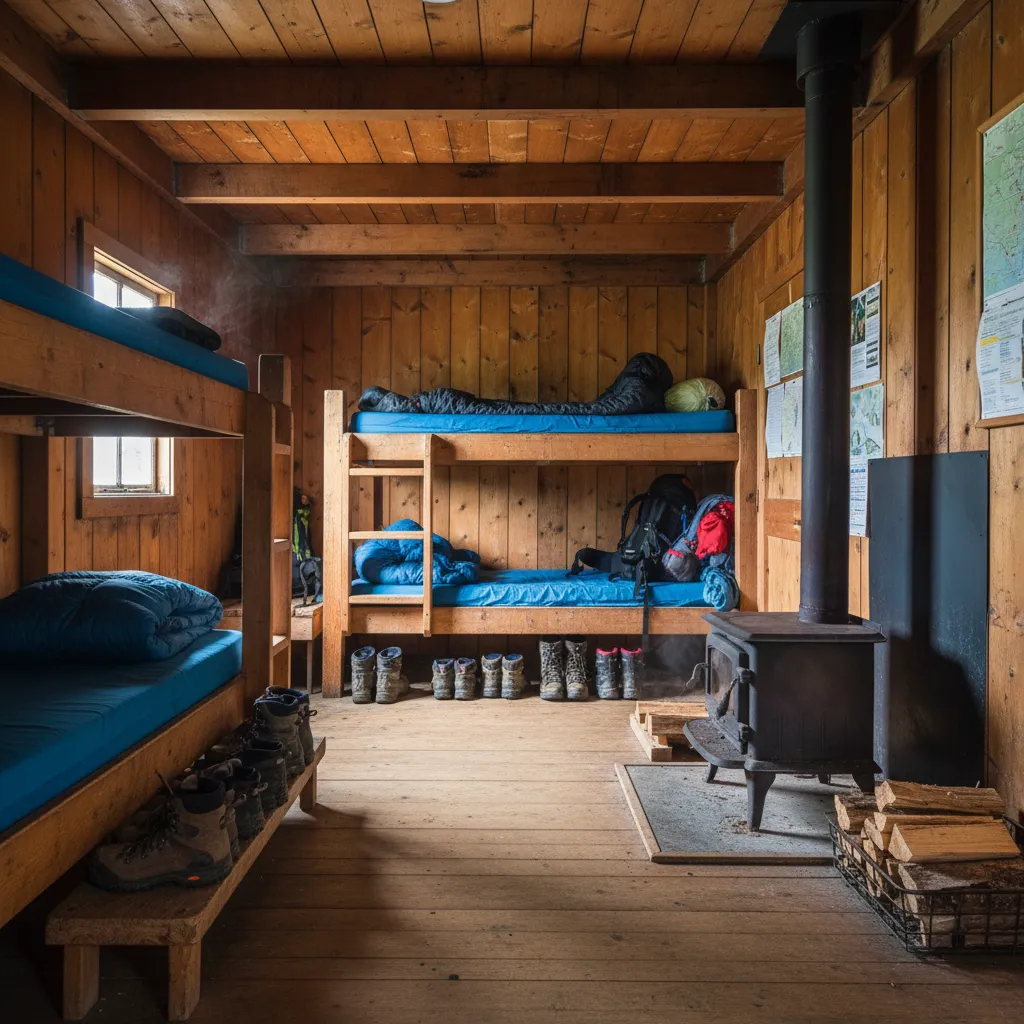
These are the most comfortable options covered by the pass. They often have:
- Mattresses on bunks or sleeping platforms.
- Water supply (rainwater tank, usually requires boiling).
- Toilet facilities (long drops or composting).
- Hand washing sinks.
- Heating (wood burner) with fuel provided (sometimes).
- Cooking facilities (gas burners) are occasionally provided, but never rely on this—always bring your own stove.
Standard Huts
These are the backbone of the network. They are rustic but provide essential shelter.
- Mattresses.
- Water supply (stream or tank).
- Toilet.
- Wood burner (fuel is rarely provided; you must forage for dead wood).
Basic Huts / Bivvies
These are free or very low cost, often just a shelter with no amenities. Your pass covers these, but they are often free regardless.
Backcountry Etiquette and The Tiaki Promise
Buying a pass makes you a guardian of the land. New Zealand promotes the “Tiaki Promise”—a commitment to care for New Zealand, for now and for future generations.
Hut Etiquette 101
Shared spaces require shared respect. When using your pass, adhere to these unwritten rules:
- Carry In, Carry Out: There are no rubbish bins in the backcountry. Everything you bring in, including food scraps and wrappers, must be hiked out with you.
- Boots Outside: Never wear muddy tramping boots inside the sleeping or main living areas. Leave them in the mudroom or on the porch.
- Noise Control: Huts are shared sleeping spaces. Hikers go to bed early (often when the sun goes down) and rise early. Keep noise to a minimum after 8:00 PM.
- Fire Safety: Only use the provided wood burners. Do not light open fires. If you use firewood, replace what you used for the next tramper if possible.
- Cleaning: Before you leave, sweep the floor and wipe down the benches. Leave the hut cleaner than you found it.

Frequently Asked Questions
Can I use the Backcountry Hut Pass for camping?
Generally, no. The Hut Pass is for huts. DOC offers a separate “Campsite Pass” for those who prefer tents. However, some huts allow camping outside for a reduced fee, but you should check specific hut regulations. If you plan to camp frequently, investigate the DOC Campsite Pass instead.
Does the pass guarantee me a bunk?
No. For non-bookable huts, it is strictly first-come, first-served. If the hut is full, you may need to sleep on the floor or in your emergency shelter (tent/bivvy bag). Always carry emergency shelter. For bookable huts, the pass pays for the bunk, but the reservation guarantees it.
Are there blackout dates for the pass?
The pass is generally valid year-round, but it cannot be used for Great Walks during the Great Walk season (Oct-April). Some specific high-volume huts may also be excluded during peak season (e.g., between Christmas and January 31st). Always check the specific exclusions list on the DOC website before purchase.
Can I get a refund if I don’t use the pass?
DOC has a strict refund policy. Generally, passes are non-refundable once the validity period has started, regardless of weather or injury. If you have purchased a pass but not yet activated it or the period hasn’t started, you may be eligible for a refund minus a service fee.
Is the pass transferable to another person?
No. The pass is linked to your specific user account and name. You cannot lend your pass to a friend. Wardens may ask for ID to verify that the name on the pass matches the person using it.
Do I need a separate pass for my children?
Currently, children under the age of 18 often stay for free in many DOC huts, but they still require a booking for bookable huts. Policies change, so check the latest fee structure on the DOC website. If a fee applies, you can purchase a Youth Backcountry Hut Pass.