New Zealand marine reserves are government-protected areas where all marine life, including fish, shellfish, and seaweed, is fully safeguarded from extraction. Managed by the Department of Conservation, these “no-take” zones strictly prohibit fishing and gathering, allowing ecosystems to regenerate and providing pristine environments for scientific research and non-extractive recreation like diving.
New Zealand’s approach to marine conservation is globally renowned. Known locally as the “Blue Horizons,” these sanctuaries represent a commitment to preserving the biodiversity of the South Pacific. From the subtropical currents of the Poor Knights Islands to the shadowed fjords of the deep south, New Zealand marine reserves offer a glimpse into what the ocean looks like when nature is left untouched.
What is a ‘No Take’ Marine Reserve?
The cornerstone of New Zealand marine conservation is the concept of the “no-take” zone. Established under the Marine Reserves Act 1971, these areas are distinct from other forms of fishery management. In a standard fishery, regulations might limit the number of fish you can catch or the size of the catch. In a marine reserve, the interference is zero.
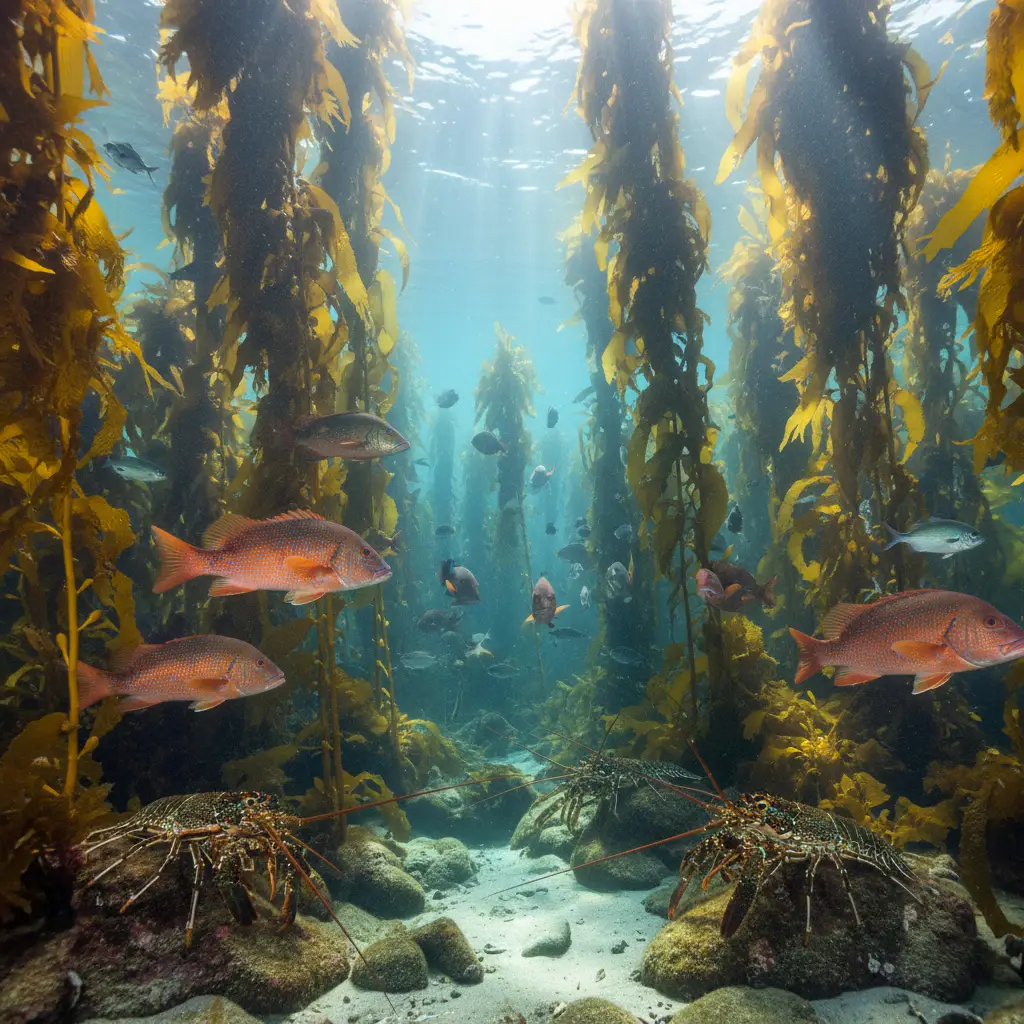
This absolute protection creates a baseline for scientific study. By removing human predation, researchers can observe natural ecosystem dynamics. This leads to what ecologists call the “spillover effect.” As fish populations within the reserve grow larger and more dense, they inevitably migrate beyond the reserve’s boundaries, helping to replenish surrounding fishing grounds. Furthermore, these reserves allow for the recovery of “trophic cascades.” For example, when large predators like snapper and crayfish recover, they control the population of kina (sea urchins), preventing the formation of “urchin barrens” and allowing kelp forests to flourish once again.
Major Marine Parks by Region
New Zealand boasts over 40 marine reserves, covering a diverse array of habitats. For the eco-tourist, knowing where to go is essential for experiencing the best of these protected waters.
Northland: The Poor Knights Islands
Often cited by Jacques Cousteau as one of the top ten dive sites in the world, the Poor Knights Islands Marine Reserve is the crown jewel of New Zealand diving. Located off the Tutukaka Coast, these islands are washed by the warm East Auckland Current, which brings subtropical species to temperate waters.
The reserve is famous for its dramatic volcanic underwater architecture, including Rikoriko Cave, the world’s largest sea cave. Divers here encounter vast schools of maomao, stingrays, and occasionally manta rays. Because the area has been fully protected since 1981, the marine life is incredibly bold and unafraid of humans, offering unparalleled photographic opportunities.
Auckland: Cape Rodney-Okakari Point (Goat Island)
Established in 1975, this was New Zealand’s first marine reserve. Located near Leigh, roughly an hour north of Auckland, Goat Island is the most accessible example of conservation success. Before its establishment, the area was overfished and barren. Today, it is teeming with large snapper and crayfish that venture into water less than a meter deep.
Goat Island serves as a critical educational tool. It is the primary location where thousands of New Zealanders first experience the underwater world, snorkeling directly off the beach. The reserve demonstrates the speed at which a rocky reef ecosystem can recover when pressure is removed.
The Coromandel: Te Whanganui-A-Hei (Cathedral Cove)
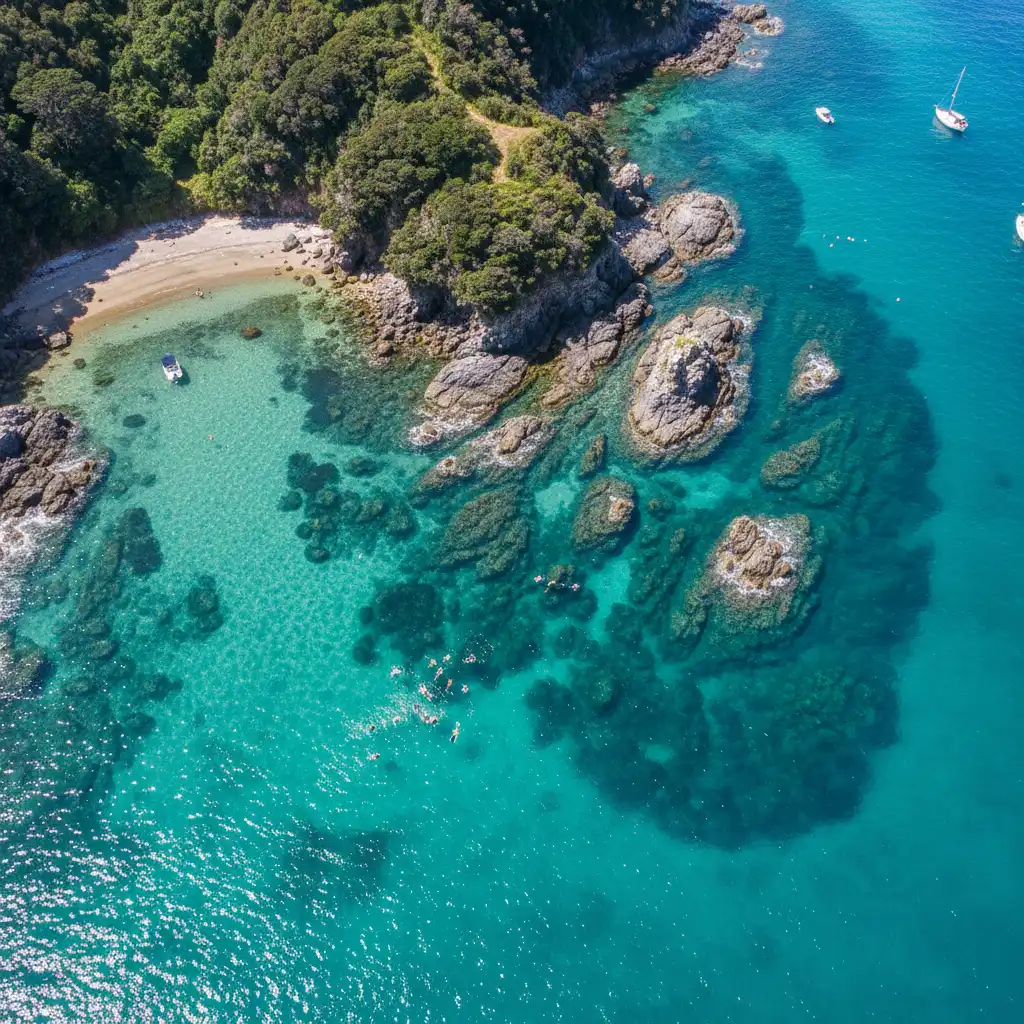
While famous for the limestone archway on land (featured in The Chronicles of Narnia), the marine reserve extending from the shore is equally spectacular. The reserve protects a complex reef system of sponge gardens and crayfish crevices. It is a haven for gem nudibranchs and schools of sweep. The reserve plays a vital role in the local eco-tourism economy, drawing snorkelers and glass-bottom boat tours that operate with a strong conservation ethos.
Wellington: Taputeranga Marine Reserve
Located on the rugged south coast of the capital city, Taputeranga is a high-energy environment where three ocean currents meet. This convergence brings a rich nutrient supply, supporting a diverse range of invertebrates, from octopus to sea stars and anemones. It is a unique reserve because it sits directly adjacent to an urban environment, proving that conservation can succeed even on the doorstep of a major city.
Fiordland: The Deep Water Emergence
Fiordland’s marine reserves are unique globally due to a phenomenon called “deep water emergence.” The region receives massive rainfall, creating a permanent freshwater layer on the surface of the fjords. This layer is stained dark with tannins from the forest, blocking out light. This tricks deep-sea species into living in shallow waters.
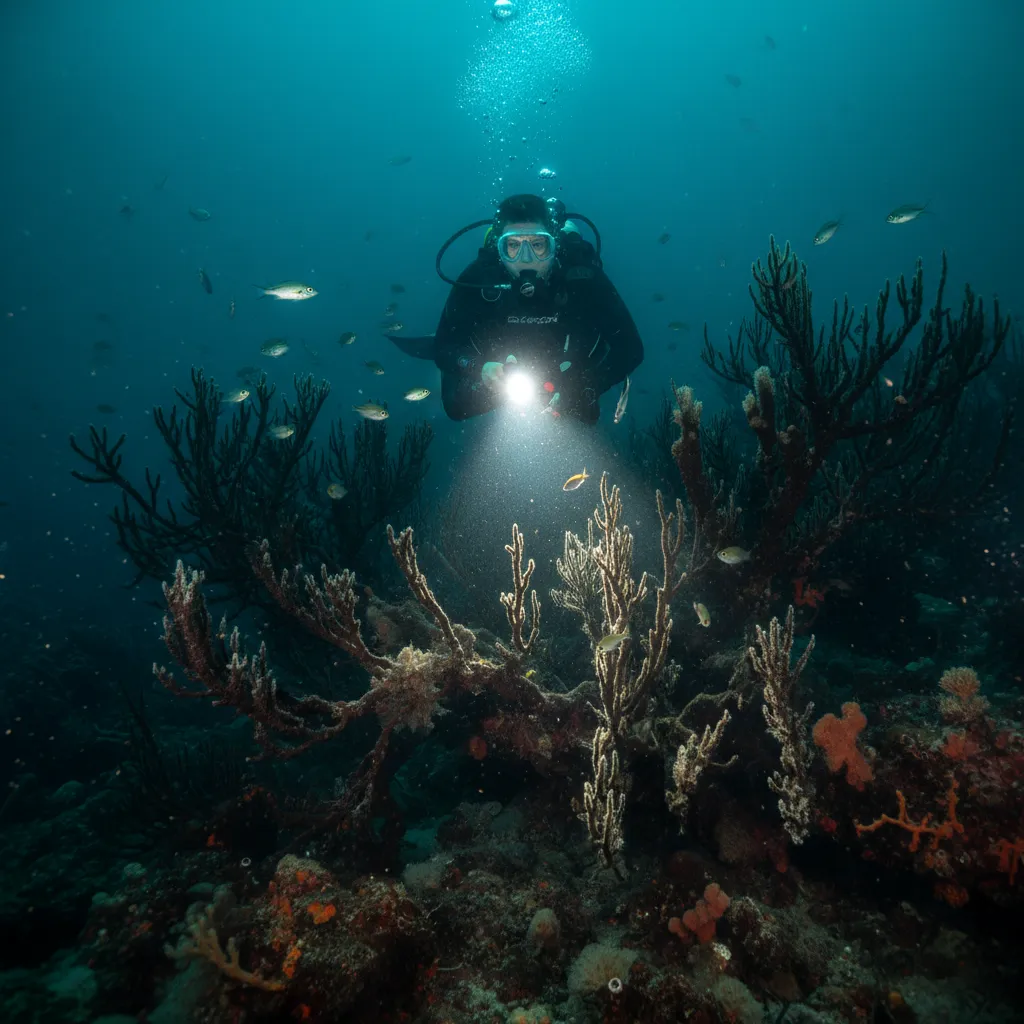
In reserves like Te Awaatu Channel (The Gut), divers can see black coral trees—usually found at depths of 100 meters—in as little as 10 meters of water. This fragile ecosystem is strictly managed to prevent physical damage to the slow-growing corals.
Snorkeling and Diving Ethics in NZ
With the privilege of entering these sanctuaries comes the responsibility of minimal impact. Eco-tourism in New Zealand operates under a strict code of conduct.
Buoyancy Control is Non-Negotiable
In a marine reserve, touching the bottom or the reef is unacceptable. Many organisms, such as bryozoans and sponges, are fragile and can be destroyed by a single misplaced fin kick. Divers are expected to master their buoyancy before entering sensitive areas like the Poor Knights or Fiordland.
The “Look, Don’t Touch” Rule
While marine life in reserves may approach divers, initiating contact is discouraged. Touching fish removes their protective slime coat, making them susceptible to infection. Furthermore, handling animals like crayfish, even if released, can cause stress or physical injury. The ethos is to be a passive observer in their world.
Reef-Safe Sun Protection
Chemicals found in standard sunscreens, particularly oxybenzone and octinoxate, have been proven to bleach corals and damage the DNA of marine larvae. Visitors to New Zealand marine reserves are strongly urged to use zinc-based, reef-safe sunscreens or wear physical protection like rash guards and wetsuits to minimize chemical pollution.
Marine Mammal Protection Laws
While marine reserves protect the habitat and resident species, New Zealand also has specific legislation for marine mammals, which often move in and out of reserve boundaries. The Marine Mammals Protection Act 1978 provides the legal framework for the conservation of whales, dolphins, seals, and sea lions.
Interaction Rules
It is illegal to harass, disturb, injure, or kill marine mammals. For eco-tourism operators and recreational boaties, this translates to strict distance rules:
- Vessels: Must travel at a “no wake” speed within 300 meters of marine mammals. You must approach from behind and parallel to the animals, never obstructing their path or cutting through a pod.
- Swimmers: Swimming with whales is generally prohibited. Swimming with dolphins is allowed only under specific permits or in the wild if the animal initiates the interaction, but touching is strictly forbidden.
- Drones: Unmanned aerial vehicles must maintain a minimum altitude of 150 meters above marine mammals to avoid disturbing them with noise and shadows.
Sanctuaries vs. Reserves
It is important to distinguish between a Marine Reserve and a Marine Mammal Sanctuary. For example, the Banks Peninsula Marine Mammal Sanctuary was created specifically to protect the endangered Hector’s dolphin from set-netting. While fishing methods that threaten the dolphins are banned, other forms of fishing may still be permitted, unlike in a full “no-take” marine reserve.

The Future of New Zealand’s Blue Backyard
Despite the successes, challenges remain. Sedimentation from land runoff, rising ocean temperatures, and invasive species threaten these ecosystems. The future of New Zealand’s marine conservation lies in the proposal of larger networks of reserves, such as the proposed Kermadec Ocean Sanctuary, which would create one of the world’s largest fully protected areas.
For the traveler, visiting these reserves supports the economic argument for conservation. It demonstrates that a living fish is infinitely more valuable to the New Zealand economy than a dead one. By choosing eco-certified operators and adhering to strict ethical guidelines, visitors play a direct role in the stewardship of these blue horizons.
How many marine reserves are there in New Zealand?
There are currently 44 marine reserves in New Zealand. These are spread across the North Island, South Island, and offshore island groups, protecting a wide variety of marine habitats from the subtropics to the subantarctic.
Can you fish in a New Zealand marine reserve?
No. Marine reserves are strictly “no-take” zones. All fishing, shellfish gathering, and seaweed collection are prohibited. This includes catch-and-release fishing, as the injury caused to the fish contradicts the conservation mandate.
What is the oldest marine reserve in New Zealand?
Cape Rodney-Okakari Point Marine Reserve, commonly known as Goat Island, is New Zealand’s oldest marine reserve. It was established in 1975 and paved the way for marine conservation legislation in the country.
Are dogs allowed in marine reserves?
Rules regarding dogs vary by reserve and the adjacent land status. Generally, dogs are allowed on the beaches above the high tide mark if local council rules permit, but they must not harass wildlife (especially seals and birds). However, in some sensitive reserves, dogs may be banned entirely.
What is the difference between a marine reserve and a marine sanctuary?
A marine reserve is a “no-take” zone protecting all species and habitats within its boundaries. A marine sanctuary (often a Marine Mammal Sanctuary) usually focuses on protecting specific species (like dolphins) from specific threats (like mining or set-nets) but may still allow general fishing.
Why are marine reserves important for the economy?
Marine reserves boost the economy through eco-tourism. Locations like the Poor Knights and Goat Island attract thousands of international and domestic visitors annually for diving and snorkeling, supporting local businesses, accommodation providers, and tour operators.