Akaroa Harbour nature cruises are specialized marine tours operating within the volcanic craters of Banks Peninsula, New Zealand. These eco-certified excursions focus on wildlife encounters, particularly the endemic Hector’s dolphin, Little Blue penguins, and diverse birdlife, while emphasizing conservation and the geological history of the Akaroa Marine Reserve and Pohatu Marine Reserve.
The Volcanic Majesty of Banks Peninsula
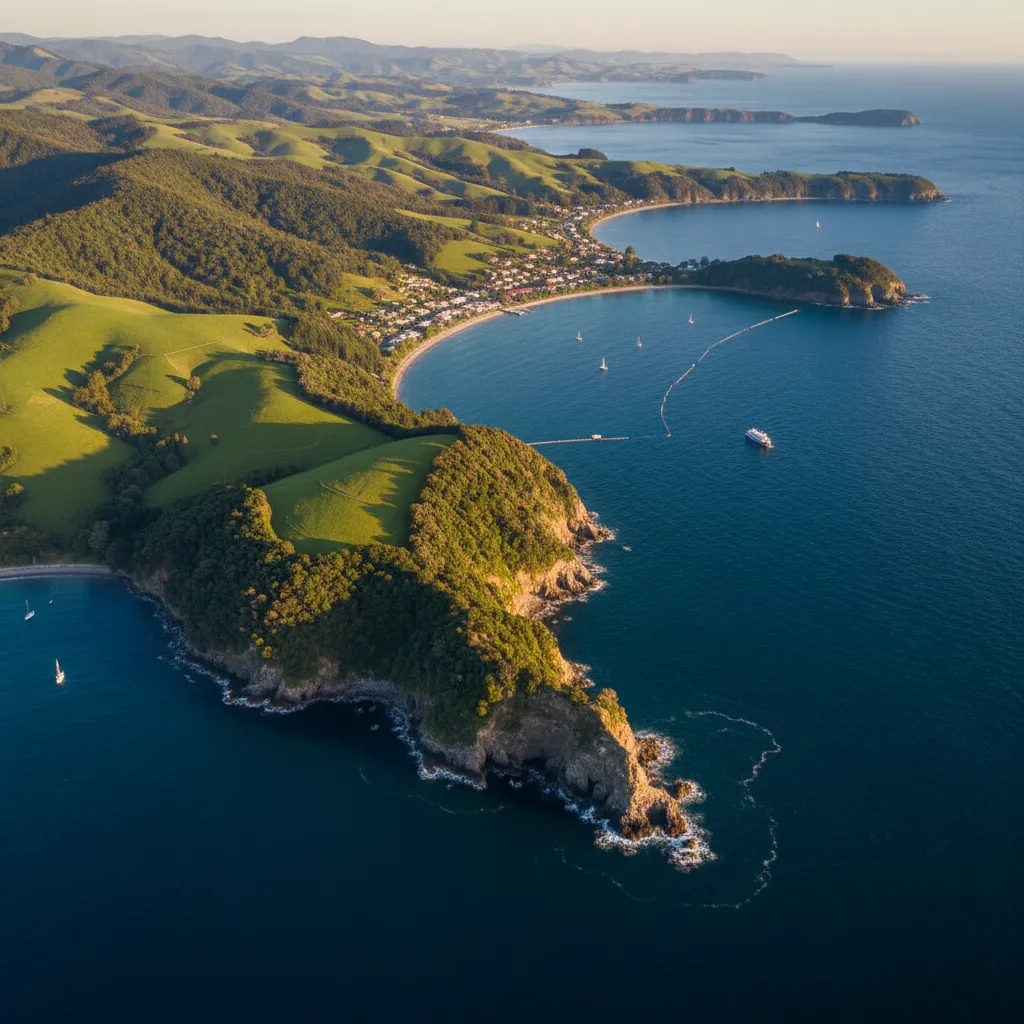
Before diving into the rich biodiversity of the region, one must understand the dramatic stage upon which these nature cruises perform. Banks Peninsula is the result of massive volcanic activity that occurred millions of years ago. Two primary shield volcanoes, Lyttelton and Akaroa, collapsed and were eventually breached by the sea, creating the deep, sheltered harbors we see today. This geological history provides a unique habitat for marine life, with high cliffs, sea caves, and nutrient-rich waters that are shielded from the harsher swells of the Pacific Ocean.
For travelers embarking on Akaroa Harbour nature cruises, the landscape itself is a primary attraction. The towering basalt cliffs and the distinct “Elephant Head” rock formations tell a story of ancient eruptions. This rugged coastline isn’t just beautiful; it is functional. The numerous inlets and hidden coves provide essential shelter for vulnerable species, making it one of the most significant marine biodiversity hotspots in New Zealand. The transition from the lush green hills of the peninsula to the deep turquoise of the harbour creates a visual contrast that is unique to this part of the South Island.
Spotting the Hector’s Dolphin: The World’s Smallest Marine Treasure
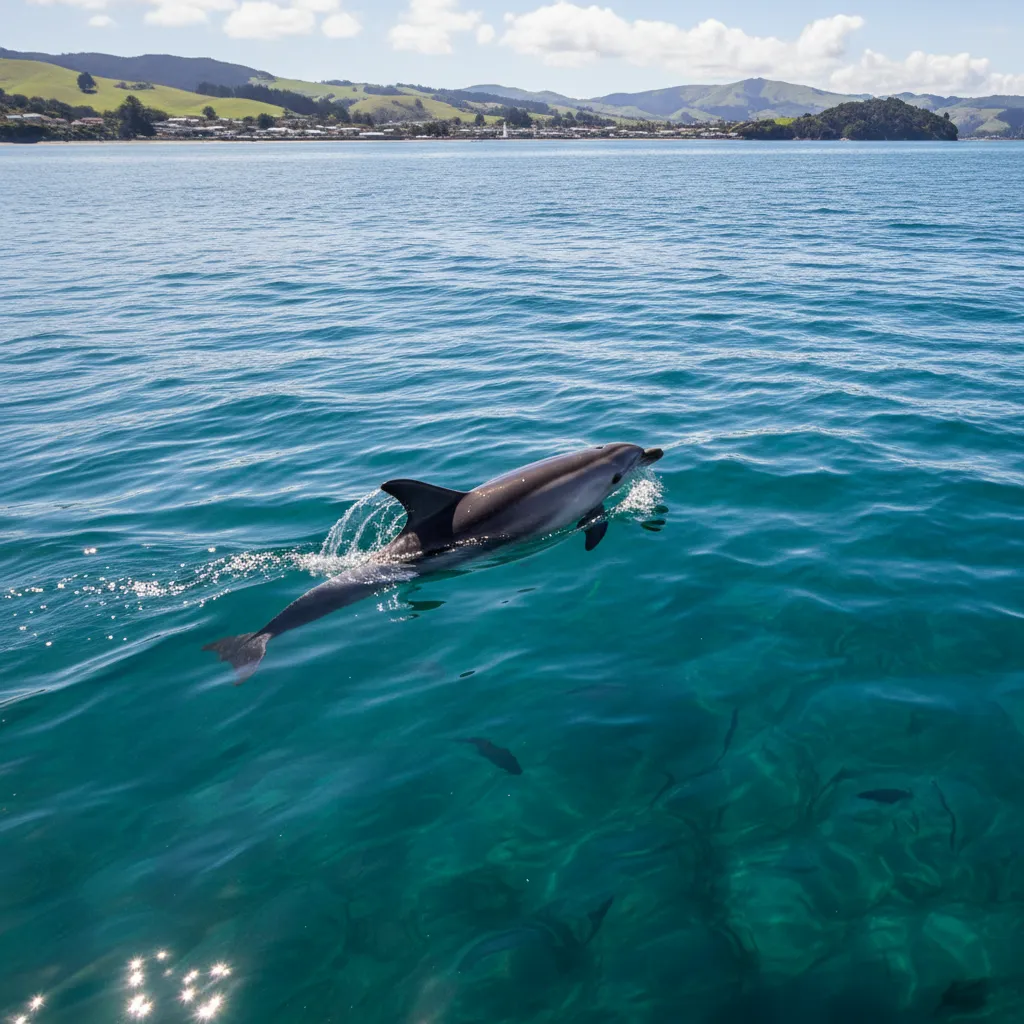
The primary draw for most visitors booking Akaroa Harbour nature cruises is the chance to encounter the Hector’s dolphin (Cephalorhynchus hectori). This species is not only the smallest marine dolphin in the world but is also endemic to New Zealand. With its distinctive rounded dorsal fin—often described as looking like a “Mickey Mouse ear”—and its striking black, grey, and white markings, the Hector’s dolphin is a biological marvel.
How to Spot Hector’s Dolphins
Unlike larger, more boisterous dolphin species, Hector’s dolphins are known for their quiet, playful nature. They typically grow to a maximum length of about 1.5 meters. On a nature cruise, you are likely to see them in small pods. They are naturally curious and often approach boats to ride the bow waves. Because they inhabit shallow coastal waters, Akaroa Harbour is the premier location in the world to observe them in their natural habitat. Skilled guides use their knowledge of the dolphins’ social patterns and preferred feeding grounds to ensure sightings while maintaining a respectful distance that adheres to marine mammal protection regulations.
The Biology of a Rare Species
Hector’s dolphins have a relatively short lifespan of about 20 to 25 years and a slow reproductive rate, which makes their conservation status critical. They use high-frequency clicks for echolocation, which helps them navigate the murky coastal waters and find prey like small fish and squid. Understanding their biology is a key component of the educational aspect of Akaroa Harbour nature cruises. Operators often collaborate with researchers to monitor population health, ensuring that tourism acts as a tool for preservation rather than a disturbance.
Pohatu Marine Reserve: A Sanctuary for Little Blue Penguins
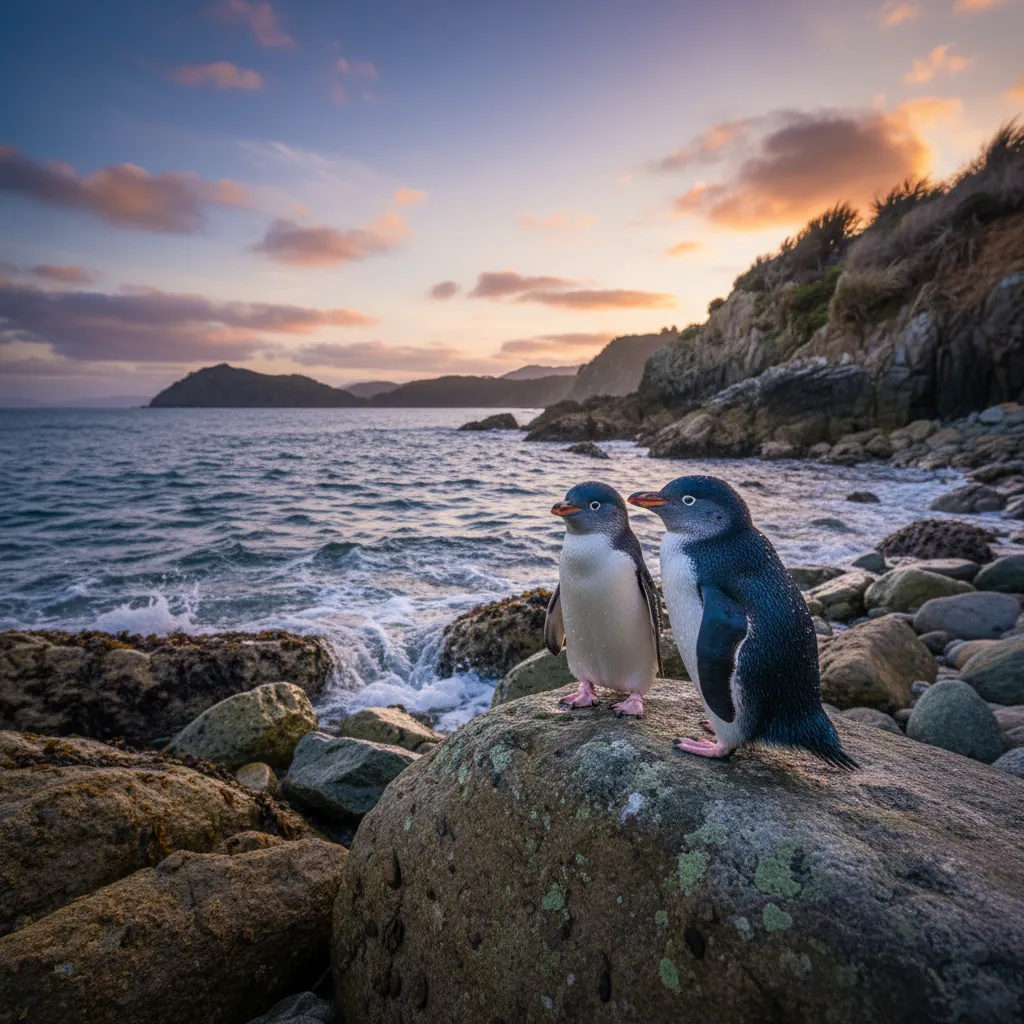
While the harbour itself is teeming with life, the outer edges of the peninsula host the Pohatu Marine Reserve. This area is home to the largest colony of Little Blue Penguins (Kororā) on mainland New Zealand. The reserve was established to protect the fragile marine ecosystem and the nesting sites of these charismatic birds.
The Kororā Experience
Little Blue Penguins are the smallest penguin species in the world, standing at just 25 to 30 centimeters tall. They are famously shy, spending their days at sea fishing and returning to their burrows at dusk. Nature cruises and land-based tours to Pohatu offer a rare glimpse into their lives. During the breeding season (from August to January), the activity in the colony is peak. Many Akaroa Harbour nature cruises include a segment that skirts the edges of the Pohatu Marine Reserve, allowing guests to see penguins swimming in the water or resting on the rocky outcrops.
A Success Story in Conservation
The Pohatu colony is a testament to the power of private-public conservation partnerships. For decades, local families and conservationists have worked to protect the penguins from introduced predators like stoats and cats. By installing nesting boxes and implementing predator control programs, they have seen the population thrive. When you visit Pohatu, you are witnessing one of New Zealand’s most successful regenerative tourism initiatives, where your visit directly funds the continued protection of the species.
Kayaking the Marine Reserve: A Silent Approach to Nature
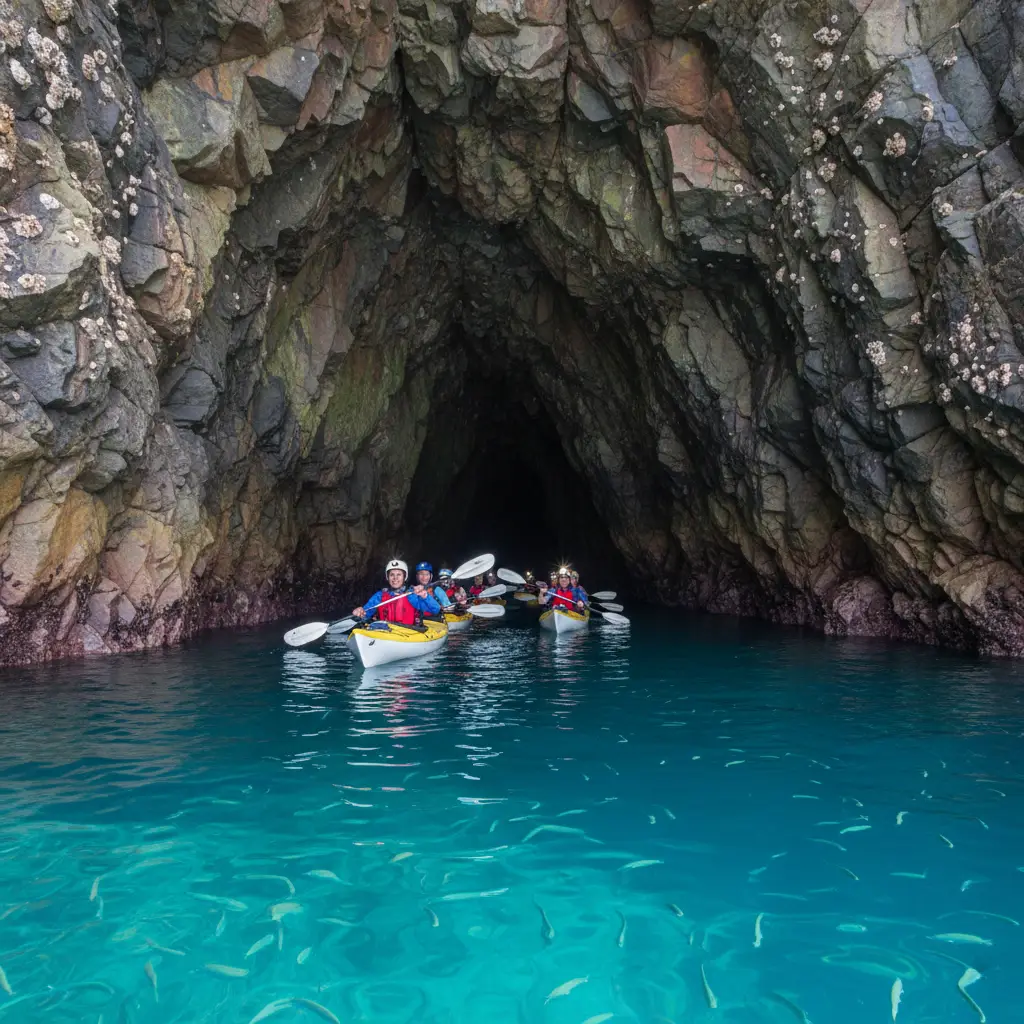
For those who prefer a more intimate and active encounter with the marine environment, kayaking is an unparalleled option. Kayaking within the Akaroa and Pohatu Marine Reserves allows for a silent approach that often results in more natural wildlife interactions. Without the hum of an engine, the sounds of the ocean—the bark of a New Zealand Fur Seal or the splash of a diving gannet—become the soundtrack of your journey.
Navigating Sea Caves and Archways
The volcanic coastline of Banks Peninsula is riddled with sea caves and natural archways that are inaccessible to larger vessels. Kayakers can maneuver through these geological wonders, observing the colorful encrusting sponges and anemones that cling to the rock walls beneath the tide line. It is not uncommon for a curious Hector’s dolphin to swim alongside a kayak, providing a water-level perspective of these magnificent creatures.
Sustainability in Motion
Kayaking is the epitome of low-impact tourism. It leaves no carbon footprint and causes minimal disruption to the marine environment. Many operators offer guided tours that emphasize the “leave no trace” philosophy, educating paddlers on the importance of maintaining a safe distance from wildlife while still enjoying the thrill of a close encounter. This method of exploration aligns perfectly with the principles of regenerative travel, ensuring that the marine reserve remains pristine for future generations.
Conservation Efforts and Regenerative Travel in Akaroa Harbour
The establishment of the Akaroa Marine Reserve in 2014 was a hard-fought victory for local conservationists. Covering over 500 hectares, the reserve provides a “no-take” zone where marine life can recover and flourish without the pressure of fishing. This protection has led to a noticeable increase in fish biomass, which in turn supports the larger predators like dolphins, seals, and penguins.
The Role of Eco-Tourism
Akaroa Harbour nature cruises play a vital role in the region’s conservation strategy. By providing an economic incentive to protect the environment, tourism ensures that the natural beauty of the peninsula is valued. Many operators are Qualmark Gold-rated, meaning they meet the highest standards of environmental and social responsibility. They contribute to research, participate in beach clean-ups, and provide educational commentary that turns every passenger into an advocate for marine protection.
Regenerative Travel: Giving Back
Regenerative travel goes beyond sustainability; it aims to leave a place better than you found it. In Akaroa, this is seen in the reforestation projects on the hillsides surrounding the harbour. Native trees like the Totara and Kanuka are being replanted to reduce erosion and runoff, which improves water clarity and health for the marine life below. Visitors can often participate in these efforts or support them through the conservation levies included in their tour prices.
Planning Your Akaroa Harbour Nature Cruise
To make the most of your visit to Banks Peninsula, timing and preparation are key. The region experiences a temperate climate, but the weather can change rapidly. Here are some essential tips for planning your adventure:
- Best Time to Visit: While cruises run year-round, the warmest months (December to March) offer the most comfortable conditions. However, the shoulder seasons (October-November and April-May) can provide quieter tours and excellent wildlife activity.
- What to Wear: Even on a sunny day, the wind on the water can be chilly. Layers are essential. Most operators provide high-quality spray jackets or wetsuits if you are participating in a swim-with-dolphin experience.
- Booking in Advance: Akaroa Harbour nature cruises are incredibly popular, especially during the summer cruise ship season. It is highly recommended to book your tour at least a few weeks in advance to secure your preferred time slot.
- Camera Gear: A camera with a good zoom lens is helpful for birdwatching, but for dolphins, a wide-angle lens or a GoPro is often better as they tend to stay close to the boat.
By choosing a certified eco-tour, you are not just seeing the sights; you are participating in a global movement to protect our oceans. The magic of Akaroa Harbour lies in its balance of wild beauty and dedicated stewardship, making it a must-visit destination for any conscious traveler.
Other Wildlife to Look For
Beyond the headline species, Akaroa Harbour is a birdwatcher’s paradise. Look out for the Spotted Shag, which nests on the sheer cliffs, and the White-flippered Penguin, a subspecies unique to Canterbury. You may also spot the New Zealand Fur Seal (Kekeno) basking on the rocks at the harbour entrance. Occasionally, larger visitors like Humpback whales or Orca pass through the outer bays during their migration seasons, adding an extra layer of excitement to any nature cruise.
When is the best time to see Hector’s dolphins in Akaroa?
Hector’s dolphins are residents of Akaroa Harbour and can be seen year-round. However, they are most active and likely to be seen in the inner harbour during the warmer summer months (December to March) when the water temperatures are higher and food is abundant.
Can you swim with dolphins in Akaroa?
Yes, Akaroa is one of the few places in New Zealand where you can legally swim with Hector’s dolphins. These tours are strictly regulated to ensure the safety and well-being of the dolphins. Participants are provided with wetsuits and snorkels for the experience.
How long do Akaroa Harbour nature cruises last?
Most standard nature cruises last between 2 to 2.5 hours. This provides ample time to explore the harbour, visit the marine reserve boundaries, and spend quality time observing the various wildlife species without rushing.
What is the difference between Akaroa Marine Reserve and Pohatu Marine Reserve?
Akaroa Marine Reserve is located within the main Akaroa Harbour, focusing on the protection of the inner harbour ecosystem. Pohatu Marine Reserve is located in Flea Bay on the outer coast of the peninsula and is specifically known for its large penguin colony and rugged coastal scenery.
Are penguins guaranteed on a Pohatu tour?
While wildlife sightings can never be 100% guaranteed, Pohatu is home to a very large and stable colony. During the nesting season (August to January), sightings are extremely reliable, especially on evening tours when the penguins return from the sea.
What should I wear for a nature cruise in New Zealand?
It is best to dress in layers. Even in summer, the sea breeze can be cold. Wear a windproof or waterproof jacket, comfortable non-slip shoes, sunglasses, and a hat. Don’t forget sunscreen, as the New Zealand sun is very strong even on cloudy days.