Author name: Admin

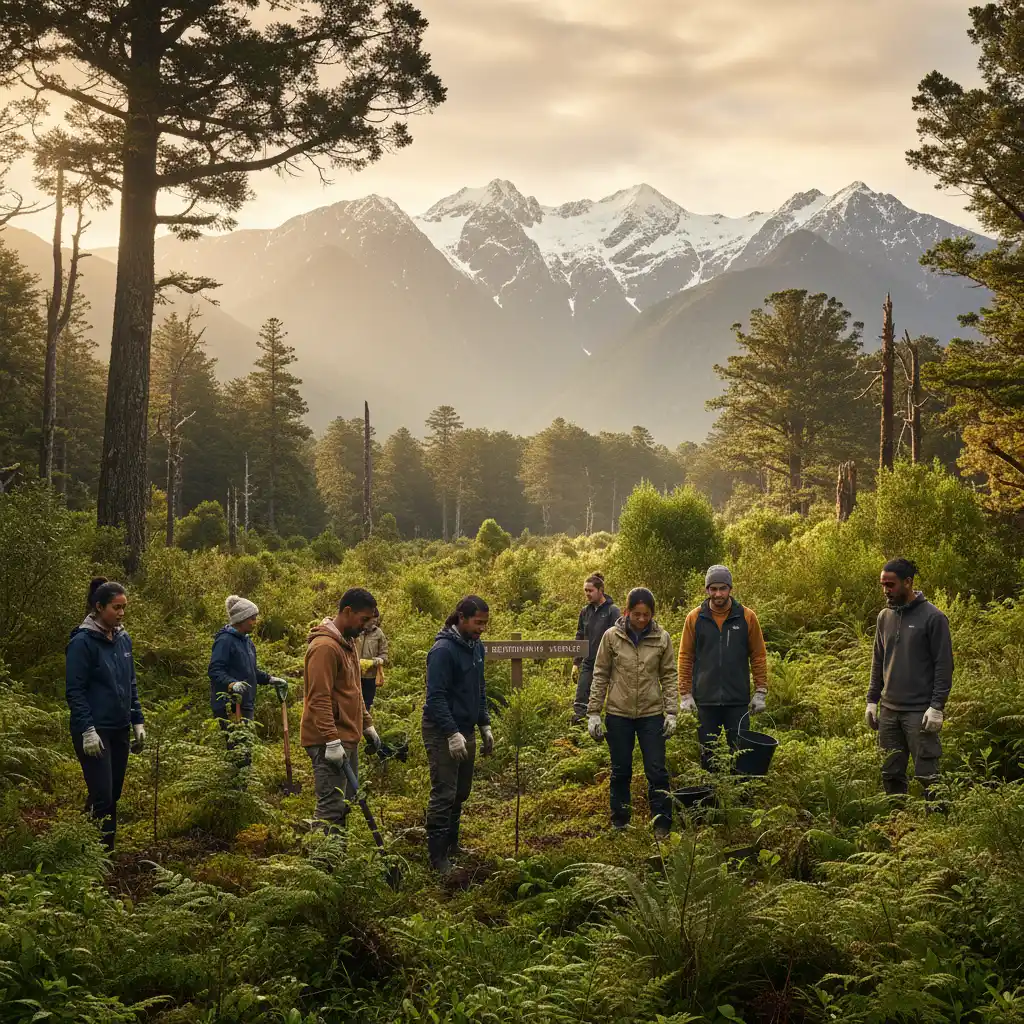
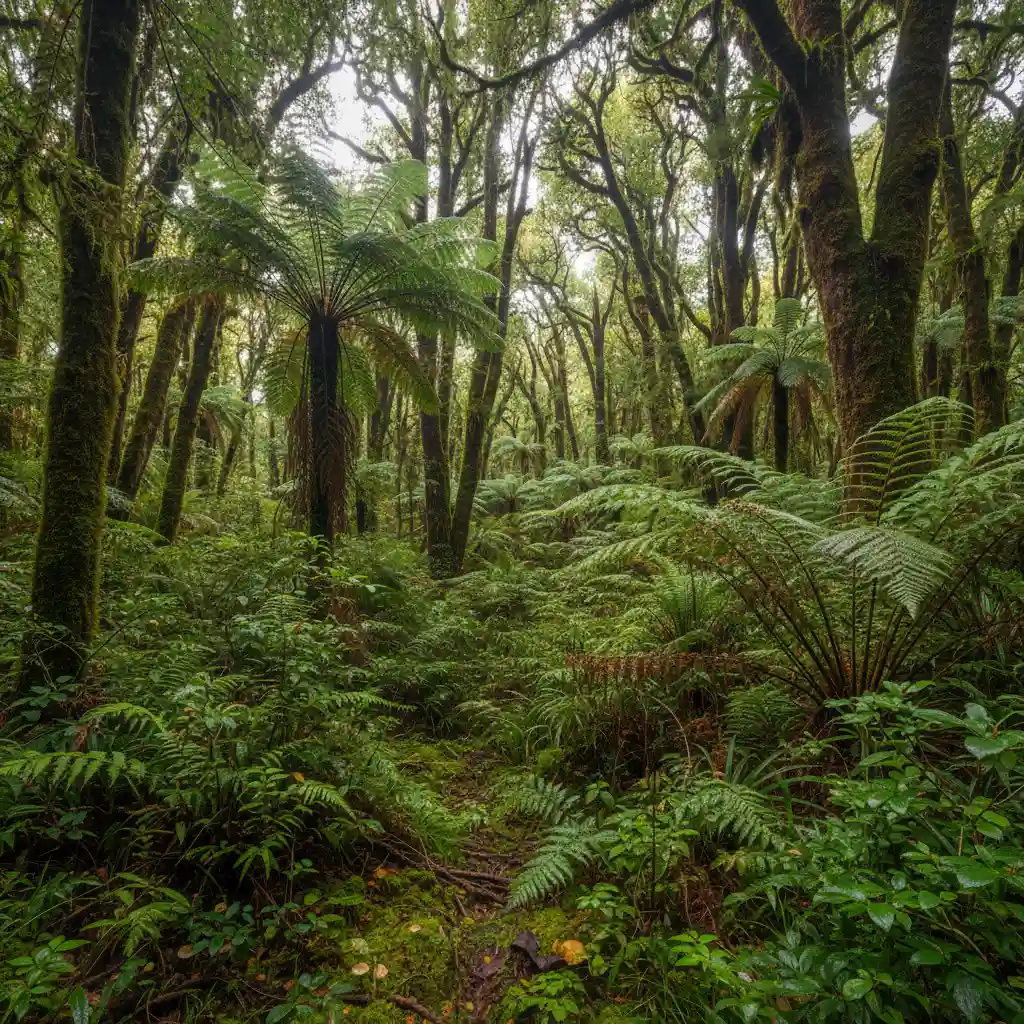
A Kaitiaki observing the native New Zealand bush
Restorative Nature: Wellbeing & Quiet

Maori Manaakitanga

Kaitiakitanga is the Māori concept of guardianship, stewardship, and protection. It represents the active obligation to care for the land, sea, and sky, ensuring nature’s resources are preserved for future generations. Rooted in the word ‘tiaki’ (to care for), it defines the reciprocal relationship between people and the natural world. Table of Contents Kaitiakitanga (Guardianship) […]
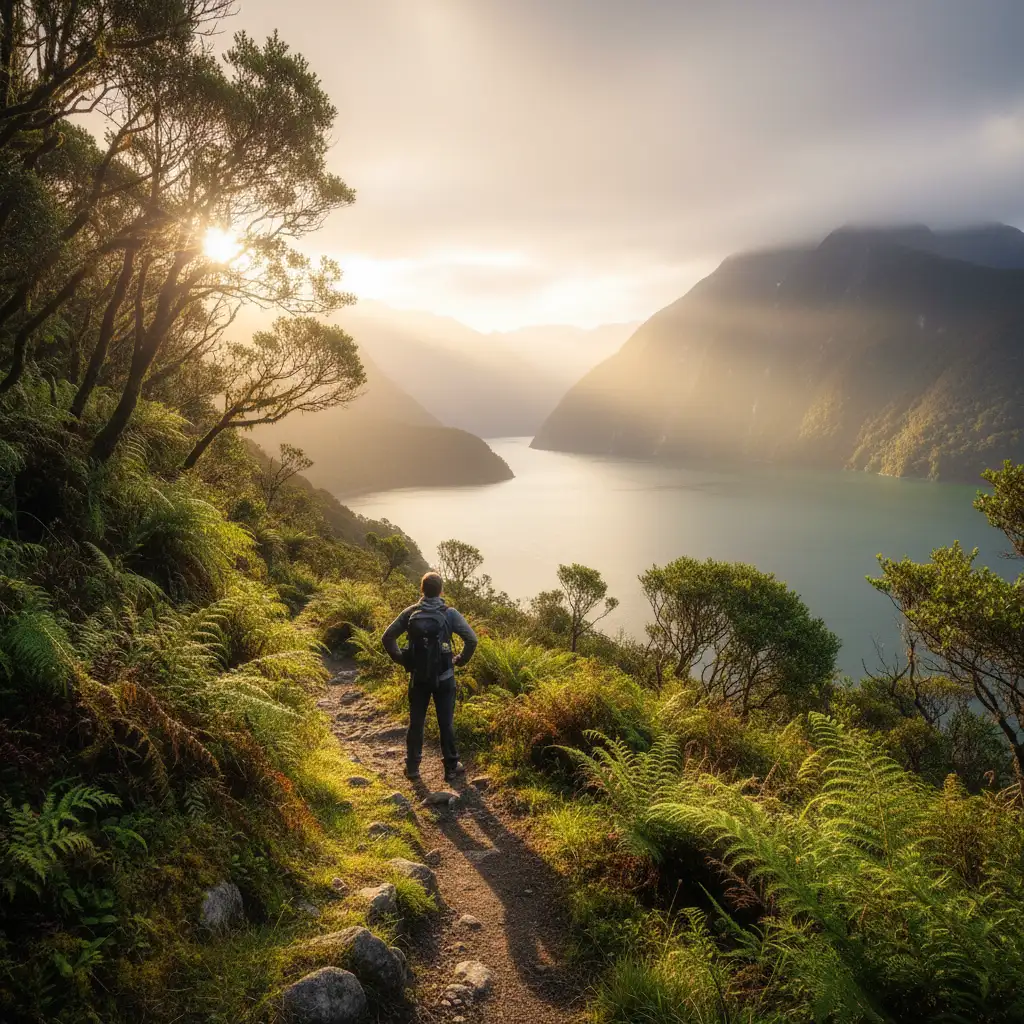
Hiker enjoying a slow travel moment in New Zealand wilderness
Restorative Nature: Wellbeing & Quiet

Slow Tourism Itineraries

Slow tourism in New Zealand is a travel philosophy that prioritizes deep immersion over checking off sights, encouraging visitors to stay longer in fewer regions to minimize their carbon footprint. By utilizing low-impact transport like cycling and engaging with local conservation efforts, travelers experience authentic Māori culture and pristine environments while directly supporting sustainable eco-tourism

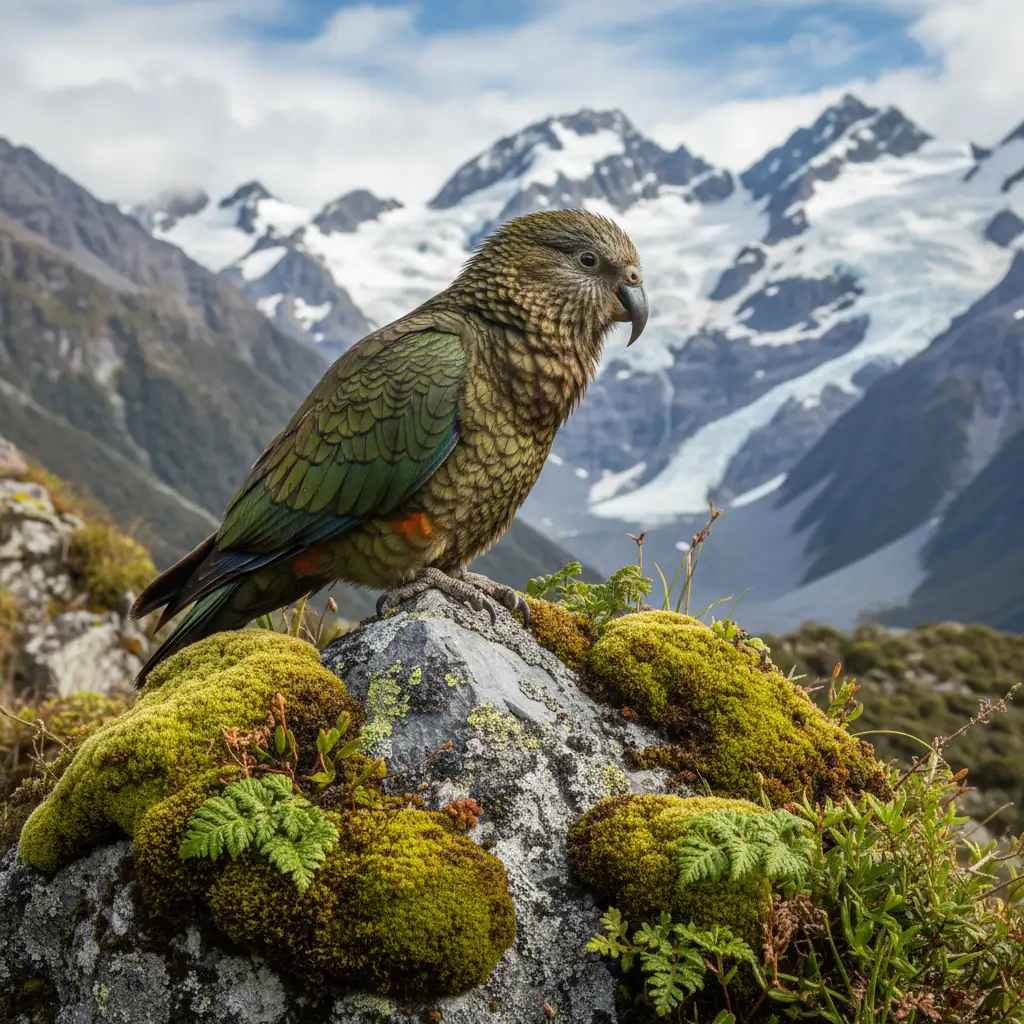
Kea parrot in New Zealand Southern Alps illustrating ethical distance
Conservation Science & Advocacy

Ethical Photography

Ethical wildlife photography is the practice of capturing images of animals in their natural environment while prioritizing the welfare of the subject and the preservation of their habitat above the image itself. It requires minimizing human impact, avoiding the disruption of natural behaviors, and adhering to conservation guidelines to ensure wildlife remains wild and undisturbed.

Person meditating in New Zealand native bush for mental fatigue relief nature
Restorative Nature: Wellbeing & Quiet

Soundscapes of Aotearoa

Mental fatigue relief through nature is scientifically linked to the restorative power of natural soundscapes, such as Aotearoa’s dawn chorus. Immersion in these acoustic environments lowers cortisol levels, improves cognitive function, and alleviates stress by engaging “soft fascination,” allowing the brain to recover from the sensory overload of modern urban living. In an era defined

Wheelchair accessible wooden boardwalk in NZ rainforest
Restorative Nature: Wellbeing & Quiet

Accessible Nature

Wheelchair accessible nature walks in NZ are purpose-built trails featuring sealed surfaces, wooden boardwalks, and gentle gradients designed for mobility devices and prams. Primarily managed by the Department of Conservation (DOC), these tracks provide barrier-free access to diverse ecosystems, from ancient kauri forests to alpine lakes, ensuring inclusive eco-tourism experiences across Aotearoa. New Zealand’s reputation

Travelers engaging in regenerative forestry in New Zealand
Conservation Science & Advocacy

Regenerative Travel

Regenerative travel is a holistic tourism paradigm that aims to leave a destination better than it was found. Unlike sustainable tourism, which seeks to minimize harm or maintain the status quo, the regenerative travel meaning focuses on net-positive impacts: actively restoring ecosystems, revitalizing local cultures, and injecting capital directly into community-led conservation economies. For decades,

Aerial view of the Wellington Green Belt surrounding the city
Restorative Nature: Wellbeing & Quiet

Quiet Walking Tracks

The Wellington Green Belt, formally known as the Town Belt, is a continuous horseshoe-shaped network of nature reserves and public parks surrounding the central city. It offers numerous quiet walking tracks through regenerating native forest, providing eco-tourists and locals with accessible solitude, panoramic harbour views, and rich birdlife encounters just minutes from the CBD. For

Person practicing forest bathing in a lush New Zealand native forest
Restorative Nature: Wellbeing & Quiet

Forest Bathing

Forest bathing in New Zealand, or Shinrin-yoku, is the practice of immersing oneself in the country’s ancient podocarp and beech forests to absorb the atmosphere through the senses. By slowly navigating these unique ecosystems, practitioners inhale phytoncides—wood essential oils—which significantly lower cortisol levels, boost immune function, and promote profound mental clarity. New Zealand offers a

DOC ranger rescuing an injured native Tui bird
Conservation Science & Advocacy

Injured Wildlife

New Zealand is home to some of the world’s most unique and vulnerable species, many of which are found nowhere else on Earth. When you encounter a native animal in distress, knowing exactly how to report injured wildlife in NZ is critical for its survival and the broader conservation efforts of the nation. To report

New Zealand native rainforest ecosystem
Conservation Science & Advocacy

Invasive Species Profiles

Invasive species in New Zealand are introduced flora and fauna that aggressively establish themselves, outcompeting native wildlife and destroying habitats. Due to NZ’s evolutionary isolation, its ecosystem is uniquely vulnerable to mammalian predators like possums, stoats, and rats, which threaten the survival of flightless birds and indigenous forests. Table of Contents The Fragile Balance of

Scroll to Top