Regenerative Travel NZ
New Zealand’s Protected Wilderness: Marine Reserves, Dark Skies & Eco-Sanctuaries
Discover the authentic Aotearoa. From the bioluminescent depths of the Waitomo caves to the celestial heritage of the Mackenzie Basin, we guide conscious explorers to the places where nature still rules.
Trusted by 15,000+ Eco-Explorers & Conservation Advocates
Why We Seek the Sanctuary
In an increasingly noisy world, silence has become a luxury. True darkness, lit only by the southern stars, is a rarity. New Zealand—Aotearoa, the Land of the Long White Cloud—remains one of the few places on Earth where the concept of “sanctuary” is not just a marketing term, but a legislative promise and a cultural mandate.
At Sanctuary.org.nz, we believe that travel should be an act of restoration. It isn’t merely about seeing a landscape; it is about understanding the delicate ecosystems that sustain it. Whether you are tracking the elusive Kiwi in the fern-dense forests of Stewart Island or witnessing the thunderous breach of a Sperm Whale off the Kaikoura coast, every encounter carries a responsibility.
Our mission is to bridge the gap between tourism and conservation. We provide the intelligence you need to navigate the Department of Conservation (DOC) estate, understand bio-security protocols, and find those rare, quiet corners where the wild remains wild. This is not a guide for the “tick-box” tourist. This is for the traveler who wishes to tread lightly, leaving nothing but footprints and taking nothing but memories (and perhaps a deeper understanding of our role as Kaitiaki—guardians).
We champion the “Tiaki Promise”—a commitment to care for New Zealand, for now and for future generations.
Find Your Path in the Wild
Whether you are introducing little ones to nature or chasing the Aurora Australis, our guides are tailored to your pace.
Little Explorers & Families
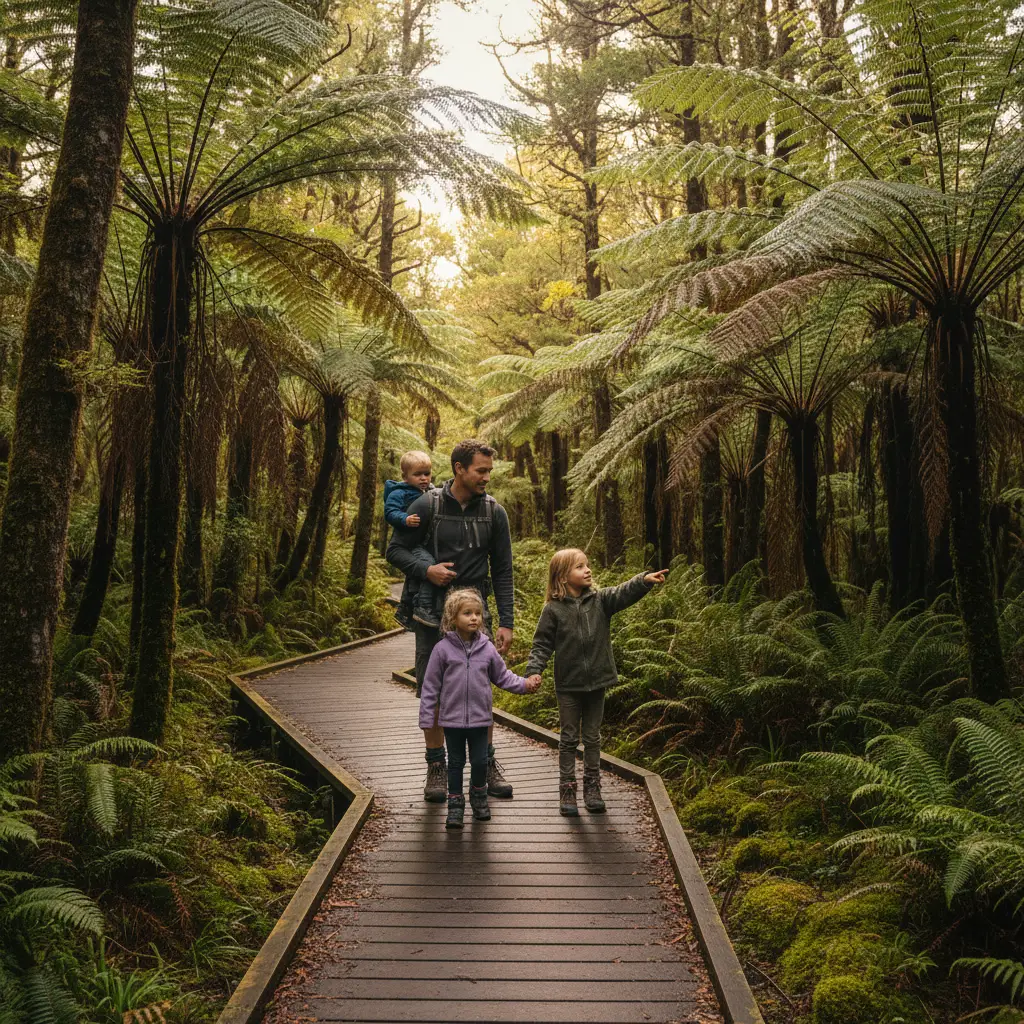
Introducing children to the wonders of the natural world is one of the greatest gifts a parent can give. However, navigating rugged terrain with strollers or finding engaging, safe activities requires inside knowledge. We have curated specific itineraries for Family-Friendly Nature experiences.
From stroller-friendly boardwalks to ethical wildlife encounters where kids can learn about conservation without disturbing habitats, we ensure your family adventure is stress-free. Discover conservation activities for kids that turn a holiday into a lifelong lesson in ecology.
Stargazers & Night Sky Chasers
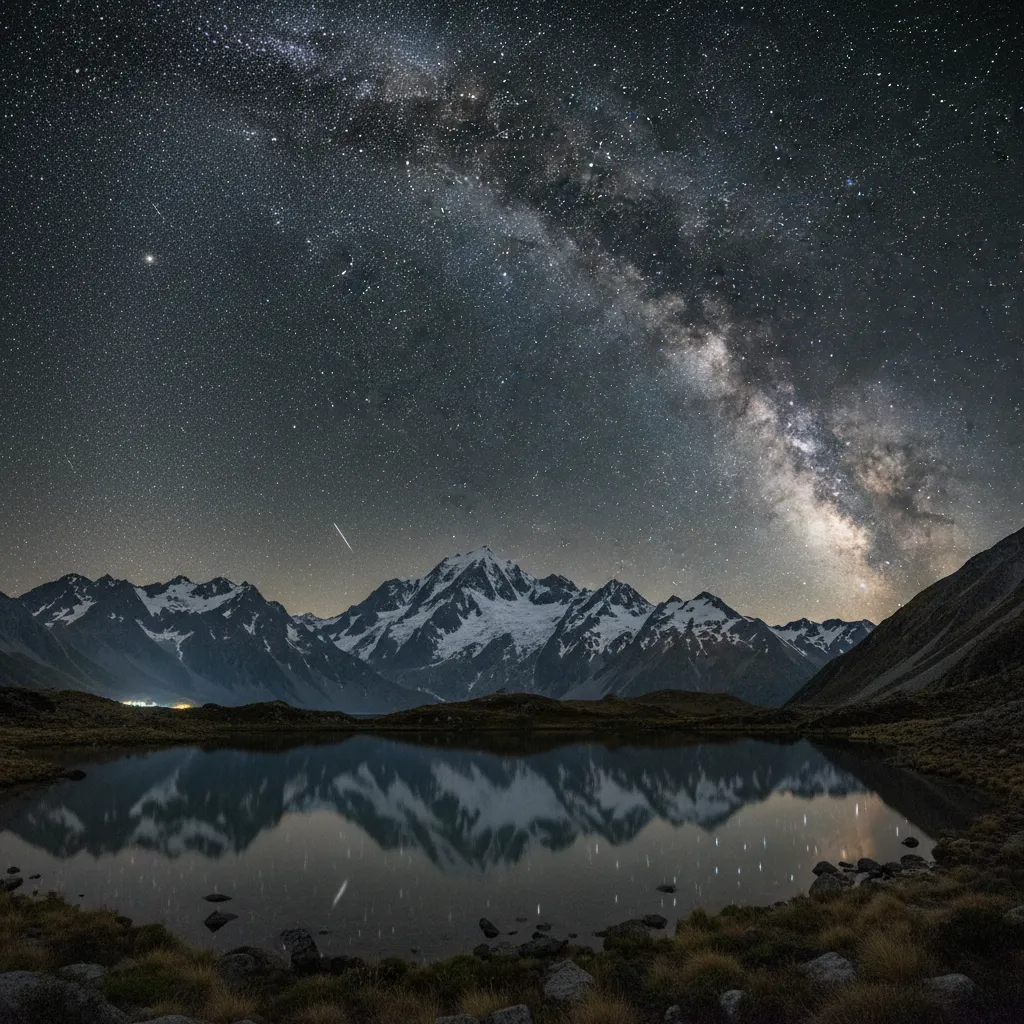
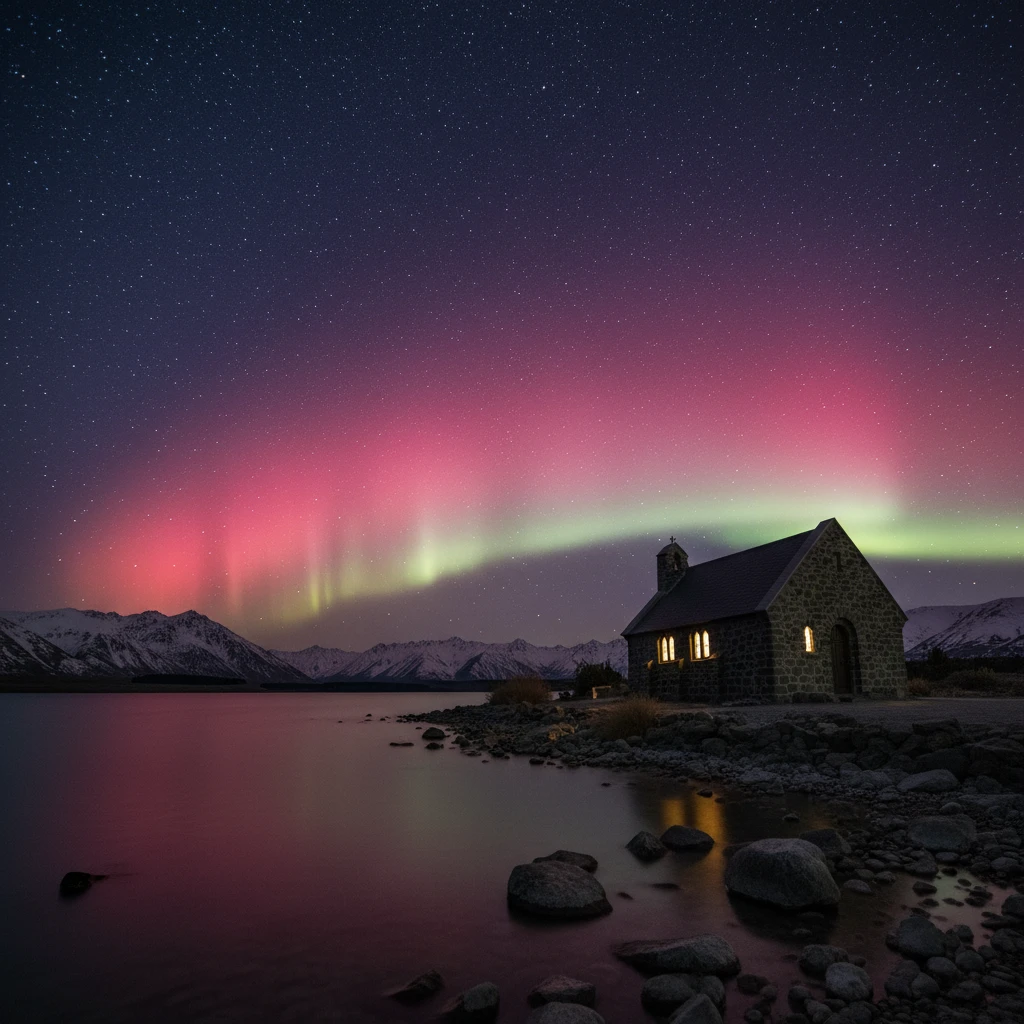
New Zealand is home to some of the darkest skies on the planet. For the astrotourist, the Mackenzie Basin is a pilgrimage site. Here, the Aoraki Mackenzie International Dark Sky Reserve offers unparalleled views of the Milky Way and the Magellanic Clouds.
We guide you beyond the basics. Learn about Winter Magic: Matariki & Aurora Australis viewing, or venture off the beaten path to remote islands like Great Barrier for a celestial experience in total isolation. Explore our guide to emerging Dark Sky Sanctuaries before the crowds arrive.
Pillars of Conservation
Our expertise spans from the ocean floor to the alpine peaks. Dive into our core categories.
Blue Horizons: Marine Sanctuaries
New Zealand’s marine biodiversity is staggering. We cover everything from Diving the Poor Knights Islands—rated by Jacques Cousteau as one of the world’s top dive sites—to the giants of the deep in Kaikoura.
Understanding marine reserves is crucial. Whether you are visiting the Banks Peninsula & Akaroa Marine Reserves to see the rare Hector’s Dolphin, or planning Whale Watching trips, our guides ensure you choose ethical operators who respect marine life distances.
The Green Belt: Native Flora & Fauna
The isolation of New Zealand allowed ancient forests to thrive. We help you identify native flora and practice Forest Bathing in ancient Podocarp forests.
For the wildlife enthusiast, we offer detailed guides on Kiwi Spotting (Stewart Island vs. Sanctuaries) and the intelligence of the alpine parrot, the Kea. Be sure to read our safety guide on Kea Interaction to ensure these mischievous birds remain wild.
“To know the forest is to know the heartbeat of the land. To know the ocean is to know its breath.”
The Conscious Travel Framework
Preparation & Bio-Security
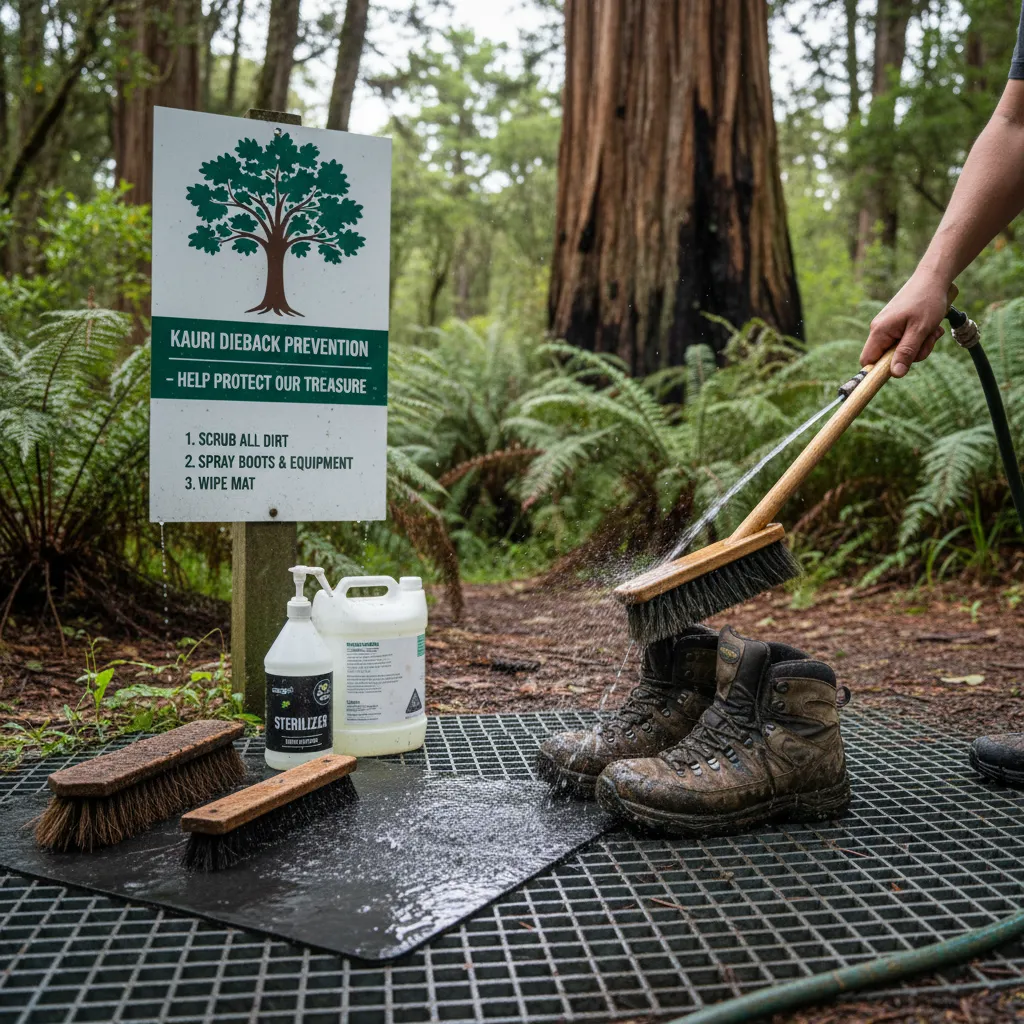
New Zealand’s ecosystem is fragile. Before you arrive, understand Seasonal Wildlife & Bio-Security. Cleaning your gear prevents the spread of Kauri Dieback and invasive seeds. Planning also involves knowing the seasons—check our Wildlife Watching & Migration Calendars to time your visit perfectly.
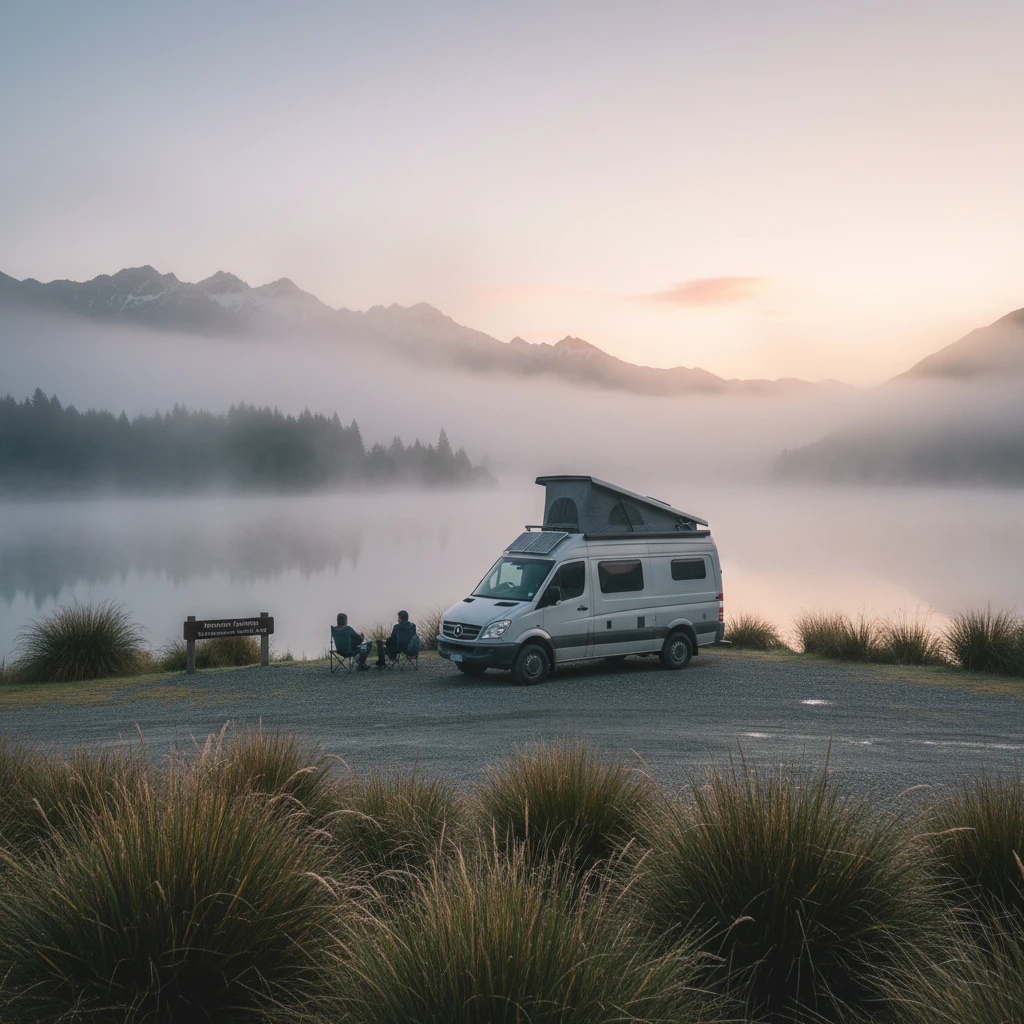
Logistics & Accommodation
Will you be staying in eco-lodges or freedom camping? If the latter, you must understand Self-Containment Rules. We review the Best Freedom Camping Apps and provide a guide to DOC Huts & Budget Access. Responsible camping keeps our sites open for everyone.
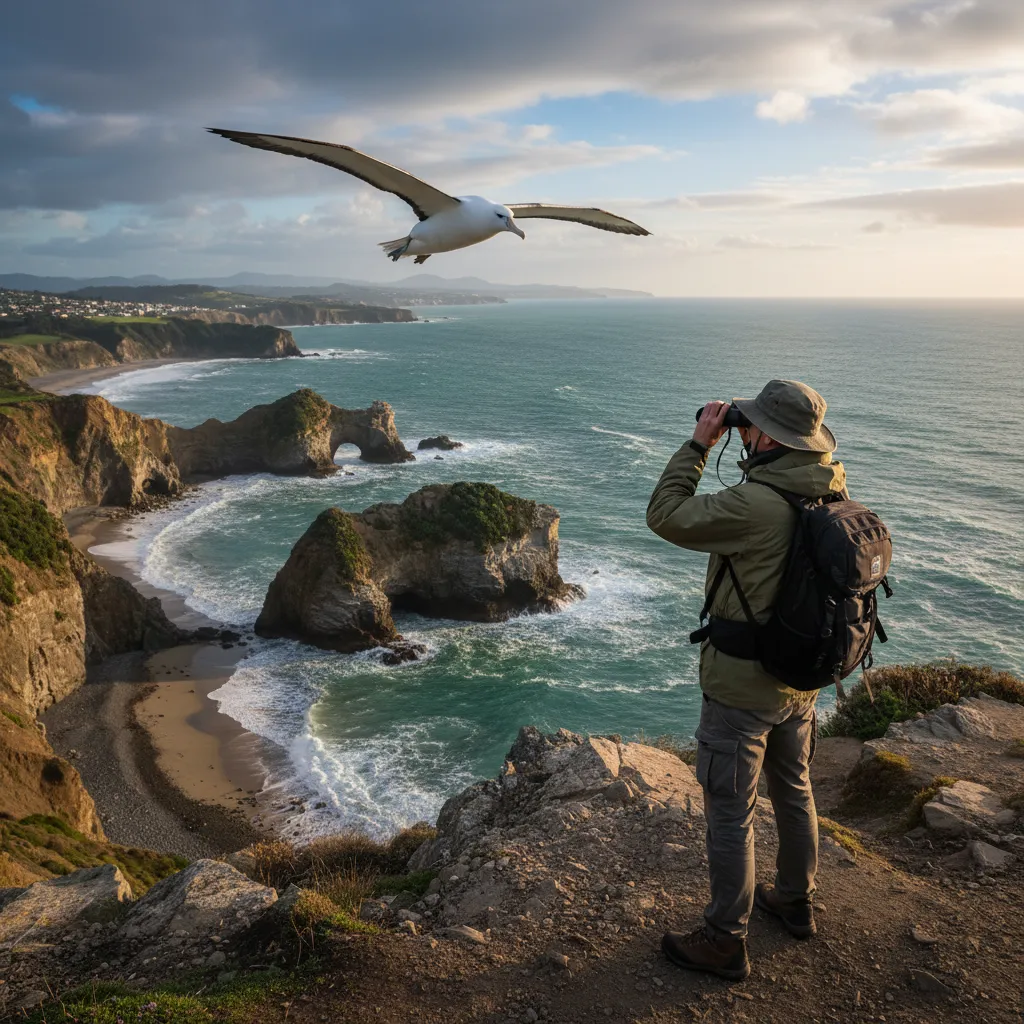
Respectful Observation
Whether viewing Royal Albatross at Taiaroa Head or the Hoiho (Yellow-Eyed Penguin), distance is key. Our guides cover Safe & Ethical Wildlife Encounters. We teach you how to observe without altering natural behaviors, ensuring the safety of both you and the animal.
Frequently Asked Questions
When is the best time for whale watching in New Zealand?
▼
Kaikoura offers year-round Sperm Whale viewing. However, migratory species like Humpbacks are best seen in winter (June-August) as they travel north to warmer waters. Orca can often be seen in summer (December-March). Check our Whale Watching comparison for specific regional details.
How do I book a DOC Hut for hiking?
▼
Booking DOC huts, especially on Great Walks, requires advance planning. Bookings usually open in mid-year for the upcoming summer season. For backcountry huts, you may need a Backcountry Hut Pass. Read our guide on Buying a DOC Hut Pass Online for a step-by-step process.
Is it safe to freedom camp anywhere?
▼
No. Freedom camping is strictly regulated. You generally need a certified self-contained vehicle and must park in designated areas. Fines are significant for non-compliance. See our Freedom Camping & Logistics guide to stay legal and respectful.
Where is the best place to see Kiwis in the wild?
▼
Stewart Island (Rakiura) offers the best chance to see Kiwis in their natural habitat, often even during dusk. Several sanctuaries like Zealandia (Wellington) and Rotoroa Island also offer high success rates. Compare locations in our Kiwi Spotting Guide.
What are the rules for interacting with marine mammals?
▼
You must stay at least 50m away from whales and 300m if they are with calves. For dolphins, do not feed or swim with them unless with a permitted operator. Specific caution is needed during Hector’s Dolphin Calving Season.
Can I forage for food in New Zealand forests?
▼
Foraging is possible but requires expert knowledge to avoid toxic species and protect the ecosystem. Fungi Foraging is popular in autumn, but you should never harvest in National Parks or reserves where it is prohibited.
Leave Only Footprints
The true magic of New Zealand isn’t just in the landscapes you see, but in the silence you hear and the pristine air you breathe. Ready to explore responsibly?
Get the Independent Nature Guide
Start planning your Sanctuary Loop Road Trip today.