A Dark Sky Sanctuary is public or private land that has an exceptional or distinguished quality of starry nights and a nocturnal environment that is protected for its scientific, natural, or educational value. Unlike parks or reserves, sanctuaries are typically situated in very remote locations with little to no nearby threats to the quality of the dark sky, making their fragility and isolation their defining characteristics.
For eco-tourists and stargazers, these sanctuaries represent the holy grail of astrotourism. They offer a window into the universe as it appeared before the advent of electricity, providing a visceral connection to the cosmos that is rapidly disappearing from the rest of the inhabited world. In the context of New Zealand, these sanctuaries are not just about pretty views; they are vital conservation efforts protecting nocturnal wildlife and preserving Māori cultural heritage.
What is the Difference Between a Dark Sky Sanctuary, Park, and Reserve?
While the terms are often used interchangeably by travelers, the International Dark-Sky Association (IDA) maintains strict definitions that separate these designations based on accessibility, isolation, and sky quality.
Dark Sky Sanctuaries are the most exclusive and fragile designation. They are defined specifically by their geographic isolation. They are typically located in very remote areas where there is zero to negligible light pollution. The key differentiator is that a Sanctuary is designed to protect the site’s fragility. These locations often have limited public outreach infrastructure because their primary goal is preservation rather than high-volume tourism.
Dark Sky Parks are publicly owned spaces (like National Parks) that implement good outdoor lighting and provide dark sky programs for visitors. They are more accessible than sanctuaries and focus heavily on public education.
Dark Sky Reserves consist of a core “dark” zone surrounded by a populated periphery where lighting controls are enacted to protect the core. The Aoraki Mackenzie International Dark Sky Reserve in New Zealand is a prime example, where towns like Tekapo actively manage light to protect the observatory nearby.
How Does the International Dark-Sky Association Certify Sanctuaries?
Achieving Sanctuary status is a rigorous process that can take years of data collection and advocacy. The IDA requires robust evidence that the night sky quality is exceptional.
Sky Quality Measurements (SQM)
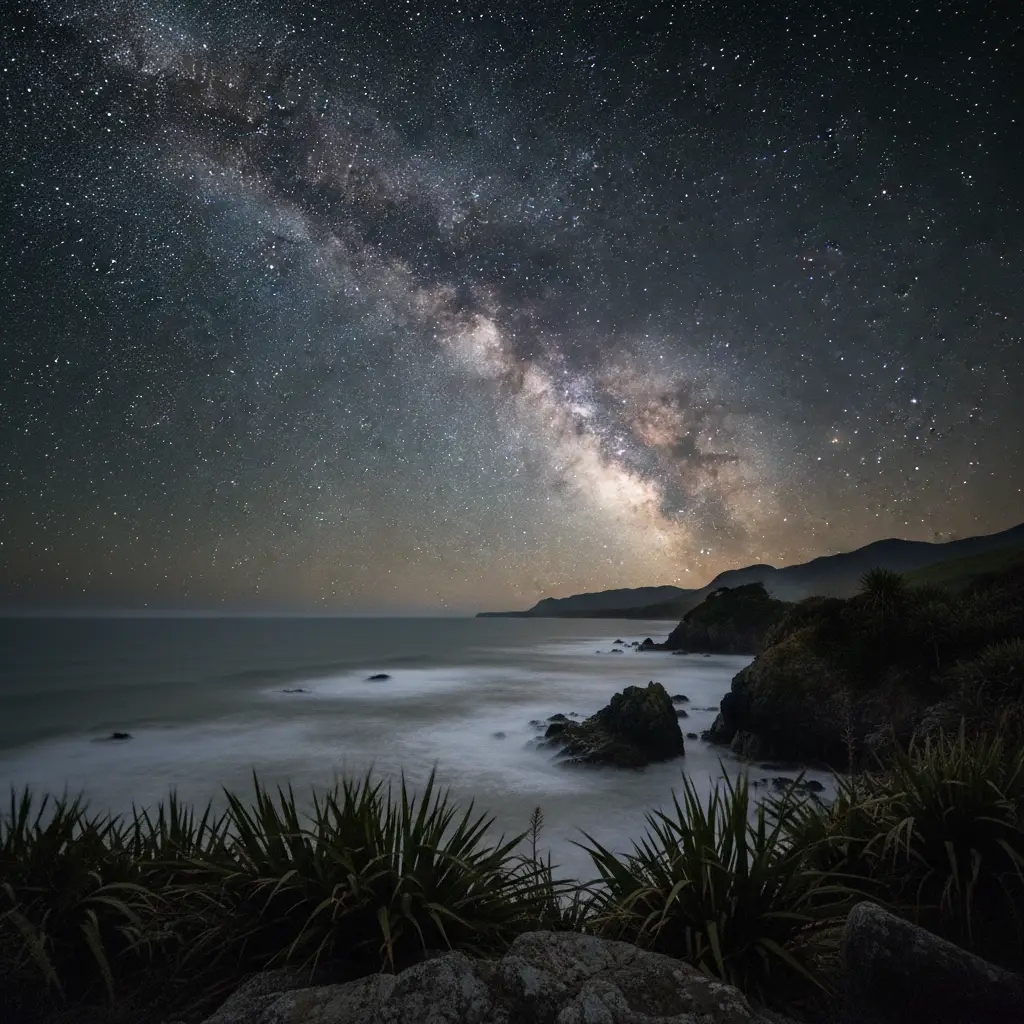
Applicants must submit readings from a Sky Quality Meter. This device measures the brightness of the night sky in magnitudes per square arcsecond. A reading of 21.00 or higher typically indicates a very dark sky, with 22.00 being absolute darkness free of artificial light. Sanctuaries consistently record readings near the theoretical limit of darkness.
Lighting Management Plans (LMP)
Even in remote areas, there may be small huts, ranger stations, or nearby baches (holiday homes). To become a Sanctuary, the governing body must enact a legally binding Lighting Management Plan. This ensures that any future development adheres to strict shielding and color temperature protocols (usually 3000 Kelvin or lower) to prevent light spill.
Why Does Light Pollution Matter for Conservation?
In the context of New Zealand eco-tourism, Dark Sky Sanctuaries are critical for biodiversity. Light pollution is not merely an aesthetic annoyance for astronomers; it is an ecological pollutant that disrupts the natural rhythms of wildlife.
Impact on Nocturnal Birds
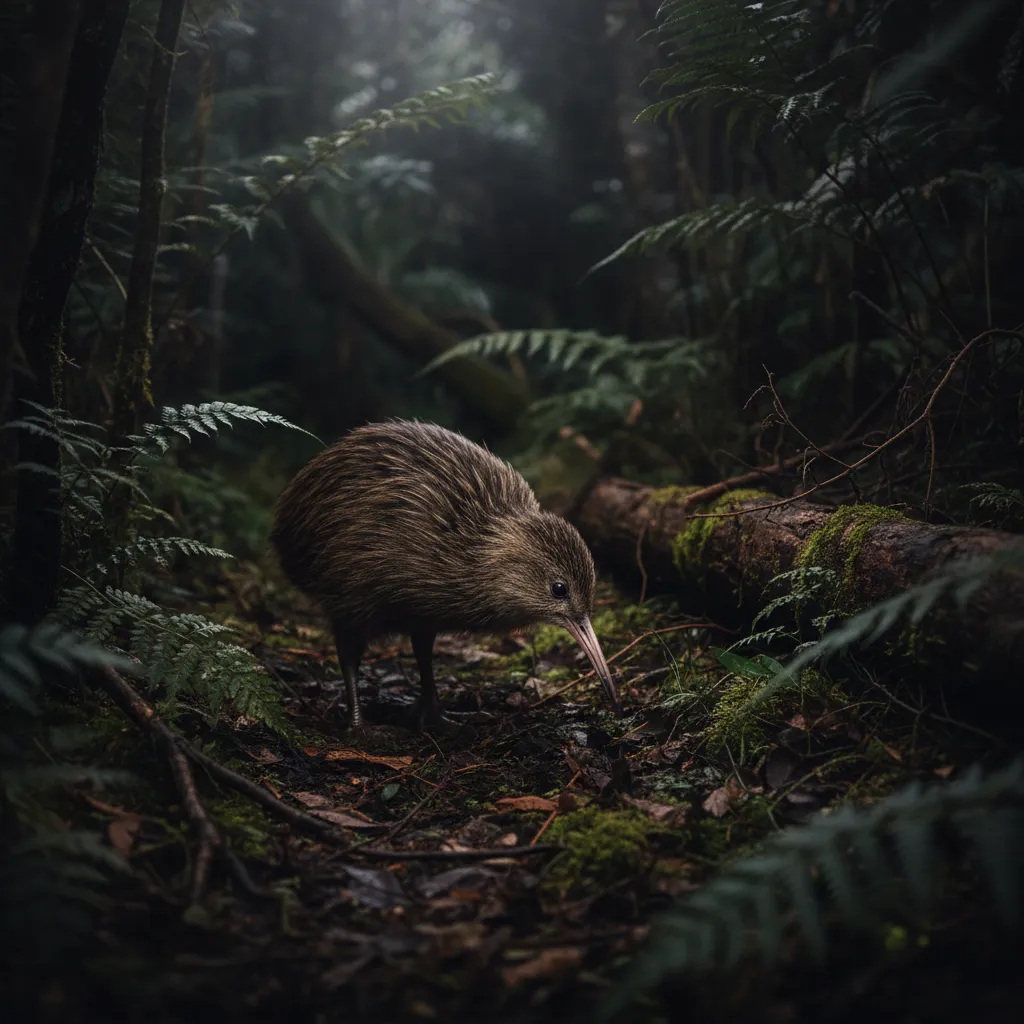
New Zealand is famous for its nocturnal birdlife, particularly the Kiwi and the Morepork (Ruru). Artificial light at night (ALAN) can disrupt their foraging behaviors and breeding cycles. Furthermore, seabirds such as Petrels and Shearwaters are notoriously susceptible to light disorientation. Fledglings often crash-land after mistaking artificial lights for the horizon or stars, leading to fatal exhaustion or predation.
Human Health and Heritage
For humans, the absence of artificial light aligns our circadian rhythms, improving sleep quality and mental health. Culturally, the preservation of the dark sky is essential for maintaining Māori celestial navigation traditions and the observation of Matariki (the Pleiades), which marks the Māori New Year.
New Zealand’s Premier Sanctuaries: Aotea vs. Rakiura
New Zealand is unique in hosting two certified Dark Sky Sanctuaries, both located on islands, providing a natural barrier against light encroachment.
Aotea / Great Barrier Island
Designated: 2017
Location: Hauraki Gulf, off the coast of Auckland.
The Experience: Despite being only a 30-minute flight from New Zealand’s largest city, Aotea is entirely off the grid. There is no reticulated electricity on the island; residents rely on solar and battery power. This lack of streetlights makes it an unintentional but perfect candidate for a Sanctuary. The island offers a rugged, subtropical climate with pristine beaches.
Rakiura / Stewart Island
Designated: 2019
Location: The southernmost inhabited island of New Zealand.
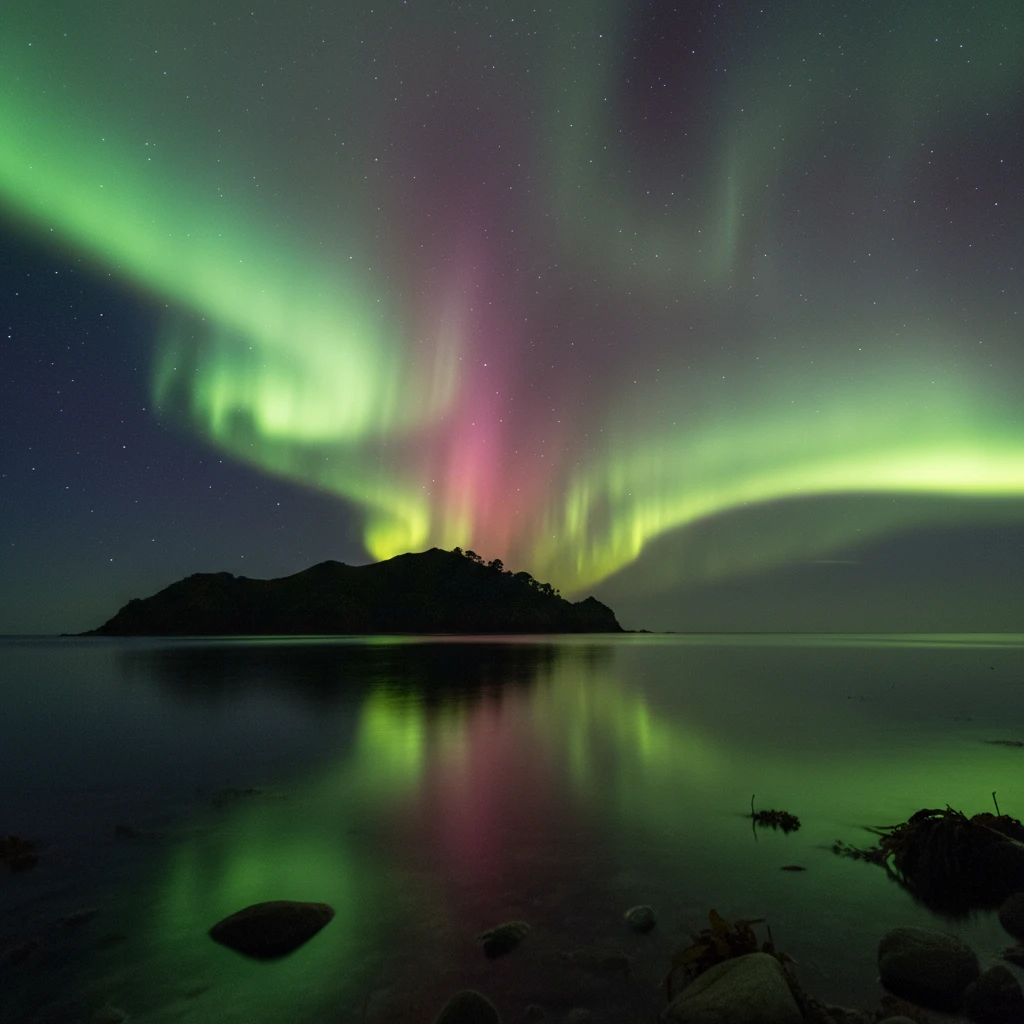
The Experience: Rakiura is wilder and more remote in feel. With 85% of the island designated as a National Park, the darkness here is profound. Its southern latitude also makes it the prime location for spotting the Aurora Australis (Southern Lights). The weather is more volatile, but the periods of clarity offer some of the deepest views into the cosmos available on Earth.
What Are the Rules for Visitors in a Dark Sky Sanctuary?
Visiting a Dark Sky Sanctuary requires a shift in behavior. To maintain the integrity of the sanctuary and respect the experience of others, visitors must adhere to strict lighting etiquette.
1. Red Light Only
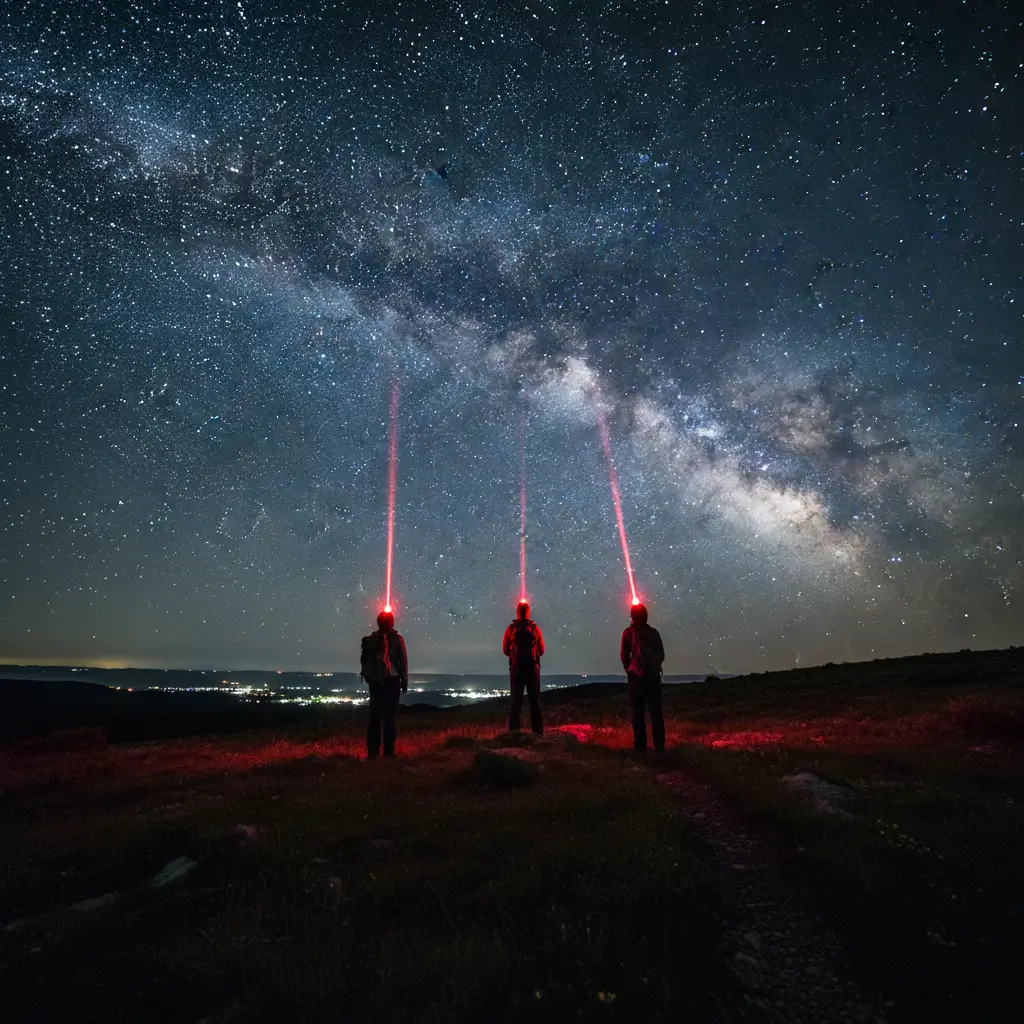
White light destroys human night vision (scotopic vision), which can take up to 20-30 minutes to recover. In a sanctuary, you should never use standard white flashlights or phone torches. Instead, use a headlamp with a red light mode. Red light has a longer wavelength and does not trigger the breakdown of rhodopsin, the chemical in your eyes that allows you to see in the dark.
2. No Flash Photography
Flash photography is useless for capturing stars and will ruin the photos of astrophotographers nearby. It also disturbs wildlife. Learn how to use long-exposure settings on your camera or smartphone before you arrive.
3. Vehicle Headlights
If you are driving to a viewing spot, dim your headlights to parking lights as soon as you are safely parked. Avoid sweeping your beams across viewing areas where people may be set up with telescopes.
4. Camping Protocols
If camping within the sanctuary, keep lantern use to a minimum. Do not leave outdoor lights on while you sleep. The goal is to blend into the darkness, not push it away.
How to Plan Your Trip to a NZ Dark Sky Sanctuary
Successful astrotourism requires logistical planning that differs from standard travel.
Check the Lunar Phase
The biggest source of natural light pollution is the moon. For the best deep-sky viewing (Milky Way core, nebulae), plan your trip during the New Moon phase, or the days immediately surrounding it. A Full Moon will wash out the fainter stars, though it can still be beautiful for landscape photography.
Seasonal Considerations
Winter (June – August): The best time for long nights and seeing the Galactic Core of the Milky Way directly overhead. It is also the best season for Auroras in Rakiura. However, it is cold, so thermal layers are non-negotiable.
Summer (December – February): Warmer nights make for more comfortable viewing, but the nights are shorter, meaning you have to stay up later to get true darkness.
Essential Gear List
- Red-light Headlamp: Mandatory for navigation.
- Tripod: Essential for any photography.
- Binoculars: You don’t need a telescope to enjoy a Sanctuary. A simple pair of 10×50 binoculars can reveal star clusters and nebulae invisible to the naked eye.
- Warm Layers: Standing still while stargazing causes body temperature to drop rapidly. Wear merino wool base layers, a down jacket, and a beanie.
Conclusion
A Dark Sky Sanctuary is more than just a place to look at stars; it is a commitment to conservation and a sanctuary for the human spirit. Whether you choose the rugged isolation of Aotea / Great Barrier Island or the southern wilds of Rakiura / Stewart Island, visiting these locations offers a rare glimpse into the universe’s true depth. By following the rules of the sanctuary and respecting the darkness, you contribute to the preservation of one of New Zealand’s most spectacular natural resources.
What is the darkest place in New Zealand?
While measurements vary slightly based on atmospheric conditions, Rakiura / Stewart Island and Aotea / Great Barrier Island (both Dark Sky Sanctuaries) consistently record some of the darkest skies on Earth, often hitting 21.9 magnitudes per square arcsecond.
Can you see the Northern Lights in a Dark Sky Sanctuary?
No, you cannot see the Northern Lights (Aurora Borealis) in New Zealand. However, from the Rakiura / Stewart Island Dark Sky Sanctuary, you have a high chance of seeing the Southern Lights (Aurora Australis), especially during winter months.
Do I need a telescope to enjoy a Dark Sky Sanctuary?
No. The skies in these sanctuaries are so dark that the naked eye can see thousands more stars than in a city. The Milky Way is clearly visible as a structured band of light. Binoculars are a great addition, but a telescope is not required for a profound experience.
Why are red lights used in Dark Sky Sanctuaries?
Red light has a longer wavelength and lower energy than white or blue light. It does not bleach the rhodopsin in the human eye, allowing visitors to maintain their “dark adaptation” (night vision) while still being able to navigate safely.
Are Dark Sky Sanctuaries open year-round?
Yes, the sanctuaries themselves are public lands (or encompass public lands) and are accessible year-round. However, access to specific islands like Great Barrier or Stewart Island depends on ferry and flight schedules, which can be weather-dependent.
Is Aoraki Mackenzie a Dark Sky Sanctuary?
No, Aoraki Mackenzie is a Dark Sky Reserve. The distinction lies in the fact that it has a populated periphery and significant infrastructure. Sanctuaries are generally more isolated and fragile, with less infrastructure, though both offer incredible stargazing.