The Tiritiri Matangi ferry service is operated exclusively by Fullers360, departing daily from the Downtown Auckland Ferry Terminal at 9:00 AM. The journey takes approximately 75 minutes via the Hauraki Gulf. The return ferry typically departs the island at 3:30 PM sharp. Booking in advance is mandatory as visitor numbers are strictly limited for conservation purposes.
Tiritiri Matangi Island is one of New Zealand’s most successful conservation projects and a premier destination for eco-tourism. Located in the Hauraki Gulf, this open scientific reserve is a predator-free sanctuary where some of the country’s most endangered birds thrive in a regenerating native forest. Whether you are a dedicated ornithologist or a casual day-tripper looking to escape the city, understanding the logistics of getting there is the first step to a successful visit.
What is the Tiritiri Matangi Ferry Schedule?
Planning your trip requires precision, as there is only one scheduled service per day connecting Auckland City to the island. Unlike other Hauraki Gulf destinations like Waiheke, if you miss the boat, there are no later options.

Departure Times
The ferry schedule is generally consistent throughout the year, though it is always prudent to check the Fullers360 website for seasonal variations or weather cancellations.
- Depart Auckland (Downtown Ferry Terminal, Pier 4): 9:00 AM
- Arrive Tiritiri Matangi: Approx. 10:15 AM – 10:20 AM
- Depart Tiritiri Matangi: 3:30 PM
- Arrive Auckland: Approx. 4:45 PM
The Gulf Harbour Connection
On select days (typically Wednesday to Sunday and public holidays), the ferry may stop at Gulf Harbour on the Whangaparaoa Peninsula to pick up or drop off passengers. This stop adds approximately 10-15 minutes to the journey. If you are based in North Auckland, boarding at Gulf Harbour is a convenient alternative to driving into the CBD.
How much do ferry tickets and guided walks cost?
Costs for a day trip to Tiritiri Matangi involve the ferry fare and, optionally, a guided walk fee which supports the Supporters of Tiritiri Matangi foundation.
Ferry Fares (Estimates)
Prices are subject to change, but generally fall within the following ranges:
- Adult Return: $95.00 – $105.00 NZD
- Child Return (5-15 years): $50.00 – $60.00 NZD
- Family Pass (2 Adults + 2 Children): Approx. $280.00 NZD
- Infants (Under 5): Free (but must still have a booked ticket)
It is critical to note that Department of Conservation (DOC) rangers meet the boat upon arrival. While there is no entry fee to the island itself (as it is public conservation land), the cost of transport is the primary barrier to entry.
What are the biosecurity checks before boarding?
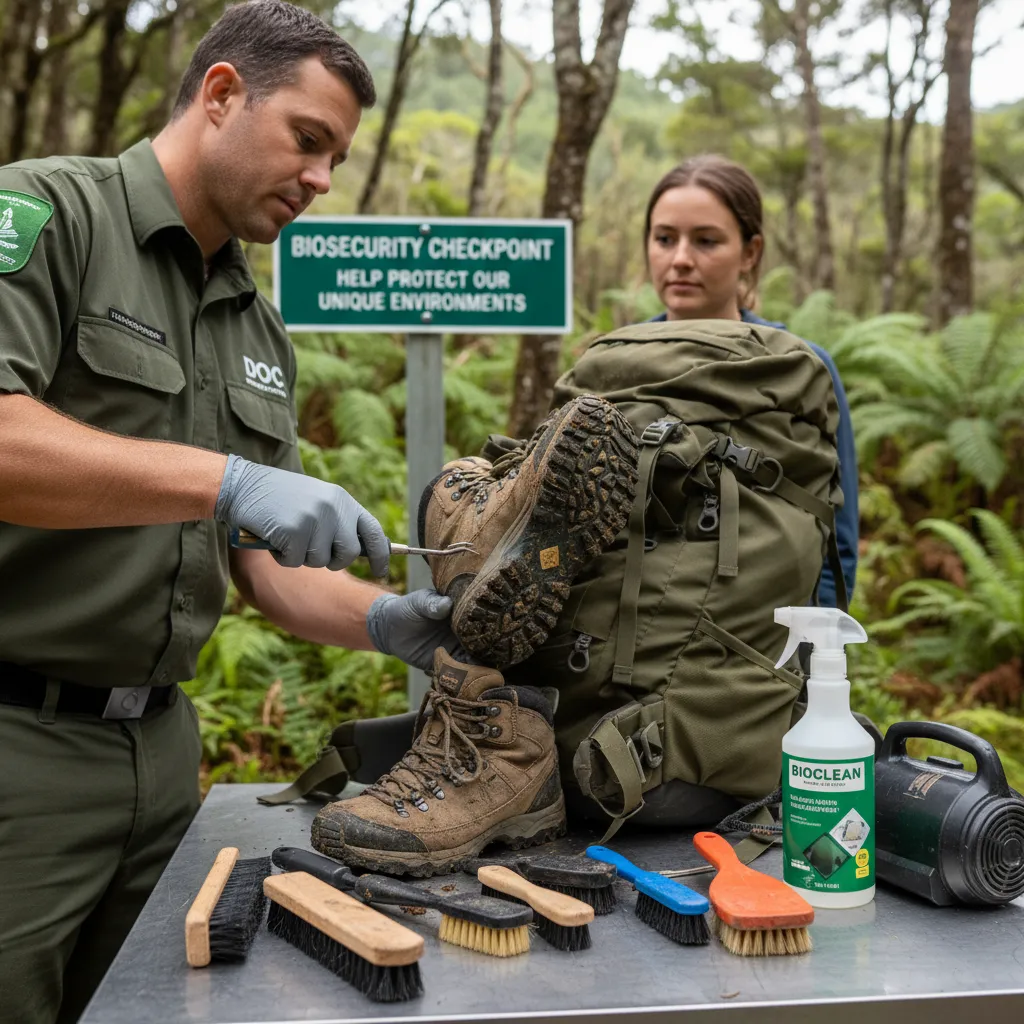
Tiritiri Matangi is a pest-free sanctuary. This status is hard-won and fragile. To maintain it, strict biosecurity measures are enforced before you even step onto the ferry.
The Check Process:
- Footwear: You must scrub your shoes at the cleaning stations provided at the ferry terminal. Ensure there is no soil or seeds in the treads.
- Bags: All bags must be sealed (zippers closed). Open tote bags are generally discouraged or must be checked carefully.
- Food: Check your lunch containers for ants or stowaways.
- Gear: If you are bringing hiking poles or tripods, ensure they are free of dirt.
Failure to pass biosecurity can result in being denied boarding. Once on the island, you must not leave the established tracks to protect the sensitive ecosystem.
Should you book a guided walk or explore solo?
Upon arrival at the wharf, visitors are greeted by the rangers and volunteers. You will have the choice to embark on a guided walk or explore independently. Both have distinct advantages.
The Guided Walk Experience
Cost: Approx. $10 per adult (proceeds go to conservation).
Duration: 1.5 to 2 hours.
Why choose it? The guides are volunteers from the Supporters of Tiritiri Matangi. They possess intimate knowledge of the island’s history, flora, and fauna. Most importantly, they know exactly where the birds are nesting or feeding on any given day. If you struggle to identify bird calls or want to spot the elusive Kokako, a guide significantly increases your chances. The walk typically follows the Wattle Track up to the Visitor Centre.
Self-Guided Exploration
Cost: Free.
Why choose it? If you prefer solitude and moving at your own pace, self-guiding is excellent. The tracks are impeccably maintained and well-signposted. Photographers often prefer this option as it allows them to wait patiently in one spot for the perfect shot without holding up a group. Popular tracks for self-guided walkers include the Kawerau Track (boardwalks through ancient bush) and the coastal Hobbs Beach track.
The Wildlife: Finding the Kokako and Takahe
The island is a “living museum,” home to wildlife that has been extinct on the mainland for decades. The density of birdlife here is unlike anywhere else in New Zealand.
The North Island Kokako
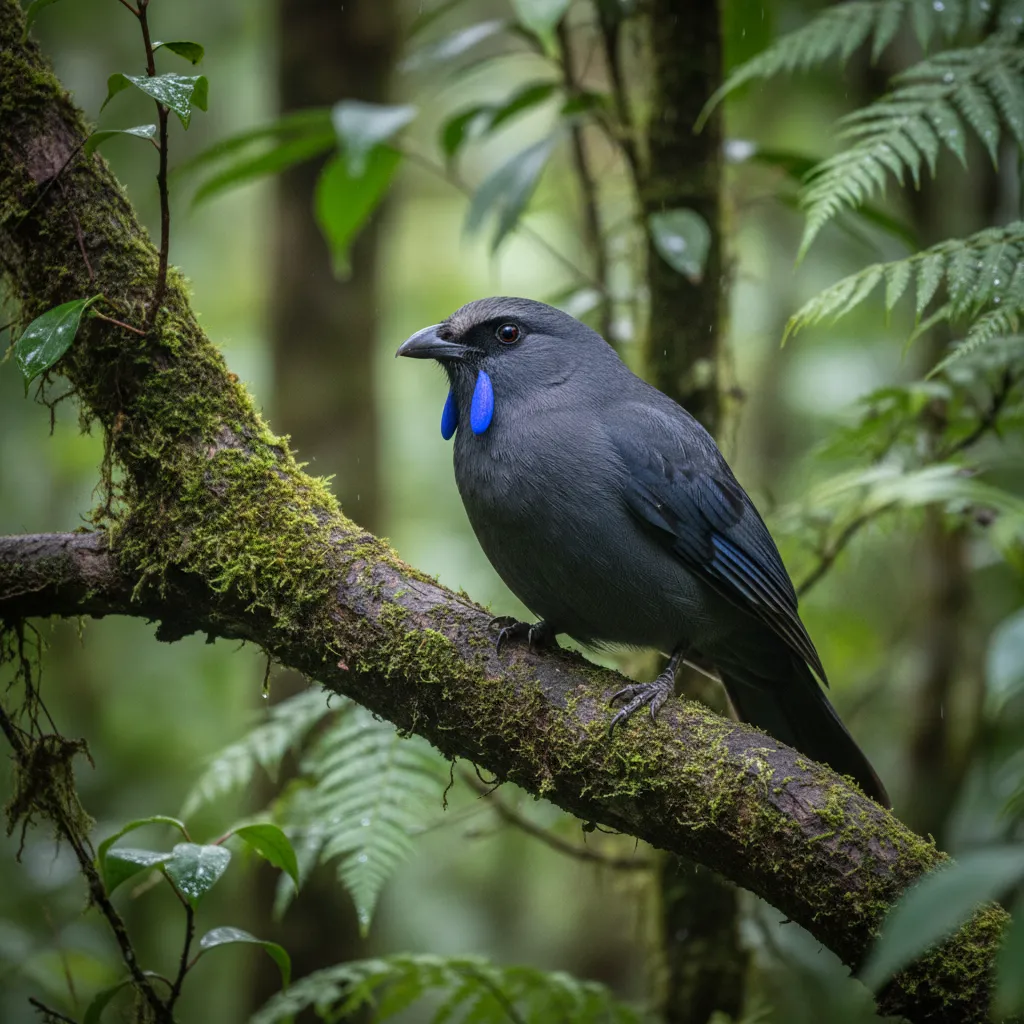
The Kokako is the star of the show for many visitors. Known for its hauntingly beautiful organ-like song and blue wattles, the Kokako recovery story is a major success here. Tiritiri Matangi has one of the healthiest populations in the country. Listen for their song near the Wattle Track and the areas surrounding the lighthouse.
The Takahe
Once thought to be extinct, the flightless Takahe is a conservation icon. These large, prehistoric-looking birds can often be seen grazing openly near the lighthouse and the Visitor Centre. They are territorial and colorful, with iridescent blue and green feathers and a massive red beak. Do not feed them, no matter how close they approach.
Other Notable Species
- Tiexe (Saddleback): Noisy and energetic, often seen flitting near the ground.
- Hihi (Stitchbird): Look for them near the feeding stations; they are one of the rarest honeyeaters.
- Tuatara: The ancient reptile can sometimes be spotted sunbathing near the track edges, though they are masters of camouflage.
- Little Blue Penguins: Nesting boxes are located around the coast, specifically near Hobbs Beach.
What to pack for a day trip?
Tiritiri Matangi is a scientific reserve, not a resort. There are limited facilities on the island, so self-sufficiency is key.
Essential Gear Checklist
- Food and Water: There is no food available for purchase on the island. You must pack a lunch and plenty of snacks. While there is drinking water available at the Visitor Centre, bringing your own bottle is recommended.
- Layers of Clothing: The weather in the Hauraki Gulf can change rapidly. The island is exposed to wind. A waterproof jacket and a warm layer are essential, even in summer.
- Sturdy Footwear: While the tracks are high quality, you will be walking for several hours. Hiking boots or sturdy sneakers are best.
- Sun Protection: The New Zealand sun is harsh. High SPF sunscreen, a hat, and sunglasses are mandatory.
- Camera and Binoculars: To get the most out of the birdwatching, binoculars are highly recommended. A camera with a decent zoom lens will capture the wildlife without disturbing it.
- Rubbish Bag: There are no rubbish bins on the island. You must pack out everything you pack in (Leave No Trace).

A History of Conservation
The lush forest you see today is the result of one of the largest community volunteer projects in New Zealand’s history. Between 1984 and 1994, volunteers planted roughly 280,000 trees to reforest what was then a stripped farmland environment. Today, the island serves as a model for island sanctuaries globally. The lighthouse, built in 1864, remains the oldest operating lighthouse in New Zealand and serves as a historic beacon alongside the biological one.
By visiting Tiritiri Matangi, paying your ferry fare, and perhaps buying a souvenir at the volunteer-run shop, you are directly contributing to the maintenance of this sanctuary and the survival of the species that call it home.
People Also Ask
Is there food available on Tiritiri Matangi Island?
No, there are no cafes, restaurants, or food vendors on the island. However, the Visitor Centre does sell complimentary tea and coffee (donations appreciated) and has a small shop for souvenirs. You must bring all your own food and carry your rubbish off the island with you.
How long does the ferry take from Auckland to Tiritiri Matangi?
The ferry ride takes approximately 75 minutes from the Downtown Auckland Ferry Terminal. If the ferry stops at Gulf Harbour on the way, it may take slightly longer. The return trip is usually direct and takes about the same amount of time.
Can you stay overnight on Tiritiri Matangi?
Yes, but options are very limited. There is a bunkhouse available for public booking near the lighthouse complex. It has basic facilities and must be booked well in advance through the Department of Conservation (DOC) website. Camping is not permitted.
Are there toilets on Tiritiri Matangi Island?
Yes, there are toilet facilities available at the wharf where you arrive and at the Visitor Centre near the lighthouse. There are no toilets located along the walking tracks between these two points, so plan accordingly.
Is the walk on Tiritiri Matangi difficult?
Generally, no. The tracks range from easy to moderate. The main Wattle Track leading from the wharf to the lighthouse is an uphill gradient but is well-formed. The walk takes about 45-60 minutes at a leisurely pace. There are coastal tracks that are steeper, but visitors of average fitness can manage the main trails easily.
Can I visit Tiritiri Matangi on my own boat?
Yes, private boats can visit, but there are strict rules. You cannot dock at the main wharf as it is reserved for the ferry and DOC vessels. You must anchor off the beach (usually Hobbs Beach) and row ashore. You must still adhere to strict biosecurity standards regarding pests and rubbish.