The New Zealand Outdoor Safety Code consists of five essential rules designed to ensure survival in the wilderness: plan your trip thoroughly, tell someone your intentions, be aware of the weather, know your limits, and take sufficient supplies. Adhering to these principles is critical for navigating New Zealand’s volatile environment safely.
New Zealand’s landscapes are breathtakingly beautiful, offering some of the most pristine eco-tourism experiences in the world. However, the country’s rugged terrain and rapidly changing weather patterns present unique challenges that catch many international visitors and locals off guard. Whether you are embarking on a multi-day Great Walk or a short day hike in the Southern Alps, understanding the fundamental principles of safety is not just recommended—it is a necessity for survival.
This comprehensive guide details how to apply the Outdoor Safety Code NZ to your travels, ensuring that your adventure remains memorable for the right reasons. From navigating gravel roads to interpreting mountain forecasts, we cover the critical aspects of remote area safety.
What are the 5 Rules of the Outdoor Safety Code?
The New Zealand Mountain Safety Council (MSC) established the Outdoor Safety Code to provide a clear framework for decision-making in the outdoors. Neglecting even one of these pillars can lead to search and rescue operations or tragedy. Here is a deep dive into applying each rule effectively.
1. Plan Your Trip
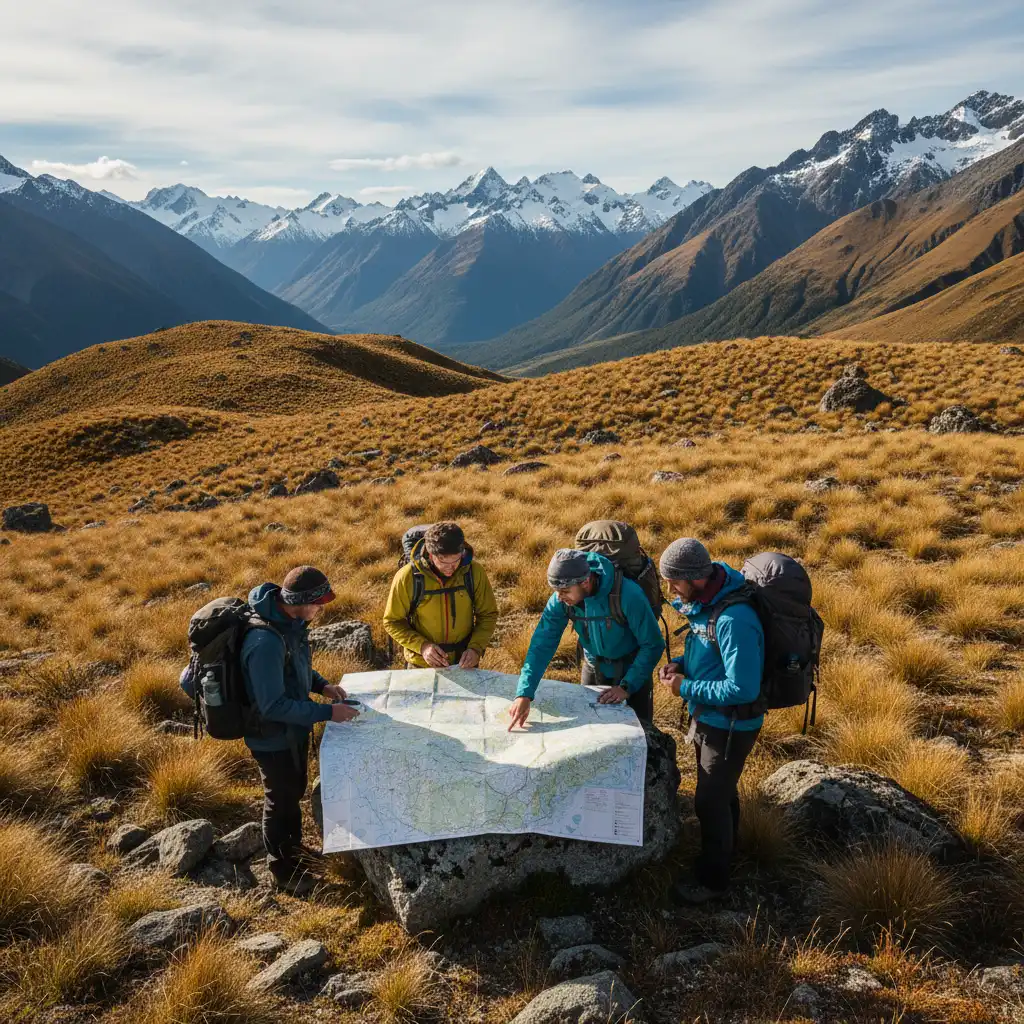
Planning involves more than just selecting a destination on a map. It requires a detailed understanding of the route, the terrain, and the time required to complete it. In New Zealand, a “3-hour hike” can easily turn into a 6-hour ordeal if the track conditions are muddy or if a bridge has been washed out.
Effective planning includes:
- Consulting the Department of Conservation (DOC): Always check the DOC website for current alerts, track closures, or pest control operations in the area.
- Analyzing Topographic Maps: Do not rely solely on tourist brochures. Topo maps reveal elevation gains and river crossings that marketing materials often omit.
- Calculating Times: Use the intended pace of the slowest member of your group to calculate travel times.
2. Tell Someone Your Plans
If no one knows you are missing, no one will come looking for you. This rule is non-negotiable in remote areas where cell reception is non-existent. You must leave your intentions with a trusted contact.
This process involves providing specific details: where you are going, your route, your gear, your vehicle registration, and exactly when you expect to return. If you do not check in by the agreed time, your contact calls the police (111). We will discuss this in greater detail in the communication section later.
3. Be Aware of the Weather
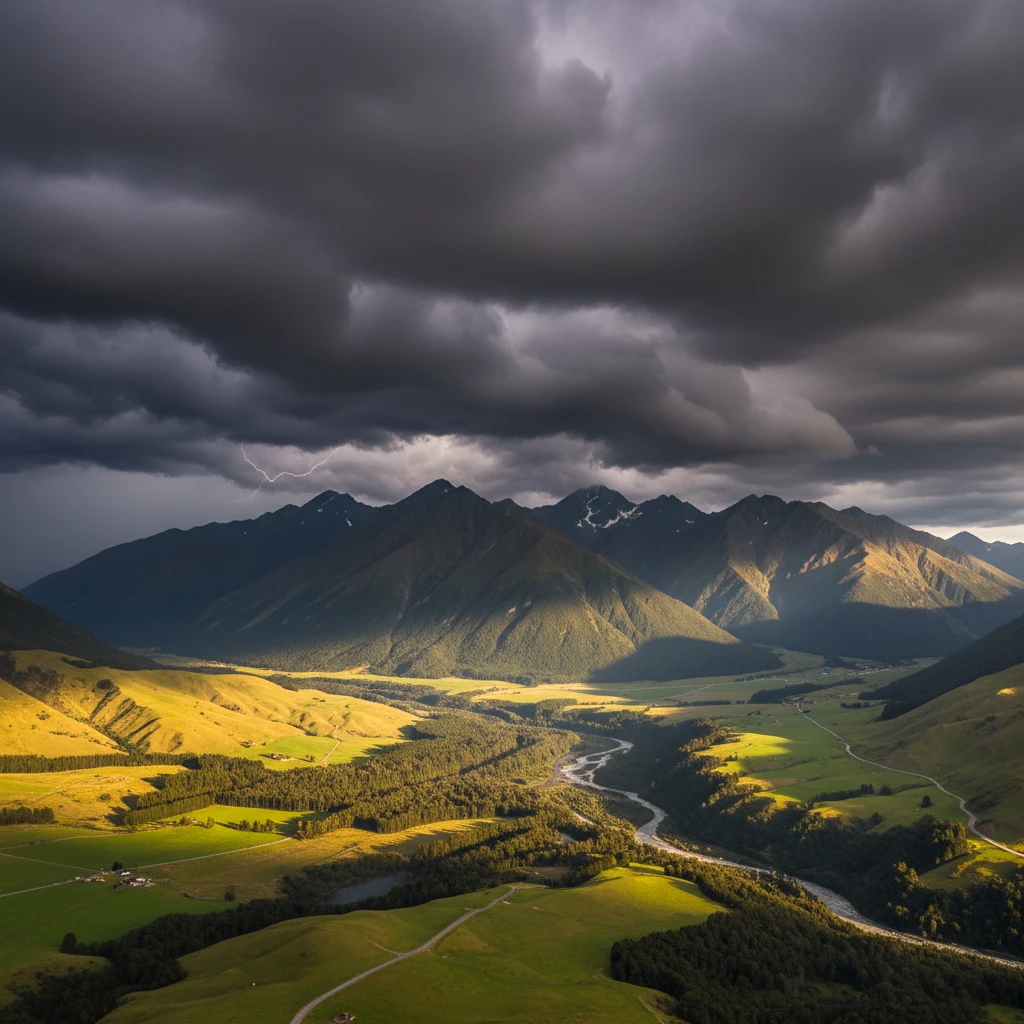
New Zealand’s position in the roaring forties means weather systems move quickly and violently. It is often said you can experience “four seasons in one day.” You might start a hike in brilliant sunshine and face blizzard conditions by the afternoon, even in summer.
Checking a generic weather app is insufficient. You must check specific mountain forecasts that predict wind chill, freezing levels, and severe weather warnings for high altitudes.
4. Know Your Limits
Honest self-assessment saves lives. Many accidents occur when individuals attempt routes that exceed their physical fitness or technical skill level. New Zealand tracks are graded from “Easiest” to “Expert,” and these grades are rigorous.
Consider the experience level of every group member. If you are hiking with children or less experienced individuals, choose a track that accommodates their abilities, not just your own. Turn back if the terrain becomes too difficult; the mountain will be there another day.
5. Take Sufficient Supplies
You must carry enough supplies to survive if you get stuck out overnight or if the weather turns. This includes food, water, and, critically, clothing. Cotton clothing is dangerous in New Zealand outdoors because it draws heat away from the body when wet, leading to hypothermia. Always pack wool or synthetic layers, a waterproof jacket, a first aid kit, and an emergency shelter.
How to Interpret MetService Mountain Forecasts
Standard urban weather forecasts do not apply to the backcountry. The temperature in Queenstown might be 20°C (68°F), while the nearby mountain peaks are experiencing sub-zero wind chills. To stay safe, you must use the MetService Mountain and Parks forecasts.
Understanding Freezing Levels
The “freezing level” indicates the altitude at which rain turns to snow. If you are hiking at 1,200 meters and the freezing level drops to 1,000 meters, you will be hiking in snow and ice. This can obscure track markers and make terrain slippery and treacherous.
Wind Chill Factors
Wind speed increases significantly as you gain altitude and pass through saddles or along ridges. A 40km/h wind can lower the perceived temperature by 5-10 degrees. Hypothermia is a leading cause of death in the New Zealand outdoors, often occurring in temperatures well above freezing due to the combination of wind and rain.
Safety When Driving on Gravel Roads
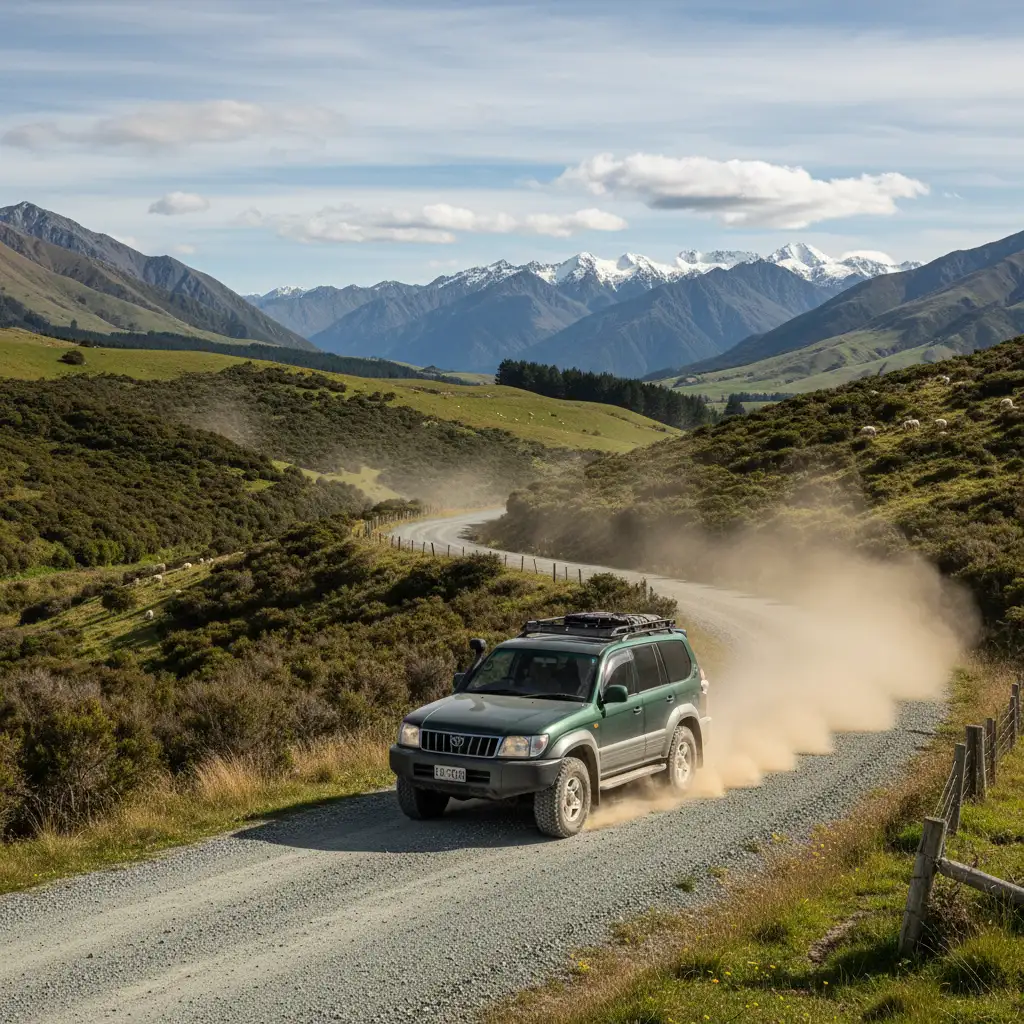
Accessing remote trailheads often requires driving on unsealed, gravel roads. For international visitors accustomed to sealed highways, these roads present a significant hazard.
The Physics of Gravel
Driving on gravel is akin to driving on marbles. Your tires have significantly less traction, meaning stopping distances are longer and cornering must be done at much lower speeds. If you brake hard in a corner on gravel, you will likely slide off the road.
Key Driving Rules for Remote Access:
- Slow Down: Ignore the maximum speed limit signs on gravel roads; they are often not safe targets. Drive at a speed where you can stop within the visible distance.
- Keep Left: Many gravel roads are narrow. Always expect a vehicle (or a logging truck) to come around the corner. Stay as far left as safely possible.
- Dust Visibility: If a car passes you, the dust cloud can blind you for several seconds. Slow down or pull over until visibility returns.
- Insurance Checks: Many rental car agreements in New Zealand specifically exclude coverage for driving on certain gravel roads (like Skippers Canyon). Check your policy carefully.
Telling Someone Your Plans: The Life-Saving Protocol
In the vast majority of New Zealand’s national parks and wilderness areas, there is absolutely no mobile phone coverage. Relying on a cell phone for emergency rescue is a critical error.
The Intentions Form
Before you leave, fill out an intentions form. You can do this via the AdventureSmart website or simply by writing down the details for a trusted family member or friend. The key is the “panic time”—the specific time at which, if you haven’t returned, they must call the police.
Personal Locator Beacons (PLBs)
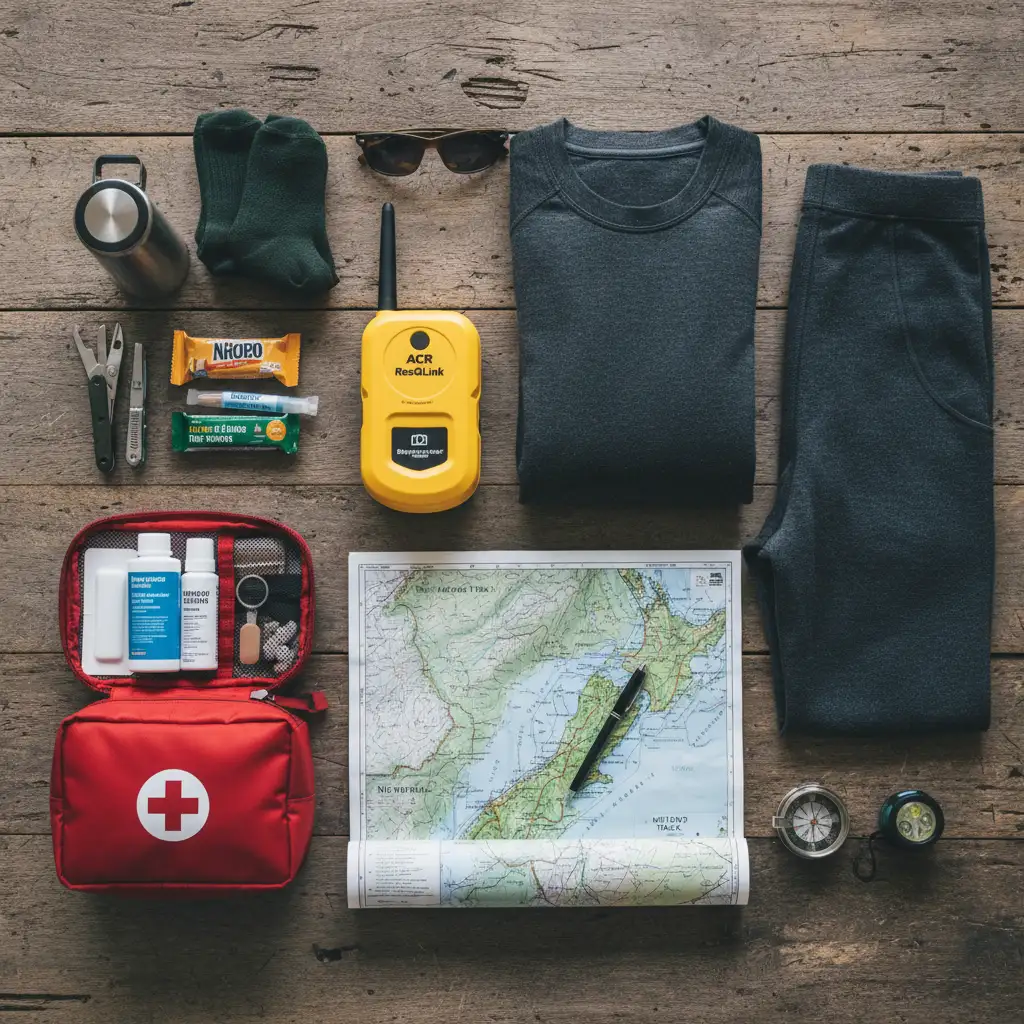
For any trip into a remote area, carrying a Personal Locator Beacon (PLB) is highly recommended. When activated, a PLB transmits a signal to satellites, pinpointing your location to the Rescue Coordination Centre NZ (RCCNZ). These devices save lives. They can be rented from many outdoor stores and DOC visitor centers for a nominal fee.
Note: Satellite messengers (like Garmin inReach) are also excellent as they allow for two-way communication, letting you inform rescuers of the nature of the injury.
River Safety and Water Crossings
Unbridged river crossings are one of the greatest hazards in the New Zealand backcountry. A shallow stream can become a raging torrent within hours of heavy rain.
When to Cross
Never attempt to cross a river if the water is discolored (brown/grey), if debris is floating in it, or if you can hear rocks rolling on the riverbed. If in doubt, stay out. It is better to be stuck on the wrong side of a river and miss a flight home than to attempt a dangerous crossing.
The Mutual Support Method
If you must cross, and conditions are safe (water below knee height, clear visibility), use the mutual support method. Link arms with your group, with the strongest person upstream to break the flow. Move diagonally downstream to utilize the current’s assistance. Undo chest straps on packs so you can ditch them instantly if you fall.
Essential Gear for the Unpredictable
Packing for New Zealand conditions requires a “layering system” approach. This allows you to regulate body temperature as you move between strenuous climbs and cold, windy ridges.
The Layering System
- Base Layer: Merino wool or synthetic (Polypropylene). Never cotton. This layer wicks moisture away from the skin.
- Mid Layer: Fleece or wool jacket for insulation.
- Outer Shell: A high-quality rain jacket that is windproof and waterproof. Ponchos are generally ineffective in high winds.
Emergency Kit Essentials
Regardless of the trip length, your pack should contain:
- Headtorch with spare batteries (it gets dark early in valleys).
- Emergency survival bag (foil bag) or shelter.
- First aid kit (including blister treatment).
- Whistle (audible over wind and river noise).
- Extra high-energy food (nuts, chocolate, dried fruit).
People Also Ask
Is it safe to hike alone in New Zealand?
Hiking alone is permitted but carries higher risk. If you hike alone, it is imperative that you carry a Personal Locator Beacon (PLB), stick to well-marked tracks, and strictly adhere to the rule of telling someone your plans. The lack of cell coverage means you cannot call for help if you twist an ankle.
Do I need a guide for the Great Walks?
No, you do not need a guide. The Great Walks are well-formed and signposted, making them suitable for independent hikers with moderate fitness. However, you must book huts in advance and carry your own food and sleeping gear. Guided options are available for those who prefer lighter packs and luxury lodges.
What animals are dangerous in New Zealand?
New Zealand is unique in that it has no dangerous land animals—no snakes, bears, or wolves. The only venomous creature is the rare Katipō spider. The biggest danger comes from the environment (weather, rivers, falls) rather than wildlife.
Can I drink water from streams in New Zealand?
While New Zealand water looks pristine, Giardia is present in many waterways. It is strongly recommended to boil, filter, or treat water before drinking, especially in areas with high visitor numbers or agricultural runoff.
What should I do if I get lost?
STOP: Stop, Think, Observe, Plan. Do not keep moving blindly. Stay together, find shelter, keep warm, and stay dry. If you have a PLB, activate it. If not, make yourself visible to helicopters using bright clothing or signaling.
Why is cotton clothing bad for hiking?
Cotton absorbs water and dries very slowly. When wet, it loses all insulating properties and draws body heat away from you 25 times faster than air. In New Zealand’s cool, wet climate, wearing cotton jeans or t-shirts is a primary contributor to hypothermia cases.
Conclusion
Exploring New Zealand’s remote areas is a privilege that offers unmatched connection with nature. However, the wilderness demands respect. By strictly following the Outdoor Safety Code NZ—planning thoroughly, communicating your intentions, respecting the weather, knowing your limits, and packing the right gear—you ensure that your eco-tourism experience is safe and enjoyable. Preparation is the key to freedom in the outdoors.