Predator-proof fences work by creating a sealed physical barrier designed to exclude specific mammalian pests. They utilize fine-gauge stainless steel mesh to block entry, a curved top hood to prevent climbing, and a buried underground skirt to stop burrowing. This multi-layered design effectively creates mainland islands where native biodiversity can thrive without predation.
New Zealand faces a unique conservation challenge: a biodiversity profile evolved in the absence of land mammals, now under siege by introduced predators. The solution, pioneered in the late 1990s, was the development of the exclusion fence—a marvel of ecological engineering designed to halt the invasion of stoats, rats, possums, and feral cats. Understanding how predator proof fences work requires a deep dive into the mechanical specifications, the biological behaviors they counter, and the rigorous maintenance regimes that keep them secure.

The Anatomy of Exclusion: Design Features
To understand how predator proof fences work, one must first understand the enemy. In New Zealand, the primary targets are the “mustelid” family (stoats, weasels, ferrets), rodents (rats, mice), possums, feral cats, and hedgehogs. Each of these species possesses unique climbing, digging, or squeezing capabilities. A standard farm fence is useless against a stoat that can pass through a hole the size of a thumb, or a possum that can scale vertical timber with ease.
The modern predator-proof fence, often based on the “Xcluder” design patent, is a system of three critical components working in unison. It is not merely a wall; it is a biological filter. The structure typically stands roughly 2 to 2.2 meters high, a height specifically calculated to exceed the vertical leap of a feral cat and the reach of a possum.
The structural integrity relies on high-tensile posts, often spaced closer than agricultural fencing to support the immense weight of the fine mesh and to withstand the high wind loads typical of New Zealand’s rugged terrain. However, the true genius lies in the three specific barriers: the mesh, the skirt, and the hood.
Mesh, Skirt, and Hood Explained
The effectiveness of the fence is determined by its weakest point. If a single gap exists, the scent of native birds will draw predators in. Here is how the specific components function to prevent this.
1. The Mesh: Stopping the Squeeze
The body of the fence is comprised of a specialized, fine-weave stainless steel mesh. Standard chicken wire is insufficient; it rusts too quickly in coastal environments and its aperture (hole size) is often too large.
Predator-proof mesh typically features an aperture of roughly 6mm by 25mm. This specific dimension is critical. It is small enough to prevent a juvenile mouse from squeezing through, yet the wire gauge is thick enough to resist the chewing power of rats. The mesh is usually marine-grade stainless steel to ensure longevity, as a rusted hole creates an immediate breach.
2. The Hood: Stopping the Climb
Perhaps the most visually distinct feature of these fences is the rolled metal hood or cap at the top. This is designed primarily for climbing predators like possums, cats, and stoats.
When a climbing animal reaches the top of the vertical mesh, they encounter a smooth, curved metal surface that overhangs the outside of the fence. There is nothing to grip. The curvature forces the animal to lean backward, shifting their center of gravity away from the fence, causing them to fall. Even the most agile feral cats cannot navigate the overhang, effectively sealing the aerial route.
3. The Skirt: Stopping the Dig
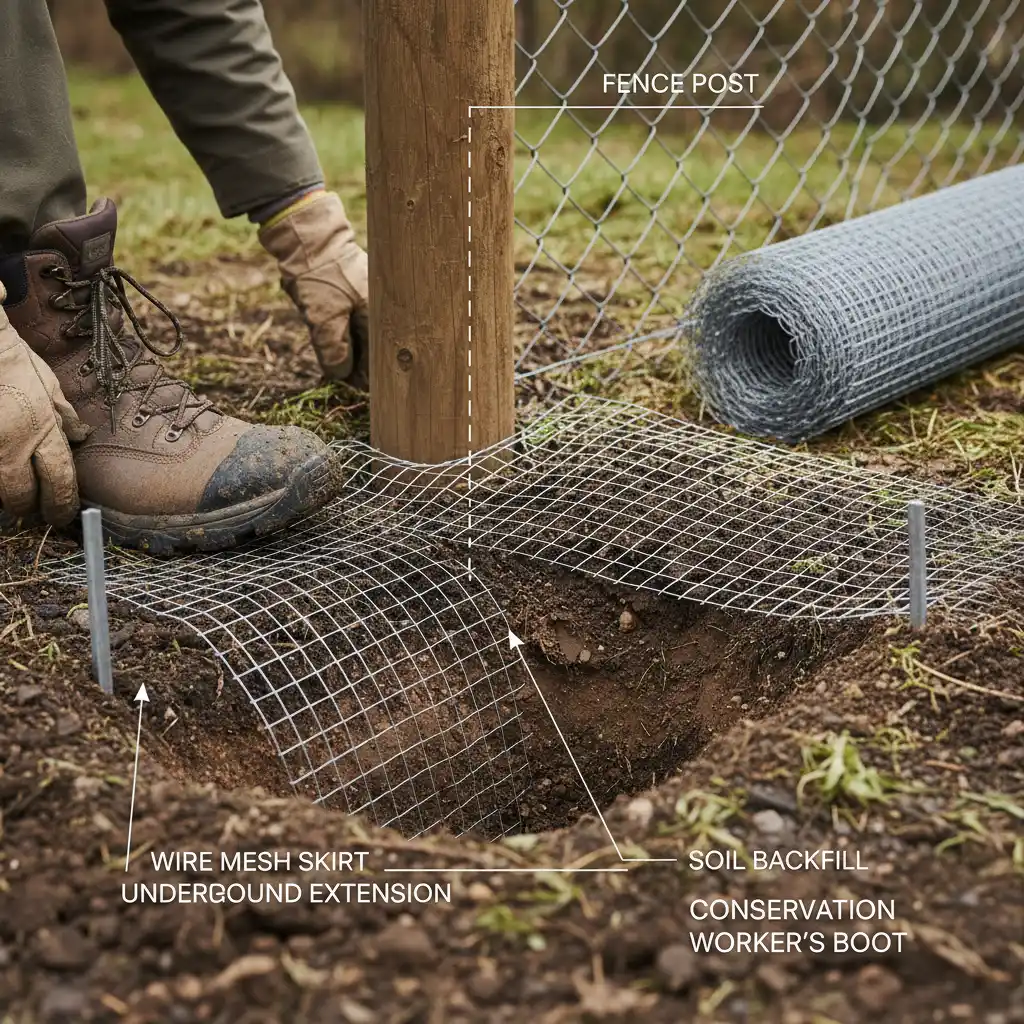
The final layer of defense is invisible to the naked eye. Burrowing animals, particularly rabbits and Norway rats, will attempt to dig under obstacles. To counter this, a horizontal or vertical “skirt” of mesh is attached to the bottom of the fence and buried underground.
This skirt usually extends 400mm to 500mm horizontally outward from the fence line or is buried vertically. When an animal digs at the base of the fence, they encounter the mesh. Their instinct is usually to dig directly at the barrier, not to back up half a meter and dig a tunnel underneath the skirt. This behavioral trait makes the horizontal skirt highly effective.
The Reality of Maintenance Challenges
While the engineering is sound, the operational reality of maintaining a predator-proof fence is a relentless battle against entropy. A fence is only as good as its monitoring regime. In the context of New Zealand eco-tourism, where sanctuaries like Zealandia or Sanctuary Mountain Maungatautari promise a pest-free environment, a single breach can undo years of restoration work.
Vegetation and Buffer Zones
Trees are the natural enemy of the predator fence. A falling branch can tear the mesh or flatten the hood, creating an instant bridge for pests. Consequently, a strict buffer zone (often 2-3 meters on either side) must be kept clear of all vegetation.
This creates a “halo” effect where the fence line is visible as a scar on the landscape. Maintenance teams must constantly trim overhanging canopy branches to ensure no “jump zones” are created where a possum could leap from a tree outside the sanctuary into the protected area.
Waterways and Culverts
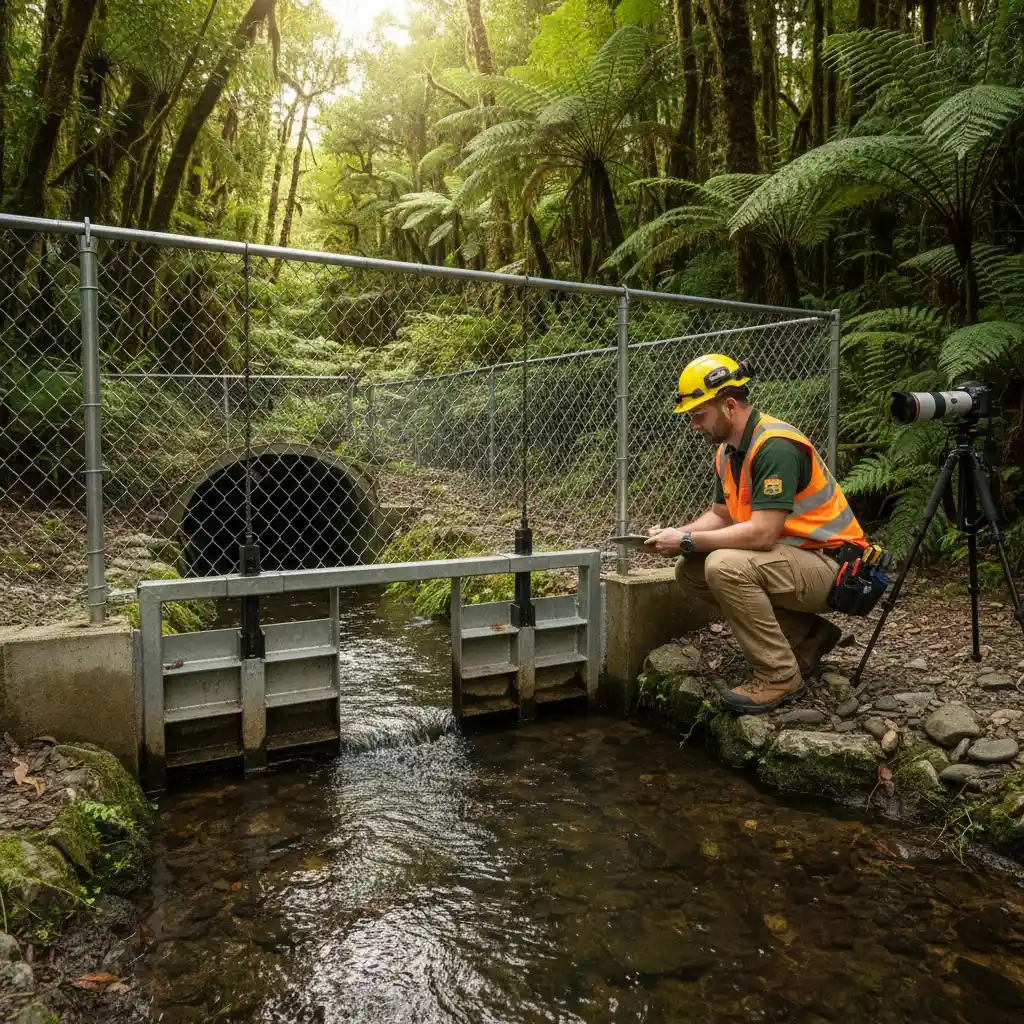
Water must flow out of the sanctuary, but pests must not swim in. Where streams intersect the fence line, complex water gates are installed. These gates must be sensitive enough to open under water pressure during heavy rain to prevent flooding, yet close securely enough to stop a swimming rat.
Flash floods are a major risk. If debris jams a water gate open, it becomes a highway for invaders. Electronic monitoring systems are often attached to these gates to alert rangers immediately if a gate remains open longer than expected.
Cost vs. Benefit in Eco-Tourism
The decision to build a predator-proof fence is a massive financial commitment. The capital expenditure (CAPEX) for these structures can range from $200,000 to $400,000 NZD per kilometer, depending on the terrain and accessibility.
The High Cost of Conservation
Beyond construction, the operational expenditure (OPEX) is significant. Fences have a lifespan of 20-25 years, but they require daily monitoring. In rugged terrain, this might require staff to walk the perimeter or use ATVs. When you factor in the depreciation of the asset and the labor costs, the price per hectare of protected land is high compared to aerial pest control methods like 1080 drops.
The Eco-Tourism Return on Investment
However, the value proposition changes when viewed through the lens of eco-tourism. Sanctuaries enclosed by these fences allow for the reintroduction of highly sensitive species that cannot survive even low levels of predation—such as the Little Spotted Kiwi, Tuatara, and Hihi (Stitchbird).
These species are massive draws for international tourists. Facilities like Zealandia in Wellington contribute millions to the local economy. The fence creates a “mainland island” experience that is accessible to visitors, unlike offshore island sanctuaries. The fence effectively monetizes conservation, creating a revenue stream through ticket sales and tours that can subsidize the high maintenance costs.
Future Technology: Virtual Fencing
As we look toward the goal of a Predator Free 2050, the limitations of physical fences—specifically their cost and the fact that they fragment landscapes—are driving innovation in “virtual” or distinct barrier technologies.
AI and Smart Barriers
The next generation of exclusion may not be a single physical wall, but a grid of smart devices. Technologies currently in development include AI-driven cameras capable of identifying a predator in real-time. Upon detection, these systems could trigger localized responses, such as automated trapping mechanisms or targeted dispensing of toxins, without endangering native species.
Virtual Fencing Concepts
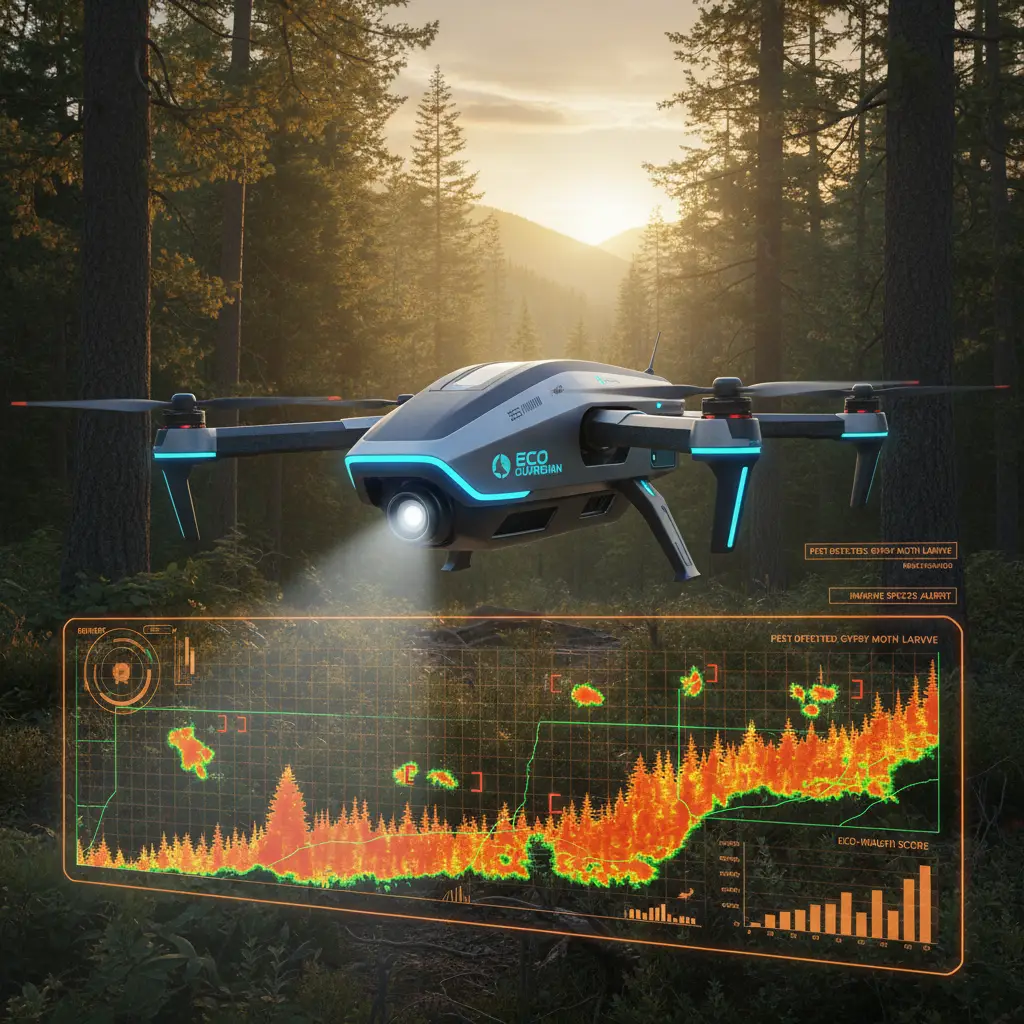
While “virtual fencing” is commonly used in agriculture (using GPS collars on cattle), conservation virtual fencing is different. It involves creating a “zone of detection” using thermal imaging and acoustic sensors (like the Cacophony Project). While these cannot physically stop a predator like a steel mesh can, they allow for “leaky fences” or buffer zones where pest density is managed to near-zero levels using automated elimination, reducing the pressure on the core sanctuary.
Furthermore, drone technology is revolutionizing fence inspection. Autonomous drones can fly the perimeter daily, using photogrammetry to detect minute tears in the mesh or vegetation encroachment, significantly lowering the labor cost of maintenance.
Conclusion
Predator-proof fences are currently the gold standard for creating zero-predator environments on the mainland. They are a triumph of mechanical engineering applied to biological problems. By understanding how predator proof fences work—through the integration of specialized mesh, hoods, and skirts—we can appreciate the immense effort required to save species from extinction.
While the costs are high and the maintenance demanding, the result is the return of the dawn chorus to New Zealand’s forests. As technology evolves, these physical barriers may eventually be augmented or replaced by smart systems, but for now, they stand as the ironclad guardians of the country’s most vulnerable treasures.
People Also Ask
How much does a predator proof fence cost per km?
In New Zealand, a predator-proof fence typically costs between $200,000 and $400,000 NZD per kilometer. This price varies significantly based on the steepness of the terrain, accessibility for construction machinery, and the specific grade of materials (e.g., marine-grade stainless steel) required for the environment.
Can cats climb predator proof fences?
No, domestic and feral cats generally cannot climb a properly maintained predator-proof fence. The curved top hood (rolled metal) prevents them from getting a grip at the top. While cats are agile climbers, the overhang forces them to lean backward, causing them to lose their balance and fall before they can crest the barrier.
What animals do predator proof fences keep out?
These fences are designed to exclude all introduced mammalian predators found in New Zealand. This includes stoats, weasels, ferrets, Norway rats, ship rats, mice, possums, feral cats, hedgehogs, and rabbits. The mesh size is specifically chosen to stop the smallest of these (mice) from entering.
How deep is the skirt on a predator fence?
The skirt usually extends roughly 400mm to 500mm (40-50cm). It can be buried vertically or laid horizontally and covered with soil. The horizontal method is often preferred as animals digging at the base of the fence will hit the mesh and stop, rather than backing up to dig under the skirt.
What is the lifespan of a predator proof fence?
A well-constructed predator-proof fence using high-quality materials typically has a lifespan of 20 to 25 years. However, this is dependent on the environment; coastal fences exposed to salt spray may degrade faster. Individual components like the mesh may need replacing sooner than the posts.
Do predator fences harm native wildlife?
Generally, no. The fences are designed to keep pests out, not to harm wildlife. However, there can be issues with “fragmentation,” where native populations are isolated inside the fence and cannot mix with outside populations. This is often managed by conservationists moving animals between sanctuaries to maintain genetic diversity.