The Matariki star cluster viewing dates typically occur between late June and mid-July annually, marking the Māori New Year. For the best visibility, observers should look towards the northeastern horizon approximately 30 to 45 minutes before sunrise. The specific dates shift slightly each year based on the lunar calendar and the cluster’s heliacal rising.
For independent travelers and eco-tourists visiting New Zealand, witnessing the rise of Matariki is a profound celestial experience that connects the modern observer with ancient Polynesian navigation and agricultural traditions. This guide provides the essential dates, locations, and cultural context needed to plan your viewing experience.
The Cultural Significance of Matariki
Matariki is the Māori name for the star cluster known internationally as the Pleiades, or the Seven Sisters. Its reappearance in the mid-winter sky marks the beginning of the Māori New Year (Te Mātahi o te Tau). However, this event is far more than a simple calendar marker; it is a period of deep reflection, environmental acknowledgement, and community renewal.
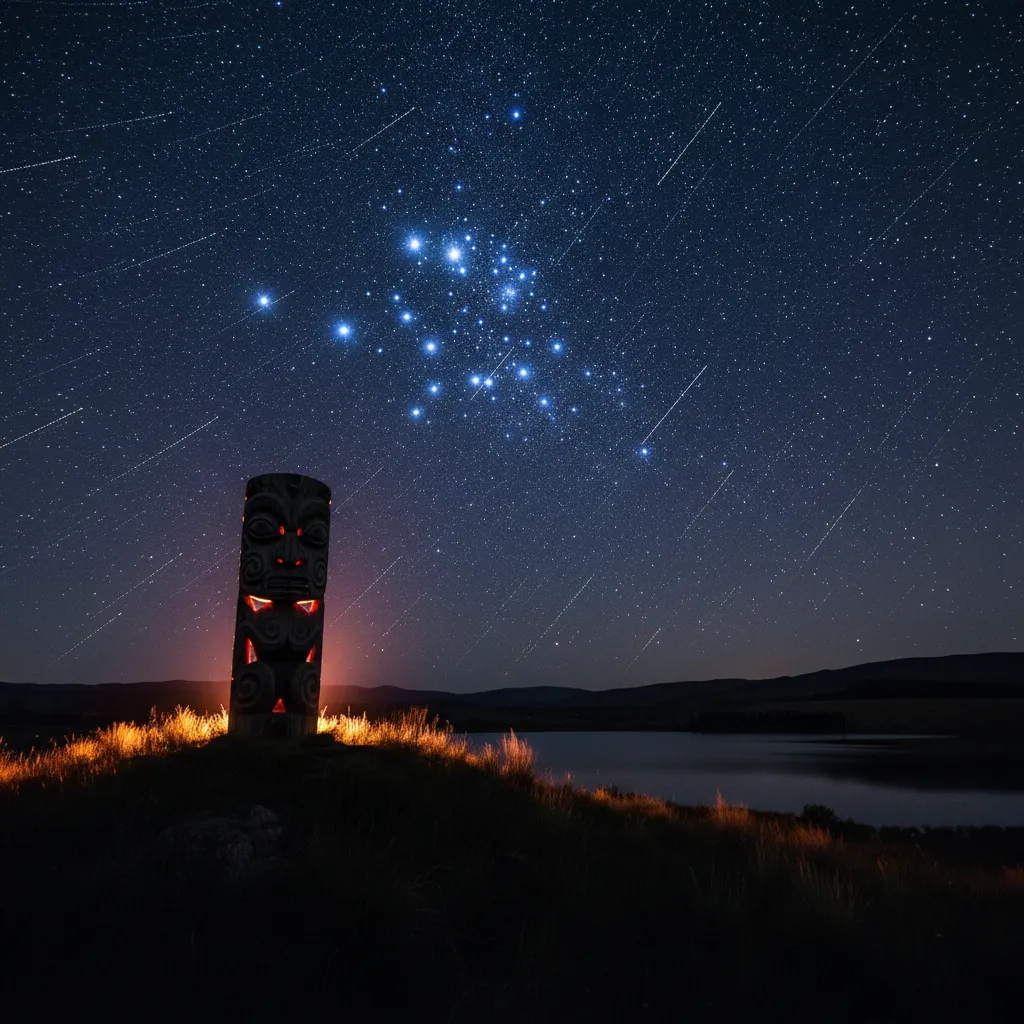
Historically, the visibility of Matariki was used to predict the success of the coming harvest. If the stars appeared bright and clear, it signaled a warm growing season and abundant crops. Conversely, hazy or shimmering stars were thought to predict a cold winter and poor harvest. This connection between the cosmos and the earth is a central tenet of Māori eco-philosophy, emphasizing that the health of the environment is inextricably linked to human well-being.
The Nine Stars of Matariki
While often referred to as the Seven Sisters in Greek mythology, Māori tradition typically recognizes nine distinct stars within the cluster, each holding dominion over a specific environmental element:
- Matariki: The mother star, signifying reflection, hope, and the connection to the environment.
- Pōhutukawa: Connected to those who have passed away.
- Tupuānuku: Associated with food grown in the ground (kumara, potatoes).
- Tupuārangi: Associated with food from the sky (birds, fruit from trees).
- Waitī: Connected to fresh water and the creatures within it.
- Waitā: Connected to the ocean and marine life.
- Waipuna-ā-rangi: Associated with rain.
- Ururangi: Connected to the winds.
- Hiwa-i-te-rangi: The wishing star, to which people send their aspirations for the new year.
Best Matariki Star Cluster Viewing Dates (2024-2026)
Unlike the Gregorian New Year which falls on January 1st every year, the dates for Matariki shift. This is because the Māori calendar (Maramataka) is a lunar-stellar system. The holiday and the optimal viewing times are determined by the phase of the moon following the heliacal rising of the Pleiades.
When is the Best Time to View Matariki?
The optimal viewing window is during the lunar phase known as Tangaroa, the last quarter of the moon. During this time, the moon is less bright, creating a darker canvas for the stars to shine. You must be in position before the sun begins to lighten the sky.
Key Dates for Planning Your Trip:
- 2024: The Matariki public holiday is observed on Friday, June 28. The best viewing period is late June to early July.
- 2025: The public holiday will be Friday, June 20. Look for the cluster from mid-June onwards.
- 2026: The public holiday will be Friday, July 10. The viewing window shifts later into July.
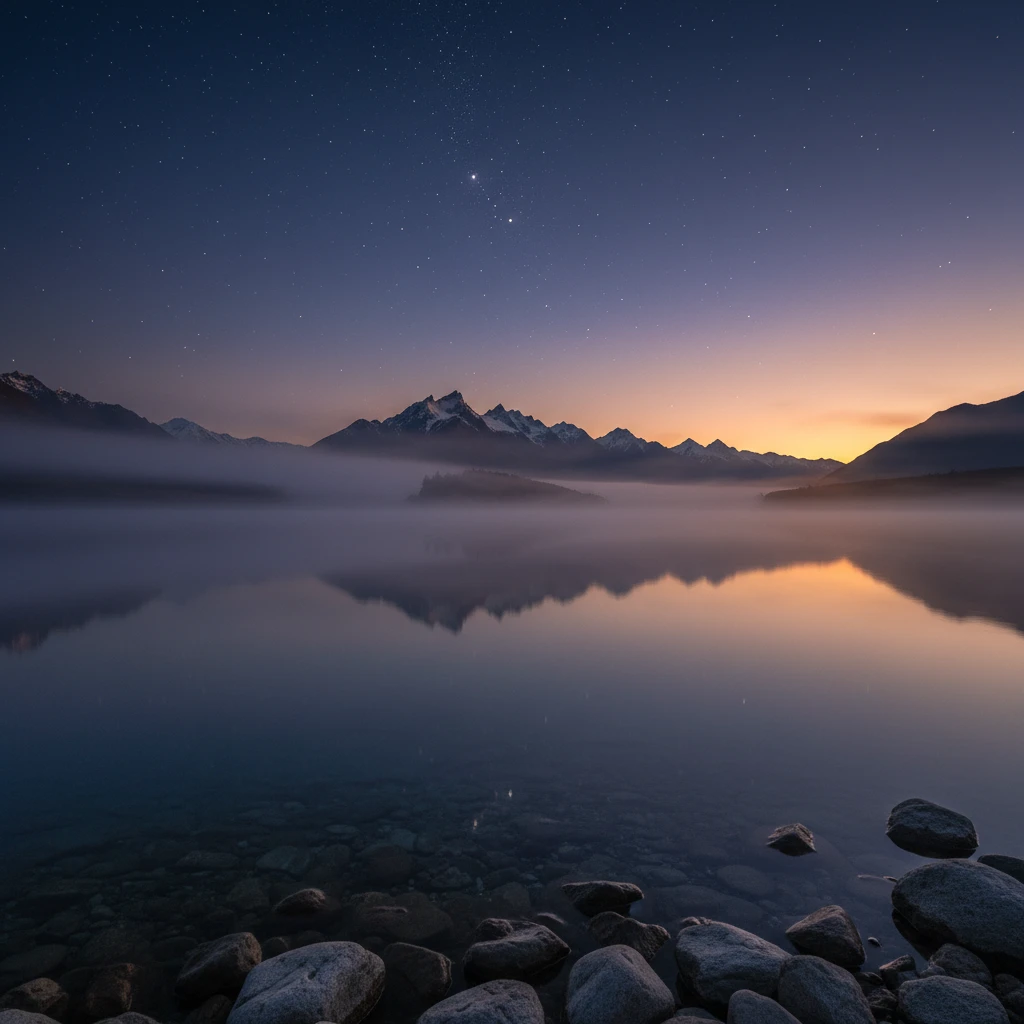
Time of Day: The critical window is between 5:30 AM and 6:30 AM (NZT). By 7:00 AM, the rising sun typically obscures the cluster.
How to Locate Matariki in the Pre-Dawn Sky
For independent travelers without a guide, finding Matariki can be a rewarding challenge. It is not the brightest constellation in the sky, so knowing where to look is essential. You do not need a telescope; Matariki is best viewed with the naked eye or a standard pair of binoculars.
The Three-Step Navigation Method
To find Matariki, you can use the brighter, more recognizable constellations as signposts. Follow this sequence:
- Find Tautoru (Orion’s Belt): Look to the north. You will see three bright stars in a perfect row. This is the “Pot” or the bottom of the saucepan in Orion.
- Trace a Line Left: From Tautoru, draw an imaginary line to the left (north-east). You will hit a bright triangular shape. This is Te Kokotā (The Face of the Bull/Hyades), with the bright orange star Aldebaran.
- Continue Left: Keep following that line to the left. You will arrive at a tight cluster of twinkling lights that looks somewhat like a miniature version of the Little Dipper. That is Matariki.
If the stars appear fuzzy or shimmering, take a moment to appreciate the atmospheric conditions, as this was traditionally read as a sign of the weather to come.
Top Dark Sky Locations for Eco-Travelers
New Zealand is a world leader in dark sky preservation, making it a premier destination for astrotourism. To see Matariki clearly, you must escape the light pollution of major cities like Auckland or Wellington.
Aoraki Mackenzie International Dark Sky Reserve
Located in the South Island, this is the largest Dark Sky Reserve in the Southern Hemisphere. Towns like Tekapo and Mt. Cook Village offer unparalleled clarity. The Church of the Good Shepherd in Tekapo is a popular foreground for photographers, though it can get crowded.
Great Barrier Island (Aotea)
For a true off-the-grid eco-tourism experience, visit Great Barrier Island. As an International Dark Sky Sanctuary, the island has no streetlights and operates entirely off the grid. It is accessible by a short flight or ferry from Auckland. The local community is deeply connected to the environment, and viewing Matariki here, accompanied by the sound of crashing waves, is a spiritual experience.
Stewart Island (Rakiura)
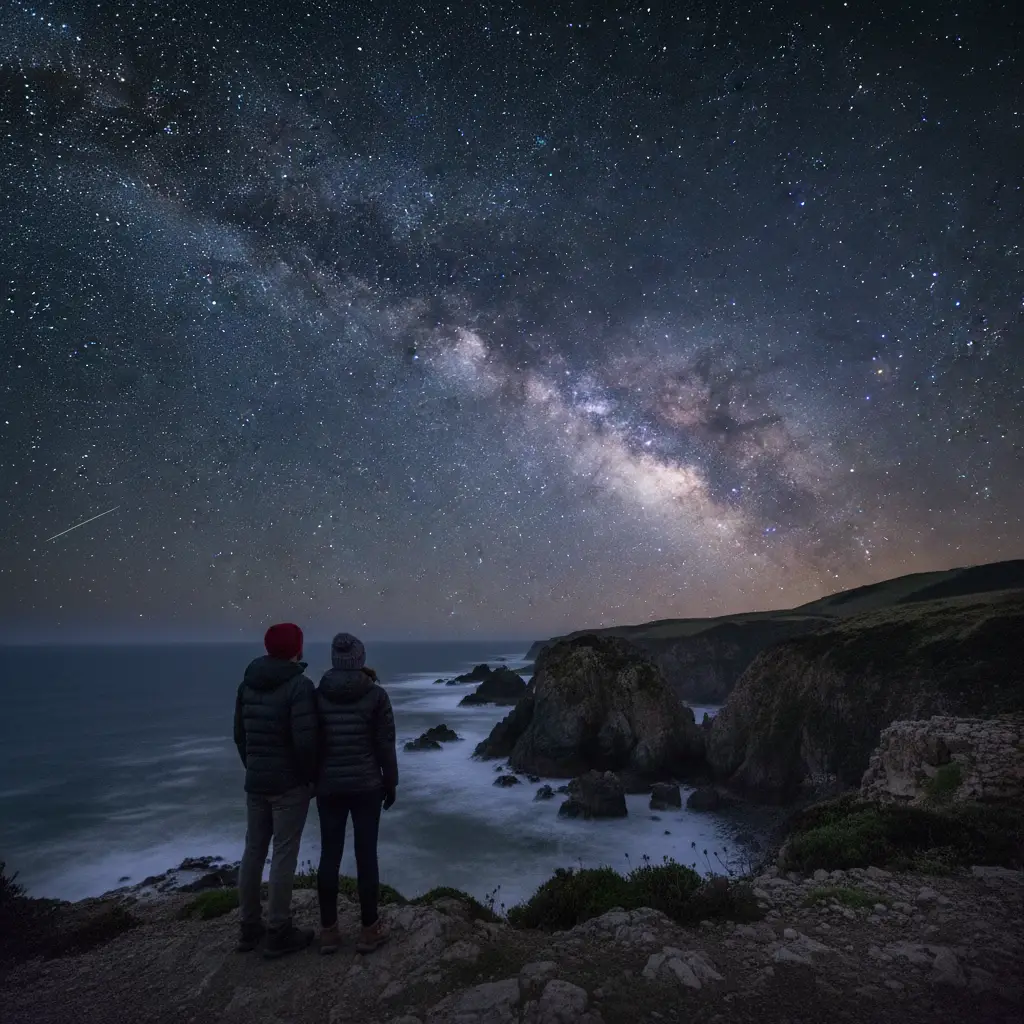
Rakiura translates to “The Land of Glowing Skies.” It is the southernmost Dark Sky Sanctuary in the world. While auroras (Southern Lights) are the main draw here, the lack of light pollution makes Matariki incredibly distinct. Be prepared for very cold temperatures in June and July.
Photographing the Cluster: A Guide for Beginners
Capturing Matariki requires patience and the right equipment. Because the cluster is relatively faint compared to the Milky Way core, you need to maximize light intake without introducing star trails.
Recommended Gear and Settings
- Tripod: Essential. Any movement will blur the stars.
- Lens: A wide-angle lens (14mm to 24mm) with a wide aperture (f/2.8 or lower) is ideal.
- Shutter Speed: Use the “500 Rule” (500 divided by your focal length) to determine max exposure time. Usually, 15–20 seconds is safe.
- ISO: Start at ISO 1600 or 3200. Adjust based on noise levels.
- Focus: Switch to manual focus. Zoom in on the brightest star (like Sirius or Canopus) in Live View and adjust until it is a pinpoint of light.
Pro Tip: Include a landscape element in the foreground—like a native fern, a mountain peak, or a body of water—to give your image scale and context.
Matariki Events and Public Holidays
Since 2022, Matariki has been celebrated as an official public holiday in New Zealand, the first to recognize Te Ao Māori (the Māori world). This has led to a surge in festivals, cultural performances, and educational events across the country.
Matariki Festival (Auckland)
Auckland hosts a month-long festival featuring light shows, kite flying (manu aute), and kapa haka performances. The harbor bridge is often lit up with light displays representing the nine stars.
Te Papa Tongarewa (Wellington)
The national museum in Wellington offers extensive educational programs, storytelling sessions, and exhibitions explaining the astronomy and mythology of the cluster. It is a perfect starting point for families or those wanting a deeper intellectual understanding before heading out to view the stars.
Feast Matariki
Many eco-lodges and restaurants participate in “Feast Matariki,” offering menus that highlight indigenous ingredients (kai) related to the stars—such as eel (tuna), kumara, and native berries. This aligns with the agricultural significance of the holiday, celebrating the harvest and the food stores for winter.
Conclusion
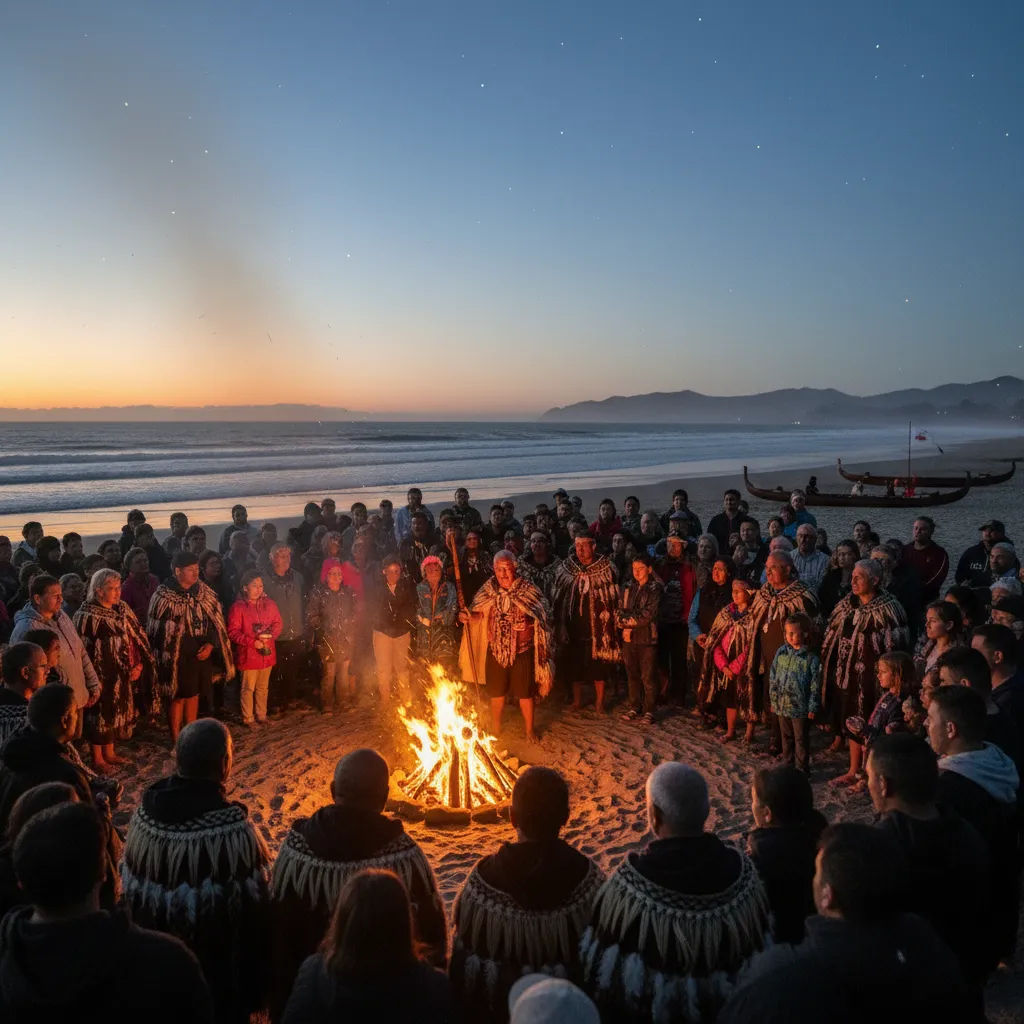
Viewing the Matariki star cluster is a highlight of New Zealand’s winter calendar. It bridges the gap between the celestial and the terrestrial, offering travelers a chance to slow down, look up, and reflect. Whether you are a photographer chasing the perfect shot in a Dark Sky Reserve or a family gathering on a beach to welcome the New Year, the rising of Matariki is a reminder of our navigation through time and our duty to the natural world.
People Also Ask (PAA)
What is the best time of day to see Matariki?
The best time to see Matariki is in the early morning, just before dawn. You should aim to be at your viewing location between 5:30 AM and 6:30 AM. Once the sun starts to rise (around 7:00 AM in mid-winter), the sky becomes too light to distinguish the cluster.
Can you see Matariki with the naked eye?
Yes, Matariki is visible to the naked eye, appearing as a tight grouping of faint stars. However, light pollution can make it difficult to see in cities. For the best view, travel to a dark sky location and allow your eyes 20 minutes to adjust to the darkness. Binoculars will reveal many more stars within the cluster.
Why do the dates for Matariki change every year?
The dates change because the Māori calendar (Maramataka) is based on lunar cycles rather than the solar Gregorian calendar. The holiday is timed to coincide with the Tangaroa moon phase (last quarter) following the heliacal rising of the Pleiades star cluster.
What direction should I look to see Matariki?
You should look towards the northeastern horizon. A helpful guide is to find Orion’s Belt (The Pot), follow the line left to the bright star Aldebaran (in the Hyades), and continue left until you see the small cluster of Matariki.
Is Matariki the same as the Pleiades?
Yes, Matariki is the Māori name for the star cluster known in Western astronomy as the Pleiades or Messier 45. While the astronomical object is the same, the cultural narratives, significance, and individual star names differ between cultures.
What should I bring for a Matariki viewing trip?
Because viewing takes place in the New Zealand winter before dawn, it will be very cold. Bring thermal layers, a heavy jacket, a beanie, gloves, and warm boots. A red-light torch is recommended to help you see without ruining your night vision, and a camping chair and blanket can make the wait more comfortable.