New Zealand is home to some of the world’s most unique and vulnerable species, many of which are found nowhere else on Earth. When you encounter a native animal in distress, knowing exactly how to report injured wildlife in NZ is critical for its survival and the broader conservation efforts of the nation.
To report injured wildlife in NZ, call the Department of Conservation (DOC) emergency hotline at 0800 DOC HOT (0800 362 468) immediately. This 24-hour service handles native species emergencies, including injured birds, stranded whales, and seals in danger. For non-native species, contact your local SPCA or a specialized regional wildlife rescue center for assistance.
What is the DOC emergency hotline (0800 DOC HOT)?
The 0800 DOC HOT (0800 362 468) is New Zealand’s primary emergency line for reporting incidents involving native wildlife and conservation emergencies. This service is operated by the Department of Conservation (Te Papa Atawhai) and is available 24 hours a day, seven days a week. When you call this number, you are connected to a dispatcher who can mobilize rangers, veterinarians, or authorized volunteer groups to respond to the situation.

When reporting injured wildlife in NZ via the hotline, it is essential to provide as much specific information as possible. Be prepared to describe the exact location (using GPS coordinates or clear landmarks), the species of the animal (if known), the nature of the injury (e.g., a broken wing, entanglement in fishing line, or lethargy), and your contact details. The dispatcher will prioritize calls based on the species’ conservation status and the severity of the incident. High-priority species include the Kiwi, Kākāpō, Kea, and various species of penguins and marine mammals.
When should you call 0800 DOC HOT?
You should call the emergency hotline if you find a native animal that is clearly injured, sick, or in immediate danger from predators or human activity. This includes instances of whale or dolphin strandings, seals being harassed by dogs, or native birds found on the ground unable to fly. It is also the correct number to report illegal activities, such as people harming wildlife or entering protected areas without permits. Do not use this line for non-native animals like common garden birds (starlings, sparrows) or stray domestic pets; for those, the SPCA is the appropriate contact.
How to handle injured birds safely?
Handling injured birds requires a balance of speed and extreme caution. The primary goal is to stabilize the bird and minimize stress until professional help arrives. Stress is a major killer of wild birds; even if the physical injury is treatable, the shock of being handled by a human can be fatal. Before attempting to touch the bird, ensure you have the necessary supplies: a clean towel, a sturdy cardboard box with air holes, and a pair of gloves.
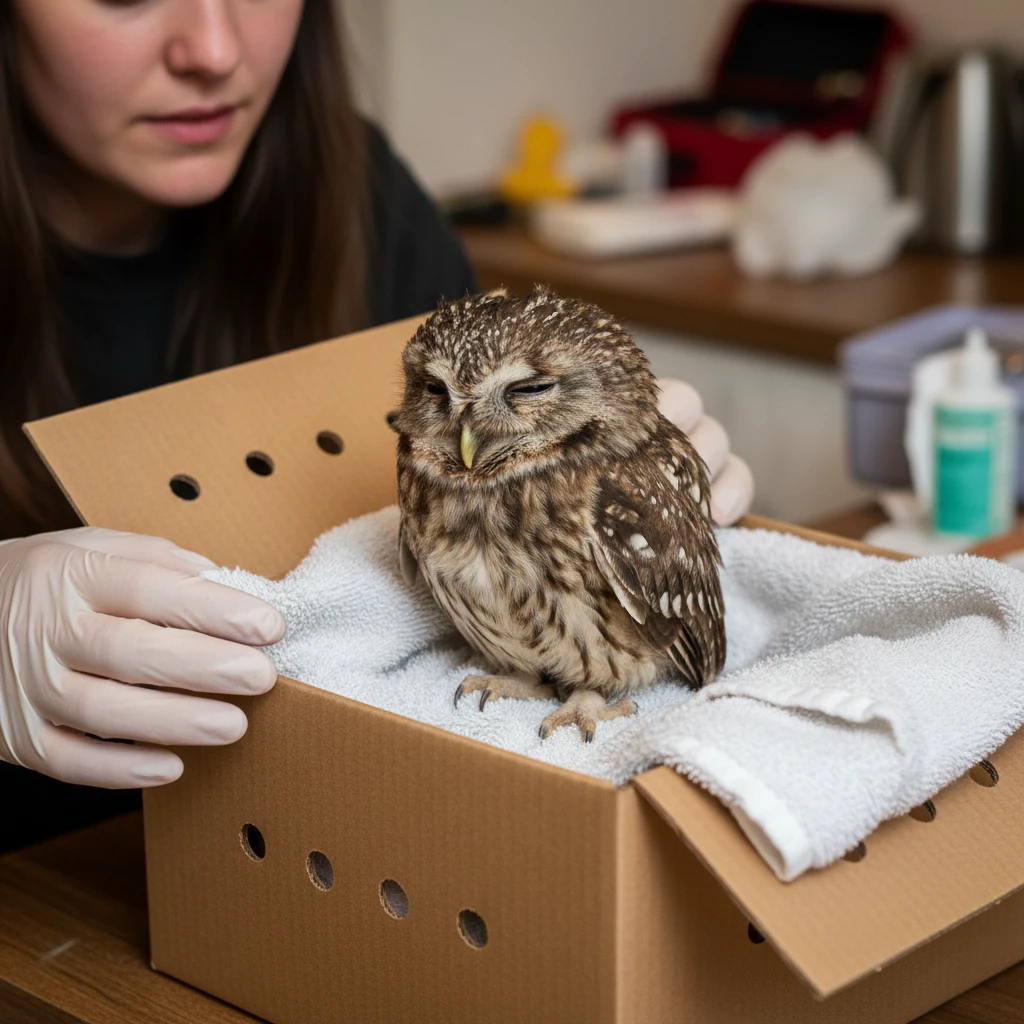
To capture the bird, approach it slowly and quietly. Drop a towel over the bird to gently restrain its wings and head. This prevents further injury from flapping and keeps the bird in the dark, which helps to calm it down. Carefully lift the bird and place it into the prepared cardboard box. Once inside, ensure the lid is secure and move the box to a warm, dark, and quiet location away from pets, children, and loud noises.
What to avoid when rescuing birds
One of the most common mistakes people make when they report injured wildlife in NZ is attempting to provide food or water to the animal. Never force-feed a bird or pour water into its beak. This can lead to aspiration (fluid in the lungs) or choking. Furthermore, different species have highly specialized diets, and the wrong food can cause metabolic distress. Your only job is to provide a safe, quiet environment until you can transport the bird to a vet or a wildlife rehabilitation center. Additionally, avoid excessive handling or taking photos with the bird, as this increases its stress levels significantly.
What are the stranded whale protocols in NZ?
New Zealand has one of the highest rates of whale and dolphin strandings in the world. These events are complex and require a coordinated response. If you find a stranded whale or dolphin, your first action must be to call 0800 DOC HOT and, if possible, contact Project Jonah, a dedicated marine mammal rescue organization. Safety is paramount; whales are massive animals and can cause serious injury with their flukes (tails) or by rolling over, especially in the surf zone.
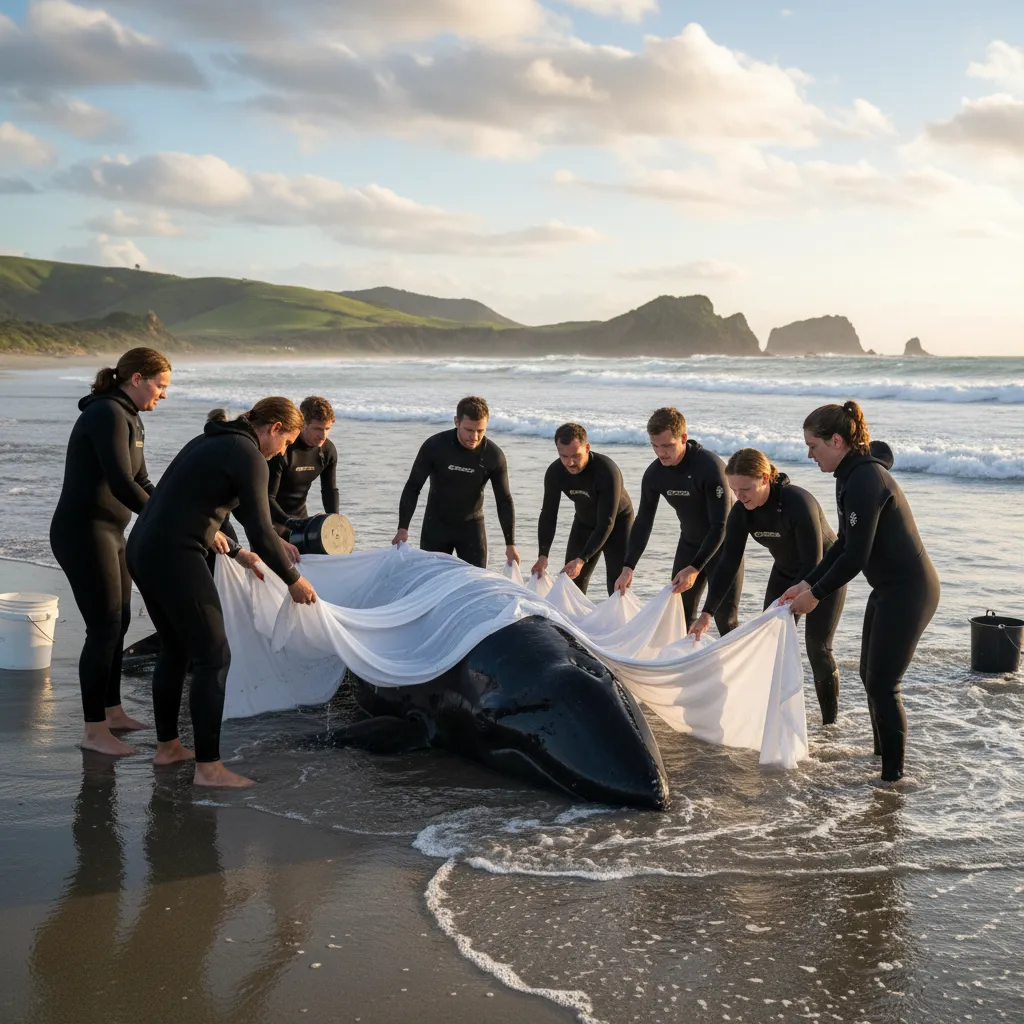
While waiting for experts to arrive, there are several steps you can take to support the animal. First, keep the animal upright. If it is on its side, it cannot breathe properly and its internal organs can be crushed by its own weight. Digging shallow trenches under the pectoral fins can help stabilize the animal. Second, keep the skin moist and cool. Use buckets of seawater to pour over the skin, avoiding the blowhole. If you have sheets or towels, soak them in seawater and drape them over the animal, again ensuring the blowhole is completely clear. The blowhole is the animal’s airway; if water or sand gets inside, it can be fatal.
Safety and ethics during a stranding
Never attempt to tow a whale back into the water using a vehicle or boat, as this can cause catastrophic spinal injuries or drown the animal. Only trained professionals should manage the refloating process. Maintain a calm environment; avoid shouting or crowding the animal, as whales are highly sensitive to sound. If there are multiple animals stranded, do not move them individually until the group is ready, as they are social creatures and will often re-strand themselves to stay with their pod. Always follow the directions of DOC rangers or Project Jonah medics on-site.
Where are the local bird rescue centers in NZ?
While the Department of Conservation oversees wildlife, they often partner with specialized rehabilitation centers to provide long-term care. If you have been authorized by DOC to transport a bird yourself, knowing the location of these centers is vital. These facilities are equipped with avian veterinarians and specialized enclosures designed for the unique needs of native species.

In the North Island, prominent centers include BirdWing in Auckland, which specializes in native birds, and Wildbase Hospital at Massey University in Palmerston North, which handles some of the most critically injured wildlife in the country. In the Wellington region, The Nest Te Kōhanga at Wellington Zoo provides exceptional care for native species. In the South Island, the South Island Wildlife Hospital in Christchurch and the Dunedin Wildlife Hospital are key facilities, particularly for penguins and alpine birds like the Kea. Always call these centers before arriving to ensure they have the capacity and the correct permits to take the specific animal you have found.
Key Wildlife Rescue Contacts
- Auckland: BirdWing or the NZ Bird Rescue Charitable Trust.
- Waikato: Wingspan National Bird of Prey Centre (for raptors).
- Manawatu: Wildbase Hospital (Massey University).
- Wellington: The Nest Te Kōhanga (Wellington Zoo).
- Canterbury: South Island Wildlife Hospital.
- Otago: Dunedin Wildlife Hospital.
Understanding Seal Behavior and Safety
In New Zealand, it is very common to see New Zealand Fur Seals (Kekeno) on beaches, rocky shores, and even in parks or on roads. It is crucial to understand that a seal on land is not necessarily an injured seal. Seals often come ashore to rest, moult, or escape predators. They can appear distressed—sneezing, coughing, or having watery eyes—but these are often natural behaviors. Unless the seal is being harassed, is severely injured (e.g., bleeding profusely), or is entangled in debris, the best course of action is to leave it alone.
DOC guidelines state that you should maintain a distance of at least 20 meters from any seal. Do not get between a seal and the ocean, as they may feel cornered and become aggressive. Keep dogs on a lead and well away from the animal. If you are certain a seal is in danger or seriously injured, report it to 0800 DOC HOT. Do not attempt to touch or move the seal yourself; they have incredibly strong jaws and carry bacteria that can cause serious infections in humans.
The Wildlife Act and Legal Protections
All native wildlife in New Zealand is protected under the Wildlife Act 1953. This legislation makes it illegal to kill, harm, or even possess native wildlife without a specific permit from the Department of Conservation. This legal framework is why it is so important to report injured wildlife in NZ rather than trying to keep and treat the animal yourself. Even with the best intentions, keeping a native bird in your home for more than a few hours without notifying authorities can be a legal offense.
Furthermore, the Act ensures that wildlife receives the highest standard of care from qualified professionals. The goal of any rescue is rehabilitation and release back into the wild. By following the official reporting channels, you ensure that the animal has the best chance of returning to its natural habitat and contributing to the survival of its species. New Zealand’s eco-tourism and conservation reputation depends on the collective responsibility of both locals and visitors to uphold these standards and protect our natural heritage.
Who do I call for an injured bird in NZ?
You should call the Department of Conservation emergency line at 0800 DOC HOT (0800 362 468) for native birds. For non-native birds, contact your local SPCA.
Is it free to report injured wildlife to DOC?
Yes, calling the 0800 DOC HOT line is free, and the Department of Conservation does not charge the public for reporting or responding to wildlife emergencies.
What should I do if I find a seal on the beach?
Observe from at least 20 meters away. Most seals are just resting. Only report it to DOC if it is being harassed, is entangled in net/plastic, or has visible deep wounds.
Can I take an injured kiwi to a regular vet?
Most local vets will accept injured wildlife for initial stabilization, but you must call 0800 DOC HOT first so they can direct you to a vet with native species expertise.
How do I help a stranded whale before help arrives?
Keep the whale upright, keep its skin moist with seawater, and ensure the blowhole is clear of water and sand. Stay away from the tail for your own safety.
Does the SPCA help with native NZ birds?
The SPCA primarily focuses on domestic animals and non-native birds, but they often work alongside DOC and may provide initial help before transferring native animals to specialized centers.