A Dark Sky Sanctuary in NZ is an area of public or private land possessing an exceptional or distinguished quality of starry nights and a nocturnal environment that is protected for its scientific, natural, or educational value. These sanctuaries differ from reserves due to their isolation and fragility, offering some of the purest stargazing experiences on Earth.
New Zealand has positioned itself as a premier global destination for astro-tourism, leveraging its low population density and commitment to conservation to protect the pristine quality of its night skies. For the independent traveler and eco-tourist, visiting a dark sky sanctuary NZ location offers a profound connection to the cosmos that is rapidly disappearing elsewhere in the modern world.
What is a Dark Sky Sanctuary?
To understand the significance of a dark sky sanctuary NZ, one must first distinguish it from other astronomical designations. The International Dark-Sky Association (IDA) categorizes protected areas into several tiers, primarily Reserves, Parks, and Sanctuaries. While all represent excellent night sky quality, a Sanctuary is unique.
A Dark Sky Sanctuary is typically situated in a very remote location with few (if any) nearby threats to the quality of its dark night skies. Unlike a Reserve, which often integrates with local communities and requires significant retrofitting of lighting infrastructure, a Sanctuary is defined by its geographic isolation. It is a place where the darkness is inherent and fragile, requiring strict protection to maintain its pristine state. For the eco-tourist, this means visiting a Sanctuary often involves traveling off the beaten path to areas with minimal infrastructure, providing a raw and unfiltered engagement with nature.
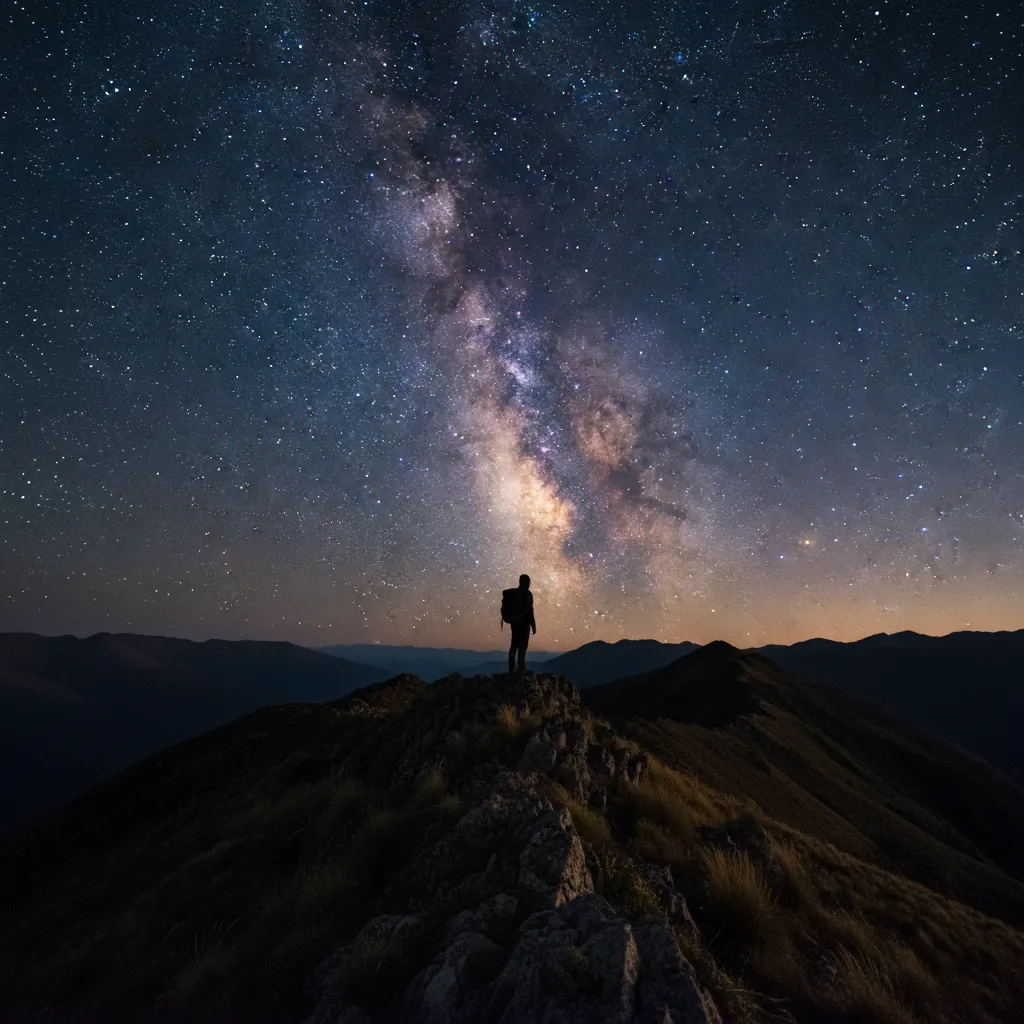
Top Locations: Tekapo, Great Barrier, Stewart Island
New Zealand is unique in that it hosts multiple accredited dark sky sites within a relatively small geographical area. Whether you are seeking the absolute isolation of an island sanctuary or the accessible infrastructure of a dark sky reserve, New Zealand offers world-class options.
Great Barrier Island (Aotea)
In 2017, Great Barrier Island (Aotea) became the first island in the world to be designated an International Dark Sky Sanctuary. Located 100 kilometers northeast of Auckland, it is a place of rugged beauty and complete off-grid living.
Why it is unique: The island has no reticulated electricity supply. Residents rely on solar power and generators, which naturally limits light pollution. There are no streetlights on the island. This lack of artificial light creates a Bortle Scale Class 1 sky—the darkest possible rating.
Visitor Experience: A trip to Aotea is an adventure in itself. Accessible by a small plane or a 4.5-hour ferry, visitors can engage in guided “Good Heavens” dark sky experiences. The local community is deeply invested in preserving the nightscape, making it a perfect destination for eco-conscious travelers who value sustainability.
Stewart Island (Rakiura)
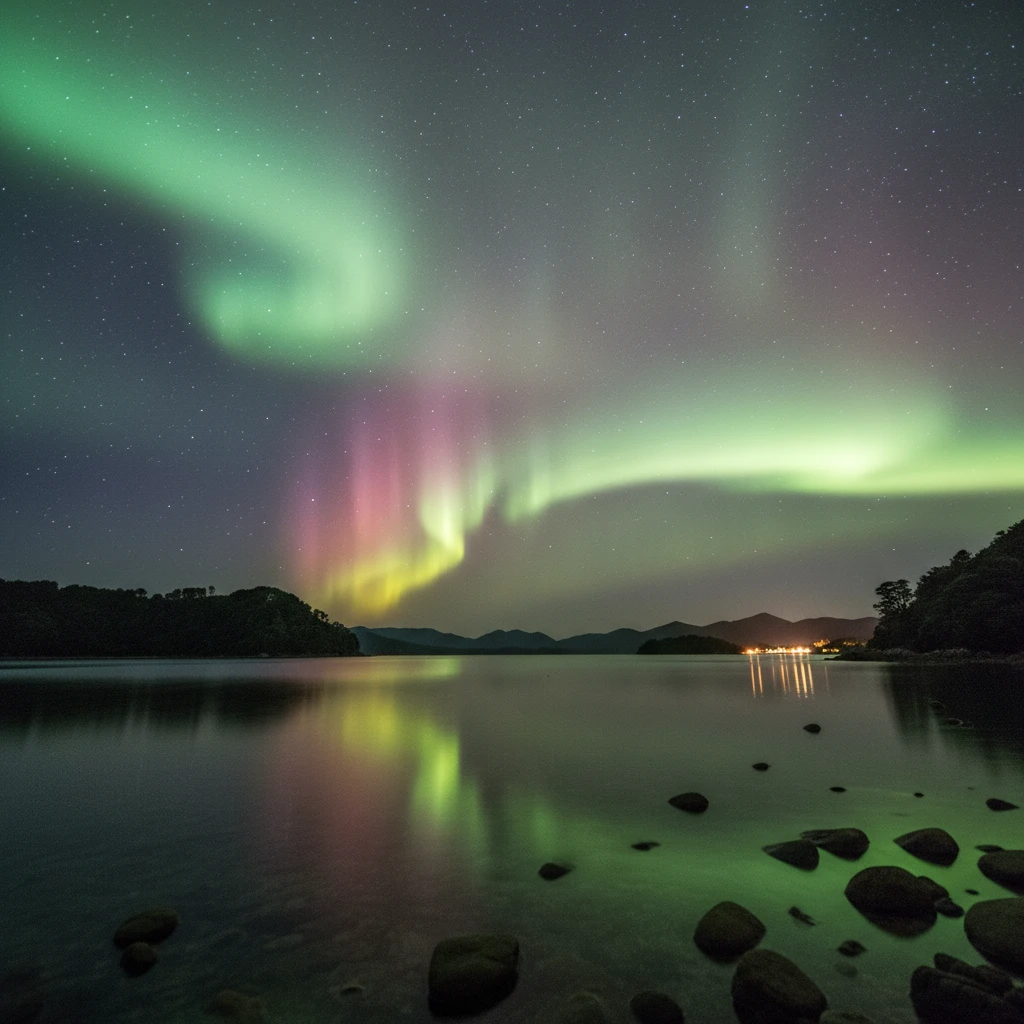
In 2019, Stewart Island/Rakiura was accredited as the world’s southernmost Dark Sky Sanctuary. The Māori name, Rakiura, translates to “The Land of Glowing Skies,” a reference to the frequent appearance of the Aurora Australis (Southern Lights) and the lingering sunsets.
The Southern Advantage: Being located at 47 degrees south latitude, Rakiura offers the best opportunity in New Zealand to witness the Aurora Australis. The island is 85% National Park, ensuring that development remains minimal. The sanctuary status covers the entire island, meaning you can step out of your accommodation in Oban and witness a star-field density that is impossible to see in populated areas.
The Aoraki Mackenzie Distinction
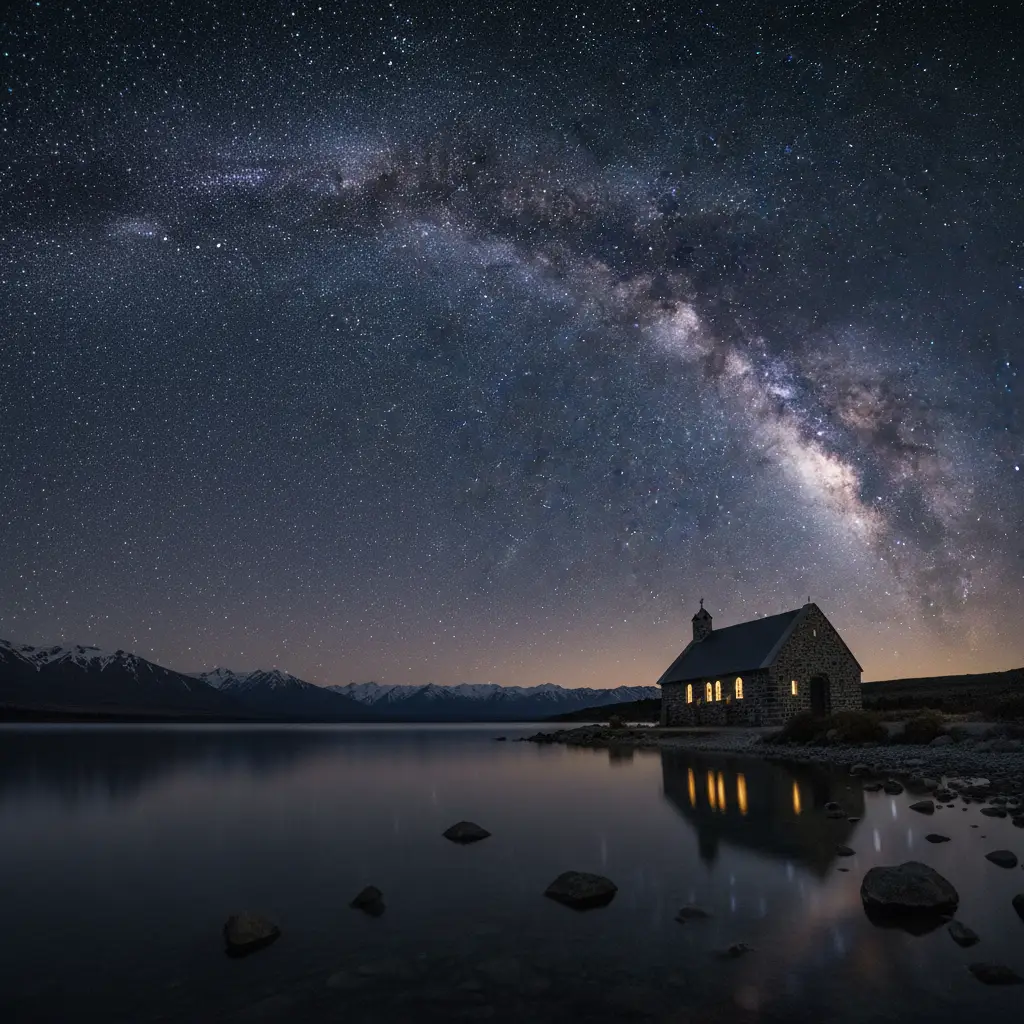
While technically an International Dark Sky Reserve (the largest in the southern hemisphere) rather than a Sanctuary, the Aoraki Mackenzie region cannot be omitted from any discussion regarding a dark sky sanctuary NZ itinerary. Centered around Lake Tekapo, Mt. Cook Village, and Twizel, this area is the gold standard for astro-tourism infrastructure.
Reserve vs. Sanctuary: The Mackenzie Basin supports a permanent population and tourism industry. The “Reserve” status acknowledges that the community has actively retrofitted lighting (using shielded, amber sodium lights) to protect the sky. It is the most accessible location for most travelers, offering observatory tours at Mt. John University Observatory and hot pools stargazing experiences.
Understanding the Southern Sky
For visitors from the Northern Hemisphere, the night sky in New Zealand presents a completely new celestial map. The perspective from a dark sky sanctuary NZ location reveals objects and constellations that are never visible north of the equator.
The Magellanic Clouds
Two of the most prominent features of the southern sky are the Large and Small Magellanic Clouds. These are dwarf irregular galaxies orbiting our own Milky Way. To the naked eye, they appear as detached pieces of the Milky Way, glowing faintly like distinct clouds that never move with the wind. They are visible year-round in New Zealand but are best viewed from the deep darkness of a sanctuary where contrast is high.
The Southern Cross (Crux)
The Southern Cross is the most iconic constellation in the southern hemisphere, featuring on the New Zealand flag. It is a circumpolar constellation, meaning it never sets below the horizon for most of New Zealand. Nearby, the “Pointers” (Alpha and Beta Centauri) help stargazers locate South. Alpha Centauri is our nearest star system, a mere 4.3 light-years away.
The Galactic Core
While the Milky Way is visible from the north, the Galactic Core—the brightest and most visually stunning part of our galaxy—passes directly overhead in the New Zealand winter. In a dark sky sanctuary, the density of stars in the core is so high that the Milky Way can cast a shadow on the ground.
Best Seasons for Astro-Tourism
Choosing when to visit a dark sky sanctuary NZ depends on your specific astronomical goals. Unlike general tourism which peaks in summer, astro-tourism has distinct advantages in the colder months.
Winter (June – August): The Season of Matariki
Winter is widely considered the prime season for serious stargazing in New Zealand.
- Long Nights: Sunset occurs as early as 5:00 PM, providing over 12 hours of total darkness.
- Galactic Core: The brightest part of the Milky Way is high in the sky.
- Matariki: Late June/Early July marks the rise of the Pleiades (Matariki), signaling the Māori New Year. This is a culturally significant time to visit, with many events centered around indigenous astronomy.
- Atmospheric Stability: Cold winter air holds less moisture, often resulting in crisper, clearer views of the stars (seeing conditions).
Summer (December – February): Comfortable Viewing
Summer offers a more comfortable temperature for standing outside, but the astronomical window is shorter.
- Short Nights: Darkness may not fully fall until 10:30 PM or later.
- Orion: The constellation Orion appears “upside down” compared to the northern hemisphere view.
- Accessibility: Ferries to Great Barrier and Stewart Island run more frequently and reliably in calmer summer weather.
Shoulder Seasons (Autumn/Spring): The Aurora Window
The equinoxes (March and September) are statistically the best times to view the Aurora Australis due to the “Russell-McPherron effect,” which aligns the Earth’s magnetic field to better interact with solar wind. Visiting Stewart Island during these months maximizes your chances of seeing the Southern Lights.
Responsible Astro-Tourism
Visiting a Dark Sky Sanctuary comes with a responsibility to maintain the environment that makes these places special. Light pollution is a growing global issue, but it is reversible.
Red Light Only: When moving around a sanctuary at night, always use a red torch or a red-light setting on your headlamp. White light destroys night vision (which takes 20 minutes to recover) and disturbs nocturnal wildlife, such as the Kiwi and Morepork (Ruru).
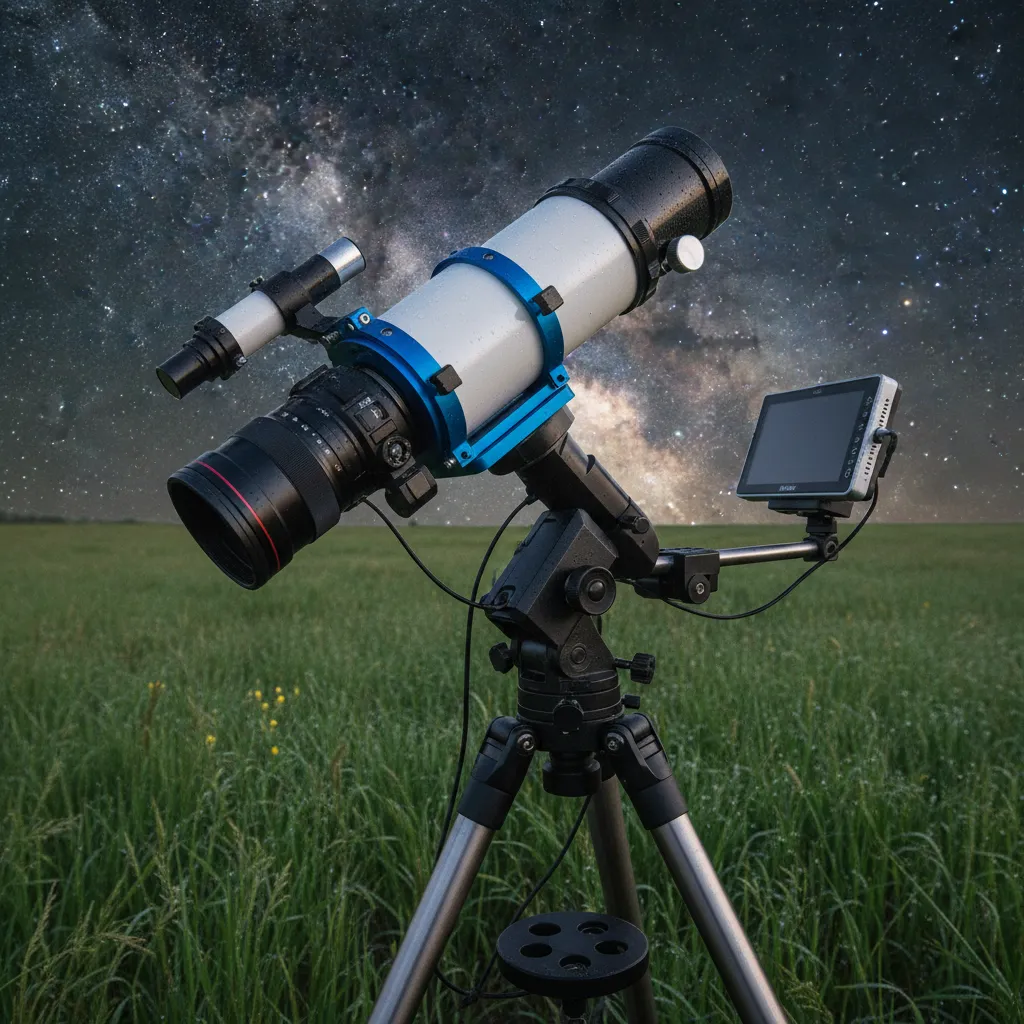
Photography Etiquette: If you are part of a group tour, be mindful of camera screens. Dim your LCD screen to the lowest setting. Do not use flash photography; it is useless for stars and ruins the experience for others.
Support Local: Many sanctuaries are located in small communities. Support local accommodation and guided tour operators who contribute financially to the conservation of the dark sky zone. By validating the economic worth of the night sky, you help ensure its protection for future generations.
People Also Ask
What is the difference between a Dark Sky Reserve and a Sanctuary?
A Dark Sky Sanctuary is typically more remote and isolated than a Reserve. Sanctuaries are chosen for their fragility and lack of nearby artificial light, whereas Reserves often include populated areas that have retrofitted their lighting to minimize pollution. Sanctuaries are generally darker and harder to access.
Where is the best place to see the Milky Way in New Zealand?
While the Milky Way is visible from almost anywhere in rural New Zealand, the best views are found in the Aoraki Mackenzie International Dark Sky Reserve (Tekapo) or the Great Barrier Island Dark Sky Sanctuary due to the exceptionally low light pollution and high atmospheric transparency.
Can you see the Northern Lights in New Zealand?
No, you cannot see the Northern Lights (Aurora Borealis) in New Zealand. However, you can see the Southern Lights (Aurora Australis), which are the southern hemisphere equivalent. The best places to view them are in the southern South Island, particularly Stewart Island (Rakiura) and the Mackenzie Basin.
What is the darkest place in New Zealand?
Great Barrier Island (Aotea) and Stewart Island (Rakiura) are contenders for the darkest populated places. Both are designated Dark Sky Sanctuaries. However, remote areas of Fiordland National Park, which are uninhabited, likely possess equally dark or darker skies.
Do I need a telescope to enjoy a Dark Sky Sanctuary?
No, a telescope is not necessary. In a true Dark Sky Sanctuary, the naked eye can see thousands of stars, the Milky Way’s dust lanes, and satellites. Binoculars are a great lightweight addition that can reveal star clusters and nebulae without the complexity of a telescope.
When is the best time to photograph the Milky Way in NZ?
The best time to photograph the Galactic Core of the Milky Way in New Zealand is during the winter months, specifically from April to September. During this time, the core rises early in the evening and stays visible for longer periods compared to summer.