Terrestrial Refuges: Forests & Islands

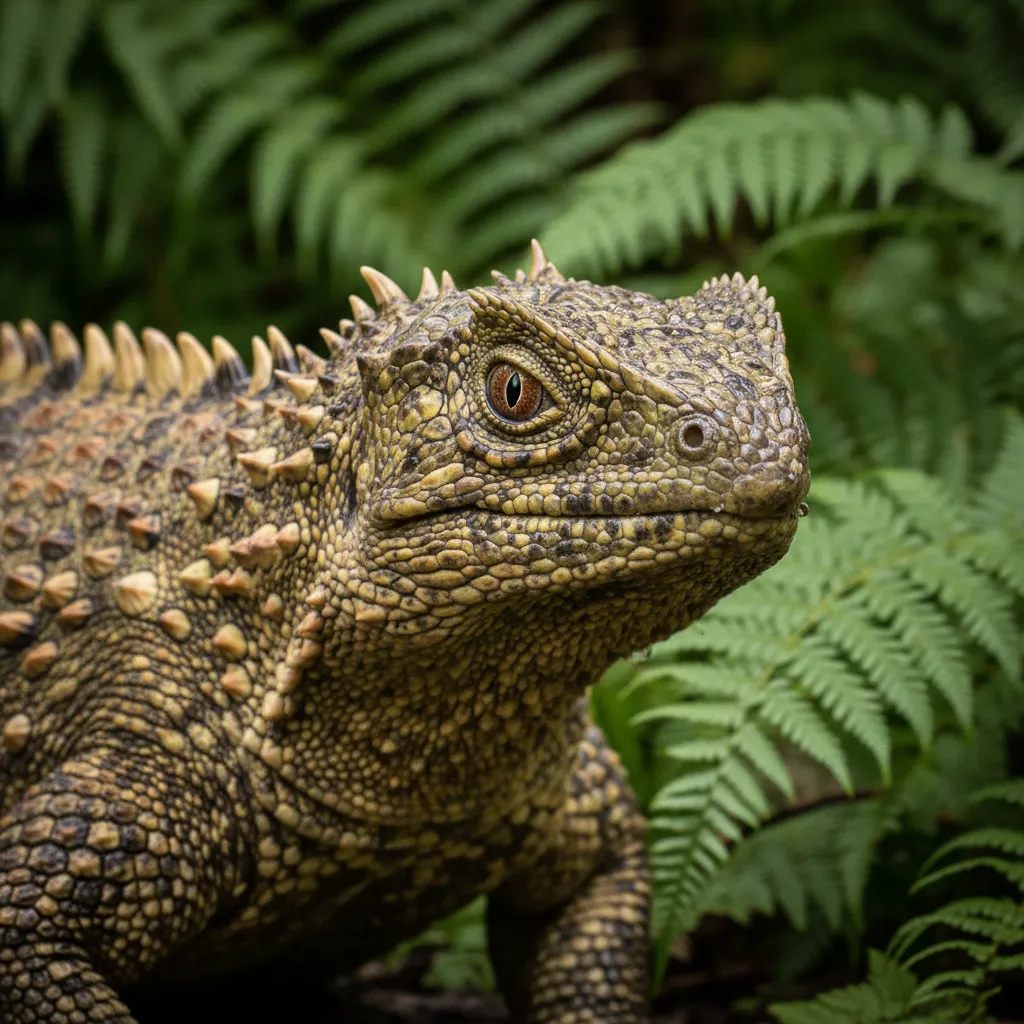
Close up of a Tuatara showing its spiny back crest
Terrestrial Refuges: Forests & Islands

Tuatara: Living Fossils

The tuatara is a unique reptile endemic to New Zealand and the sole survivor of the order Rhynchocephalia, which originated 250 million years ago. Key tuatara facts include their distinct skeletal structure, the presence of a light-sensitive parietal ‘third eye,’ and extreme longevity, often exceeding 100 years in the wild. Table of Contents What is […]

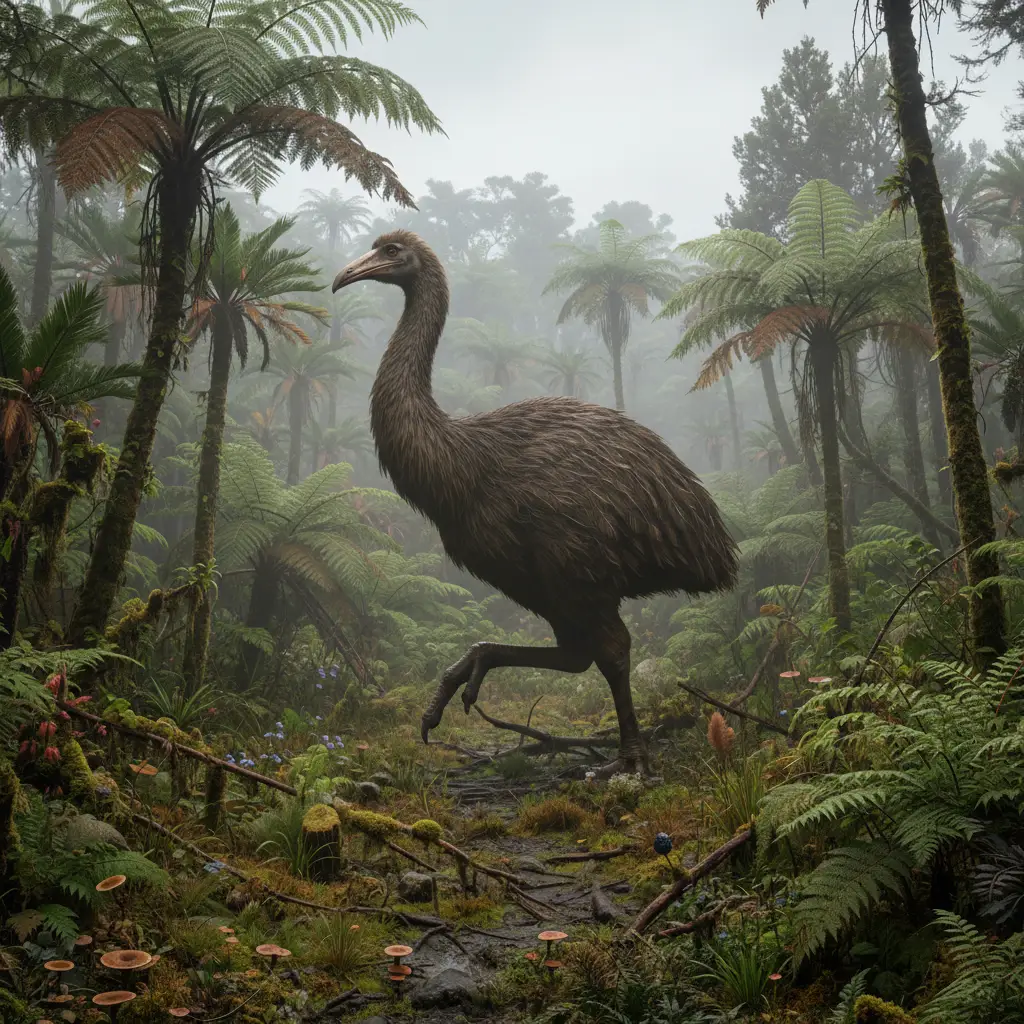
Prehistoric New Zealand landscape with Moa
Terrestrial Refuges: Forests & Islands

Flightless Evolution

New Zealand birds became flightless primarily due to millions of years of evolution in geographic isolation without terrestrial mammal predators. In this safe environment, flight—an energy-expensive adaptation—became unnecessary. Consequently, ground-dwelling species evolved to be larger and heavier, filling ecological niches usually occupied by mammals elsewhere. Table of Contents Evolution in Isolation: The Gondwana Split The

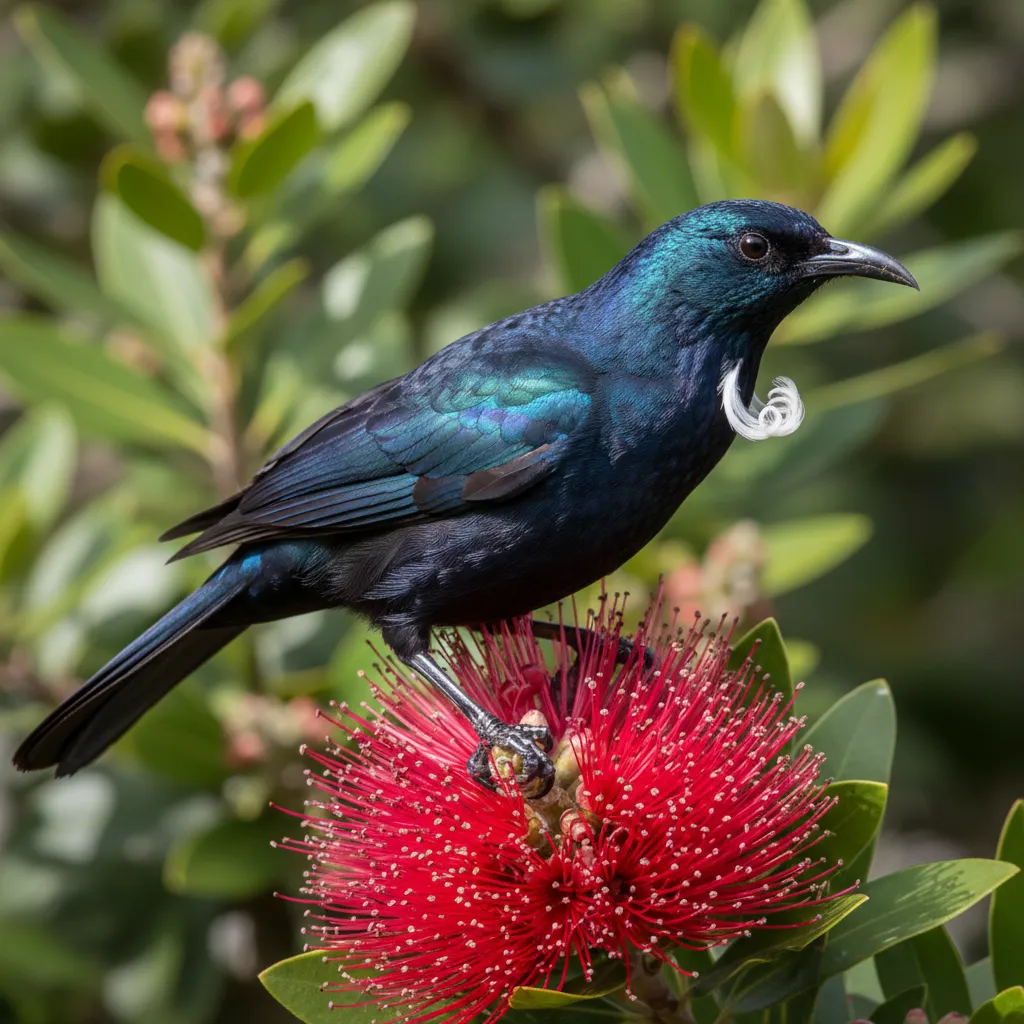
Tui bird feeding on nectar in a New Zealand forest
Terrestrial Refuges: Forests & Islands

Native Bird ID

Native birds of Aotearoa encompass a diverse collection of avian species unique to New Zealand, ranging from the flightless, nocturnal Kiwi to the melodic Tui. Many of these species are endemic, having evolved in isolation for 80 million years, resulting in distinct biological traits not found anywhere else on Earth. New Zealand is often referred

Chatham Island Black Robin perched on a branch
Terrestrial Refuges: Forests & Islands

Chatham Islands Endemics

Chatham Islands birds are a unique collection of endemic avian species found 800 kilometers east of New Zealand. This remote archipelago hosts some of the world’s rarest birds, including the Black Robin and the Parea. Evolution in isolation has produced distinct biological traits, making the islands a global priority for conservation and eco-tourism. The Black

Water taxi crossing Paterson Inlet to Ulva Island
Terrestrial Refuges: Forests & Islands

Ulva Island (Te Wharawhara)

Ulva Island bird watching offers a premier eco-tourism experience within a predator-free open sanctuary in New Zealand’s Stewart Island archipelago. Visitors can observe rare avian species like the South Island Saddleback (Tieke), Yellowhead (Mohua), and Stewart Island Robin (Toutouwai) thriving in an ancient podocarp rainforest, accessible via a short water taxi ride from Oban. Nestled

Close up of the largest pest proof fence in NZ at Maungatautari
Terrestrial Refuges: Forests & Islands

Sanctuary Mountain Maungatautari

Sanctuary Mountain Maungatautari features the largest pest proof fence in NZ, encircling 3,400 hectares of ancient rainforest. This 47-kilometer engineering marvel utilizes specialized Xcluder mesh technology to create an impenetrable barrier against invasive mammals, allowing native flora and fauna to thrive in a pre-human ecosystem environment. Table of Contents The Engineering Behind the Largest Pest

Dense cloud forest vegetation at Orokonui Ecosanctuary showing ferns and moss
Terrestrial Refuges: Forests & Islands

Orokonui Ecosanctuary

What Defines Orokonui Ecosanctuary Biodiversity? Orokonui Ecosanctuary is a 307-hectare biodiversity haven near Dunedin, New Zealand, protecting a rare cloud forest ecosystem. It functions as a mainland island, utilizing a predator-proof fence to safeguard threatened native species such as the Haast Tokoeka kiwi, Kākā, and Tuatara, allowing them to thrive in a pre-human natural state.

Fullers360 ferry crossing the Hauraki Gulf from Auckland to Tiritiri Matangi
Terrestrial Refuges: Forests & Islands

Tiritiri Matangi Island

The Tiritiri Matangi ferry service is operated exclusively by Fullers360, departing daily from the Downtown Auckland Ferry Terminal at 9:00 AM. The journey takes approximately 75 minutes via the Hauraki Gulf. The return ferry typically departs the island at 3:30 PM sharp. Booking in advance is mandatory as visitor numbers are strictly limited for conservation

Kaka bird on Kapiti Island during spring breeding season
Terrestrial Refuges: Forests & Islands

Kapiti Island Nature Reserve

The best time to visit Kapiti Island is between October and April when the weather is warmest and bird activity is at its peak. However, for travelers specifically seeking the Little Spotted Kiwi, an overnight stay during the shoulder seasons (spring or autumn) offers the optimal balance of mild weather and longer hours of darkness

Zealandia vs Orokonui Ecosanctuary landscape comparison
Terrestrial Refuges: Forests & Islands

Zealandia Ecosanctuary Guide

Zealandia Te Māra a Tāne is the world’s first fully-fenced urban ecosanctuary, located minutes from Wellington CBD. Spanning 225 hectares, it utilizes a predator-proof fence to protect native wildlife, offering visitors a unique opportunity to witness New Zealand’s biodiversity, including Tuatara and Little Spotted Kiwi, regenerating in a protected wild environment. For eco-tourists and conservation

Scroll to Top