Conservation Science & Advocacy

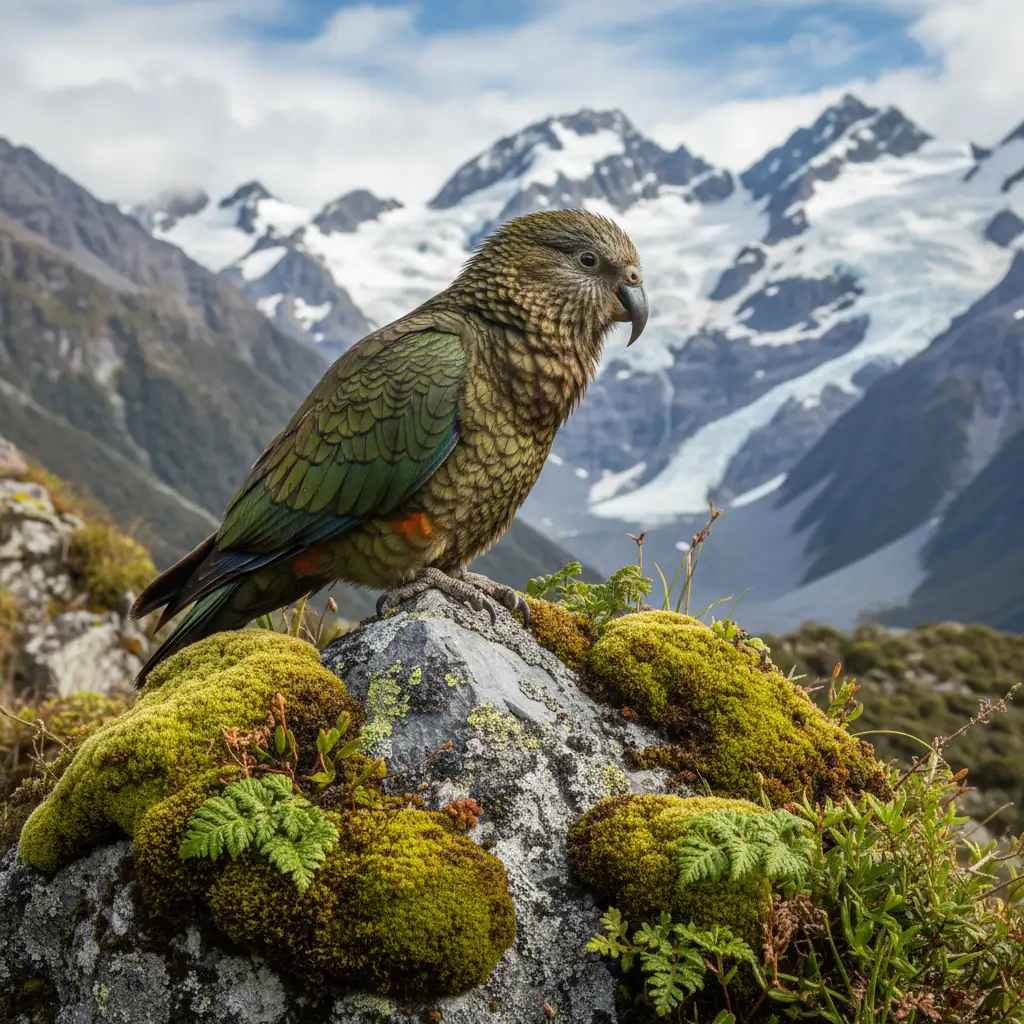
Kea parrot in New Zealand Southern Alps illustrating ethical distance
Conservation Science & Advocacy

Ethical Photography

Ethical wildlife photography is the practice of capturing images of animals in their natural environment while prioritizing the welfare of the subject and the preservation of their habitat above the image itself. It requires minimizing human impact, avoiding the disruption of natural behaviors, and adhering to conservation guidelines to ensure wildlife remains wild and undisturbed. […]
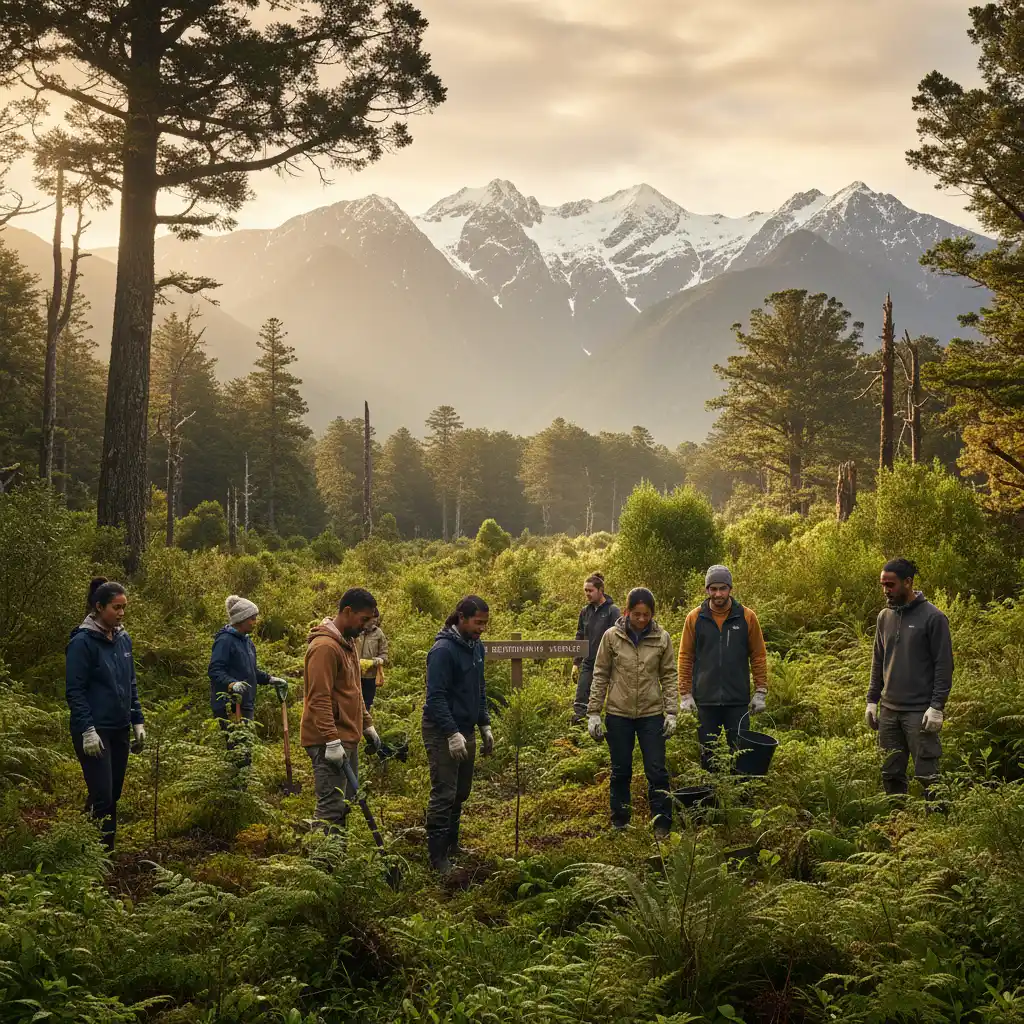
Travelers engaging in regenerative forestry in New Zealand
Conservation Science & Advocacy

Regenerative Travel

Regenerative travel is a holistic tourism paradigm that aims to leave a destination better than it was found. Unlike sustainable tourism, which seeks to minimize harm or maintain the status quo, the regenerative travel meaning focuses on net-positive impacts: actively restoring ecosystems, revitalizing local cultures, and injecting capital directly into community-led conservation economies. For decades,

DOC ranger rescuing an injured native Tui bird
Conservation Science & Advocacy

Injured Wildlife

New Zealand is home to some of the world’s most unique and vulnerable species, many of which are found nowhere else on Earth. When you encounter a native animal in distress, knowing exactly how to report injured wildlife in NZ is critical for its survival and the broader conservation efforts of the nation. To report

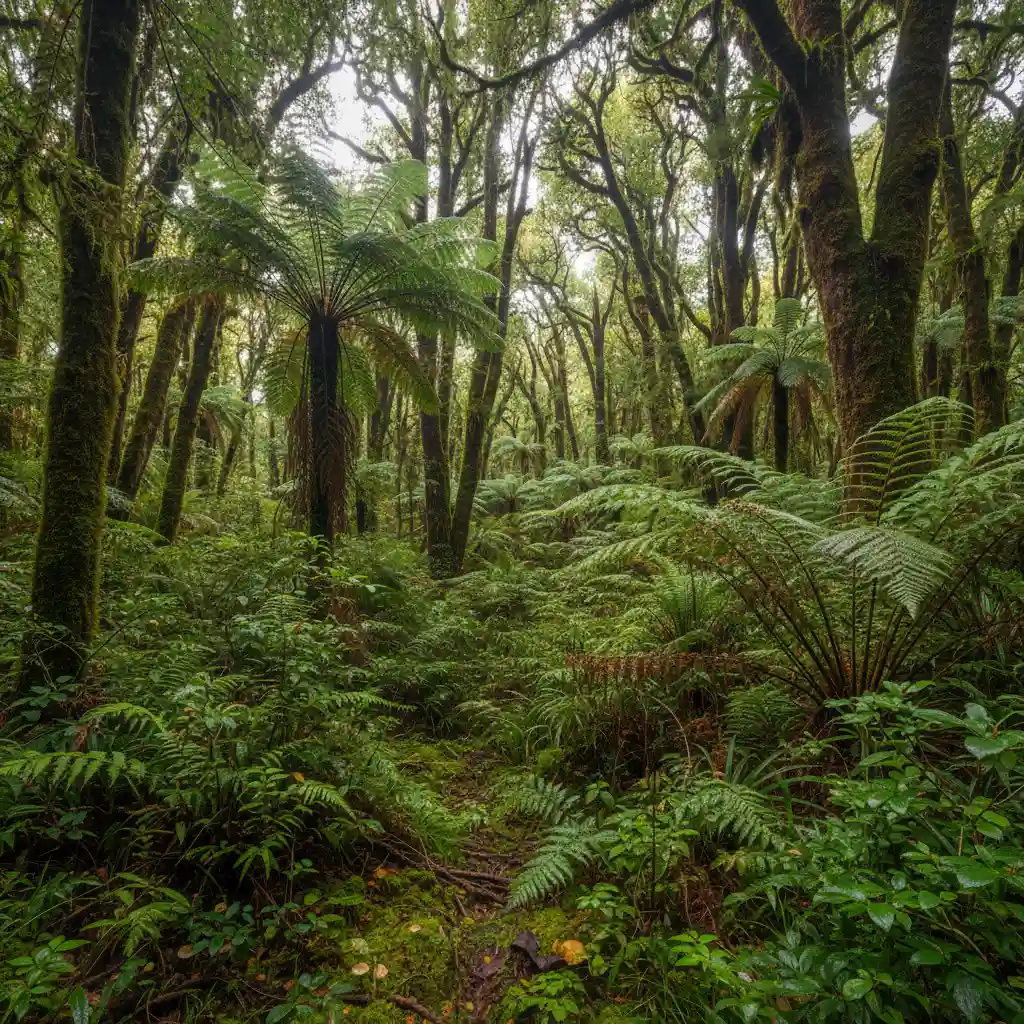
New Zealand native rainforest ecosystem
Conservation Science & Advocacy

Invasive Species Profiles

Invasive species in New Zealand are introduced flora and fauna that aggressively establish themselves, outcompeting native wildlife and destroying habitats. Due to NZ’s evolutionary isolation, its ecosystem is uniquely vulnerable to mammalian predators like possums, stoats, and rats, which threaten the survival of flightless birds and indigenous forests. Table of Contents The Fragile Balance of

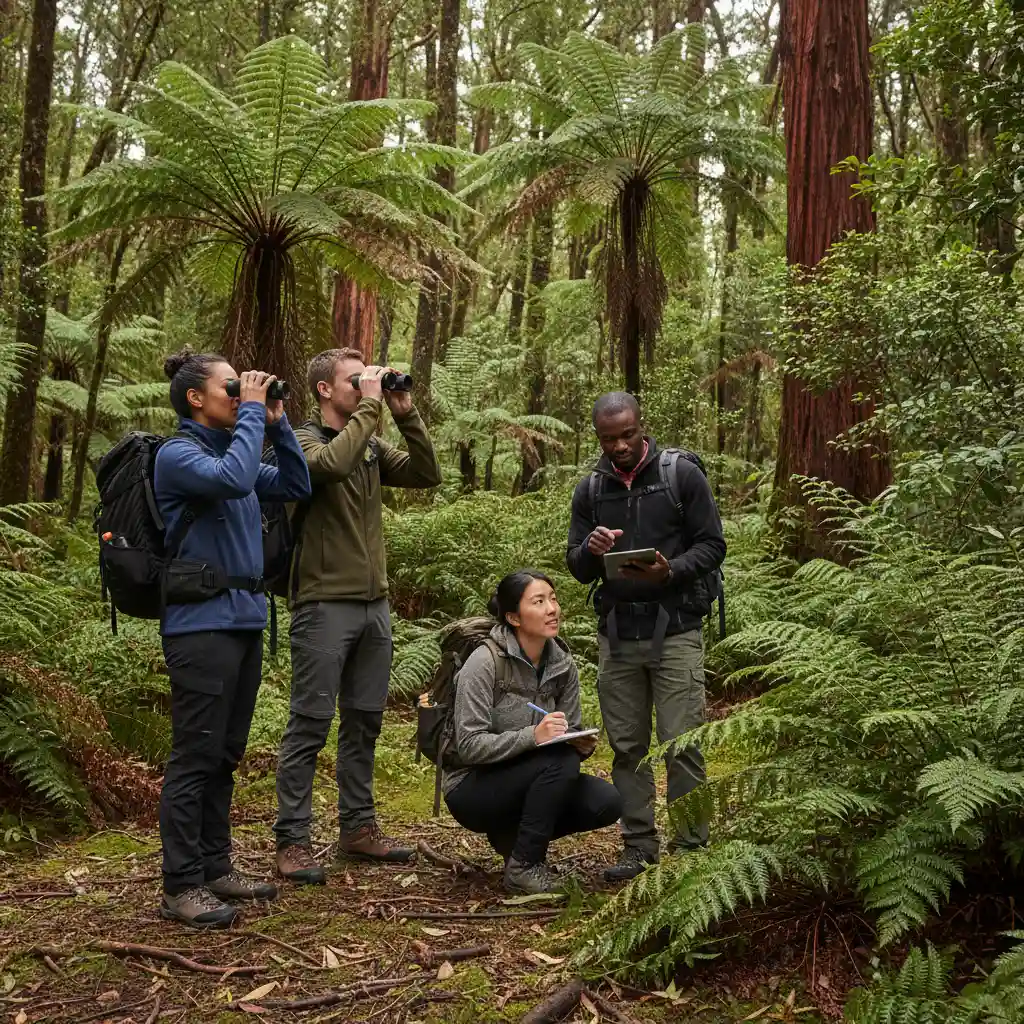
Group of volunteers participating in NZ citizen science projects in the bush
Conservation Science & Advocacy

Citizen Science

NZ citizen science projects are collaborative research initiatives where public volunteers collect data to support New Zealand’s conservation efforts. Participants contribute to biodiversity monitoring through platforms like iNaturalist NZ, the Great Kererū Count, and marine debris surveys, helping scientists track species distribution, pest density, and environmental health across Aotearoa. Table of Contents The Importance of

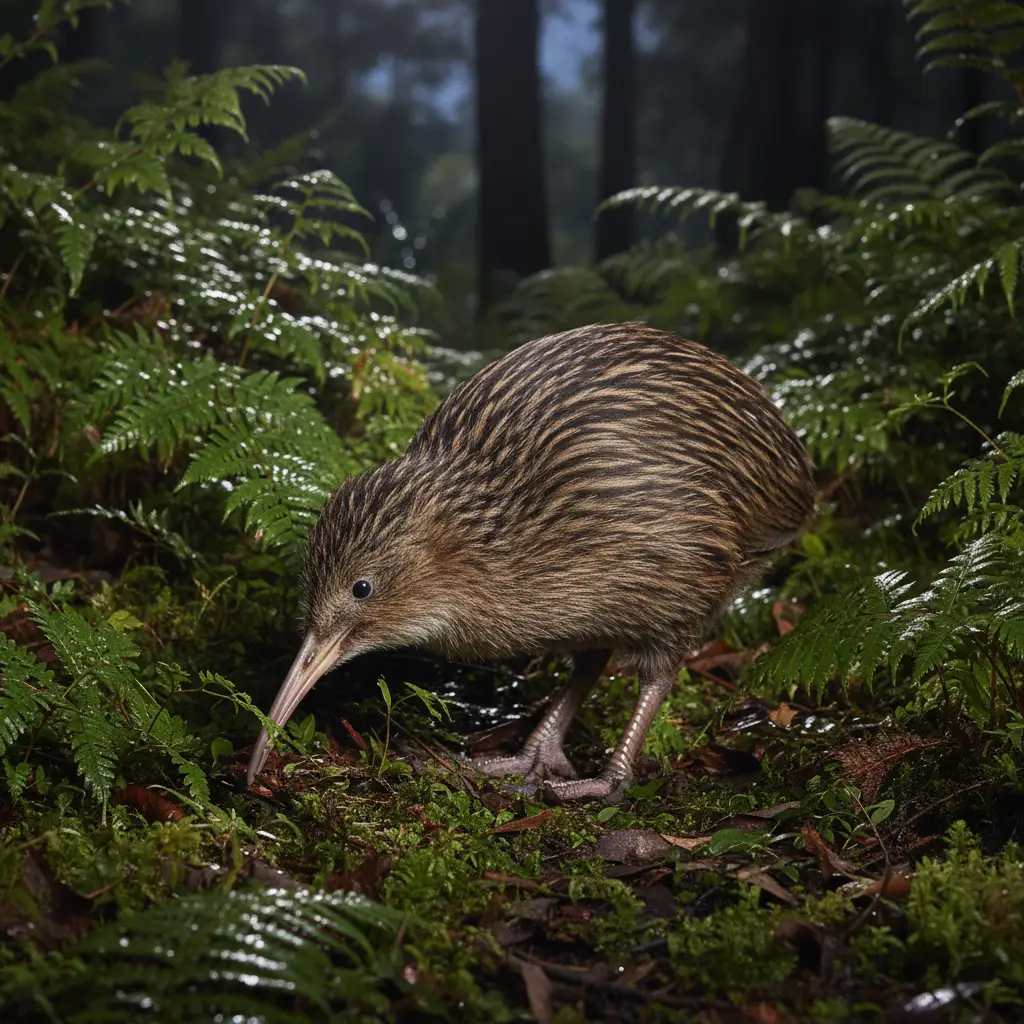
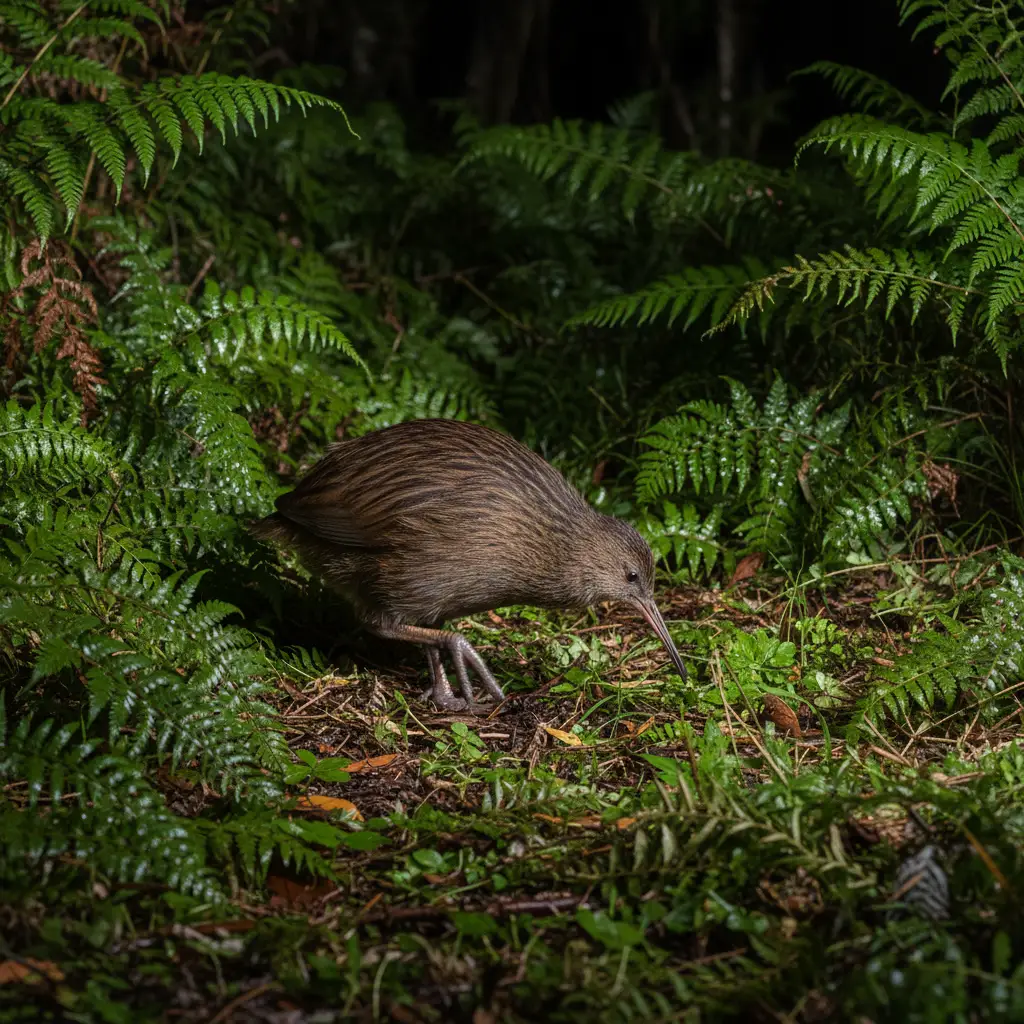
North Island Brown Kiwi foraging at night
Conservation Science & Advocacy

Donating to Recovery

To donate to kiwi conservation effectively, prioritize contributions to accredited national organizations like Save the Kiwi or Forest & Bird. You can support these initiatives through direct one-off donations, monthly sponsorships of predator-free hectares, or by virtually adopting a kiwi chick. These funds are critical for financing predator control traps, Operation Nest Egg incubation, and

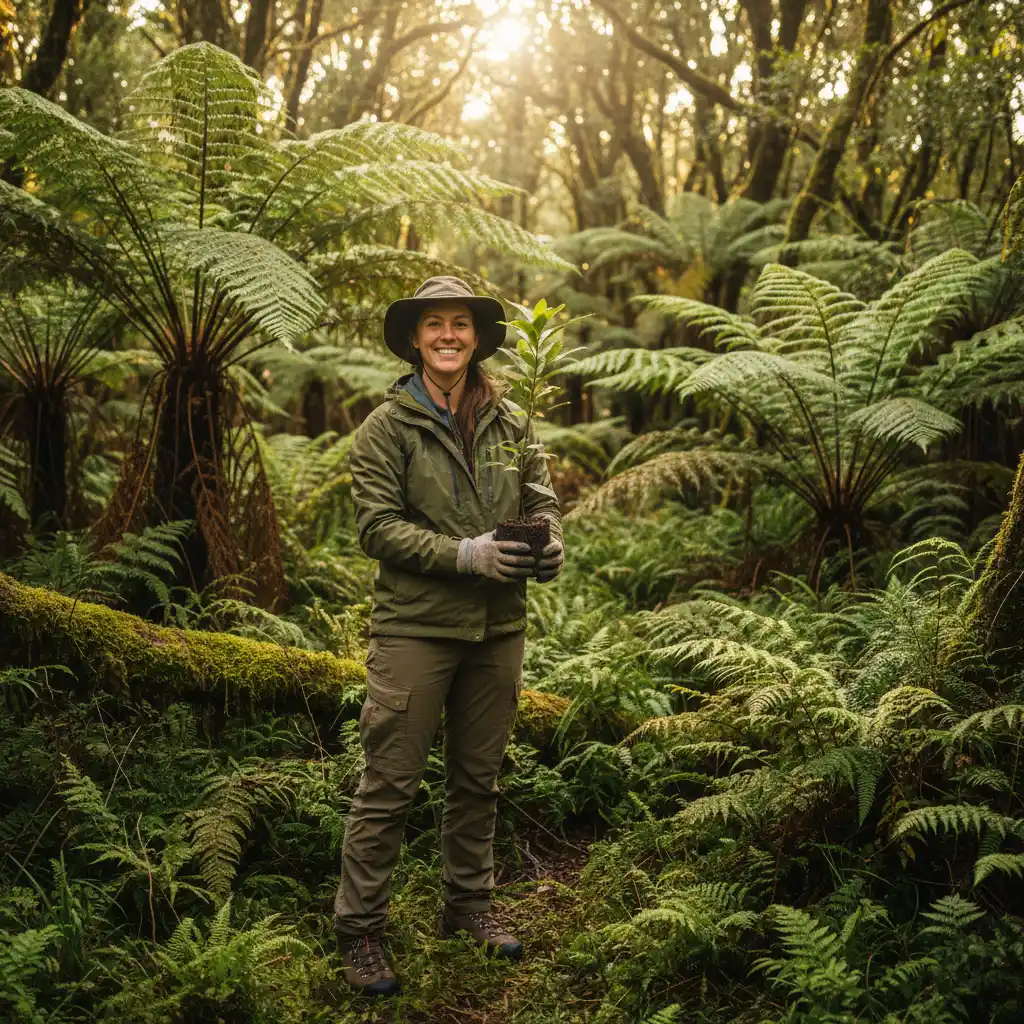
Volunteer holding a native seedling in a New Zealand forest
Conservation Science & Advocacy

Volunteering

To volunteer at a bird sanctuary in New Zealand, you must typically register with the Department of Conservation (DOC) or apply directly to community-led trusts like Zealandia or Tiritiri Matangi. Opportunities range from one-off tree planting days to long-term trap line maintenance, requiring varying levels of fitness, biosecurity adherence, and time commitment. New Zealand is

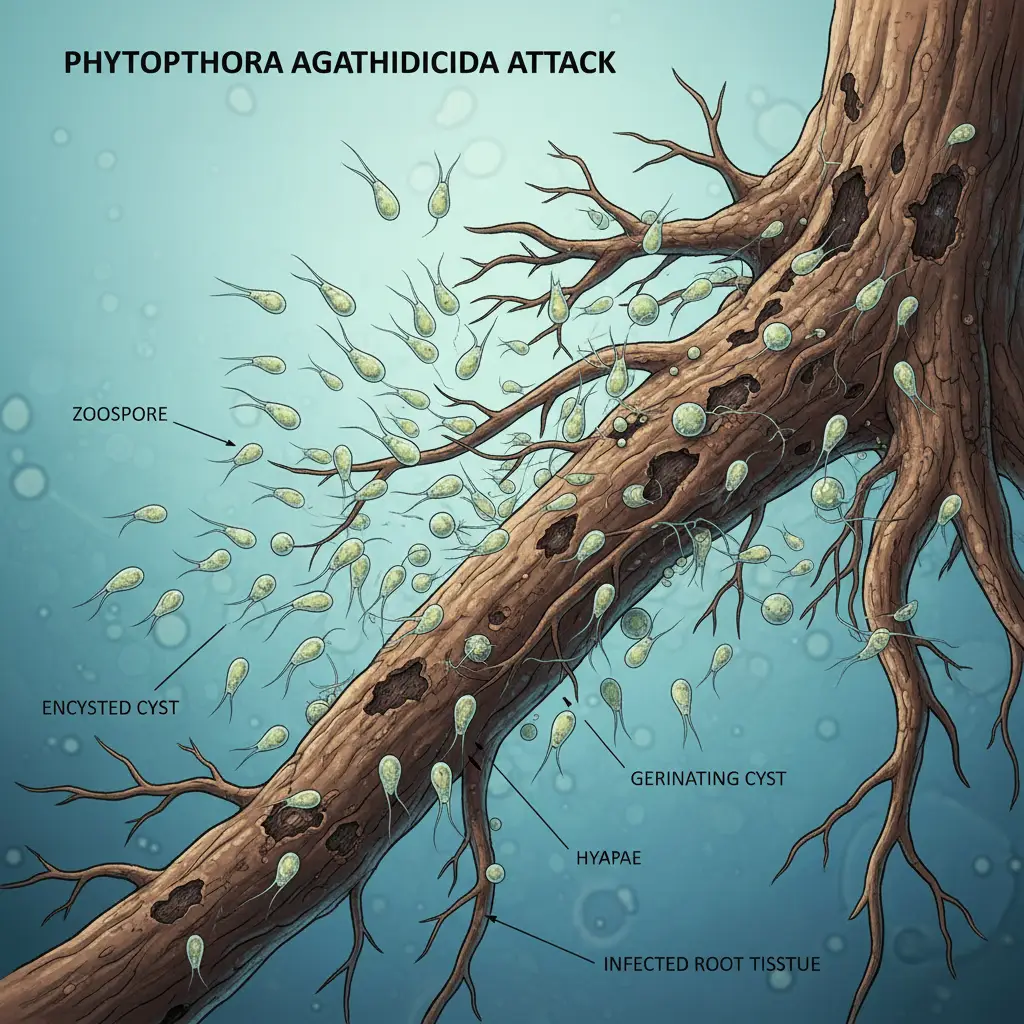
Microscopic illustration of Kauri Dieback spores attacking roots
Conservation Science & Advocacy

Kauri Dieback Disease

Kauri Dieback is a fatal condition caused by Phytophthora agathidicida, a microscopic soil-borne pathogen that attacks the roots of New Zealand’s kauri trees, damaging the tissues that transport nutrients and water. There is currently no known cure for this disease, which ultimately starves the tree, making strict biosecurity measures and hygiene protocols essential for the

A native North Island Brown Kiwi foraging in the bush
Conservation Science & Advocacy

Predator Free 2050

To support Predator Free 2050, individuals can engage in backyard trapping using humane devices like the Goodnature A24 or DOC200, volunteer with local community conservation hubs, and provide financial donations to regional predator-free trusts. Additionally, choosing eco-tourism operators that contribute to biodiversity restoration directly funds the eradication of possums, rats, and stoats. New Zealand’s ambitious

Conservation Science & Advocacy

Visiting Protocols & Biosecurity

Visiting pest-free islands rules mandate that all visitors thoroughly inspect and clean gear for seeds, soil, and pests prior to departure. Protocols include using disinfectant stations to prevent Kauri dieback, sealing bags to exclude rodents and Argentine ants, and adhering to strict food restrictions to protect New Zealand’s vulnerable native ecosystems. Table of Contents Why

Scroll to Top