Author name: Admin

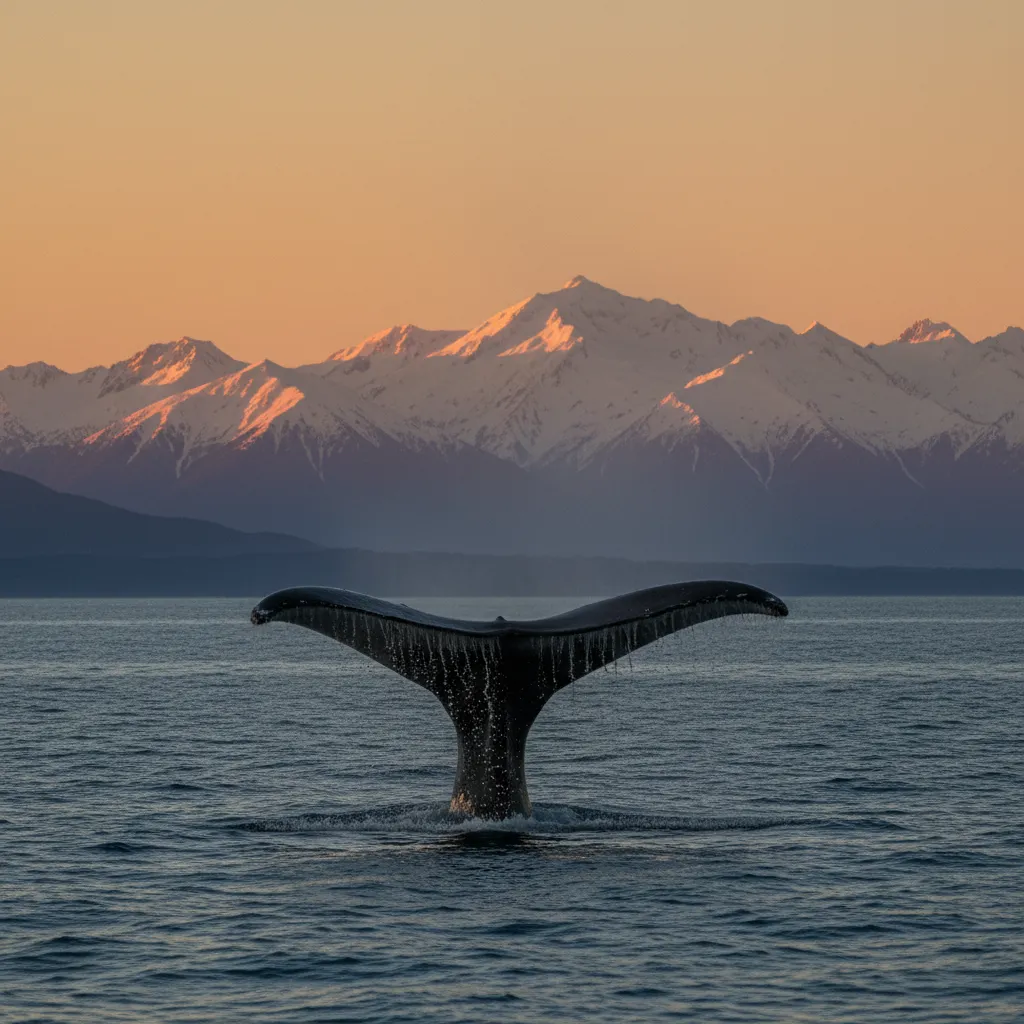
Sperm Whale diving with Kaikoura mountains in background
Blue Horizons: Marine Sanctuaries

Kaikoura Marine Canyon

The Kaikoura whale watching season is distinct globally because it operates year-round, anchored by a resident population of Giant Sperm Whales. While these deep-diving mammals are present 365 days a year, the ecosystem also hosts migratory Humpback Whales in winter (June-August) and Orca pods during summer (December-March), ensuring a diverse marine encounter regardless of when […]
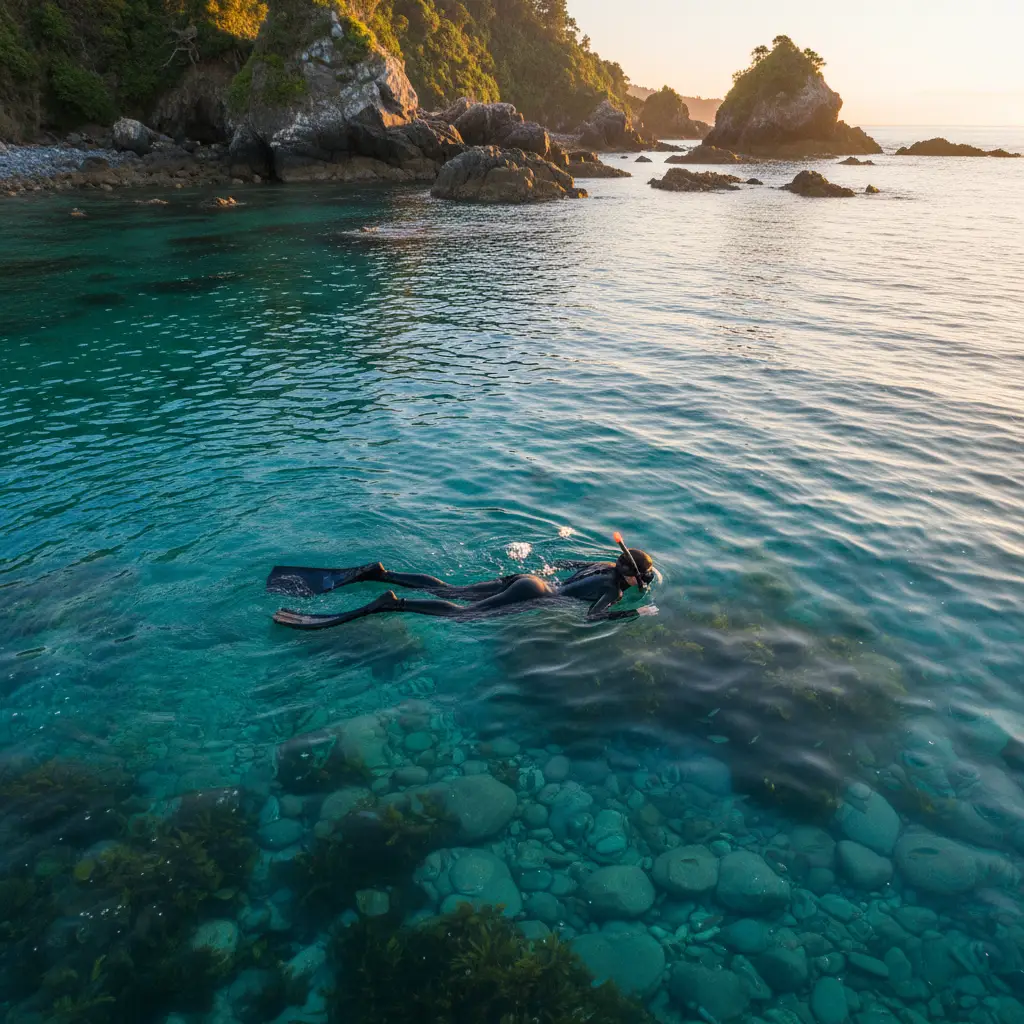
Snorkeler floating safely in New Zealand coastal waters
Blue Horizons: Marine Sanctuaries

Snorkeling Safety & Guidelines

Snorkeling guidelines in New Zealand encompass essential safety protocols and conservation rules designed to protect both swimmers and marine ecosystems. Key measures include utilizing the buddy system, wearing appropriate thermal protection like wetsuits for temperate waters, identifying rip currents, and adhering to strict no-touch policies to preserve fragile biodiversity. Table of Contents Core Principles of

Diver observing marine life in a New Zealand marine reserve without touching
Blue Horizons: Marine Sanctuaries

Marine Mammal Protection

The essential guidelines for visiting marine reserves in New Zealand center on a strict “look but don’t touch” policy to preserve biodiversity. Visitors must maintain a distance of at least 20 meters from seals and sea lions, reduce vessel speeds to “no wake” within 300 meters of marine mammals, and ensure no biological material or

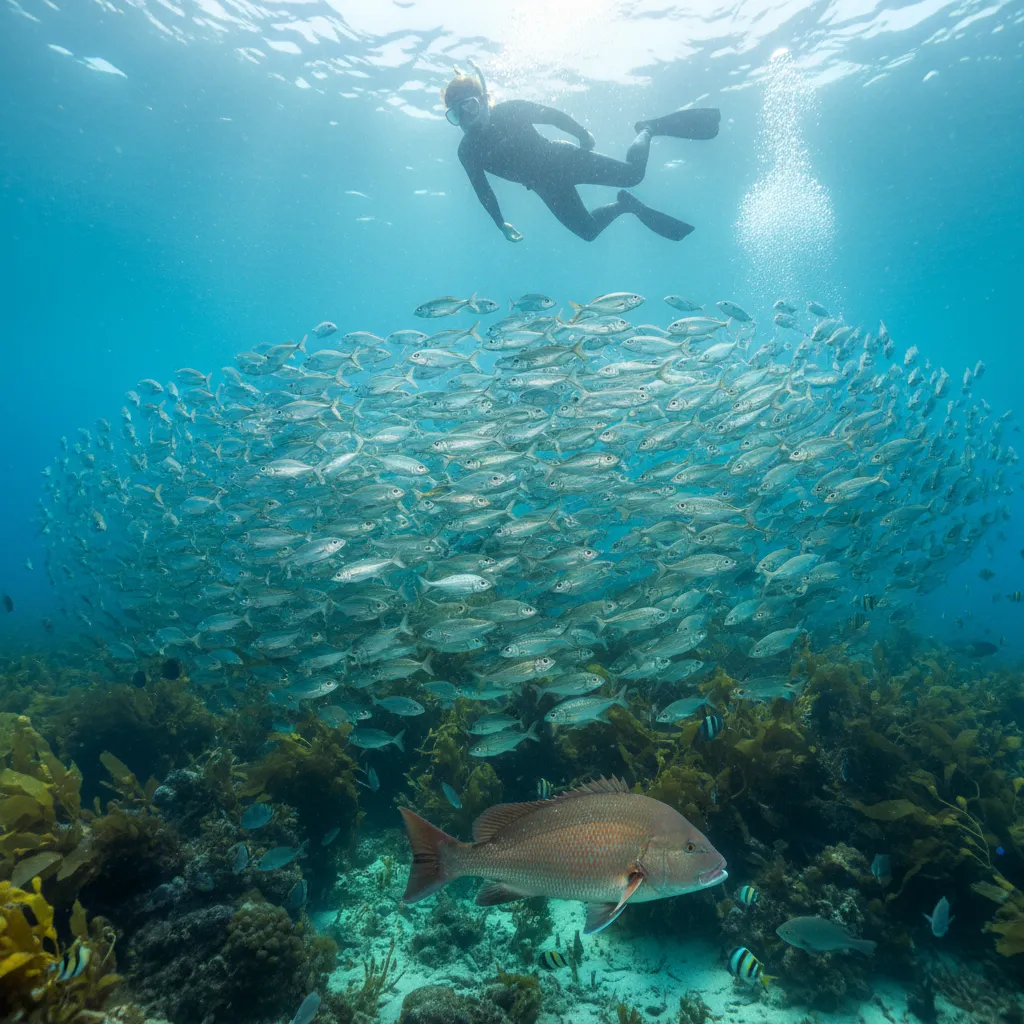
Snorkeler surrounded by snapper and marine life at Goat Island Marine Reserve
Blue Horizons: Marine Sanctuaries

Goat Island (Leigh)

Goat Island snorkeling offers a premier underwater experience in New Zealand’s Cape Rodney-Okakari Point Marine Reserve. Located near Leigh, this protected sanctuary allows swimmers to observe massive snapper, crayfish, and stingrays in their natural habitat. It provides accessible, crystal-clear waters perfect for beginners and advanced divers seeking a thriving, non-extractive marine ecosystem. Table of Contents

Aerial view of the rugged Poor Knights Islands Marine Reserve
Blue Horizons: Marine Sanctuaries

Poor Knights Islands

The Poor Knights Islands Marine Reserve is a world-renowned protected marine area located 23 kilometers off New Zealand’s Tutukaka Coast. Established to preserve unique subtropical biodiversity created by the East Auckland Current, it offers premier diving and snorkeling experiences featuring massive sea caves, including Riko Riko, and thriving ecosystems where landing on the islands is

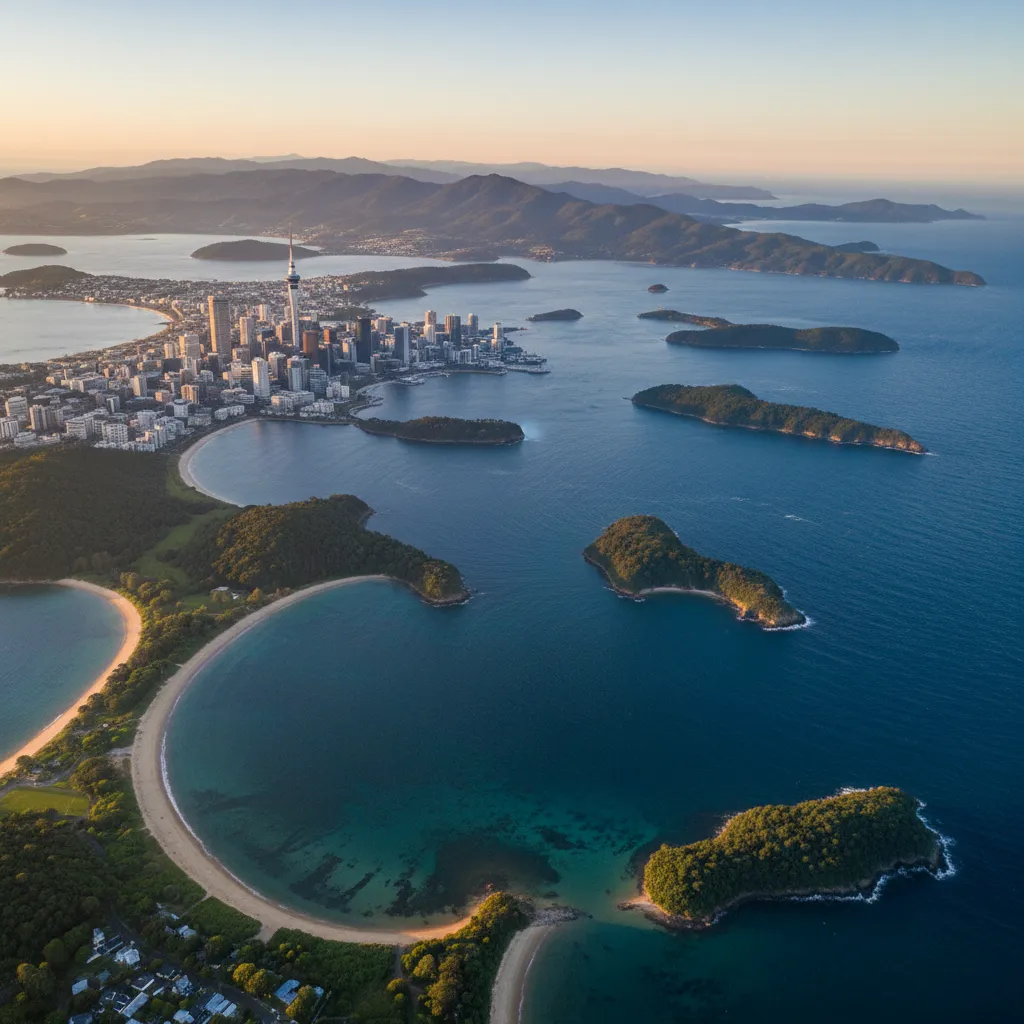
Aerial view of the Hauraki Gulf Marine Park showing islands and coastline
Blue Horizons: Marine Sanctuaries

Hauraki Gulf Marine Park

The Hauraki Gulf Marine Park is New Zealand’s first national park of the sea, encompassing 1.2 million hectares of ocean, islands, and catchments surrounding Auckland and the Coromandel Peninsula. Established in 2000, it protects a unique ecosystem rich in biodiversity, including rare seabirds and resident marine mammals, balancing conservation with recreational and economic activities. Table

Conservation Science & Advocacy

Visiting Protocols & Biosecurity

Visiting pest-free islands rules mandate that all visitors thoroughly inspect and clean gear for seeds, soil, and pests prior to departure. Protocols include using disinfectant stations to prevent Kauri dieback, sealing bags to exclude rodents and Argentine ants, and adhering to strict food restrictions to protect New Zealand’s vulnerable native ecosystems. Table of Contents Why

New Zealand predator proof fence structure in native forest
Conservation Science & Advocacy

Predator-Free Fences Explained

Predator-proof fences work by creating a sealed physical barrier designed to exclude specific mammalian pests. They utilize fine-gauge stainless steel mesh to block entry, a curved top hood to prevent climbing, and a buried underground skirt to stop burrowing. This multi-layered design effectively creates mainland islands where native biodiversity can thrive without predation. New Zealand

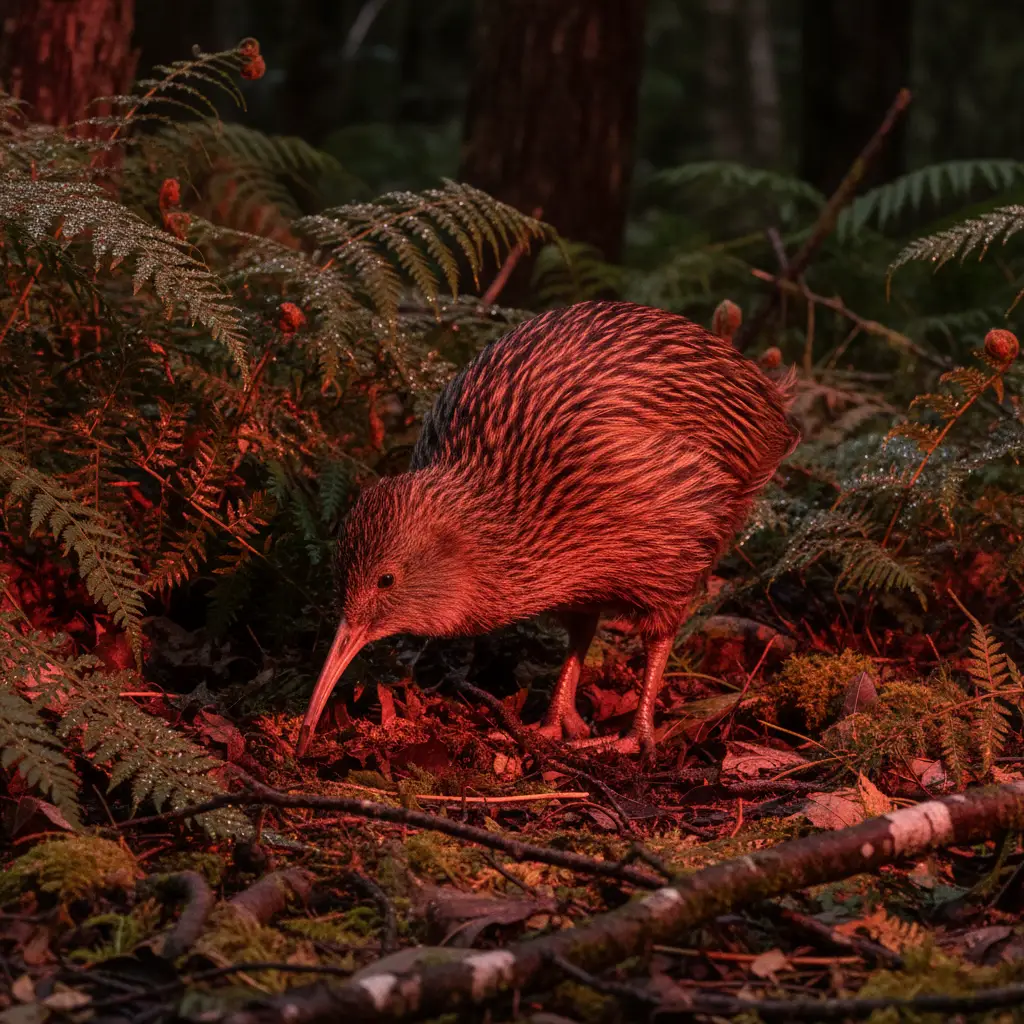
North Island Brown Kiwi foraging in Northland native bush
Nocturnal Wildlife Encounters

Northland Kiwi Zones

The best places to see kiwi in Northland include the Aroha Island Ecological Centre, Trounson Kauri Park, and the Whangārei Heads peninsula. Unlike other regions, such as Ulva Island (Te Wharawhara), Northland offers unique opportunities to spot wild North Island Brown Kiwi in semi-rural ‘backyard’ zones and protected reserves, thanks to extensive community-led predator control

Chatham Island Black Robin perched on a branch
Terrestrial Refuges: Forests & Islands

Chatham Islands Endemics

Chatham Islands birds are a unique collection of endemic avian species found 800 kilometers east of New Zealand. This remote archipelago hosts some of the world’s rarest birds, including the Black Robin and the Parea. Evolution in isolation has produced distinct biological traits, making the islands a global priority for conservation and eco-tourism. The Black

Scroll to Top