Author name: Admin

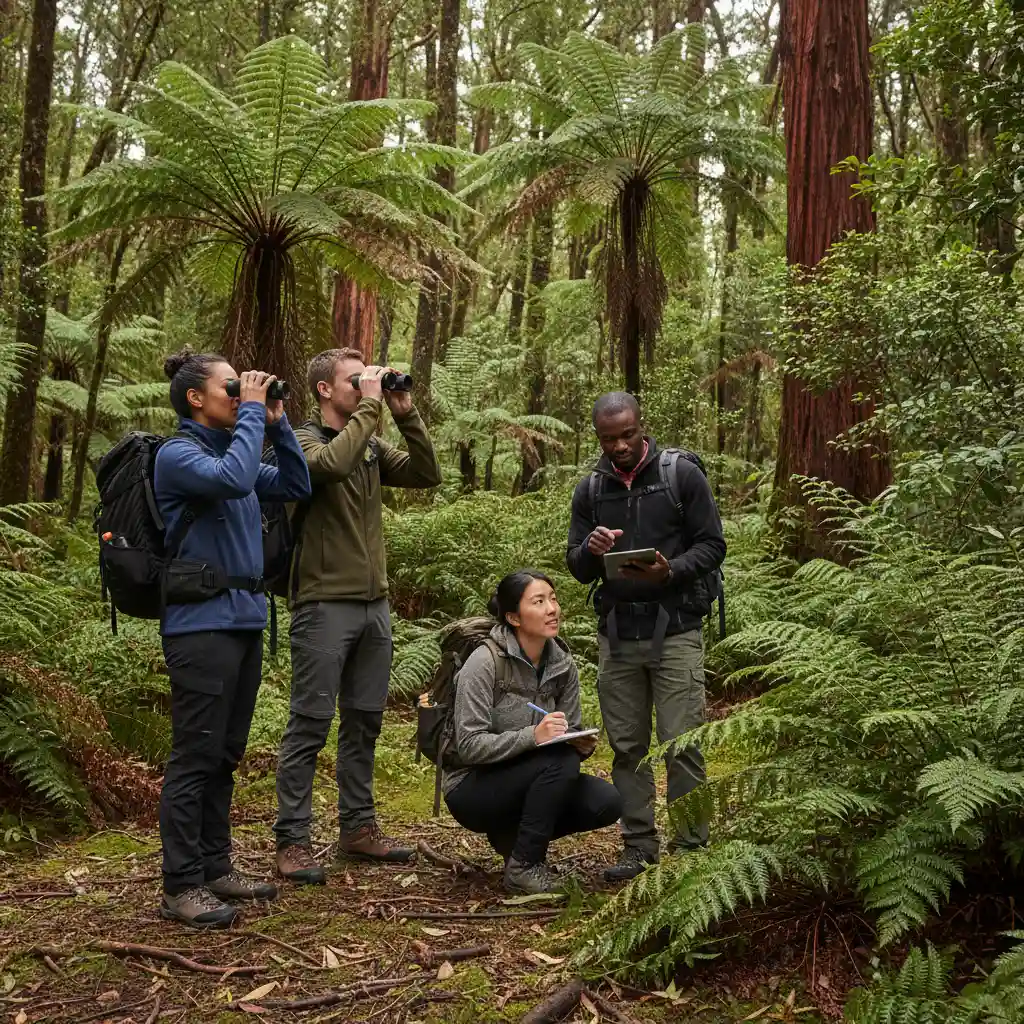
Group of volunteers participating in NZ citizen science projects in the bush
Conservation Science & Advocacy

Citizen Science

NZ citizen science projects are collaborative research initiatives where public volunteers collect data to support New Zealand’s conservation efforts. Participants contribute to biodiversity monitoring through platforms like iNaturalist NZ, the Great Kererū Count, and marine debris surveys, helping scientists track species distribution, pest density, and environmental health across Aotearoa. Table of Contents The Importance of […]
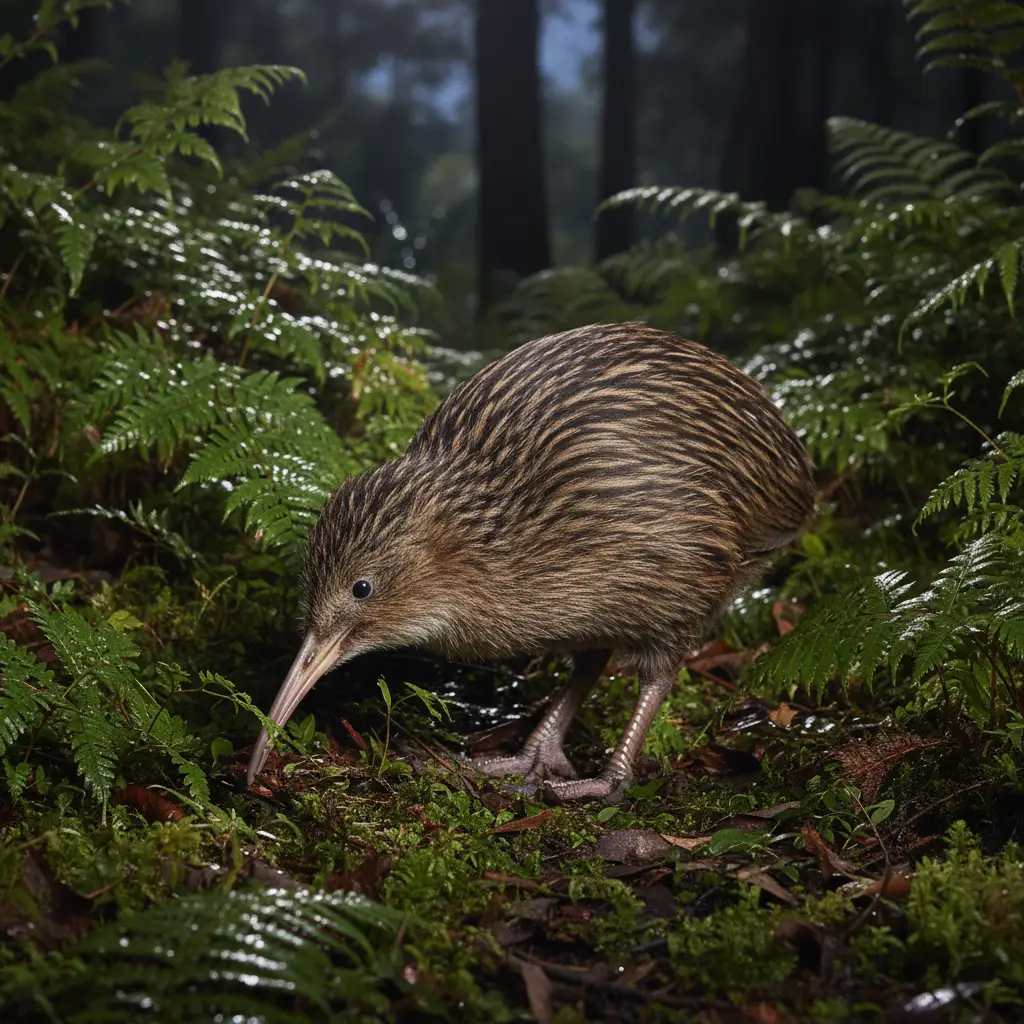
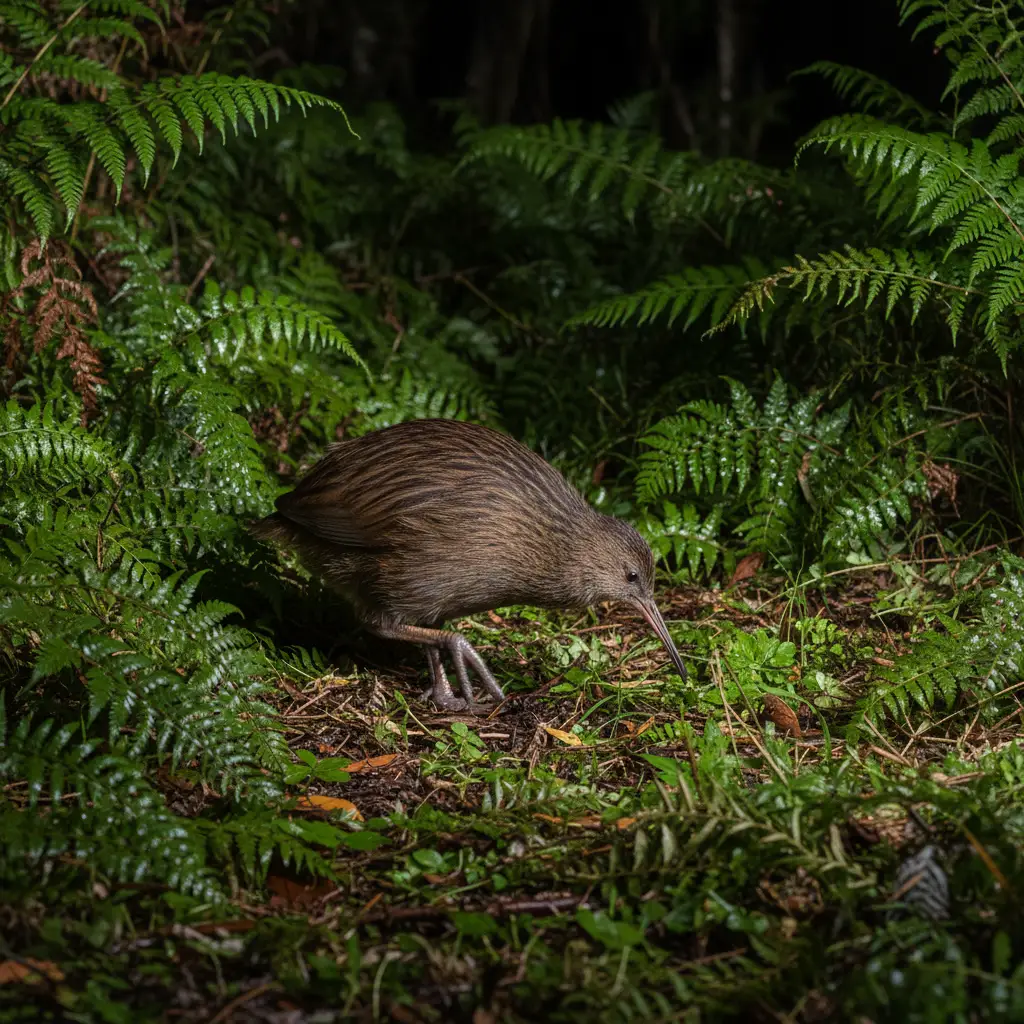
North Island Brown Kiwi foraging at night
Conservation Science & Advocacy

Donating to Recovery

To donate to kiwi conservation effectively, prioritize contributions to accredited national organizations like Save the Kiwi or Forest & Bird. You can support these initiatives through direct one-off donations, monthly sponsorships of predator-free hectares, or by virtually adopting a kiwi chick. These funds are critical for financing predator control traps, Operation Nest Egg incubation, and

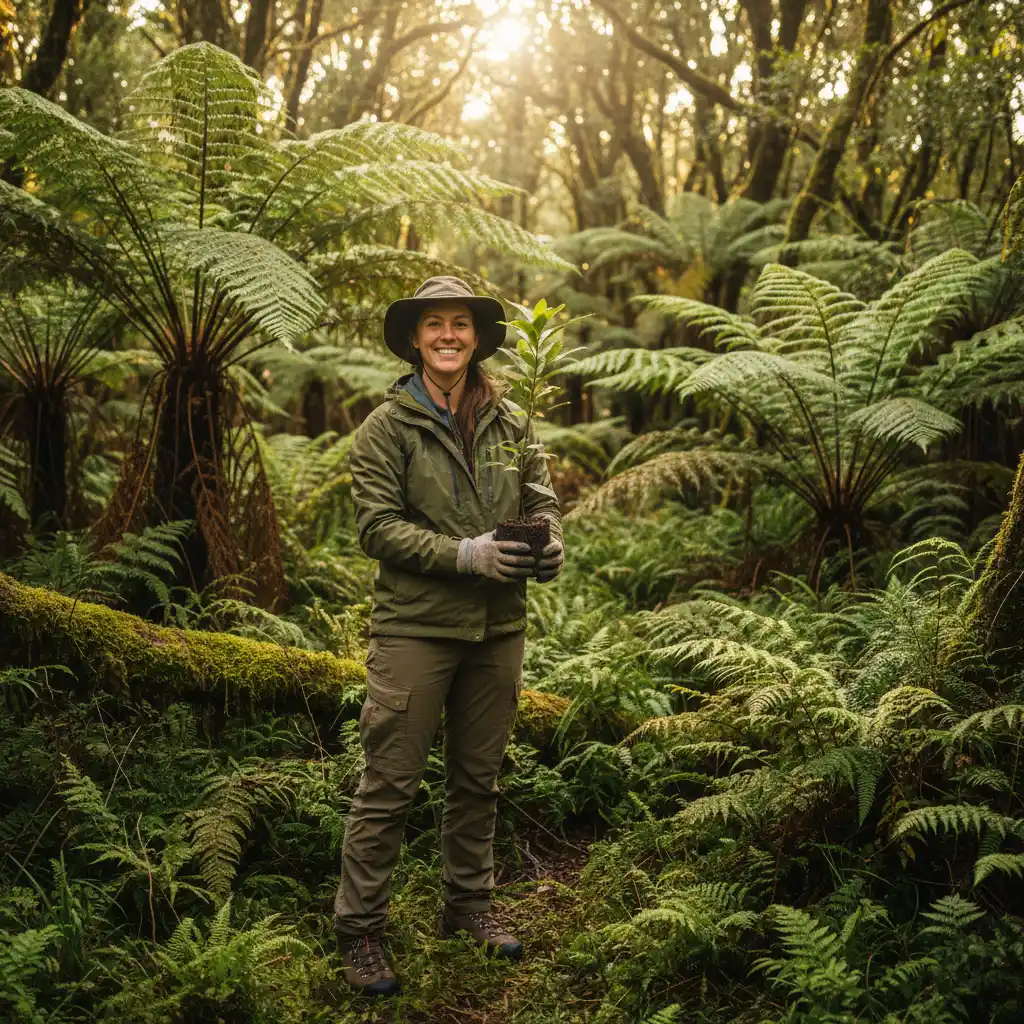
Volunteer holding a native seedling in a New Zealand forest
Conservation Science & Advocacy

Volunteering

To volunteer at a bird sanctuary in New Zealand, you must typically register with the Department of Conservation (DOC) or apply directly to community-led trusts like Zealandia or Tiritiri Matangi. Opportunities range from one-off tree planting days to long-term trap line maintenance, requiring varying levels of fitness, biosecurity adherence, and time commitment. New Zealand is

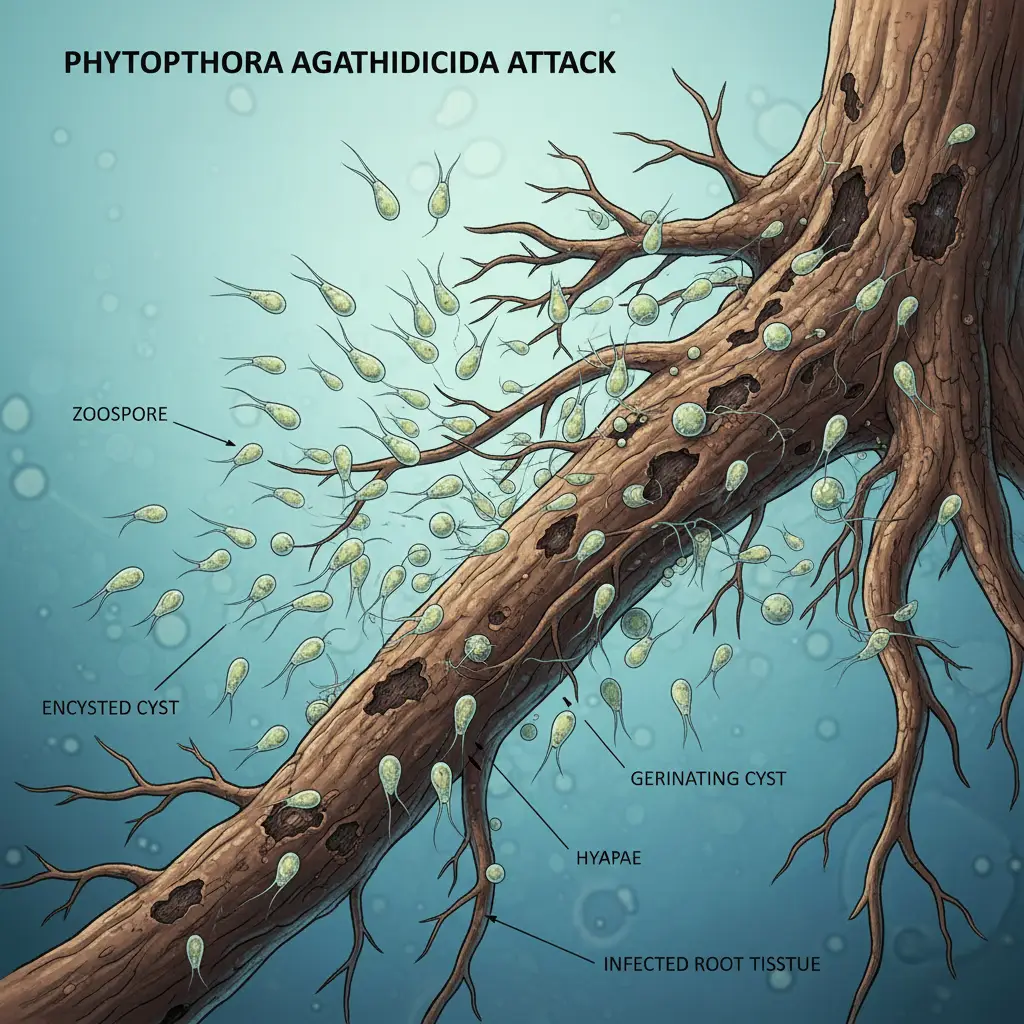
Microscopic illustration of Kauri Dieback spores attacking roots
Conservation Science & Advocacy

Kauri Dieback Disease

Kauri Dieback is a fatal condition caused by Phytophthora agathidicida, a microscopic soil-borne pathogen that attacks the roots of New Zealand’s kauri trees, damaging the tissues that transport nutrients and water. There is currently no known cure for this disease, which ultimately starves the tree, making strict biosecurity measures and hygiene protocols essential for the

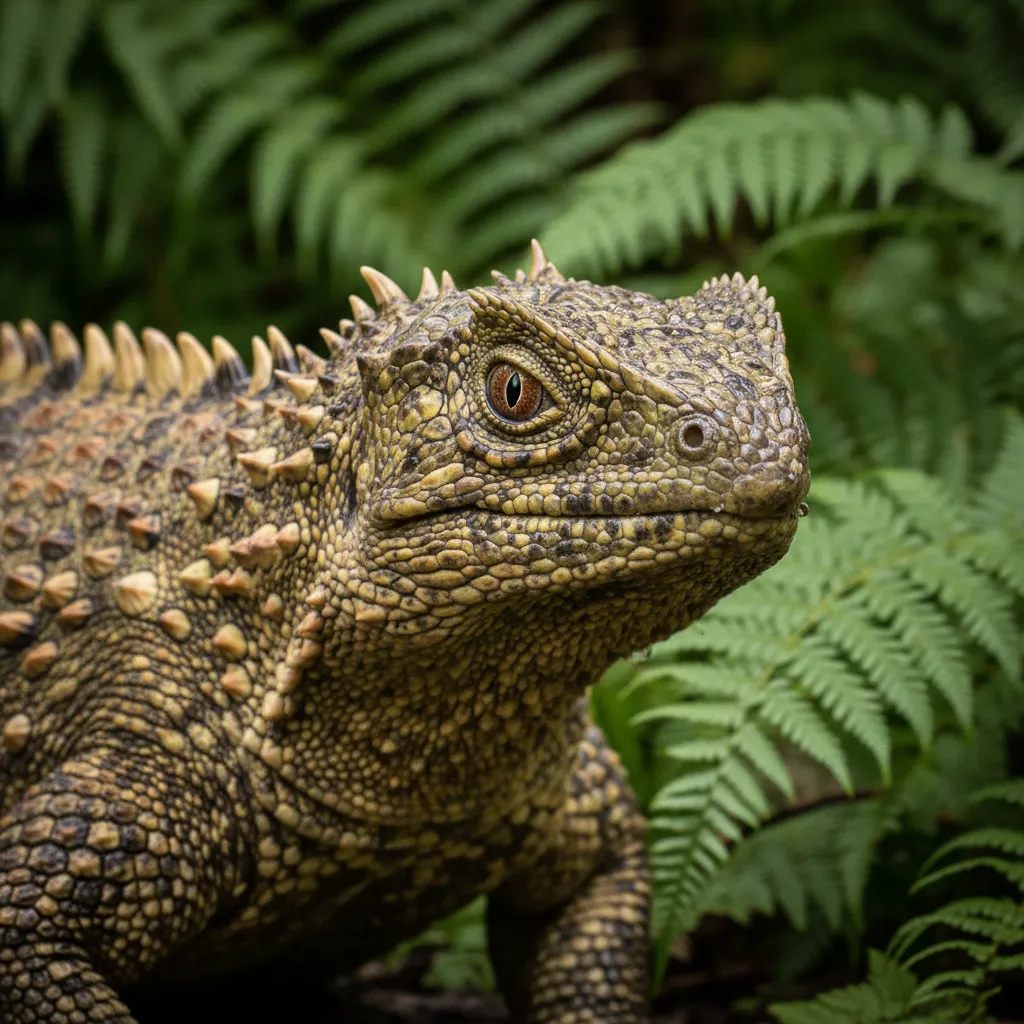
Close up of a Tuatara showing its spiny back crest
Terrestrial Refuges: Forests & Islands

Tuatara: Living Fossils

The tuatara is a unique reptile endemic to New Zealand and the sole survivor of the order Rhynchocephalia, which originated 250 million years ago. Key tuatara facts include their distinct skeletal structure, the presence of a light-sensitive parietal ‘third eye,’ and extreme longevity, often exceeding 100 years in the wild. Table of Contents What is

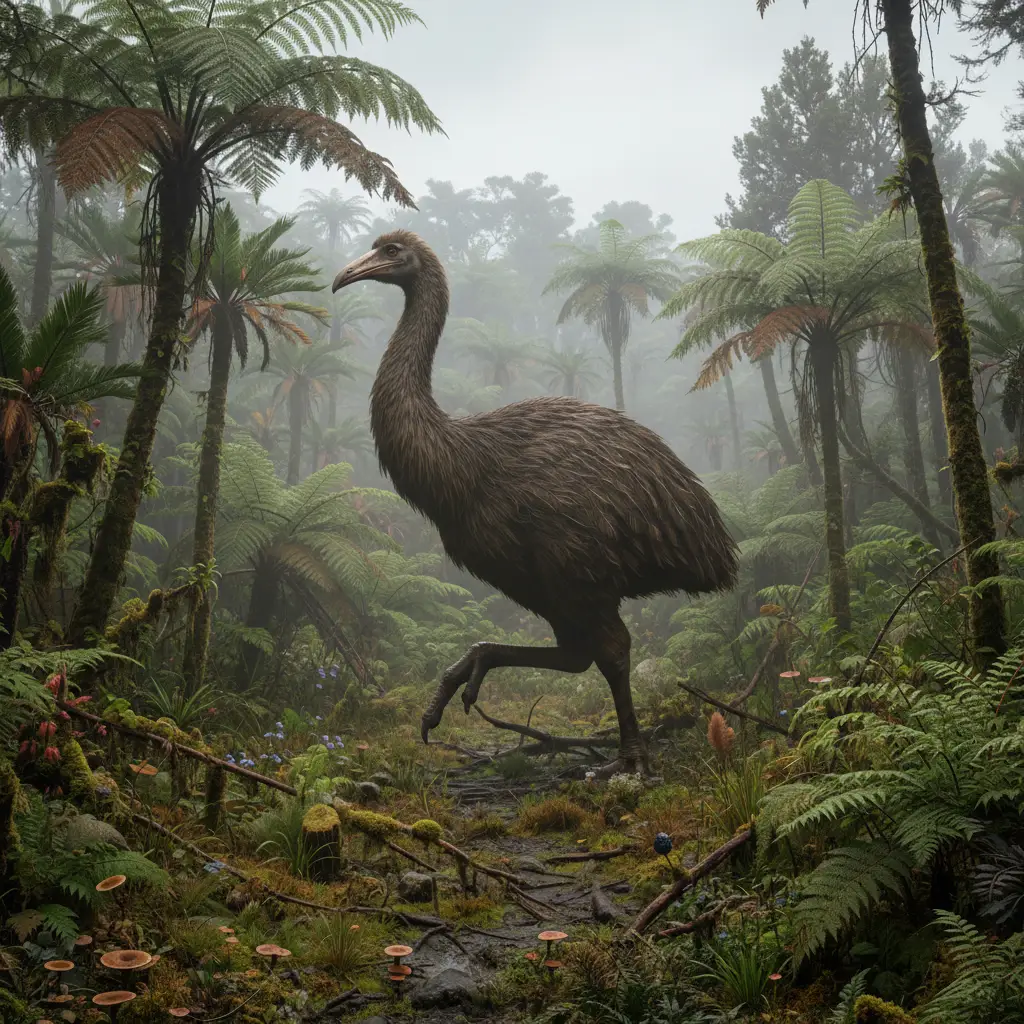
Prehistoric New Zealand landscape with Moa
Terrestrial Refuges: Forests & Islands

Flightless Evolution

New Zealand birds became flightless primarily due to millions of years of evolution in geographic isolation without terrestrial mammal predators. In this safe environment, flight—an energy-expensive adaptation—became unnecessary. Consequently, ground-dwelling species evolved to be larger and heavier, filling ecological niches usually occupied by mammals elsewhere. Table of Contents Evolution in Isolation: The Gondwana Split The

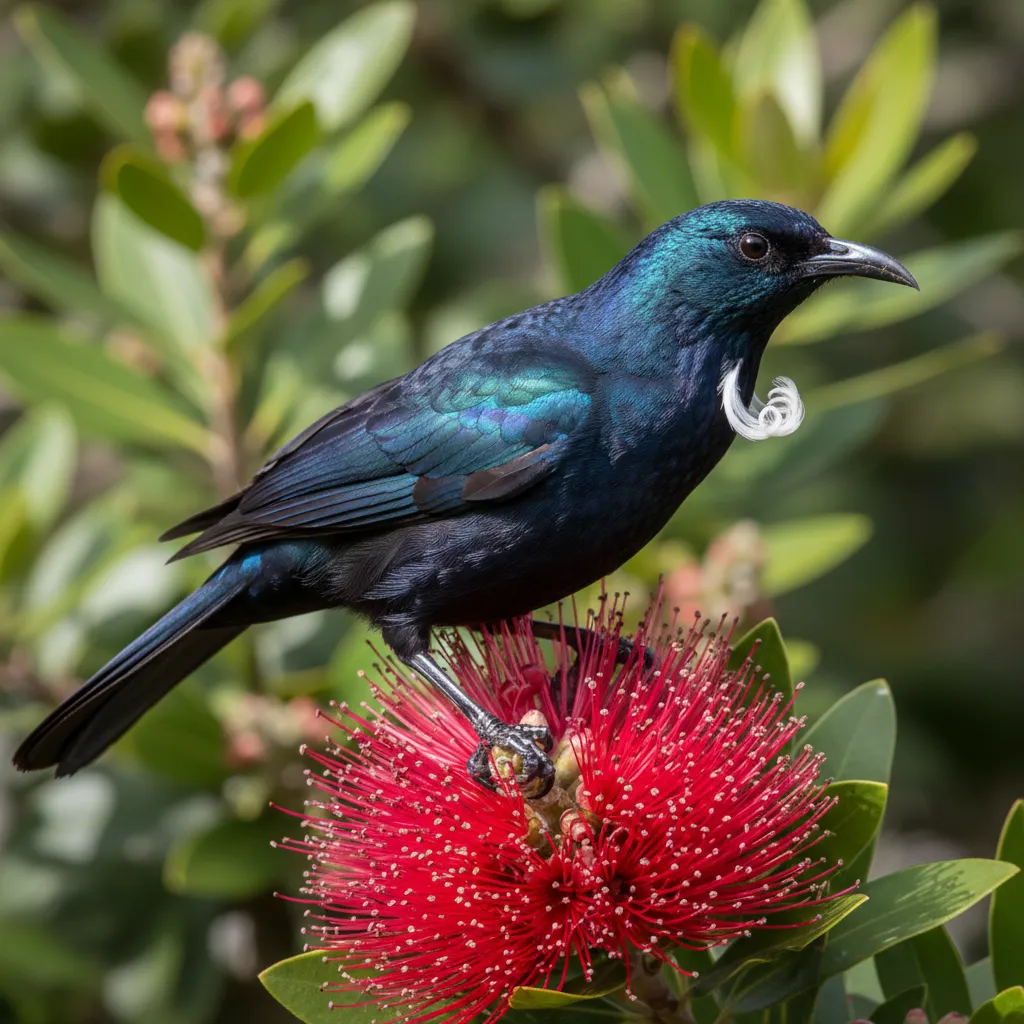
Tui bird feeding on nectar in a New Zealand forest
Terrestrial Refuges: Forests & Islands

Native Bird ID

Native birds of Aotearoa encompass a diverse collection of avian species unique to New Zealand, ranging from the flightless, nocturnal Kiwi to the melodic Tui. Many of these species are endemic, having evolved in isolation for 80 million years, resulting in distinct biological traits not found anywhere else on Earth. New Zealand is often referred

A native North Island Brown Kiwi foraging in the bush
Conservation Science & Advocacy

Predator Free 2050

To support Predator Free 2050, individuals can engage in backyard trapping using humane devices like the Goodnature A24 or DOC200, volunteer with local community conservation hubs, and provide financial donations to regional predator-free trusts. Additionally, choosing eco-tourism operators that contribute to biodiversity restoration directly funds the eradication of possums, rats, and stoats. New Zealand’s ambitious

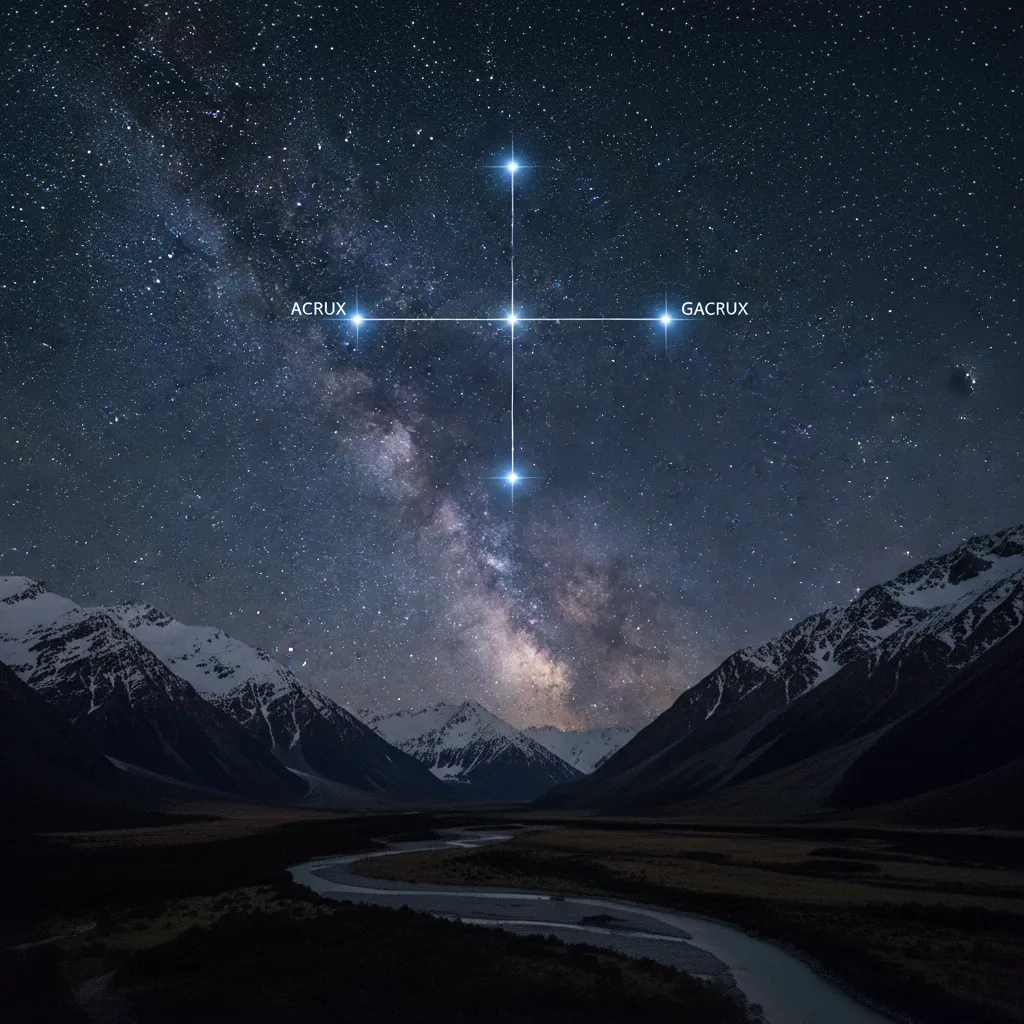
The Southern Cross constellation visible over New Zealand mountains
Celestial Heritage: Dark Skies

Southern Cross Navigation

To find south using the Southern Cross, locate the constellation Crux and the two bright “Pointer” stars (Alpha and Beta Centauri). Imagine a straight line extending from the long axis of the cross. Next, draw an imaginary perpendicular bisector from the line connecting the two Pointers. The point where these two imaginary lines intersect marks

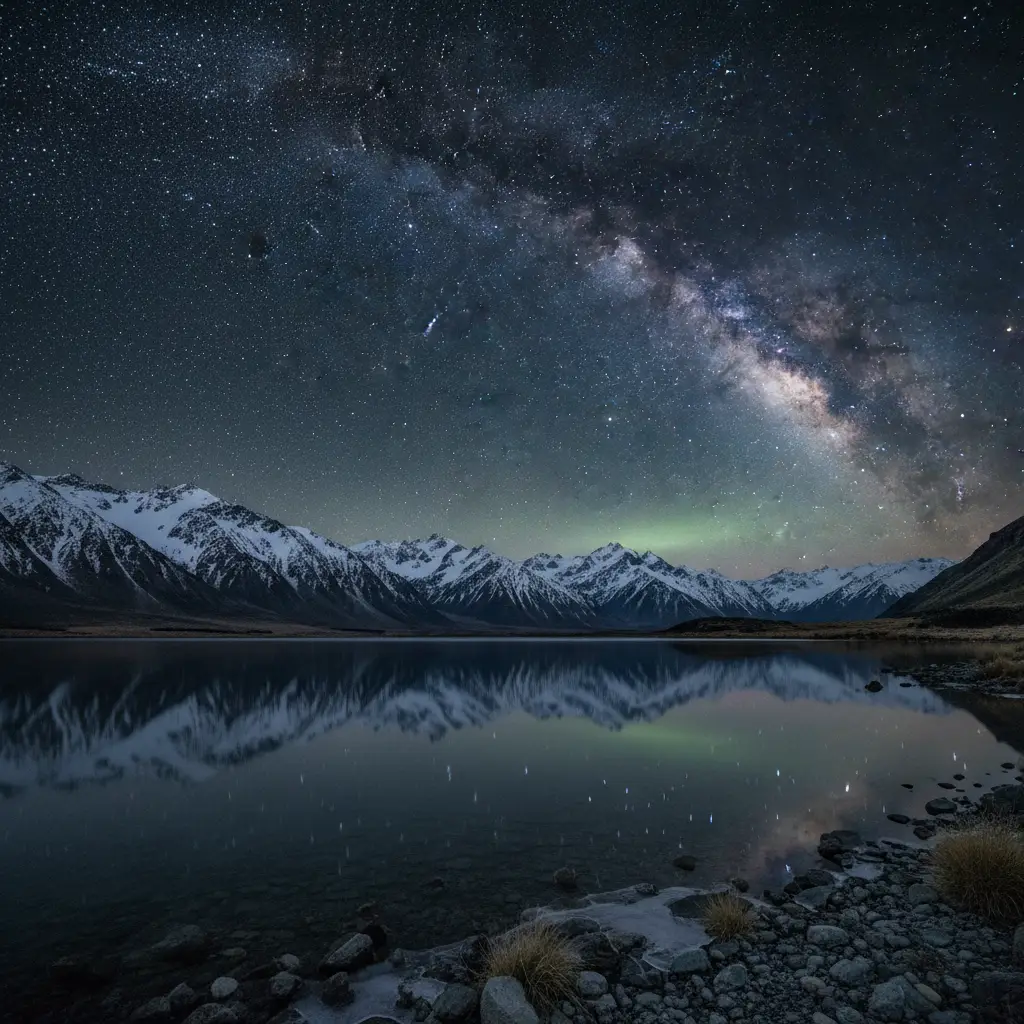
Milky Way arching over New Zealand Southern Alps in winter
Celestial Heritage: Dark Skies

Winter Stargazing

Winter stargazing in New Zealand offers the premier astronomical experience due to long, dark nights and the visibility of the Milky Way’s galactic core. The crisp, stable winter air minimizes atmospheric distortion, while the Matariki cluster rises, marking the Māori New Year, making June through August the optimal viewing season. Table of Contents Why Winter

Scroll to Top