The best places to see kiwi in Northland include the Aroha Island Ecological Centre, Trounson Kauri Park, and the Whangārei Heads peninsula. Unlike other regions, such as Ulva Island (Te Wharawhara), Northland offers unique opportunities to spot wild North Island Brown Kiwi in semi-rural ‘backyard’ zones and protected reserves, thanks to extensive community-led predator control and Donating to Recovery conservation efforts.
Northland, New Zealand, stands as a global beacon for community conservation. It is one of the few places on Earth where the iconic kiwi bird is not merely a ghost in deep, inaccessible forests, but a neighbor living in coastal scrub, farmland, and residential backyards. For eco-tourists and wildlife enthusiasts, understanding where to see kiwi in Northland requires navigating a network of dedicated sanctuaries and understanding the delicate etiquette required to observe these nocturnal treasures without harming them.
Why Northland is the Kiwi Stronghold
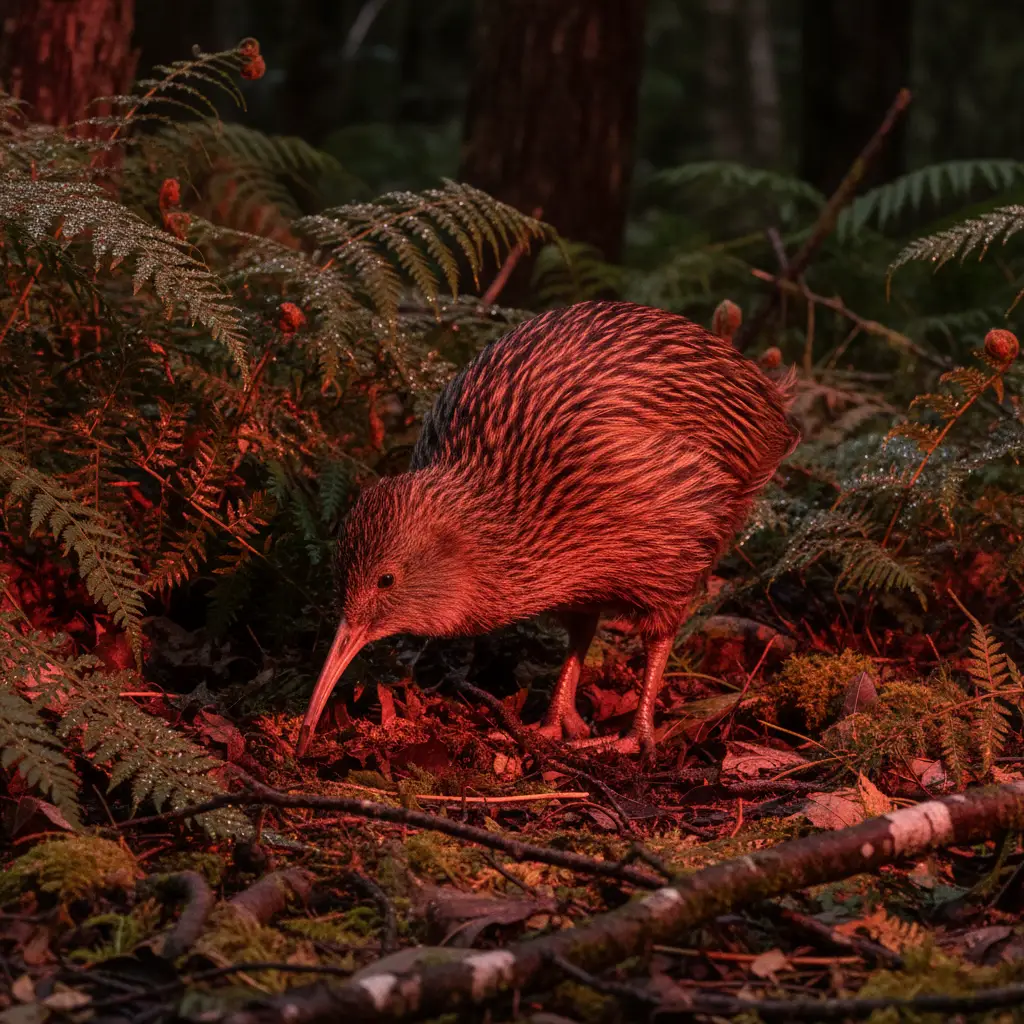
To understand where to see kiwi in Northland, one must first understand the unique ecological landscape of the region. Northland is the primary home of the North Island Brown Kiwi (Apteryx mantelli). This species is known for being more resilient and adaptable than its cousins in the South Island. While they prefer dense subtropical rainforests, they have adapted surprisingly well to scrubland, rough farmland, and pine plantations.
The high density of kiwi in this region is not an accident of nature, but the result of decades of intensive labor. Northland features a patchwork of Department of Conservation (DOC) land and private land protected by Landcare groups. These groups manage extensive trapping networks to suppress stoats, ferrets, and feral cats, allowing kiwi chick survival rates to soar from a natural 5% to over 60% in managed areas.
Top Locations to Spot Wild Kiwi
While kiwi are present throughout the region, specific zones offer higher probabilities of sighting due to accessibility and population density. Unlike zoos or nocturnal houses, these are wild environments where sightings are never guaranteed but are highly rewarding.
Aroha Island Ecological Center
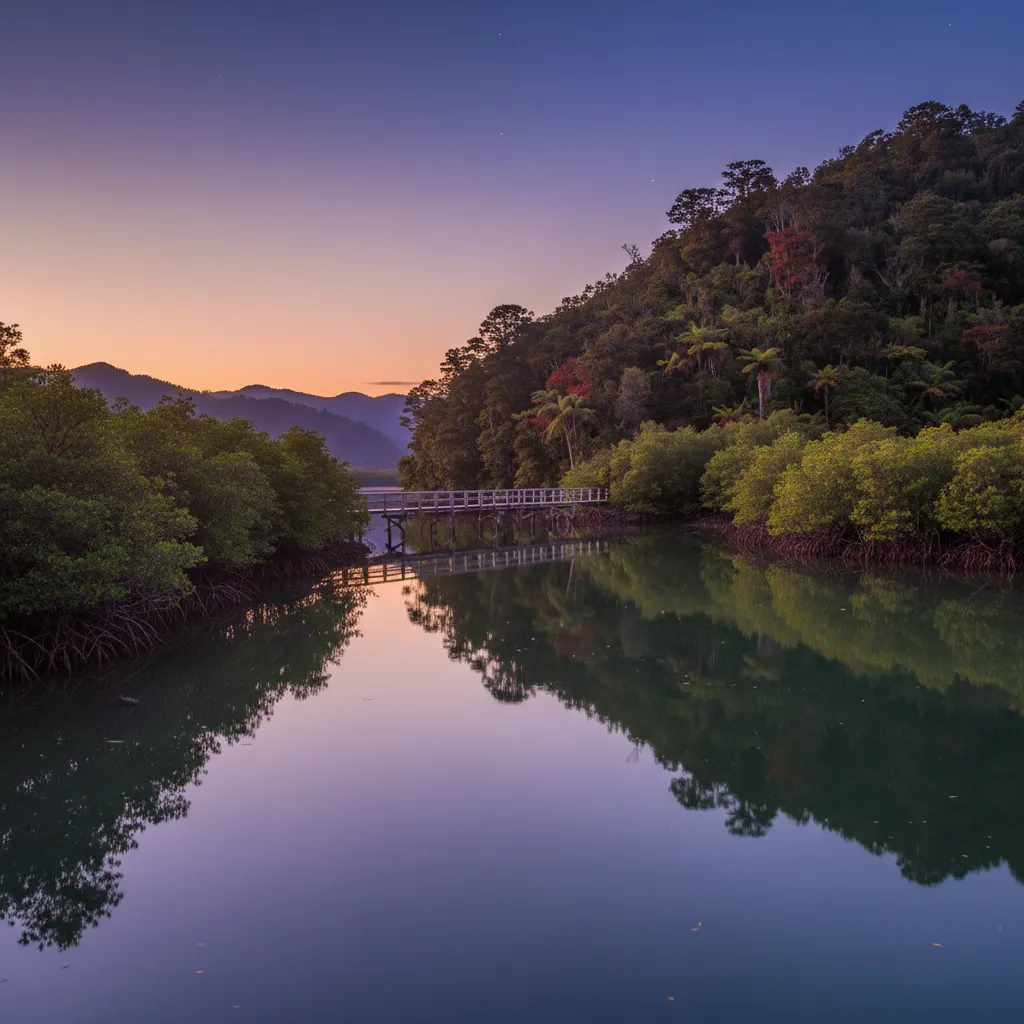
Located in the Kerikeri Inlet, roughly 12 kilometers from the town of Kerikeri, Aroha Island is a jewel in Northland’s eco-tourism crown. It is a 12-hectare sanctuary connected to the mainland by a causeway, making it accessible by car at all tides.
The Aroha Experience
Aroha Island is managed by the Queen Elizabeth II National Trust and offers a distinct advantage for those asking where to see kiwi in Northland: accessibility. The island features a mix of mangroves and native bush, providing the perfect habitat for the North Island Brown Kiwi. Because the island is small and geographically contained, the kiwi population is concentrated.
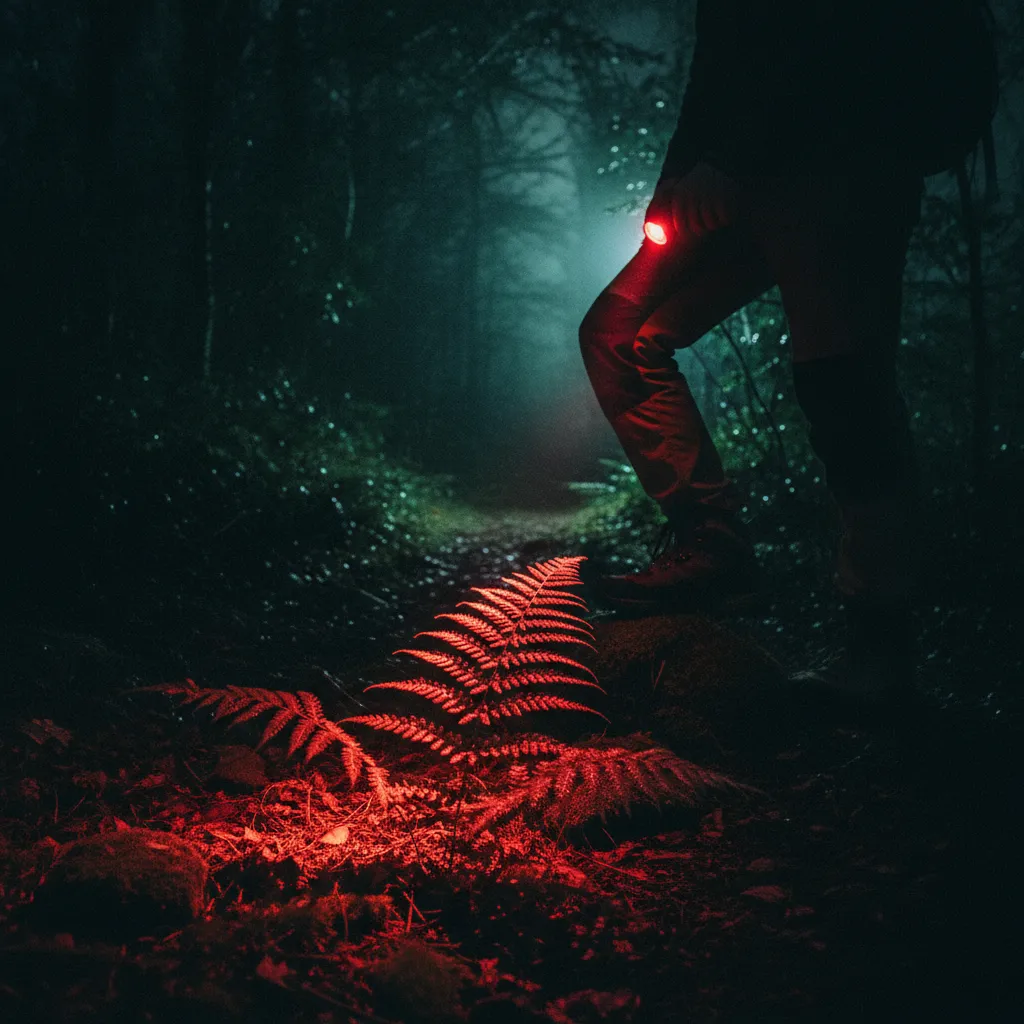
Visitors can explore the island independently or join guided night walks. The center provides red-filter torches (flashlights), which are essential for spotting kiwi without distressing them. The paths are well-maintained, flat, and suitable for most fitness levels, making this an ideal location for families or those unable to trek into deep wilderness.
The Backyard Kiwi Phenomenon: Whangārei Heads
Perhaps the most famous success story in Northland is the Whangārei Heads peninsula. Here, the “Backyard Kiwi” project has transformed a community into a conservation force. This is not a gated park; it is a living, breathing community where kiwi roam through private gardens, cross roads, and live alongside humans.
Community-Led Conservation
The Backyard Kiwi project, led by dedicated conservationists, monitors the local population, which has grown from a dwindling 80 birds to over 1,000. If you are driving through Whangārei Heads, particularly around Parua Bay, Manaia, and McLeod Bay, you will see the iconic kiwi road signs. These are not merely decorative; they indicate active crossing zones.
While you cannot simply walk into private backyards, the public reserves in this area, such as the tracks around Mount Manaia, offer chances to hear and see kiwi. The sheer density of the population here means that the call of the male kiwi—a piercing, high-pitched whistle—is a common soundtrack to the evening.
Trounson Kauri Park
For a more traditional wilderness experience, Trounson Kauri Park, located south of the Waipoua Forest on the Kauri Coast, is a Department of Conservation “Mainland Island.” This designation means the area is surrounded by pest-proof fencing or intensive trapping buffers to create a safe haven for biodiversity.
Camping with Giants
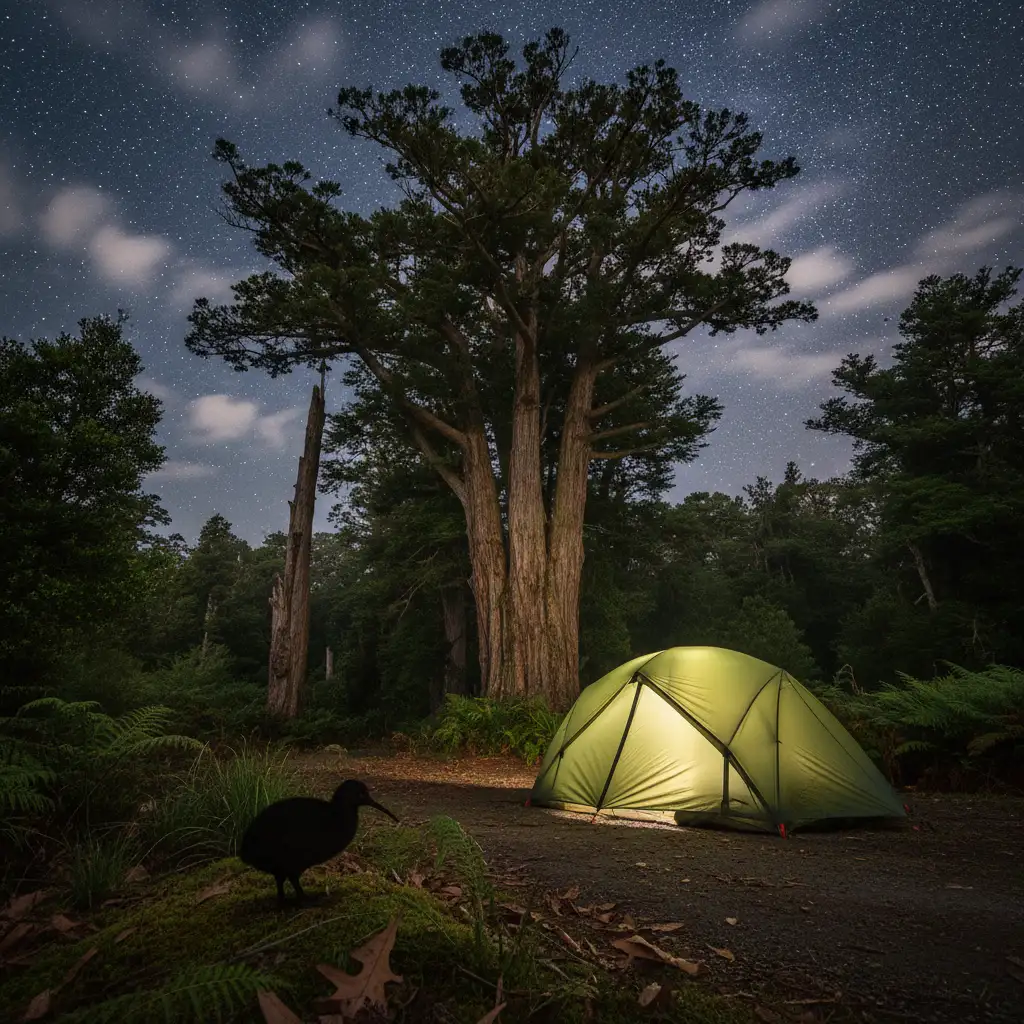
Trounson is famous for its majestic Kauri trees, but it is also one of the best locations to see kiwi in the wild. The park features a top 10 holiday park and campground right on the edge of the forest. Guests at the campground frequently report seeing kiwi wandering near the tents at night.
The loop track through the forest takes approximately 40 minutes to walk. At night, this track transforms. The boardwalks protect the kauri roots but also provide a quiet walking surface for humans, allowing you to move silently. In addition to kiwi, Trounson is home to native bats (pekapeka), wētā, and kōkokako, offering a comprehensive nocturnal eco-tour.
Dog Control and Kiwi Safety
When discussing where to see kiwi in Northland, it is ethically imperative to discuss the greatest threat to their survival: domestic dogs. The interaction between dogs and kiwi is the single biggest issue facing conservationists in the region.
Why are dogs so dangerous to kiwi?
Kiwi are anatomically unique. Unlike most birds that have a keeled sternum (breastbone) to anchor flight muscles, kiwi have a flat sternum. They do not have a rib cage that fully encases their chest. This makes their internal organs incredibly vulnerable to crushing injuries.
A dog does not need to attack a kiwi to kill it. A playful nudge, a paw to the chest, or a “soft mouth” retrieve can crush a kiwi’s chest cavity and cause fatal internal bleeding. Furthermore, the scent of a kiwi is strong and attractive to dogs, making interactions likely if dogs are uncontrolled.
Responsible Pet Ownership
If you are visiting Northland with a dog, you must adhere to strict “No Dog” zones. Locations like Aroha Island and Trounson Kauri Park strictly forbid dogs. In areas like Whangārei Heads, “Kiwi Aversion Training” is highly encouraged for local dogs, and visitors are urged to keep pets on leashes at all times. Responsible eco-tourism means respecting these boundaries to ensure the kiwi population continues to thrive.
Night Walk Etiquette and Best Practices
Spotting a kiwi requires patience, stealth, and strict adherence to wildlife etiquette. Disturbing a kiwi can cause it to flee its territory, abandon a nest, or suffer from stress. Follow these guidelines to maximize your chances of a sighting while minimizing your impact.
1. The Red Light Rule
Kiwi eyes are adapted for low-light conditions and are extremely sensitive to bright white light. A standard LED flashlight or camera flash can temporarily blind a kiwi and cause severe distress. You must use a torch with a red filter or red LED mode. Kiwi cannot perceive the color red as well as white, meaning they are less likely to be startled by a red beam.
2. Silence and Stealth
Kiwi have an exceptional sense of hearing. The crunch of gravel or the rustle of a raincoat can alert them to your presence from a significant distance. Wear soft clothing (avoid loud synthetic nylons) and soft-soled shoes. When walking, pause frequently. Listen for the sound of heavy footsteps in the dry leaf litter—kiwi are surprisingly loud walkers.
3. Keep Your Distance
If you are lucky enough to spot a kiwi, do not approach it. Stop moving immediately and observe from a distance. Never attempt to touch, feed, or corner the bird. If the kiwi moves toward you (which can happen, as their eyesight is poor), stand still and let it pass.
People Also Ask
What is the best time of year to see kiwi in Northland?
Kiwi can be seen year-round in Northland. However, the best time is often during the breeding season (late winter to summer), when male kiwi are more vocal and active defending their territories. The darker phases of the moon also encourage kiwi to forage earlier in the evening.
Can I take photos of kiwi?
You can take photos, but you strictly cannot use a flash. Flash photography can blind and distress the bird. For tips on capturing images safely, see our guide on Gear & Photography for NZ Skies. High-ISO settings on modern cameras combined with red light illumination are the only ethical way to photograph wild kiwi.
Are there guided kiwi tours in Northland?
Yes, several operators provide guided tours. Aroha Island offers guided night walks, and Russell Nature Walks in the Bay of Islands is another reputable provider. Guided tours are recommended for beginners as guides know the specific habitats and behaviors of the birds.
What does a kiwi call sound like?
The male kiwi has a high-pitched, ascending whistle that is repeated 15-25 times. The female call is distinctively different—a lower, raspy, guttural cry often described as sounding like a growl. Hearing these calls is often the first step to locating a bird.
Why are there kiwi crossing signs on the roads?
In Northland, particularly Whangārei Heads and the Bay of Islands, kiwi habitats border roads. Kiwi are nocturnal and often cross roads at night to access different parts of their territory. These signs warn drivers to slow down and scan for birds on the tarmac.
Is it safe to walk in Northland forests at night?
generally, yes. New Zealand has no large predators, snakes, or poisonous mammals. However, the terrain can be uneven. It is essential to stay on marked tracks to avoid getting lost and to prevent damaging kauri roots (which spreads kauri dieback disease).