The Kowhai blooming season in New Zealand typically spans from late winter to mid-spring, occurring primarily between August and October. This iconic golden flowering event signals the seasonal shift, triggering a frenzy of activity among nectar-feeding birds like the Tui and Bellbird, and marks a pivotal time for native biodiversity.
Spring: The Kowhai Blooming Season and Tui Madness
As the chill of winter recedes, the New Zealand landscape undergoes a dramatic transformation defined by a single color: gold. The kowhai blooming season is arguably the most culturally and ecologically significant botanical event in the country’s natural calendar. Understanding the nuances of this season is essential for any eco-tourist or nature enthusiast hoping to witness the interaction between New Zealand’s flora and fauna.
When Exactly Does the Kowhai Bloom?
While the general window is August to October, the specific timing of the kowhai blooming season depends heavily on latitude and altitude. In the warmer northern regions of the North Island, you may spot the first yellow racemes (hanging flower clusters) appearing as early as late July. As you travel south towards Wellington and into the South Island, the bloom follows the warming temperatures, often peaking in late September or early October in cooler alpine areas.
There are eight recognized species of Kowhai (genus Sophora), and they do not all bloom simultaneously. Sophora microphylla, the small-leaved kowhai, is widespread and tends to flower slightly later than its larger counterparts. This staggered flowering ensures a sustained food source for native pollinators throughout the spring season.
The Phenomenon of “Tui Madness”
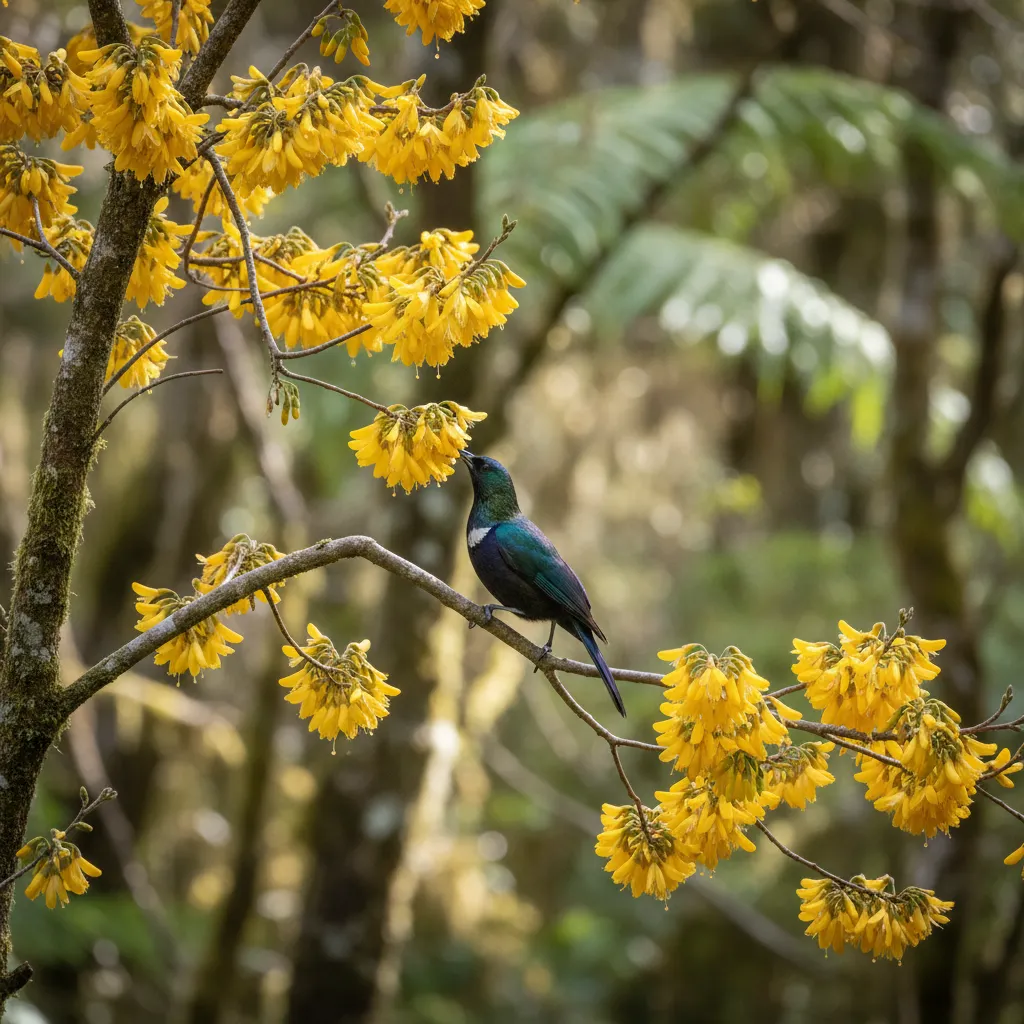
The kowhai blooming season triggers a biological phenomenon often affectionately termed “Tui madness.” The Tui (Prosthemadera novaeseelandiae), a honeyeater bird with a distinctive white throat tuft, relies heavily on kowhai nectar. During peak bloom, the sugar concentration in the flowers is incredibly high. Occasionally, the nectar can ferment in the sun, leading to mildly intoxicated birds that display erratic flight patterns, boisterous singing, and aggressive territorial defense.
For eco-tourists, this is the prime time for photography. The contrast of the metallic blue-black plumage of the Tui against the vibrant yellow kowhai flowers creates one of the most striking visual palettes in New Zealand nature. To capture this, visit sanctuaries like Zealandia in Wellington or Tiritiri Matangi near Auckland during the morning hours when bird activity is at its zenith.
Summer: The Red Bloom of Pohutukawa and Cicada Song
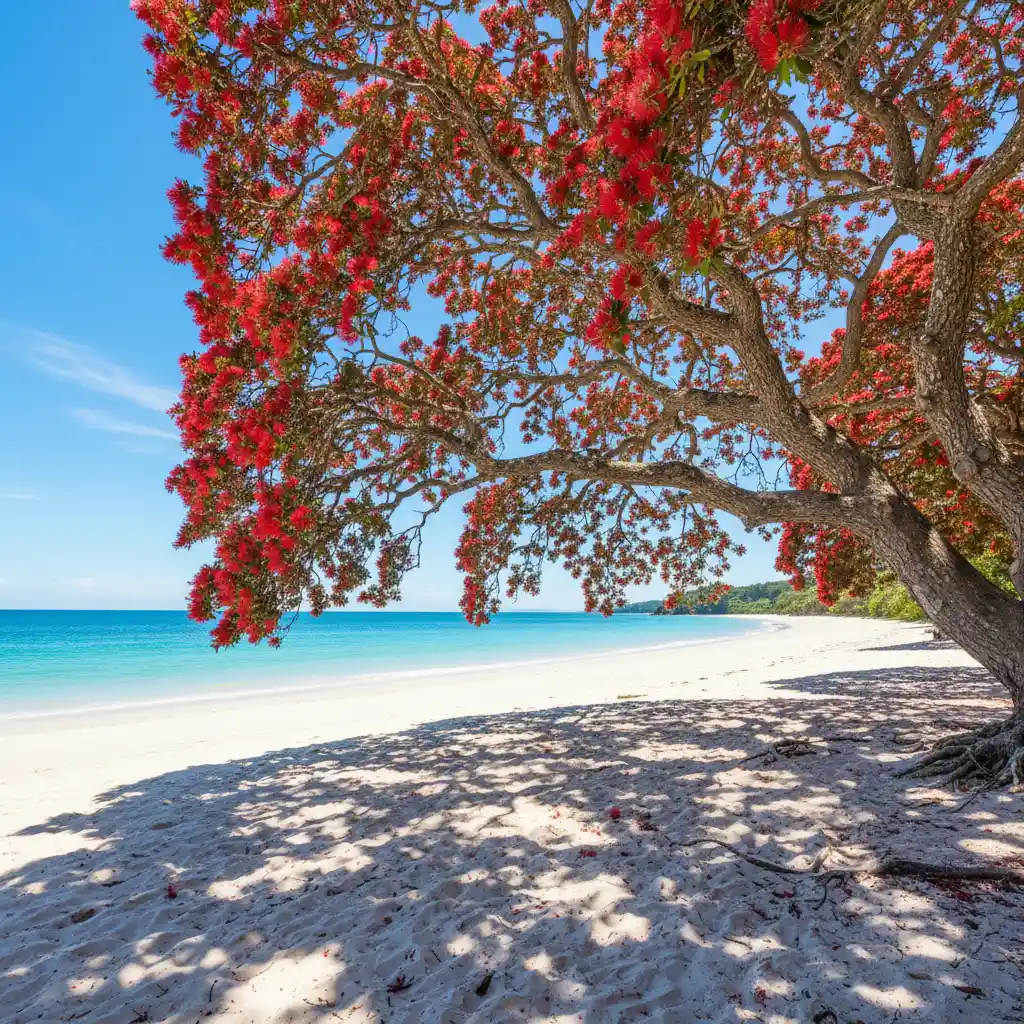
As the kowhai blooming season fades and the yellow petals carpet the forest floor, the color palette of New Zealand shifts from gold to crimson. Summer in Aotearoa (December to February) is heralded by the blooming of the Pohutukawa (Metrosideros excelsa), often called the New Zealand Christmas Tree.
Coastal Ecology and Conservation
The Pohutukawa is a coastal specialist. Its gnarled roots cling to cliff faces and sandy banks, acting as a critical stabilizer against erosion. During December and January, these trees erupt in brush-like red flowers. This bloom is not just ornamental; it provides a secondary nectar source for birds and geckos after the kowhai season ends.
However, the Pohutukawa is under threat from the invasive pink-possum, which strips the trees of leaves. Conservation efforts, such as Project Crimson, have been pivotal in protecting these trees. Visitors are encouraged to clean their footwear to prevent the spread of Kauri Dieback disease, even when visiting coastal Pohutukawa forests, as the ecosystems are often intertwined.
The Soundtrack of Summer
Accompanying the visual splendor of the Pohutukawa is the auditory dominance of the cicada. New Zealand is home to over 40 species of cicada, and their chorus can reach deafening decibels in the heat of the day. The sound is synonymous with the Kiwi summer. For the nature observer, finding the exuviae (shed skins) of cicadas on tree bark provides a fascinating look into the insect lifecycle.
Autumn: Fungal Blooms and The Great Migration
March, April, and May bring cooler temperatures and higher rainfall, creating the perfect conditions for a different kind of bloom. While the canopy quiets down, the forest floor comes alive. This is the season of fungi, a kingdom of life where New Zealand holds unique treasures.
Hunting the Blue Mushroom
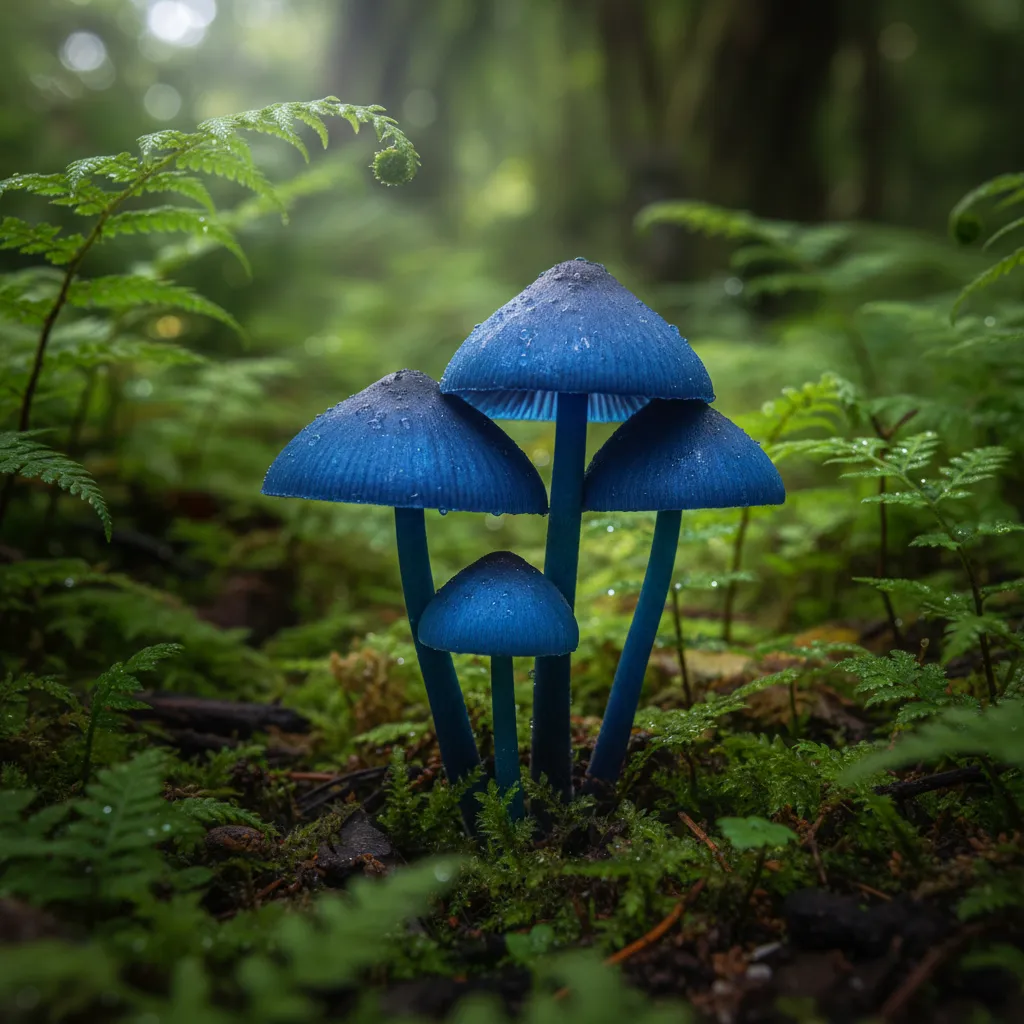
The star of the autumn forest is the Entoloma hochstetteri (Werewere-kokako). This distinctive bright blue mushroom is featured on the New Zealand $50 note and is an icon of the country’s mycological diversity. Unlike the kowhai blooming season which is easily spotted from a distance, finding these fungi requires patience and a slow pace. They are most commonly found in lowland podocarp-broadleaf forests.
The Departure of the Godwits
Autumn is also a season of farewells. The Bar-tailed Godwit (Kuaka) prepares for one of the longest non-stop migrations in the animal kingdom. After feeding on New Zealand’s estuaries throughout the summer to build fat reserves, they depart for Alaska. Seeing thousands of these birds gather at places like the Miranda Shorebird Centre before their departure is a humbling experience for any conservationist, highlighting the global interconnectedness of ecosystems.
Winter: Marine Giants and Alpine Landscapes
While plant life enters a period of dormancy during June, July, and August, the marine environment off New Zealand’s coast reaches a peak of activity. Winter is the prime season for marine eco-tourism, particularly for cetacean enthusiasts.

The Kaikoura Trench Phenomenon
Kaikoura, on the east coast of the South Island, offers a unique convergence of currents that sustains a resident population of Sperm Whales year-round. However, winter brings migratory Humpback Whales traveling from the Antarctic to the tropical Pacific to breed. This traffic creates a “whale highway.” The backdrop for this marine parade is the snow-capped Kaikoura Ranges, offering one of the most photogenic landscapes in the world.
Matariki and Conservation
Winter also coincides with Matariki, the Māori New Year, marked by the rising of the Pleiades star cluster. Traditionally, this was a time to stop, reflect, and plan for the coming growing season. In modern conservation terms, winter is a critical time for planting native trees. Many eco-tourism operators offer “plant a tree” experiences during this season, allowing visitors to contribute directly to the restoration of habitats that will support the next kowhai blooming season.
How to Plan Your Seasonal Eco-Tour
To maximize your experience of New Zealand’s nature calendar, timing is everything. If your primary goal is to witness the kowhai blooming season, aim for a September arrival. This shoulder season offers the benefits of fewer crowds and the vibrant activity of spring birds.
Essential Gear for Nature Watchers:
- Binoculars: Essential for viewing Tui in high Kowhai branches or whales off the coast.
- Macro Lens: Vital for capturing the intricate details of autumn fungi or cicadas.
- Layers: New Zealand weather is notoriously changeable. Merino wool layers are recommended for all seasons.
- Bio-security awareness: Always scrub boots at cleaning stations to protect the Kauri and other native trees.
By aligning your travel dates with these natural events, you move beyond being a passive tourist to becoming a witness to the rhythmic pulse of Aotearoa’s unique environment.
People Also Ask
What month do Kowhai trees bloom in New Zealand?
Kowhai trees typically bloom between August and October, with the peak season usually occurring in September. The exact timing varies depending on the region’s temperature and altitude.
Where is the best place to see Kowhai flowers?
Kowhai trees are widespread, but excellent viewing spots include the Waitakere Ranges in Auckland, Zealandia Ecosanctuary in Wellington, and along the banks of the Clutha River in the South Island.
Why do Tui birds love Kowhai flowers?
Tui birds love Kowhai flowers because they produce copious amounts of high-energy nectar, which is the Tui’s primary food source. The shape of the flower also perfectly matches the curvature of the Tui’s beak.
Is the Kowhai New Zealand’s national flower?
Yes, the Kowhai (specifically Sophora tetraptera) is widely regarded as New Zealand’s unofficial national flower due to its widespread presence and cultural significance.
Can you grow Kowhai trees in a garden?
Yes, Kowhai trees are popular garden plants in New Zealand. They are relatively hardy but require a sunny spot and well-drained soil. Growing them is a great way to attract native birds to your property.
What does the Kowhai flower symbolize?
Culturally, the Kowhai flower symbolizes personal growth and looking towards the future. In Māori tradition, the blooming of the Kowhai was also used as a seasonal indicator for planting kumara (sweet potato).