Slow tourism in New Zealand is a travel philosophy that prioritizes deep immersion over checking off sights, encouraging visitors to stay longer in fewer regions to minimize their carbon footprint. By utilizing low-impact transport like cycling and engaging with local conservation efforts, travelers experience authentic Māori culture and pristine environments while directly supporting sustainable eco-tourism initiatives.
New Zealand, or Aotearoa, offers a landscape so diverse and culturally rich that rushing through it often means missing its true essence. For the conscious traveler, slow tourism is not just a trend; it is a necessary approach to preserving the very taonga (treasures) that make this country unique. This guide outlines how to execute a commercially viable, deeply rewarding slow travel strategy.
What is Slow Tourism in New Zealand?
Slow tourism in New Zealand is the antithesis of the “bus tour” mentality. It is a deliberate choice to decelerate the pace of travel to foster a genuine connection with the local people (tangata whenua), the culture, and the environment. In a commercial context, this sector focuses on high-value, low-impact experiences. Instead of spending budget on fuel and domestic flights to hop from Auckland to Queenstown in a week, the budget is redirected towards premium eco-lodges, guided conservation walks, and locally sourced cuisine.
This approach aligns perfectly with the Tiaki Promise, a commitment to care for New Zealand, for now and for future generations. By choosing slow tourism, you are actively participating in the guardianship (kaitiakitanga) of the land.
The Philosophy: Staying Longer in Fewer Places
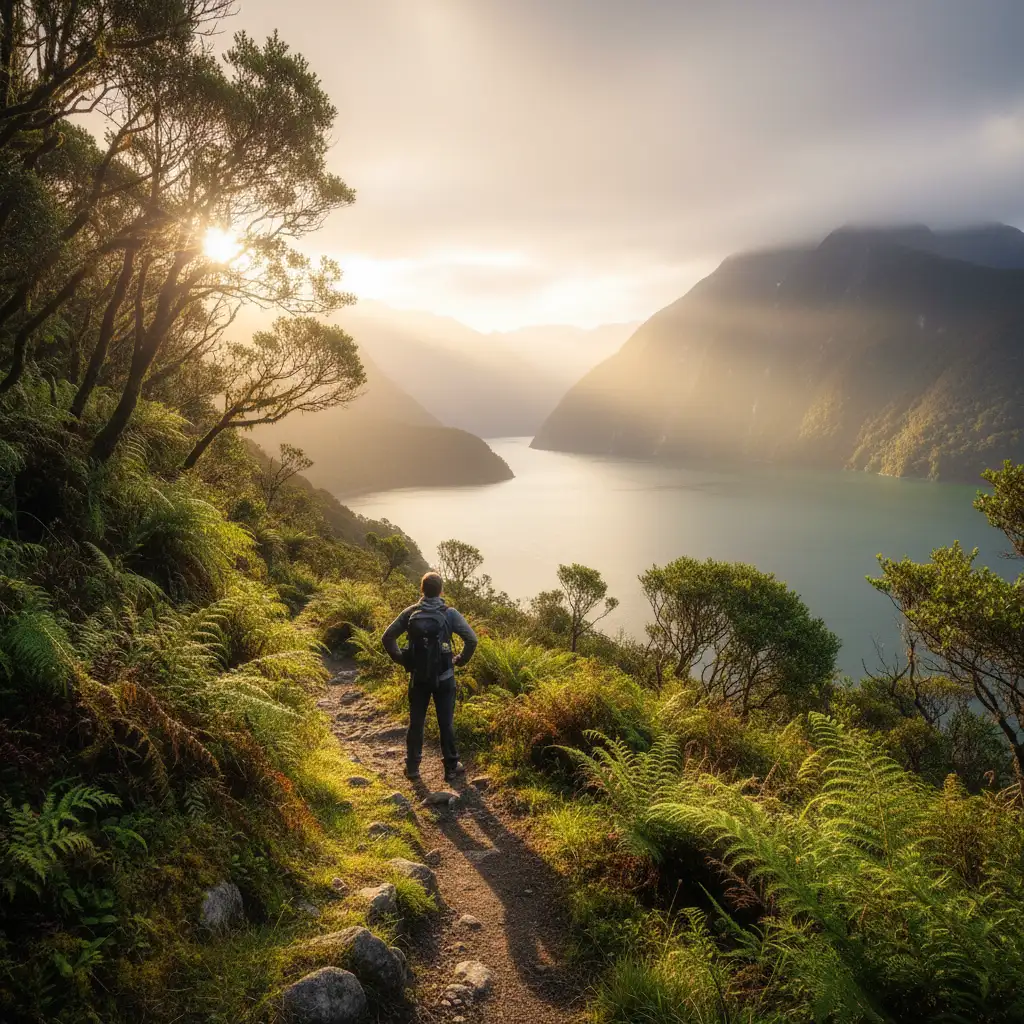
The core tenet of any slow tourism itinerary is the decision to limit geographic spread. New Zealand’s geography is deceptive; roads are often winding and travel times are longer than they appear on a map. Attempting to cover both the North and South Islands in anything less than three weeks results in a “windshield tour” where most of the country is viewed through glass.
Reducing Carbon Footprint
By establishing a “base camp” in one region for 5-7 days, you significantly reduce transport emissions. This stationary approach allows for a deeper exploration of “micro-regions.” For instance, rather than seeing the entire West Coast, a slow tourist might spend a week solely exploring the biodiversity of the Oparara Basin and Karamea.
Economic Impact on Local Communities
From a commercial eco-tourism perspective, staying longer benefits local economies more effectively. Short-term visitors often rely on international chains for convenience. Long-term visitors in a region are more likely to discover family-owned eateries, hire local guides for specialized tours, and purchase artisan crafts, ensuring the tourism dollar circulates within the community.
Northland: Giants and Coastlines
Northland, the winterless north, is the cradle of Māori culture and home to ancient forests. It is an ideal region for a slow tourism itinerary because of its density of historical and natural sites.
Encountering Tāne Mahuta and the Waipoua Forest
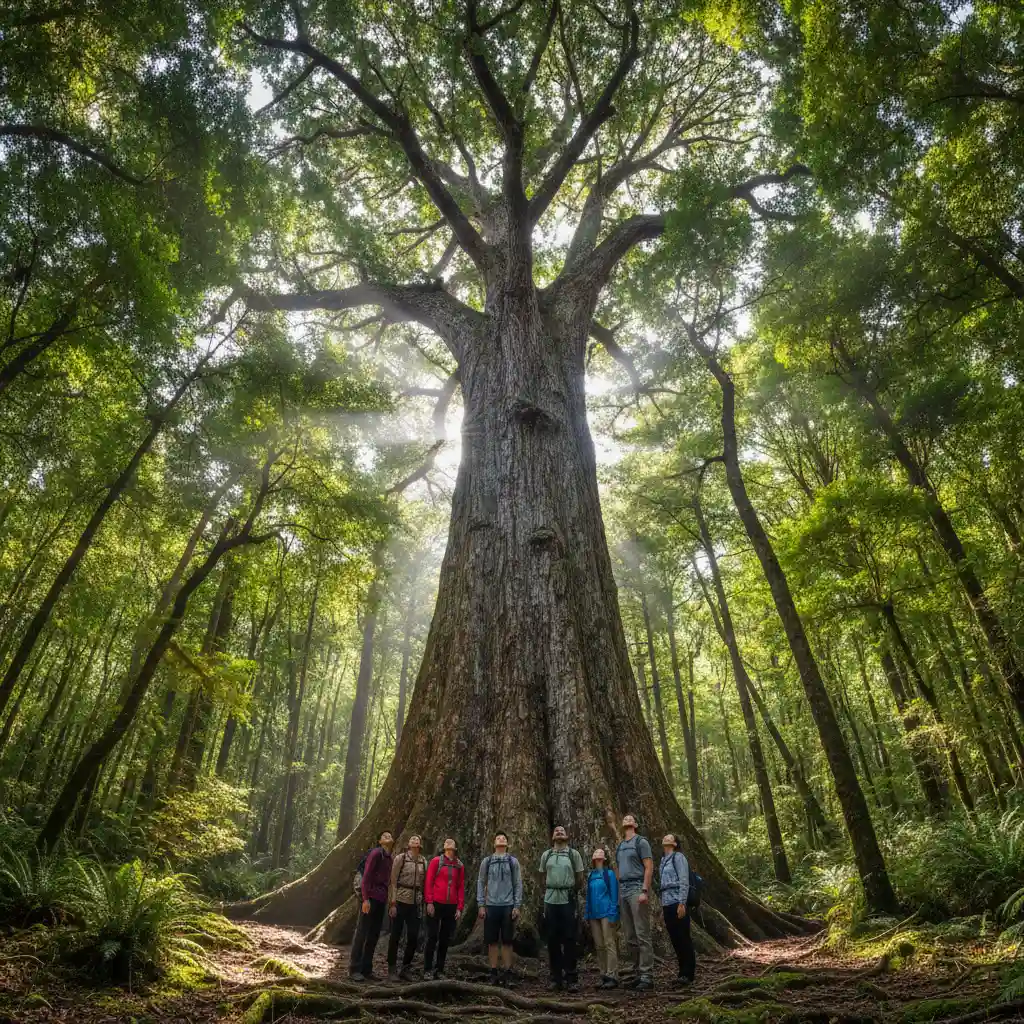
A quintessential slow tourism experience involves the ancient Kauri forests of the Kauri Coast. Here, you don’t just walk past the trees; you engage with them. Tāne Mahuta, the Lord of the Forest, is a giant kauri tree estimated to be between 1,250 and 2,500 years old.
The Slow Approach: Book a twilight tour with a local Māori guide. As the sun sets, the forest changes. You will hear the legends of the creation of the world, learn about the medicinal uses of native plants (rongoā), and witness the transition from day to night in a sacred space. This experience supports local iwi (tribes) and funds kauri dieback disease prevention.
Coastal Conservation in the Bay of Islands
While the Bay of Islands is a popular tourist hub, the slow traveler avoids the crowded party boats. Instead, focus on marine conservation. The region is a sanctuary for dolphins, whales, and penguins.
Itinerary Highlight: Spend three days on Urupukapuka Island. Stay at the Department of Conservation (DOC) campsite or rent a sustainable bach. Spend your days kayaking the sheltered coves, hiking the archaeological walk to see ancient pā sites, and participating in “Project Island Song,” a wildlife sanctuary project. By staying on the island, you eliminate daily boat commutes and immerse yourself in a pest-free environment where native birdsong is deafeningly beautiful.
Top of the South: Sun and Sounds
The top of the South Island, comprising the Marlborough Sounds and Nelson/Tasman regions, offers New Zealand’s highest sunshine hours and some of its most accessible eco-tourism infrastructure.
Kayaking the Marlborough Sounds
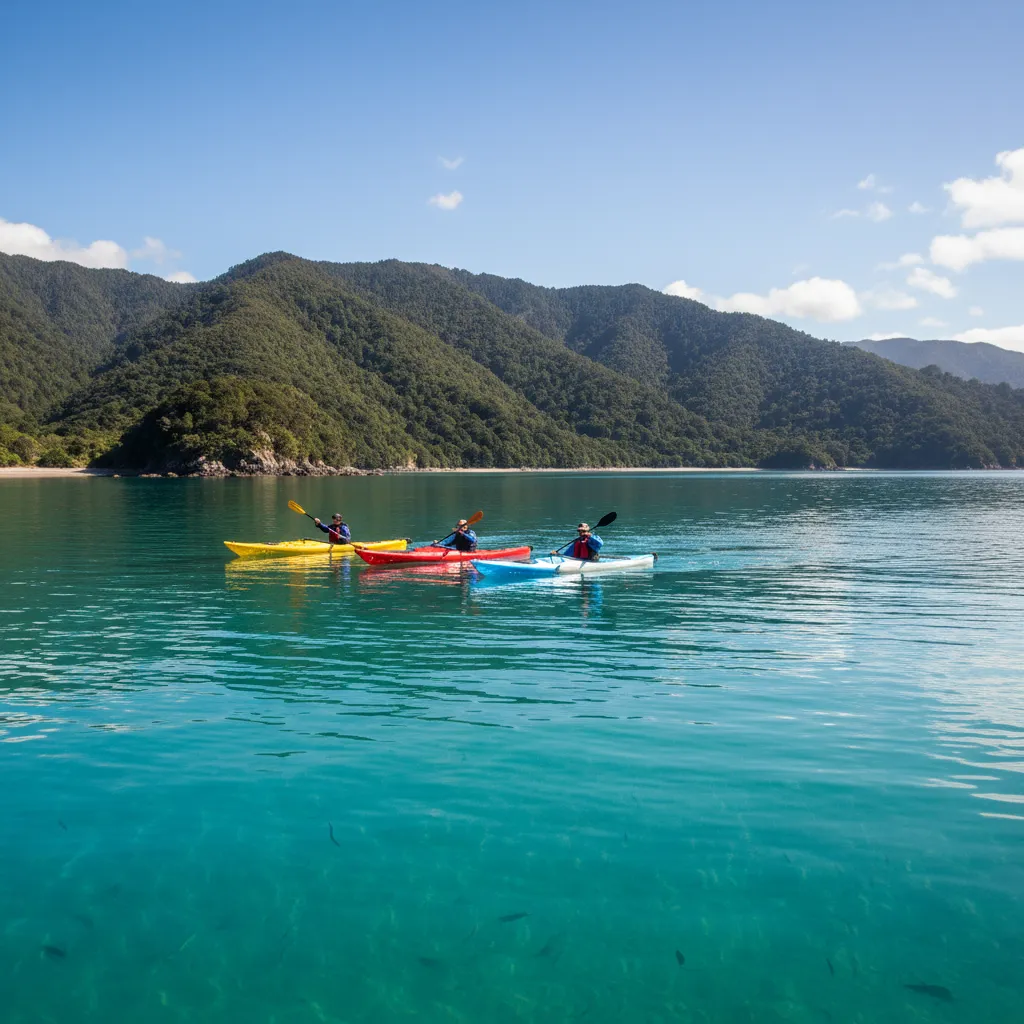
The Marlborough Sounds are a network of ancient sunken river valleys. The intricate coastline is best explored silently. Motorboats disrupt the wildlife and erode the banks; kayaks do not.
The Slow Approach: Embark on a multi-day guided sea kayak trip. These tours often utilize eco-lodges or private campsites accessible only by water. This isolation guarantees a disconnect from the digital world. You might encounter fur seals, dusky dolphins, and blue penguins. Commercial operators here are heavily regulated and often contribute a portion of ticket sales to the conservation of the Sounds. This is “regenerative tourism” in action—leaving the place better than you found it.
The Nelson Market and Artisan Culture
Nelson is a hub for artists and organic growers. A slow itinerary here must include a Saturday morning at the Nelson Market. This is not just shopping; it is a cultural exchange. You meet the potter who made your coffee mug and the farmer who grew your blueberries. Following this, a visit to the Brook Waimārama Sanctuary offers a chance to see rare kiwi in a fenced, predator-free environment close to the city center.
Transport: Using Public Transport and Cycling
One of the biggest misconceptions about New Zealand travel is the absolute necessity of a private vehicle. While cars offer freedom, they detach you from the environment. Slow tourism champions the use of the national cycle trail network (Ngā Haerenga) and public transport.
New Zealand’s Cycle Trail Network (Ngā Haerenga)
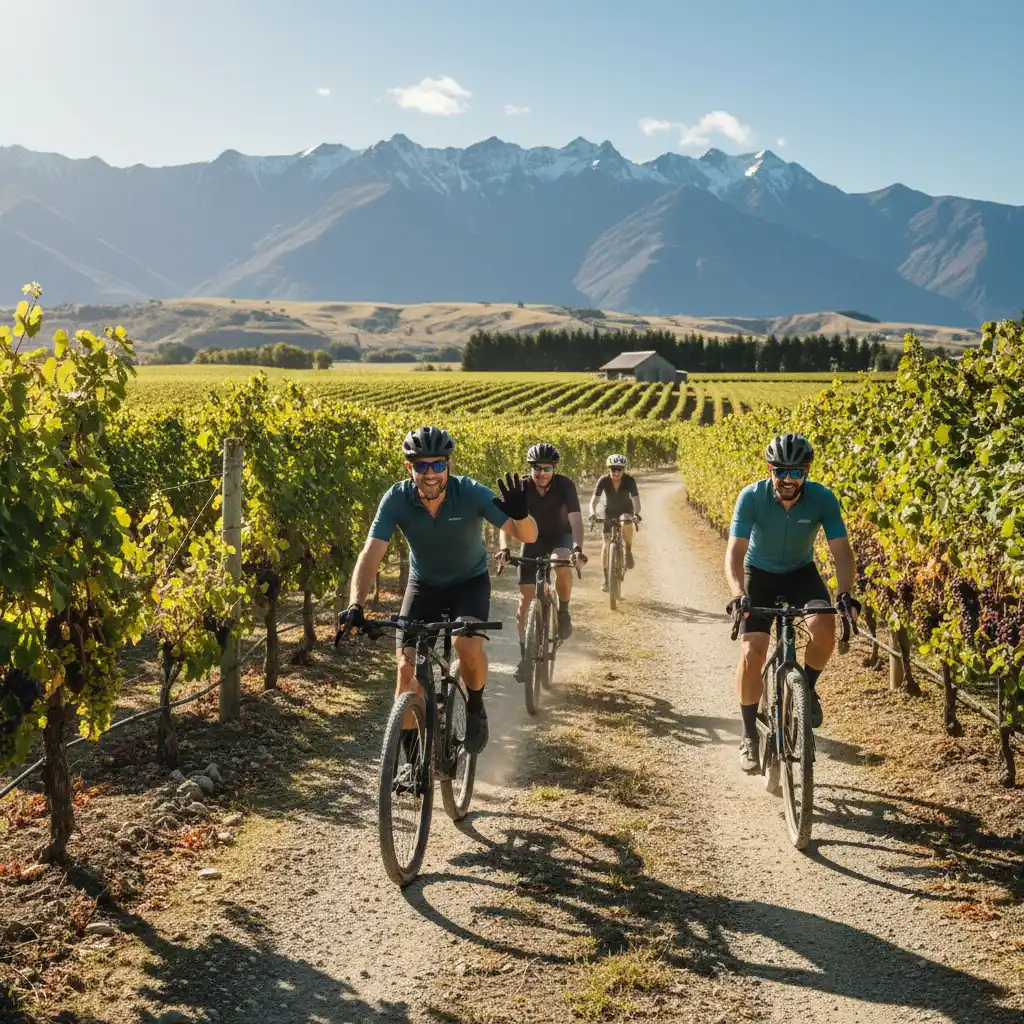
Cycling is the ultimate mode of slow transport. It is fast enough to cover ground but slow enough to smell the manuka flowers. The Tasman Great Taste Trail in the Top of the South is a prime example. It is a loop trail that connects Nelson, Wakefield, Richmond, Motueka, and Kaiteriteri.
Commercial Integration: Several companies offer “supported” cycle tours. They handle luggage transfers between eco-lodges, meaning you only carry a day pack. This service allows travelers of average fitness to undertake multi-day journeys. You stop at vineyards, craft breweries, and galleries along the way, injecting revenue directly into rural businesses that might be bypassed by highway traffic.
Navigating Without a Car
InterCity buses provide comprehensive coverage across the country. For a slow itinerary, the train journeys are unbeatable. The TranzAlpine (Christchurch to Greymouth) and the Northern Explorer (Auckland to Wellington) are experiences in themselves, not just transit. They traverse viaducts and national parks inaccessible by road. Combining rail travel with local shuttle services and bike rentals is a viable, low-stress alternative to navigating winding New Zealand roads.
Planning and Booking Your Eco-Trip
To ensure your slow tourism itinerary is commercially supportive of genuine conservation efforts, you must look for accreditation.
Choosing Qualmark Gold
Qualmark is New Zealand tourism’s official quality assurance organization. When booking accommodation and activities, look for the Qualmark Gold Sustainable Tourism Business Award. This seal guarantees that the business is not only safe and professional but also leads the way in environmental protection and social responsibility. These businesses often have robust waste management systems, energy efficiency protocols, and community engagement programs.
Best Seasons for Slow Travel
To truly embrace slow tourism, avoid the peak season (December to February). The shoulder seasons—Autumn (March-May) and Spring (September-November)—offer milder weather and fewer crowds. This timing allows for more meaningful interactions with locals who aren’t overwhelmed by the summer rush. Furthermore, traveling off-peak spreads the economic benefits of tourism throughout the year, supporting year-round employment for local guides.
Frequently Asked Questions
What is the best way to travel around New Zealand sustainably?
The most sustainable way to travel is by combining public bus networks (like InterCity) or trains with cycling. For regions where driving is necessary, renting an Electric Vehicle (EV) or a hybrid is increasingly popular, with charging infrastructure improving rapidly across the main tourist routes.
How long should I stay in one location for slow tourism?
Ideally, you should allocate a minimum of 3 to 5 nights per location. This duration allows you to explore beyond the main attractions, engage with the local community, and reduce the carbon emissions associated with daily travel.
Is slow tourism in New Zealand more expensive?
It can be, but it offers better value. While you might spend more on premium eco-lodges or guided experiences, you save significantly on fuel and transport costs. The money spent provides a higher quality, more exclusive experience compared to budget fast-travel.
What are the best regions for slow tourism in New Zealand?
Northland, the Coromandel, Nelson/Tasman, and the West Coast of the South Island are excellent for slow tourism. These regions have dense clusters of activities, diverse landscapes, and strong local artisan communities that reward leisurely exploration.
What is the Tiaki Promise?
The Tiaki Promise is a commitment to care for New Zealand. It asks travelers to drive carefully, respect nature, keep New Zealand clean, and show respect for local culture. It is the foundational ethos of responsible tourism in Aotearoa.
Can I do slow tourism in New Zealand during winter?
Absolutely. Winter (June-August) is quieter and offers dramatic scenery, particularly in the South Island. It is the perfect time for thermal hot springs, cozying up in eco-cabins, and enjoying winter sports without the summer crowds.