New Zealand conservation projects encompass a world-leading network of government, tribal (Iwi), and community initiatives aimed at restoring indigenous biodiversity. These programs primarily focus on eradicating invasive mammalian predators to protect endemic species, such as the Kiwi and Kākāpō, achieving ecological restoration through sanctuary management and the ambitious Predator Free 2050 goal.
New Zealand is often described as a biological ark, a remnant of the ancient supercontinent Gondwana that drifted into isolation 80 million years ago. This isolation allowed for the evolution of a distinct flora and fauna found nowhere else on Earth. However, the arrival of humans and, more critically, the mammals they brought with them, triggered an ecological crisis. Today, New Zealand conservation projects are recognized globally for their innovation, scale, and audacity. From offshore island sanctuaries to the goal of becoming the first predator-free nation, the country is fighting a battle to save its unique biological heritage.
The Evolutionary Context: A Land of Birds
To understand the urgency and scope of current New Zealand conservation projects, one must first understand the country’s evolutionary history. Before human arrival, New Zealand was a land dominated by birds. With the exception of three species of bats, there were no terrestrial mammals. This absence of mammalian predators allowed birds, insects, and reptiles to evolve in unique ways.
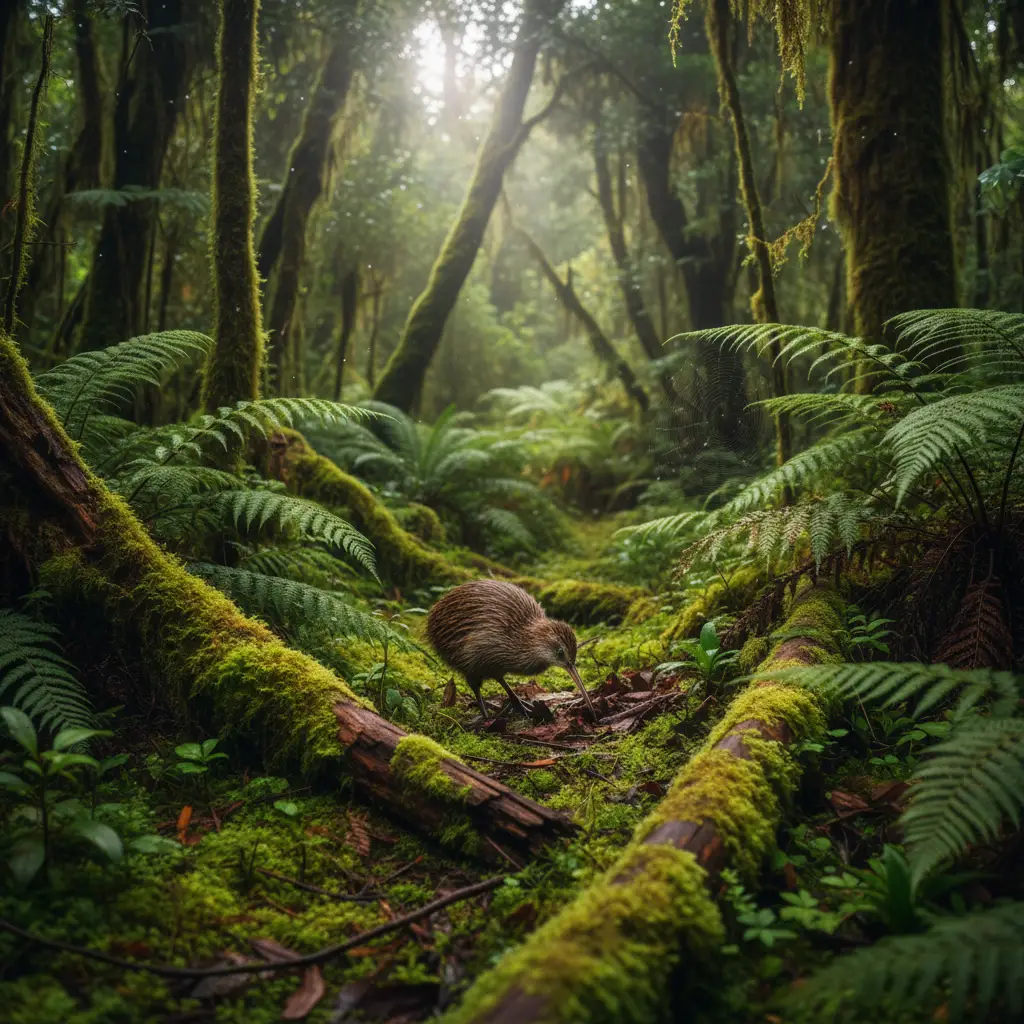
Many bird species lost the power of flight, becoming ground-dwellers. The Moa, a giant ratite now extinct, filled the ecological niche of deer or cattle. The Kiwi, iconic to the nation, evolved to forage on the forest floor. Giant insects, such as the Wētā, filled the roles usually occupied by mice in other ecosystems. This unique evolutionary path created an ecosystem characterized by high endemism but extreme vulnerability. These species evolved without defense mechanisms against mammalian teeth and claws, making them sitting ducks when predators eventually arrived.
The Threat: Introduced Mammalian Predators
The introduction of mammalian predators is the single greatest driver of biodiversity loss in New Zealand. This occurred in two main waves: the arrival of Polynesians (bringing kiore/rats and kuri/dogs) and the arrival of Europeans (bringing ship rats, norway rats, possums, stoats, ferrets, and cats).
The “Big Three” Enemies of Conservation
While habitat loss is a factor, the following three predators are the primary targets of most New Zealand conservation projects:
- Stoats (Mustelids): Introduced in the 1880s in a failed attempt to control rabbits, stoats are the number one killer of Kiwi chicks. They are agile, fierce, and capable of decimating populations of native birds.
- Possums: Introduced from Australia for the fur trade, possums strip the forest canopy, competing with native birds for food and destroying nesting sites. They also prey on eggs and chicks.
- Rats (Ship and Norway): Rats are ubiquitous and prey on seeds, insects, eggs, and nestlings, suppressing the regeneration of the forest and starving native wildlife.
The combined effect of these predators results in the loss of an estimated 25 million native birds every year. Without intervention, many iconic species would face extinction within decades.
Major New Zealand Conservation Projects
In response to these threats, the Department of Conservation (DOC), alongside Iwi (Māori tribes) and private trusts, has developed some of the most advanced conservation methodologies in the world. These projects often involve intensive management, translocation, and scientific innovation.

Operation Nest Egg (Kiwi Recovery)
Operation Nest Egg is a highly successful intervention for Kiwi conservation. In the wild, only 5% of Kiwi chicks survive to adulthood due to stoat predation. Under this program, eggs are lifted from burrows in the wild and hatched in captivity. The chicks are raised in predator-free crèches until they reach a “stoat-proof” weight of approximately 1.2kg. They are then released back into the wild. This intervention dramatically increases survival rates to over 65%.
The Kākāpō Recovery Programme
The Kākāpō is a critically endangered, flightless, nocturnal parrot. At its lowest point in the 1990s, the population dropped to 51 individuals. The recovery program is an intensive management strategy that involves monitoring every single living bird. Each Kākāpō wears a smart transmitter, and nests are monitored with cameras and infrared beams. The program utilizes artificial insemination and genome sequencing to manage genetic diversity. As of recent counts, the population has risen to over 250, though they remain confined to predator-free offshore islands.
Island Sanctuaries and Mainland Islands
New Zealand pioneered the concept of offshore island sanctuaries. By eradicating pests from islands like Tiritiri Matangi, Kapiti, and Ulva Island, conservationists created “lifeboats” for endangered species. Following the success of offshore islands, the concept was brought to the mainland through “fenced sanctuaries.” Zealandia in Wellington was the world’s first fully-fenced urban ecosanctuary, proving that with a predator-proof fence, rare species like the Little Spotted Kiwi and Tuatara could thrive even near a city center.

Predator Free 2050: An Ambitious Goal
In 2016, the New Zealand government announced the most ambitious conservation project in the country’s history: Predator Free 2050. The goal is to eradicate the most damaging introduced predators (rats, stoats, and possums) from the entire country by the year 2050.
This project moves beyond suppression (keeping numbers low) to total eradication. It relies on a three-pronged approach:
- Mobilizing Communities: Encouraging backyard trapping and community-led initiatives.
- Accelerating Science: Investing in new technologies such as species-specific toxins, long-life lures, and potentially gene-drive technology (though this remains ethically and scientifically debated).
- Landscape Scale Projects: progressively clearing large areas of land and defending them against reinvasion.
While skeptics question the feasibility of the deadline, the initiative has successfully galvanized public support and funding, leading to massive reductions in pest numbers across millions of hectares.
How Visitors Can Contribute to Conservation
Tourism plays a vital role in New Zealand’s economy, but it also impacts the environment. The concept of “Tiaki”—meaning to care for people and place—is central to the New Zealand tourism strategy. Visitors are not just observers; they are active participants in the conservation narrative.
Biosecurity: The First Line of Defense
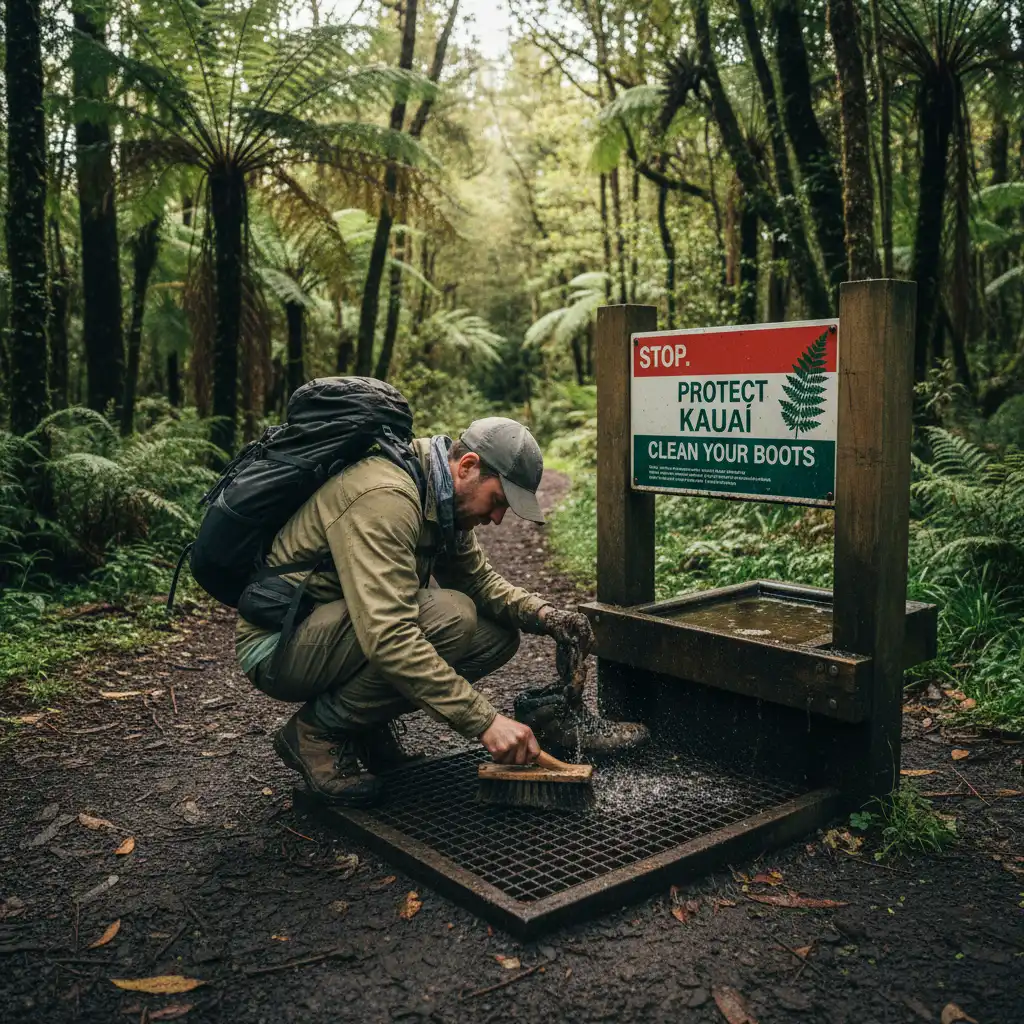
New Zealand’s borders are strictly controlled to prevent new pests and diseases from entering. Visitors must declare all outdoor gear. However, biosecurity extends within the country. A major threat to the native Kauri trees is Kauri Dieback Disease, a soil-borne pathogen. Visitors contribute to conservation by strictly adhering to “Check, Clean, Dry” protocols—cleaning footwear and gear before and after entering forests to prevent the spread of pathogens and weed seeds.
Supporting Eco-Tourism and Sanctuaries
One of the most direct ways to support New Zealand conservation projects is by visiting them. Entry fees to sanctuaries like Zealandia, Maungatautari, and Orokonui go directly toward fence maintenance, pest control, and species monitoring. Furthermore, many commercial tour operators pay a concession fee to the Department of Conservation, a portion of which funds biodiversity work. Visitors should look for operators with “Qualmark Gold” status or those who specifically highlight their sustainability initiatives.
Volunteering
For those staying longer, active volunteering is an option. The Department of Conservation and various community groups offer opportunities ranging from tree planting to checking trap lines. This “voluntourism” allows visitors to leave a positive legacy, directly aiding in the restoration of the landscape.
People Also Ask
What is the biggest conservation problem in New Zealand?
The biggest conservation problem in New Zealand is the predation of native wildlife by introduced mammalian pests, specifically stoats, rats, and possums. These predators kill millions of native birds and reptiles annually and destroy native forests.
How many conservation parks are there in New Zealand?
New Zealand has 13 National Parks covering over 30,000 square kilometers. Additionally, there are dozens of forest parks, thousands of reserves, and numerous private and community-led fenced sanctuaries dedicated to conservation.
What is the Predator Free 2050 goal?
Predator Free 2050 is a government-supported initiative with the goal of completely eradicating the three most damaging introduced predators—possums, rats, and stoats—from New Zealand by the year 2050.
Why are New Zealand birds so vulnerable to predators?
New Zealand birds evolved in isolation for 80 million years without land mammals. Consequently, many lost the ability to fly or developed ground-nesting habits, and they did not evolve defense mechanisms against mammalian hunters.
Can tourists volunteer for conservation in New Zealand?
Yes, tourists can volunteer. The Department of Conservation (DOC) and various independent trusts offer volunteer programs that include tree planting, hut wardening, track maintenance, and pest control activities.
What is a Mainland Island in New Zealand?
A Mainland Island is an area on the mainland of New Zealand that is intensively managed to remove pests, often using predator-proof fencing, to replicate the pest-free status of offshore islands and allow native species to recover.