The best hot springs in New Zealand offer a diverse range of geothermal experiences, from the luxury lakeside pools of the Polynesian Spa in Rotorua to the family-friendly Hanmer Springs in the South Island. For eco-conscious travelers, natural free spots like Kerosene Creek and the unique Hot Water Beach provide immersive volcanic spa encounters amidst native bush.
New Zealand, sitting precariously on the Pacific Ring of Fire, is a geological wonderland where the earth breathes through steam vents, mud pools, and mineral-rich waters. For the regenerative traveler, these geothermal assets offer more than just relaxation; they provide a profound connection to the land (Whenua) and a history of healing that spans centuries of Māori culture. Whether you are seeking a commercial luxury experience or a rugged dip in a hidden stream, navigating the country’s volcanic spas requires local insight and strategic planning.
Rotorua Showdown: Polynesian Spa vs. Secret Spots
Rotorua is widely considered the geothermal capital of New Zealand. The air here carries the distinctive scent of sulfur, a reminder of the volcanic activity occurring just beneath the crust. When searching for the best hot springs NZ has to offer, the debate often centers on managed facilities versus wild, natural spots.
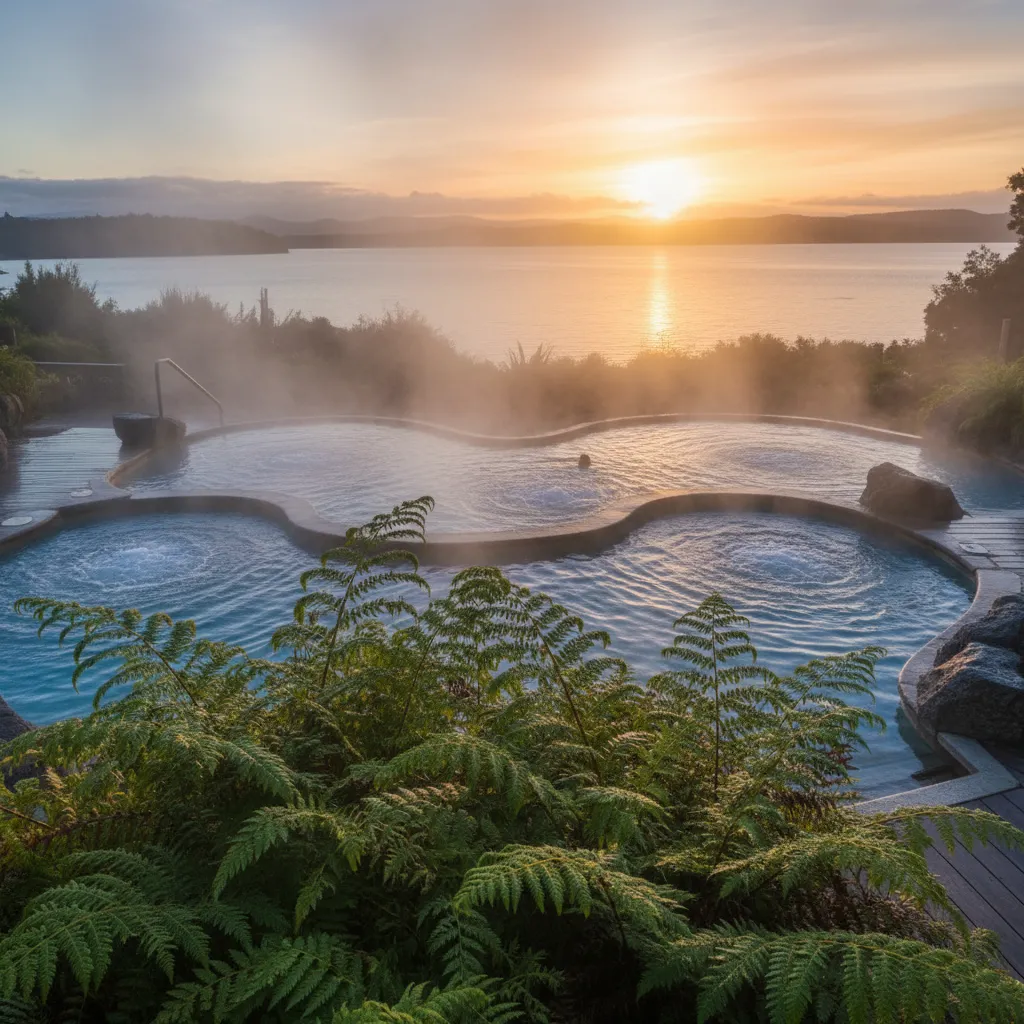
What makes the Polynesian Spa a world-class destination?
The Polynesian Spa is the benchmark for commercial bathing in New Zealand. Consistently voted among the top ten spas in the world, it utilizes two distinct types of mineral water: the acidic Priest Spring, renowned for relieving tired muscles and aches, and the alkaline Rachel Spring, which features the antiseptic action of sodium silicate that nourishes the skin.
For the traveler, this location offers predictability and luxury. Facilities include private pools, a reflexology walk, and the Deluxe Lake Spa, which overlooks the bird sanctuary of Sulphur Bay. It is an accessible option for those who want a guaranteed temperature and high-end amenities like changing rooms, showers, and on-site therapy.
How do I find Kerosene Creek and is it safe?
On the opposite end of the spectrum lies Kerosene Creek, a thermally heated stream located about 30 minutes south of Rotorua. This is a “wild” spa experience. Hot water from a natural spring flows into the cool stream, creating a pleasant bathing temperature. The highlight is a 2-meter waterfall that bathers can sit under for a natural shoulder massage.
Access and Safety: To reach it, you must drive down a gravel forestry road (Old Waiotapu Road). As this is an unmanaged site, there are no lifeguards or facilities. Visitors must be vigilant about:
- Theft: Do not leave valuables in your car. This area is notorious for break-ins.
- Amoebic Meningitis: While extremely rare, it is advisable not to submerge your head in natural hot pools, particularly where the water is stagnant or the earth is disturbed.
- Leave No Trace: As part of regenerative travel, it is critical to carry out all rubbish. Kerosene Creek has suffered from over-tourism; visiting respectfully ensures it remains open to the public.
Hanmer Springs: The Alpine Family Destination
Moving to the South Island, Hanmer Springs offers a distinctively different atmosphere. Located in the Canterbury region, this alpine village is surrounded by mountains and redwood forests, providing a crisp contrast to the humid heat of the pools.
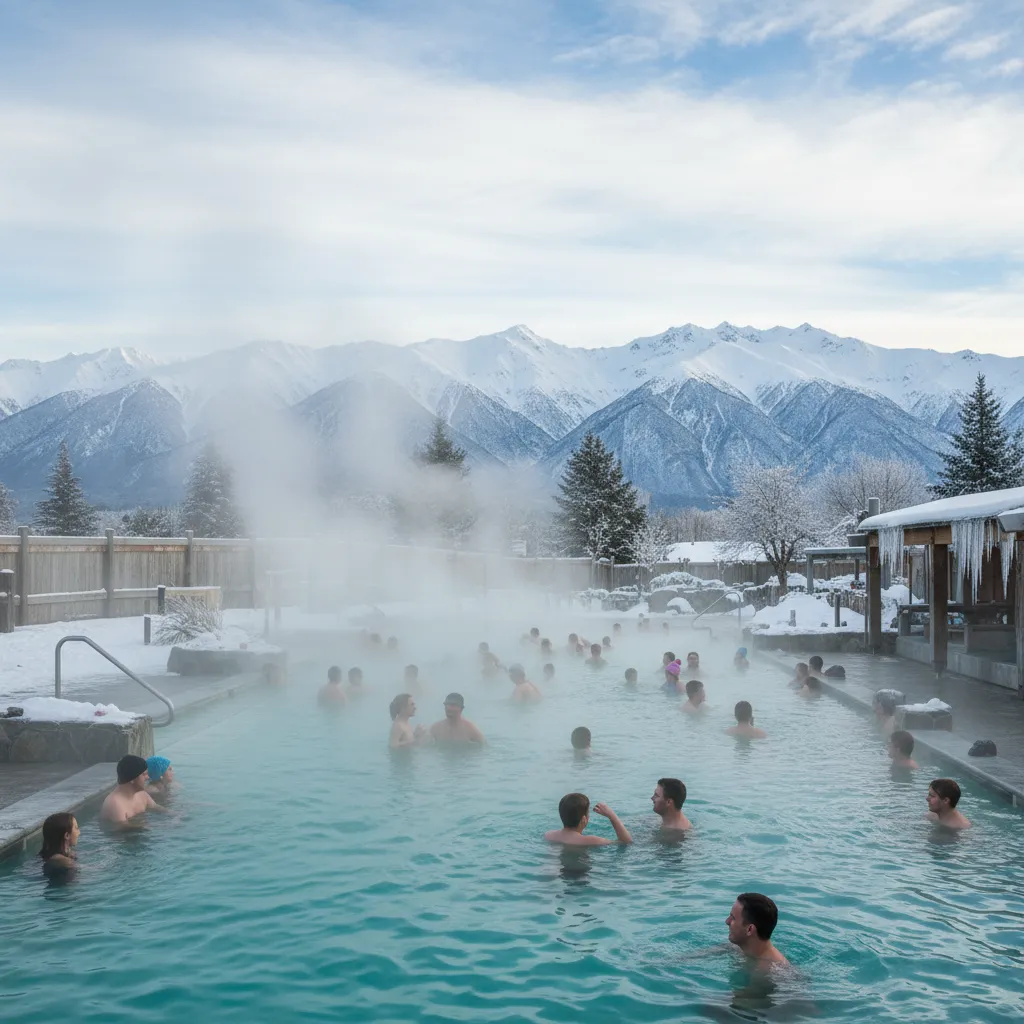
Why is Hanmer Springs ideal for families?
Hanmer Springs Thermal Pools & Spa is a massive complex that effectively segments its audience. While it houses quiet rock pools and sulfur pools for adults seeking therapy, it is famous for its family infrastructure. The complex features hydroslides, a lazy river, and freshwater lap pools.
The water here originates from rain that fell on the Hanmer Plains 173 years ago. It seeps down into the greywacke basement rock, is warmed by the earth’s core, and rises back to the surface rich in minerals. The commercial nature of Hanmer makes it a safe bet for travelers with children, as the environment is controlled, lifeguarded, and serviced by a surrounding town full of accommodation and dining options.
Coromandel Hot Water Beach: The Ultimate Tide Guide
Perhaps the most interactive of all best hot springs NZ experiences is Hot Water Beach on the Coromandel Peninsula. Here, the spa is not a facility you enter, but a hole you dig yourself in the sand.
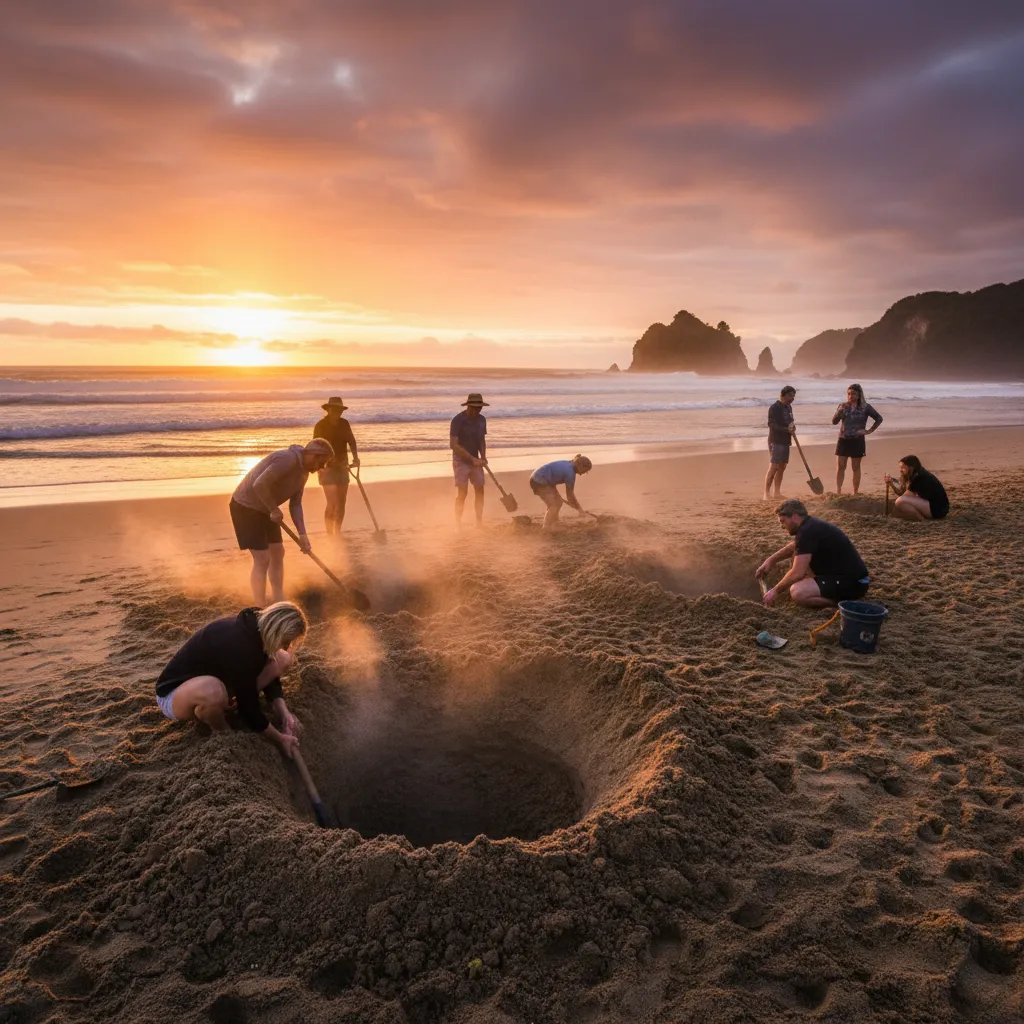
When is the best time to visit Hot Water Beach?
Timing is everything. Two hours either side of low tide is the only window of opportunity. Outside of this time, the tide covers the thermal vents, and the cold ocean water dilutes the heat.
The Strategy for Success:
- Check the Tide Tables: Do not guess. Look up the specific low tide times for the Mercury Bay area.
- Arrive Early: This is a popular spot. Arriving 2.5 hours before low tide allows you to scout the best location. Look for steam rising from the sand or where other people are gathering near the rocks at the southern end of the beach.
- Bring a Spade: While you can rent them at local cafes, bringing your own ensures you aren’t left waiting.
- Test the Water: The water can reach temperatures of 64°C (147°F). It is often scalding. The trick is to dig a channel to the sea to allow a small amount of cold ocean water to mix with your thermal pool, creating a regulator for the temperature.
Eco-Luxury: Maruia and Tekapo Springs
For those interested in the “Regenerative Travel” niche, supporting establishments that prioritize environmental sustainability is key. Two standout locations in the South Island embody this ethos.
Maruia Hot Springs
Located in the Lewis Pass, Maruia Hot Springs operates completely off the grid. A hydro-turbine powers the lodge, utilizing the river that flows beside the pools. This is a true sanctuary, focusing on wellness, yoga, and organic food. The water here is natural mineral water containing black algae (which is harmless and natural), known as “Maruia snow.” The aesthetic is Japanese-inspired, promoting quiet contemplation and connection with the beech forest.
Tekapo Springs
While Tekapo Springs uses heated alpine water rather than geothermal water for some of its pools, its location is unrivaled for stargazing. Situated in the Aoraki Mackenzie International Dark Sky Reserve, this facility offers “Star Gazing and Soak” tours. Floating in hot water while observing the Milky Way is a quintessential New Zealand experience that combines astronomical wonder with physical relaxation.
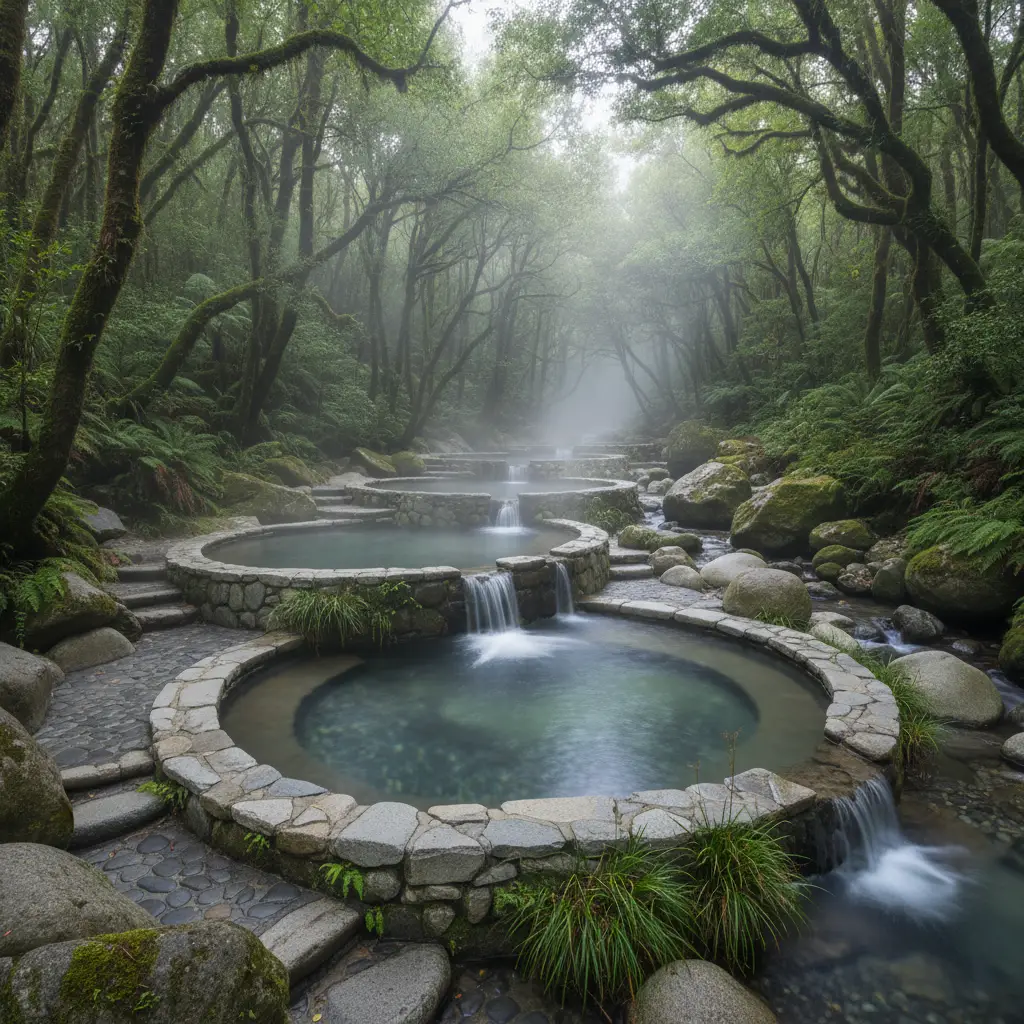
The Science of Soak: Mineral Benefits
Balneotherapy (the treatment of disease by bathing) has scientific backing, particularly regarding the specific mineral compositions found in New Zealand’s volcanic zones. Understanding what you are soaking in enhances the appreciation of the experience.
What are the benefits of Silica and Sulphur?
Silica: Found in high concentrations at the Blue Baths and Polynesian Spa (Rachel Spring), silica is often called the “beauty mineral.” It is believed to improve collagen production, strengthening skin, hair, and nails. Travelers often report their skin feeling significantly softer after a silica soak.
Sulphur: Easily identified by its rotten-egg smell, sulphur is a powerhouse for health. It is actively absorbed through the skin and is utilized to treat skin conditions like eczema, psoriasis, and acne. Furthermore, sulfur baths have been shown to reduce oxidative stress and inflammation in the body, making them ideal for hikers and active travelers recovering from New Zealand’s Great Walks.
Magnesium: Many NZ hot springs are rich in magnesium, which plays a crucial role in muscle function. Soaking in magnesium-rich water can help alleviate muscle cramps, improve sleep quality, and reduce cortisol levels, aiding in stress reduction.
Māori History and The Tiaki Promise
It is impossible to discuss the best hot springs NZ has without acknowledging the indigenous connection. For Māori, geothermal resources (Ngāwhā) are taonga (treasures). They have been used for centuries for cooking (kai), bathing, healing, and warmth.
Places like Ngawha Springs in Northland differ from the polished tourist traps. They are rustic, community-run, and hold deep spiritual significance. The water here is murky, grey, and incredibly potent. Visiting these sites requires a higher level of cultural respect.
The Tiaki Promise
As a visitor to New Zealand, you are invited to follow the Tiaki Promise—a commitment to care for New Zealand, for now, and for future generations. In the context of hot springs, this means:
- Treading Lightly: Do not damage surrounding vegetation to access pools.
- Respecting Culture: Do not eat or drink in the pools unless designated. In Māori culture, water is tapu (sacred), and mixing food with bathing water can be culturally offensive.
- Waste Management: Carry out what you carry in, especially at remote locations like Kerosene Creek or Welcome Flat Hut.
Frequently Asked Questions
Are there any free hot springs in New Zealand?
Yes, New Zealand has several free natural hot springs. The most popular include Kerosene Creek and Waterfall Spout Bath near Rotorua, Hot Water Beach in the Coromandel (though you need a spade), and Otumuheke Stream in Taupō. Always check safety warnings before entering unmanaged waters.
Is it safe to put your head underwater in NZ hot springs?
In commercial, chlorinated pools, it is generally safe. However, in natural, unmanaged geothermal pools, it is strongly advised to keep your head above water to avoid the rare risk of amoebic meningitis, caused by an amoeba that thrives in warm, stagnant water and enters through the nose.
What is the best time of year to visit hot springs in NZ?
While hot springs are open year-round, the best time to visit is during the cooler months (April to October). Soaking in hot water while the air temperature is crisp—or even while it is raining or snowing—provides a much more enjoyable contrast than visiting during the heat of summer.
Do I need to book hot springs in advance?
For major commercial spas like the Polynesian Spa, Hanmer Springs, and Onsen Hot Pools in Queenstown, booking in advance is highly recommended, especially for private pools or evening sessions. Natural spots like Hot Water Beach do not require booking but require timing with the tides.
Can children visit all hot springs in New Zealand?
Most large commercial complexes like Hanmer Springs and Taupō DeBretts are designed for families. However, some luxury spas or specific “quiet zones” within spas may have age restrictions (e.g., 12+). Always check the specific policy of the venue before arriving.
What should I wear to a New Zealand hot spring?
Swimwear is required at almost all public and commercial hot springs in New Zealand. Nude bathing is generally not permitted unless you are in a completely private pool or specific naturist areas. It is also advisable to bring a dark-colored swimsuit, as high mineral content (especially sulphur) can sometimes discolor light fabrics.