Winter stargazing in New Zealand offers the premier astronomical experience due to long, dark nights and the visibility of the Milky Way’s galactic core. The crisp, stable winter air minimizes atmospheric distortion, while the Matariki cluster rises, marking the Māori New Year, making June through August the optimal viewing season.
Why is Winter Stargazing in New Zealand Considered World-Class?
New Zealand is widely recognized as a bucket-list destination for astrotourism, but the winter months—specifically June, July, and August—elevate this experience from memorable to transformative. While summer offers more comfortable temperatures, the astronomical advantages of winter are undeniable for serious enthusiasts and eco-tourists alike.
The primary factor is the duration of darkness. In the height of the New Zealand winter, the sun sets early (often before 5:30 PM) and rises late, providing up to 12 hours of true astronomical darkness. This extended window allows observers to witness a significant rotation of the celestial sphere in a single session, viewing constellations that might otherwise be obscured by twilight in other seasons.
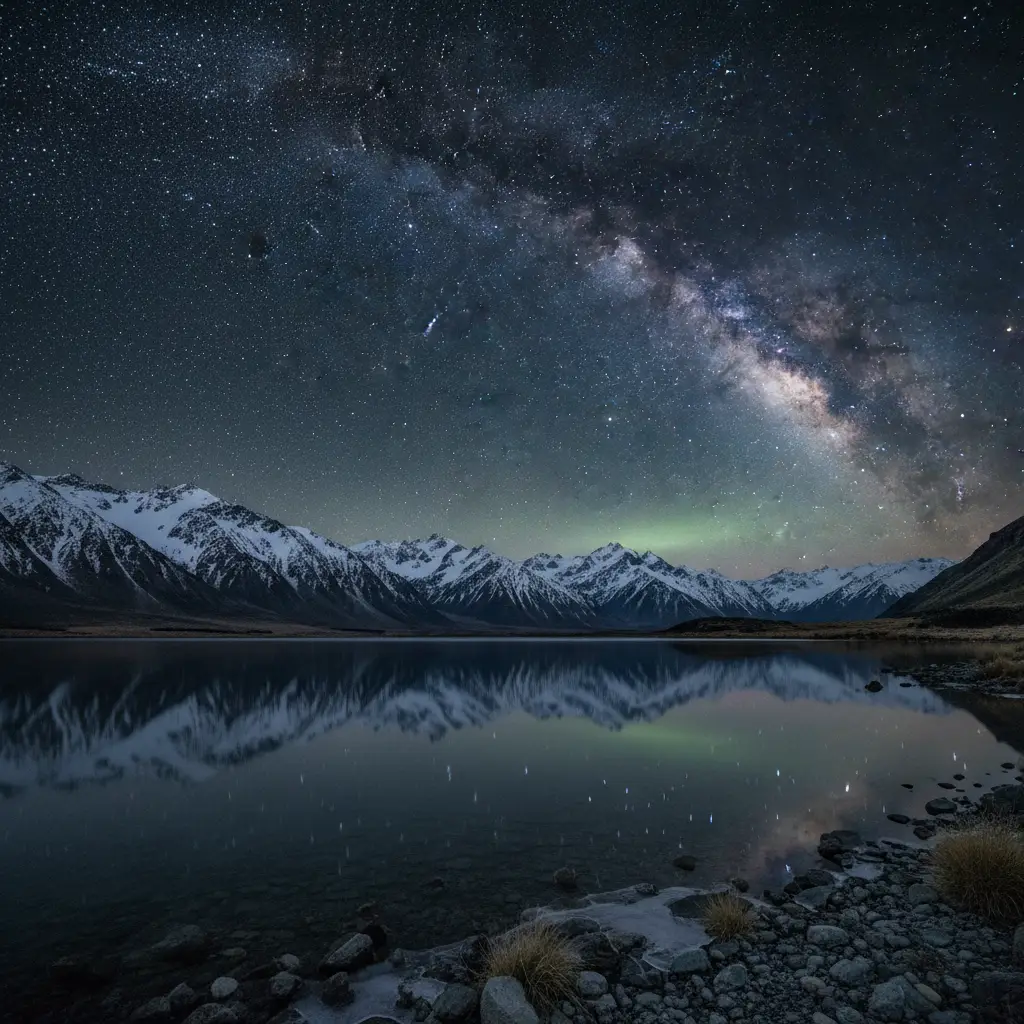
How Does Cold Air Improve Visibility?
One of the most critical, yet often overlooked, components of stargazing is atmospheric stability, often referred to by astronomers as “seeing.” During the New Zealand winter, the air is significantly colder and holds less moisture than the humid summer air. Humidity is the enemy of clear observation; water vapor in the atmosphere scatters light and creates a hazy glow that can wash out faint stars and nebulae.
Cold air is denser and tends to be more stable, reducing the turbulence in the upper atmosphere. This turbulence is what causes stars to “twinkle.” While twinkling stars may sound romantic, for an astronomer or an astrophotographer, it represents distortion. The stable winter air over the South Island’s Mackenzie Basin, for example, allows for pin-sharp planetary details and high-contrast views of deep-sky objects. When the temperature drops below freezing, the transparency of the sky increases, allowing light from distant galaxies to reach the observer with minimal interference.
The Impact of Light Pollution and Conservation
New Zealand’s commitment to eco-tourism and conservation plays a pivotal role here. The country is home to several International Dark Sky Sanctuaries and Reserves. In winter, the low levels of artificial light pollution, combined with the natural clarity of the air, create a Bortle Scale class 1 or 2 sky—the darkest possible skies known to humanity. This aligns with the nation’s broader environmental goals, as reducing light pollution also benefits nocturnal wildlife, such as the kiwi and various seabirds, which can be disoriented by artificial lighting.
When is the Galactic Core Visible in New Zealand?
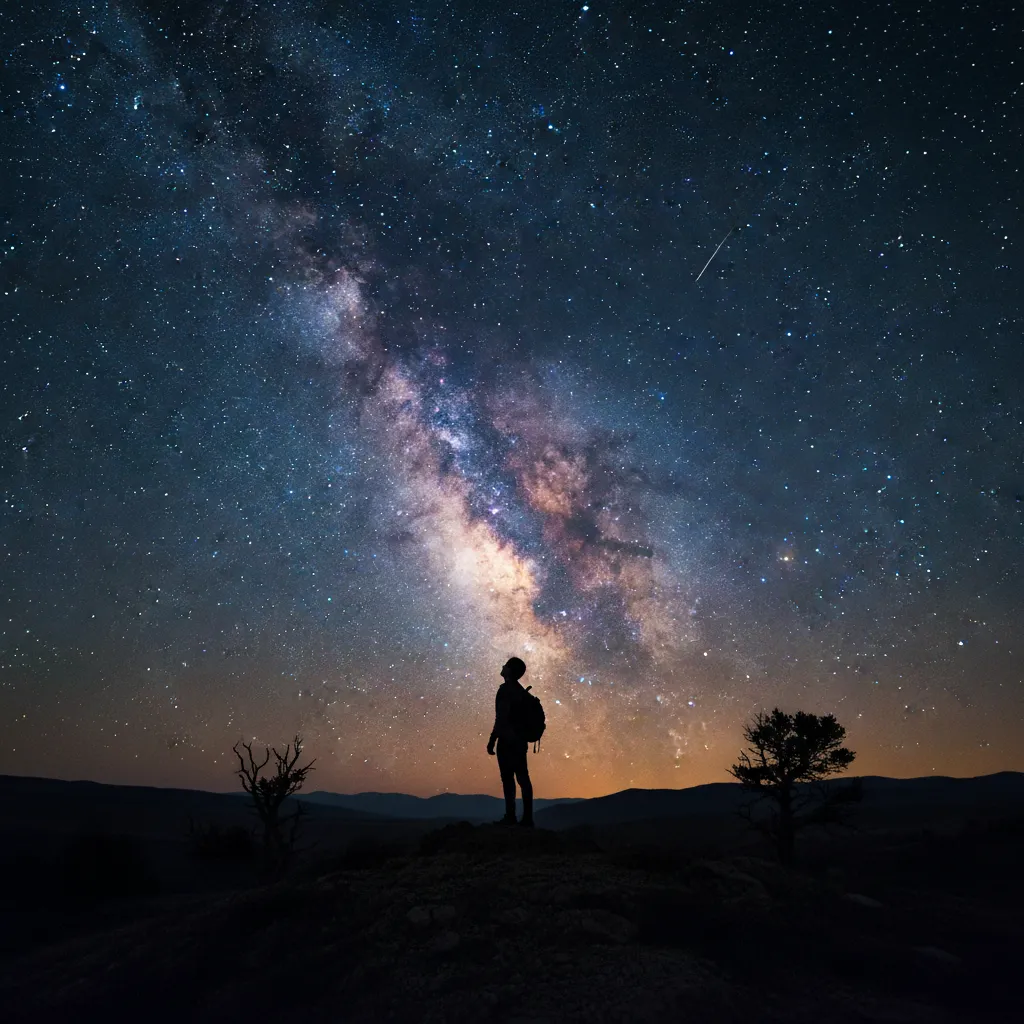
The most spectacular feature of the winter sky in the Southern Hemisphere is the visibility of the Galactic Core—the bright, dense center of our Milky Way galaxy. In the Northern Hemisphere, the core is often low on the horizon or obscured. However, in New Zealand during winter, the Galactic Core rises high overhead, stretching across the zenith.
This positioning is crucial for observing the complex structures of the galaxy. You are looking directly toward the constellation Sagittarius, where the supermassive black hole Sagittarius A* resides. The dust lanes, star clouds, and nebulae are strikingly visible to the naked eye, appearing as a textured, luminescent river of light. This is also where the indigenous perspective becomes vital; Māori astronomy identifies dark patches within the Milky Way, such as the “Great Kiwi,” which are best observed when the galaxy is high and bright against the winter darkness.
What is the Connection Between Winter Stargazing and Matariki?
Winter stargazing in New Zealand is culturally inseparable from Matariki. Matariki is the Māori name for the star cluster known internationally as the Pleiades (M45). The reappearance of this cluster in the pre-dawn sky in mid-winter (usually late June or early July) heralds the Māori New Year.
For the eco-tourist, understanding Matariki adds a profound layer of meaning to the observation. It is not merely about looking at balls of gas burning in the distance; it is about connecting with a navigational and agricultural calendar that has guided people for centuries. The brightness and clarity of the Matariki stars were traditionally used to predict the success of the coming harvest. If the stars were clear and bright, it signaled a warm, productive season. If they were hazy (often due to atmospheric instability), it predicted a cold, harsh winter.
During this period, many Dark Sky Reserves and tourism operators host specific Matariki events, blending hard science with storytelling, cultural performance, and conservation education. This provides a holistic view of the sky that honors both the scientific and spiritual significance of the cosmos.
Where are the Best Places for Winter Stargazing?
While the entire country offers better views than most of the developed world, specific locations are designated for their exceptional quality.
Aoraki Mackenzie International Dark Sky Reserve
This is the gold standard for New Zealand stargazing. Encompassing Lake Tekapo, Mt Cook Village, and Twizel, this 4,300 square kilometer reserve is strictly regulated to control light pollution. In winter, the snow-capped Southern Alps provide a dramatic foreground for astrophotography. The University of Canterbury’s Mt John Observatory is located here, offering world-class tours.
Great Barrier Island (Aotea)
Located off the coast of Auckland, Aotea is an International Dark Sky Sanctuary. Being an island, it is completely detached from the light pollution of the mainland grid. The winter isolation here offers a rugged, off-the-grid experience perfect for those seeking solitude with the stars.
Stewart Island (Rakiura)
As the southernmost populated island in New Zealand, Rakiura (which translates to “The Land of Glowing Skies”) lives up to its name. Its high latitude makes it the premier location for spotting the Aurora Australis during the long winter nights.

How to Dress for Sub-Zero Observation?
The biggest challenge of winter stargazing in New Zealand is the cold. In the Mackenzie Basin and Central Otago, temperatures can easily drop to -5°C to -10°C (14°F to 23°F) overnight. Unlike hiking, stargazing involves standing still for long periods, which causes the body to lose heat rapidly. Proper preparation is a safety necessity, not just for comfort.
The Layering System
Do not rely on a single heavy coat. You must use a layering system to trap warm air:
- Base Layer: Merino wool is essential. Unlike synthetics, New Zealand Merino regulates body temperature and wicks moisture away from the skin. Wear Merino thermal tops and leggings.
- Mid Layer: Fleece or a heavy wool sweater provides insulation.
- Outer Layer: A windproof and waterproof down jacket (puffer jacket) is critical. The wind chill in alpine regions can cut through standard fabrics instantly.
Extremities and Ground Insulation
The cold attacks extremities first. Heavy wool socks and insulated, waterproof boots are mandatory. Cold seeps up from the frozen ground through the soles of shoes, so avoid sneakers. Wear a beanie that covers your ears and thermal gloves. Pro tip: Use fingerless gloves with a mitten flap so you can adjust telescope or camera settings without exposing your skin for too long. Additionally, chemical hand and toe warmers are inexpensive and highly effective for extending your observing session.
Can You See the Southern Lights in Winter?
Yes, winter is the best time to hunt for the Aurora Australis (Southern Lights). While the solar activity that causes auroras happens year-round, the extended darkness of winter increases your statistical probability of seeing them.
Unlike the Aurora Borealis, which is often green, the Southern Lights frequently appear as pink, purple, and orange hues dancing on the southern horizon. To see them, you need a clear view to the south, away from any city glow. Monitoring the K-index (a measure of geomagnetic storm activity) is essential; a K-index of 5 or higher usually results in a visible display in the lower South Island.

People Also Ask
What is the best month for stargazing in New Zealand?
June and July are widely considered the best months. These months offer the longest nights, the clearest air, and the best visibility of the Milky Way’s galactic core, along with the rise of Matariki.
Do I need a telescope to see the Milky Way in New Zealand?
No, you do not need a telescope. The skies in New Zealand’s Dark Sky Reserves are so dark that the Milky Way is clearly visible to the naked eye, appearing as a bright, textured band of light across the sky.
Where is the darkest sky in New Zealand?
The Aoraki Mackenzie International Dark Sky Reserve and the Stewart Island/Rakiura Dark Sky Sanctuary are contenders for the darkest skies, often measuring Class 1 on the Bortle Scale.
What should I wear for stargazing in New Zealand winter?
Wear thermal merino base layers, a fleece mid-layer, a windproof down jacket, insulated boots, thick wool socks, a beanie, and gloves. Temperatures often drop below freezing.
Is the Southern Cross visible in winter?
Yes, the Southern Cross (Crux) is a circumpolar constellation in New Zealand, meaning it is visible year-round, but it sits high in the sky during the winter months, making it easy to spot.
Can you see the Northern Lights in New Zealand?
No, you cannot see the Northern Lights (Aurora Borealis) in New Zealand. Instead, you can see the Southern Lights (Aurora Australis), which are the southern hemisphere equivalent.