Visiting pest-free islands rules mandate that all visitors thoroughly inspect and clean gear for seeds, soil, and pests prior to departure. Protocols include using disinfectant stations to prevent Kauri dieback, sealing bags to exclude rodents and Argentine ants, and adhering to strict food restrictions to protect New Zealand’s vulnerable native ecosystems.
Why Biosecurity Matters in New Zealand
New Zealand’s ecosystem is unique globally due to its long isolation from other landmasses. Before human arrival, the only land mammals were bats. Consequently, our native flora and fauna evolved without defenses against mammalian predators. Today, many of our most endangered species—such as the Kākāpō, Takahē, and Little Spotted Kiwi—survive only on offshore islands that have been painstakingly cleared of introduced pests.
Visiting pest-free islands rules are not merely bureaucratic suggestions; they are the primary line of defense for these sanctuaries. A single pregnant rat, a handful of Argentine ants, or a speck of soil containing Phytophthora agathidicida (Kauri dieback spores) can undo decades of conservation work and millions of dollars in investment. The Department of Conservation (DOC) and local iwi (tribes) enforce these rules strictly to maintain the delicate balance of these “lifeboats” for endangered species.

When you visit these locations, you are assuming the role of a guardian (Kaitiaki). Understanding the “why” behind the rules ensures that every visitor contributes to the survival of these species rather than posing a threat. The goal of Predator Free 2050 depends heavily on maintaining the integrity of these offshore successes while mainland suppression techniques catch up.
The Comprehensive Gear Check Protocol
The most critical aspect of visiting pest-free islands rules is the pre-departure gear check. This process must be performed before you arrive at the ferry terminal or boat ramp. Biosecurity rangers often conduct secondary checks at departure points, and if your gear is dirty, you may be denied boarding.
Inspect Your Footwear
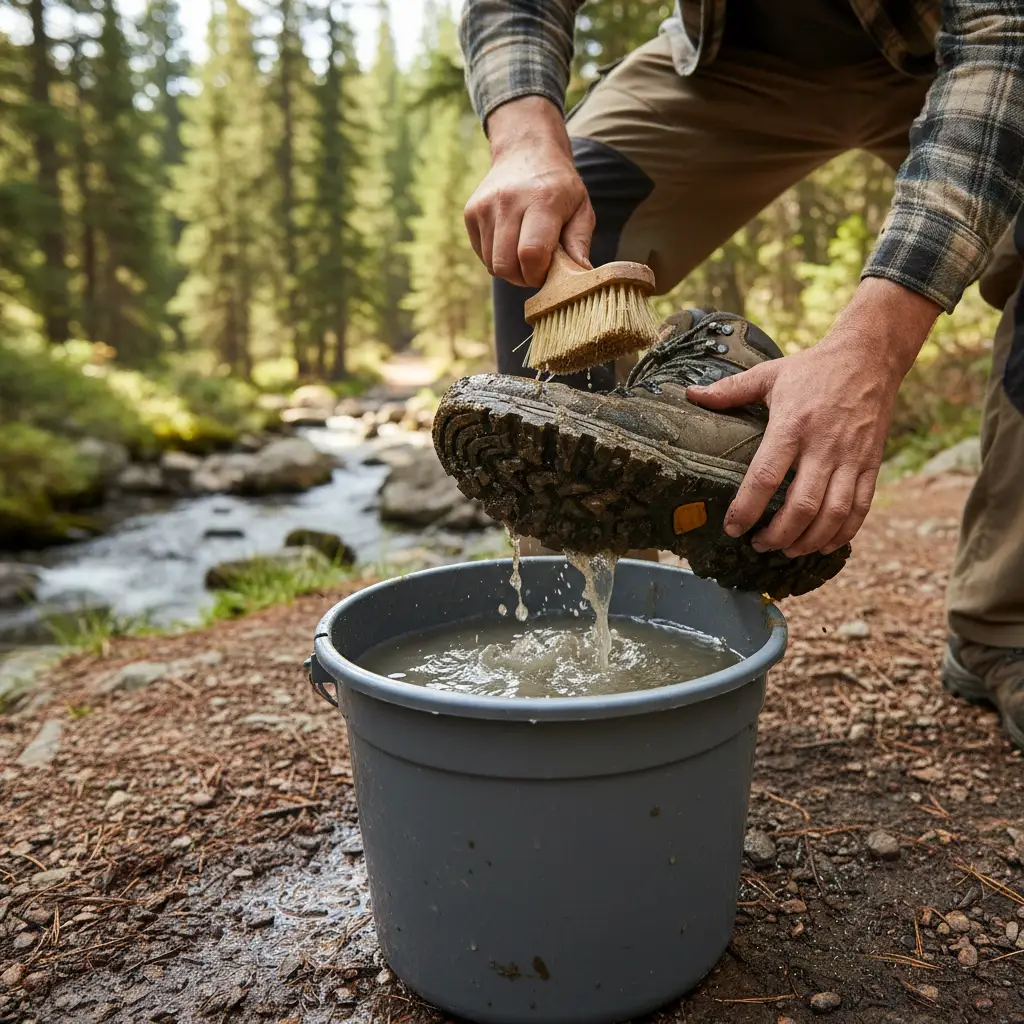
Soil is a major vector for disease and weed seeds. Check the soles of your hiking boots, running shoes, and even sandals. Use a stiff brush to remove every particle of dirt from the treads. Pay special attention to the tongue of the boot and the laces, where grass seeds often hide. If you have been hiking in areas with Kauri dieback (such as the Waitākere Ranges), consider bringing a different pair of shoes entirely.
Backpacks and Velcro
Backpacks are notorious for harboring pests. Empty every pocket of your bag. Turn it upside down and shake it vigorously to dislodge crumbs, seeds, or insects.
The Velcro Trap: Velcro fasteners on jackets, gaiters, and backpack straps act as magnets for seeds. You must pick out every single seed visible. A pair of tweezers can be helpful for this task. If the velcro is too clogged to clean, do not bring that item to the island.
Camping Equipment
If you are permitted to stay overnight, your camping gear requires a forensic-level inspection. Unroll your tent and sleeping bag in a clean area (like a garage or driveway) before packing. Check for:
- Insects: Ants and spiders often crawl into rolled-up tents.
- Rodents: Look for chew marks or droppings.
- Skinks: Small lizards can easily be rolled up inside canvas.
- Soil: Ensure tent pegs are scrubbed clean of all earth.
Argentine Ant Prevention Strategies
Argentine ants are one of the world’s most invasive species and pose a catastrophic threat to New Zealand’s native insects and hatchling birds. Unlike other pests, they are tiny and can establish a colony from a single queen hidden in your gear. They are aggressive, displacing native ants and killing native vertebrates.
How to Check for Ants
When reviewing visiting pest-free islands rules regarding ants, the focus is on food residues and hidden crevices.
1. Shake and visual check: Shake out all clothing and gear.
2. Sweet residues: Ensure no sticky wrappers, juice spills, or fruit residues are on your gear, as these attract ants instantly.
3. Storage: Store your gear in a plastic bin or a sealed bag in a pest-free area (not on the lawn) the night before you travel.
If you find ants in your car or gear before departure, you must treat the area with insecticide and thoroughly reclean everything. Do not proceed to the island until you are certain the infestation is gone.
Kauri Dieback Cleaning Stations
Kauri dieback is a microscopic soil-borne pathogen that kills New Zealand’s giant Kauri trees. There is currently no cure. The disease spreads primarily through the movement of soil on footwear and equipment.
The Cleaning Station Process
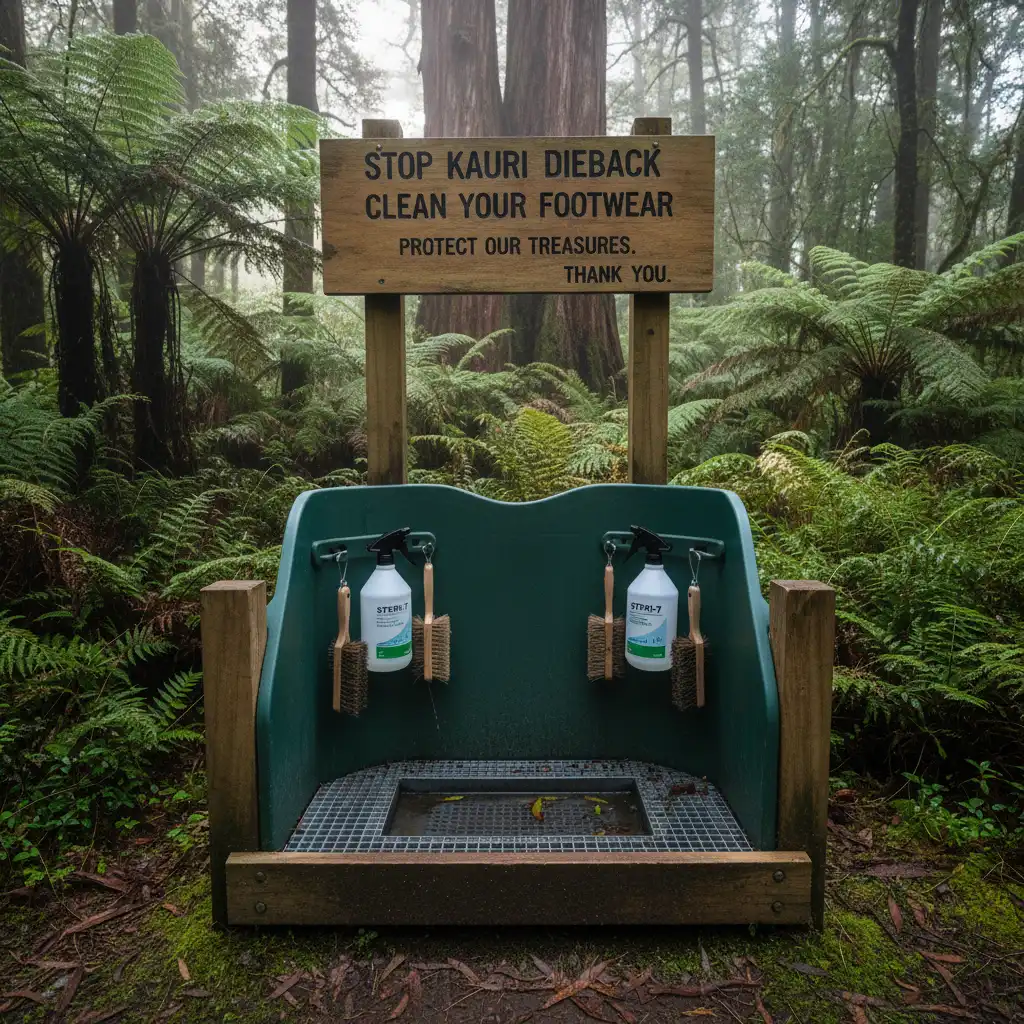
At the wharf or entrance to the island, you will encounter mandatory cleaning stations. Using these correctly is a non-negotiable part of visiting pest-free islands rules.
Step 1: Scrub. Use the provided brushes to remove all visible soil from your shoes. Ensure the treads are clear.
Step 2: Spray. Use the spray bottle containing disinfectant (usually Sterigene/Trigene) to saturate the soles of your shoes. This kills the microscopic spores.
Step 3: Wait. Allow the disinfectant to stay on the shoes for a moment as you proceed through the gate.
Even if your shoes look clean, you must use the spray. The spores are invisible to the naked eye. This protocol applies every time you move between distinct track sections if stations are provided, and definitely upon arrival and departure.
Food and Waste Restrictions Explained
Food brings pests. To mitigate this risk, many islands have strict regulations regarding what you can bring and how it must be packaged. On some highly sensitive sanctuaries, such as Little Barrier Island (Hauturu-o-Toi), food importation is tightly controlled.
Sealed Containers
All food must be packed in sealed, rodent-proof containers. Hard plastic containers with locking lids (like Tupperware or Sistema) are preferred over plastic bags, which rats can chew through in seconds. Do not carry food in open shopping bags or cardboard boxes.
No Open Packets
Avoid bringing open packets of chips or crackers. If you have opened food, transfer it to a sealed container before leaving home. This prevents crumbs from falling into your bag, which could attract mice or ants later.
Pack In, Pack Out
There are no rubbish bins on most pest-free islands. This is a deliberate strategy to prevent pests from establishing a food source. You are required to carry all your rubbish off the island with you. This includes apple cores and banana skins—do not throw biodegradable waste into the bush, as it introduces foreign seeds and attracts rats and wasps.
Marine Biosecurity for Boaters
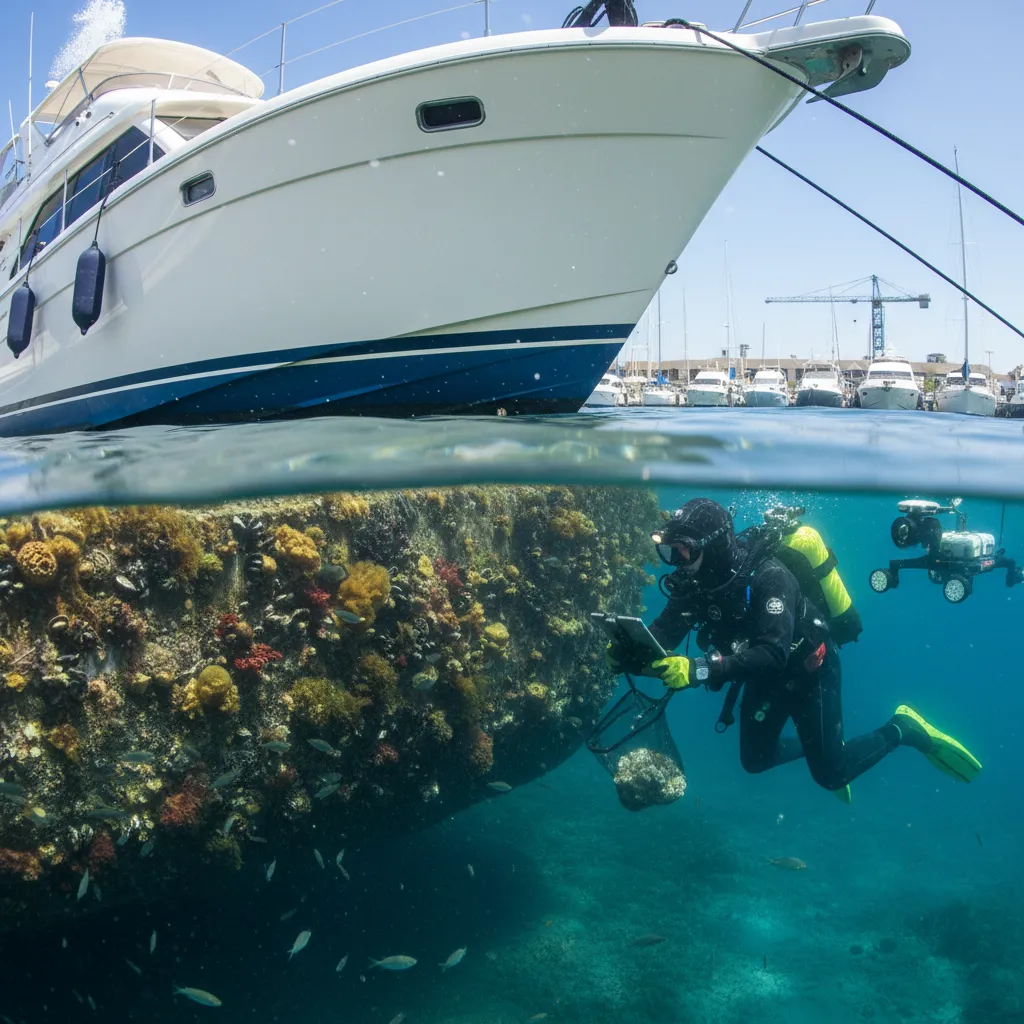
For those visiting pest-free islands via private vessel, the rules extend below the waterline. Marine pests like Mediterranean fanworm and invasive sea squirts threaten New Zealand’s underwater biodiversity.
Hull Checks: Your boat hull must be free of biofouling (marine growth). Antifouling paint should be in good condition. If you are traveling to high-value conservation areas like the Hauraki Gulf islands or Fiordland, ensure your hull has been cleaned recently.
Anchor Wells and Kayaks: Check anchor wells for rodents. Rats are excellent swimmers and can climb anchor chains, but they often stow away on the boat itself. If you are kayaking, inspect the internal compartments of the kayak for insects and seeds before launching.
The Consequences of Non-Compliance
Failure to adhere to visiting pest-free islands rules can result in severe penalties. Under the Biosecurity Act and Conservation Act, fines can be levied against individuals who knowingly or negligently introduce pests to sanctuary areas. However, the ecological cost is far higher.
If a pest incursion is detected (e.g., a rat is found in a trap on the island), it triggers an expensive and intensive biosecurity response. This may involve bringing in conservation dogs, deploying toxins, and potentially closing the island to visitors for months. In the worst-case scenario, a population of endangered birds could be wiped out in a single breeding season. Compliance is not just about following rules; it is an act of conservation.
Frequently Asked Questions
Can I take food to Tiritiri Matangi?
Yes, you can take food to Tiritiri Matangi, but there is no food available for purchase on the island. You must pack your food in sealed, rodent-proof containers (rigid plastic is best). Ensure you pack out all rubbish and leftovers, as there are no bins on the island.
What is the biosecurity check for Kapiti Island?
Before boarding the boat to Kapiti Island, you will undergo a mandatory biosecurity check. Bags will be inspected for rodents, ants, and seeds. You must ensure your footwear is clean of soil and your pockets are free of seeds. Food must be in sealed containers.
How do I clean my boots for Kauri dieback?
To clean boots for Kauri dieback, scrub all soil off the soles and uppers using a stiff brush and water. Once visible soil is removed, spray the soles with Sterigene (provided at cleaning stations) and allow it to dry. This kills the invisible spores.
Are dogs allowed on pest-free islands?
No, dogs and other pets are strictly prohibited on pest-free islands. Dogs pose a direct threat to ground-dwelling birds like Kiwi and Weka. Certified conservation dogs are the only exception and require a specific DOC permit.
What happens if I accidentally bring a pest to an island?
If you discover a pest (like an ant or mouse) while on the island, capture it if safe to do so and immediately report it to a ranger or the boat crew. Early detection is vital. If found during a pre-check, you will simply be asked to remove it or clean your gear before boarding.
Why are there no rubbish bins on pest-free islands?
Rubbish bins are removed to eliminate food sources for potential pests. If a rat or mouse does make it to the island, removing easy food sources makes it more likely they will enter a baited trap. It also encourages a “leave no trace” philosophy.