The tuatara is a unique reptile endemic to New Zealand and the sole survivor of the order Rhynchocephalia, which originated 250 million years ago. Key tuatara facts include their distinct skeletal structure, the presence of a light-sensitive parietal ‘third eye,’ and extreme longevity, often exceeding 100 years in the wild.
What is a Tuatara?
When discussing New Zealand’s biodiversity, the tuatara (Sphenodon punctatus) stands apart as a biological anomaly. Often referred to as a “living fossil,” this reptile provides a direct window into the prehistoric world of the Mesozoic Era. Unlike other reptiles that have evolved significantly over millions of years, the tuatara has retained primitive morphological characteristics that are largely unchanged from its ancestors that walked the earth alongside dinosaurs.
Native exclusively to New Zealand, tuatara are nocturnal, carnivorous, and thrive in cooler temperatures than most other reptiles. Their name, derived from the Māori language, means “peaks on the back,” referring to the distinctive spiny crest that runs along the center of their back, which is more pronounced in males. Understanding tuatara facts is essential for any eco-tourist or conservation enthusiast visiting New Zealand, as these creatures represent a lineage that once populated the supercontinent of Gondwana.
Taxonomy: Why Tuatara Are Not Lizards
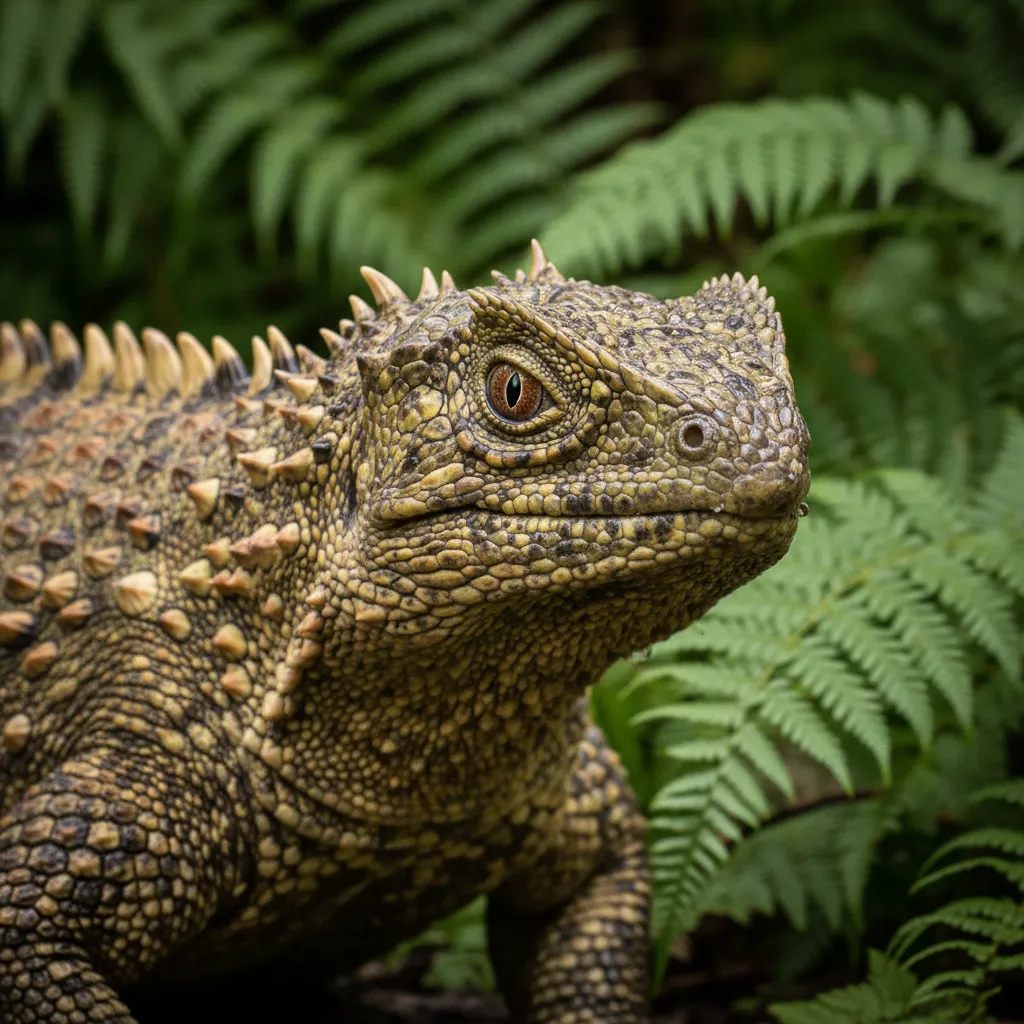
One of the most common misconceptions is that the tuatara is a type of lizard. While they may superficially resemble iguanas or agamas, they belong to a completely separate order called Rhynchocephalia. This distinction is not merely academic; it involves profound anatomical differences that separate them from the order Squamata (which includes lizards and snakes).
Key Anatomical Differences
To the untrained eye, the physical similarities are deceptive. However, a closer look reveals the unique traits that define the Rhynchocephalia order:
- No External Ears: Unlike most lizards, tuatara lack external ear openings. They can still hear, but their hearing mechanism is primitive, relying on the transmission of sound vibrations through the jawbone to the inner ear.
- Unique Dentition: Their teeth are not separate structures rooted in sockets. Instead, they are serrated projections of the jawbone itself. As they age, these “teeth” can wear down completely, leaving older tuatara to chew with their bare jawbones.
- Double Row of Teeth: They possess a unique dental arrangement found in no other living reptile: two rows of teeth on the upper jaw overlapping a single row on the lower jaw. This creates a shearing mechanism, like a pair of scissors, allowing them to saw through hard insect exoskeletons and even the bones of small birds.
- Skeletal Structure: They possess uncinate processes on their ribs—small bony projections that overlap with the next rib. This feature is common in birds and crocodiles but absent in lizards.
The Mystery of the Parietal Eye
Perhaps the most fascinating of all tuatara facts is the existence of the “third eye,” known scientifically as the parietal eye. Located on the top of the head, this organ is a marvel of evolutionary biology.
Structure and Function
The parietal eye is not a mystical concept but a functional biological structure. It contains a lens, a cornea, a retina with rod-like structures, and a degenerated nerve connection to the brain. In hatchlings, this eye is clearly visible as a translucent patch of skin on the top of the skull. As the tuatara matures (usually around six months of age), the eye becomes covered by opaque scales and pigment, rendering it invisible to the naked eye.

Despite being covered, the eye remains photosensitive. Its primary function is believed to be the regulation of circadian rhythms and seasonal cycles by detecting changes in light intensity. It helps the tuatara determine when to bask to absorb UV rays for Vitamin D synthesis and aids in thermoregulation. This biological solar panel allows them to survive in New Zealand’s temperate climate, which is significantly cooler than the tropical environments preferred by most reptiles.
Longevity, Reproduction, and Metabolism
The tuatara lives life in the slow lane. They have the lowest metabolic rate of any reptile, which contributes to their incredible lifespan and slow reproductive cycle. This slow pace of life is a double-edged sword; it allows them to live for over a century but makes population recovery extremely difficult.
How long do Tuatara live?
Tuatara are centenarians of the reptile world. They do not reach sexual maturity until they are between 10 and 20 years old. In captivity and the wild, individuals have been known to live well past 100 years. A famous tuatara named “Henry,” residing at the Southland Museum in Invercargill, became a father for the first time at the age of 111, proving that their reproductive viability remains high even in extreme old age.
The Longest Incubation in Nature
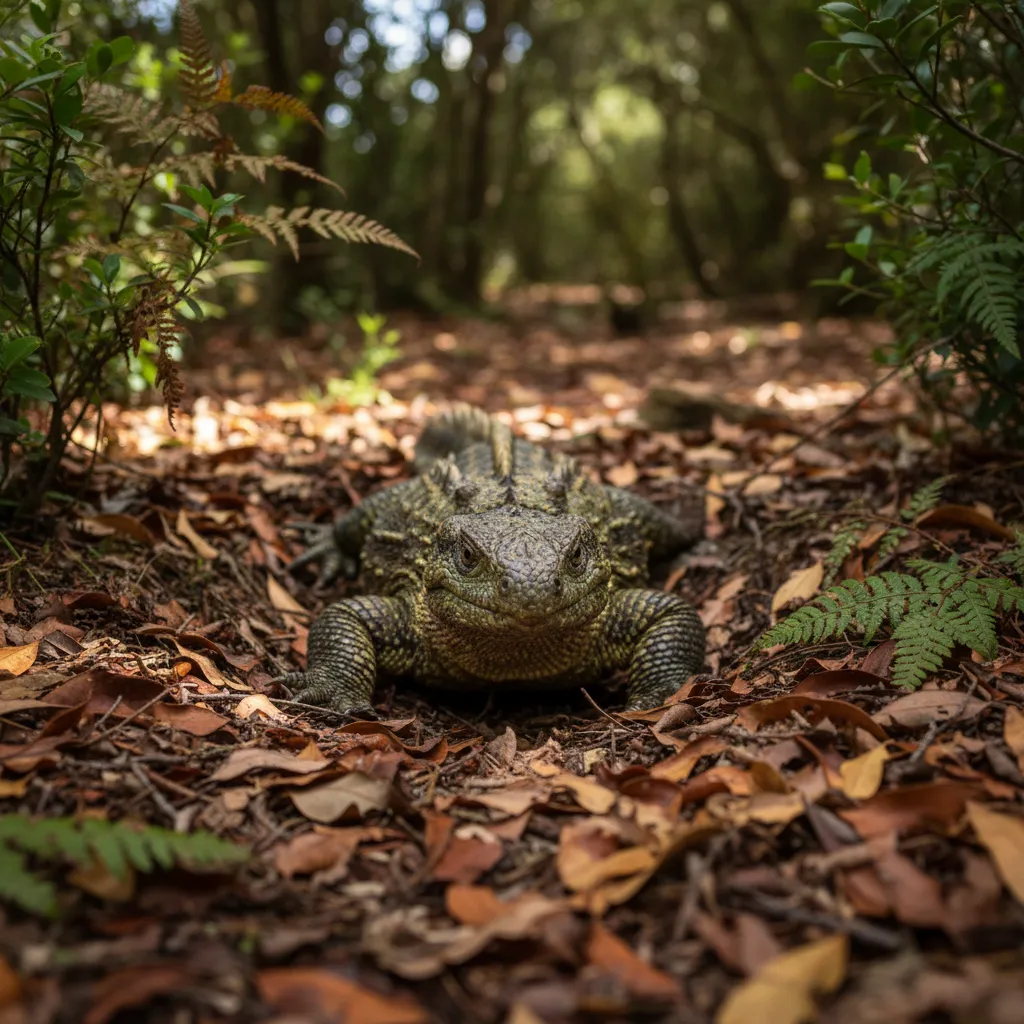
Their reproduction process is equally drawn out. Mating occurs in late summer, but the female does not lay her eggs until the following spring—holding them internally for roughly 8 to 9 months. Once laid, the soft-shelled eggs take another 12 to 15 months to hatch. This means the total time from conception to hatching can be nearly two years.
Temperature-Dependent Sex Determination
A critical fact for conservationists is that the sex of tuatara hatchlings is determined by the temperature of the soil where the eggs are incubated. Warmer temperatures produce males, while cooler temperatures produce females. This biological trait poses a significant risk in the face of global climate change. A rise in average temperatures could result in skewed populations consisting almost entirely of males, leading to a functional extinction.
Cultural Significance (Taonga)
For the Māori people of New Zealand, the tuatara is considered taonga (a special treasure). They are viewed as the guardians of knowledge and are often associated with Whiro, the god of death and disaster, likely due to their eerie appearance and nocturnal habits. In some traditions, they are seen as messengers or kaitiaki (guardians) of specific areas. Today, conservation efforts are deeply intertwined with Māori tikanga (customs), and local iwi (tribes) are often the custodians of tuatara translocated to new sanctuaries.
Where to See Tuatara: Eco-Tourism Guide
Tuatara were once extinct on the main islands of New Zealand due to habitat loss and the introduction of predators like rats and stoats. However, thanks to rigorous conservation efforts, they have been reintroduced to several mainland sanctuaries. For eco-tourists, seeing a tuatara in the wild is a highlight of visiting New Zealand.
Top Locations for Viewing
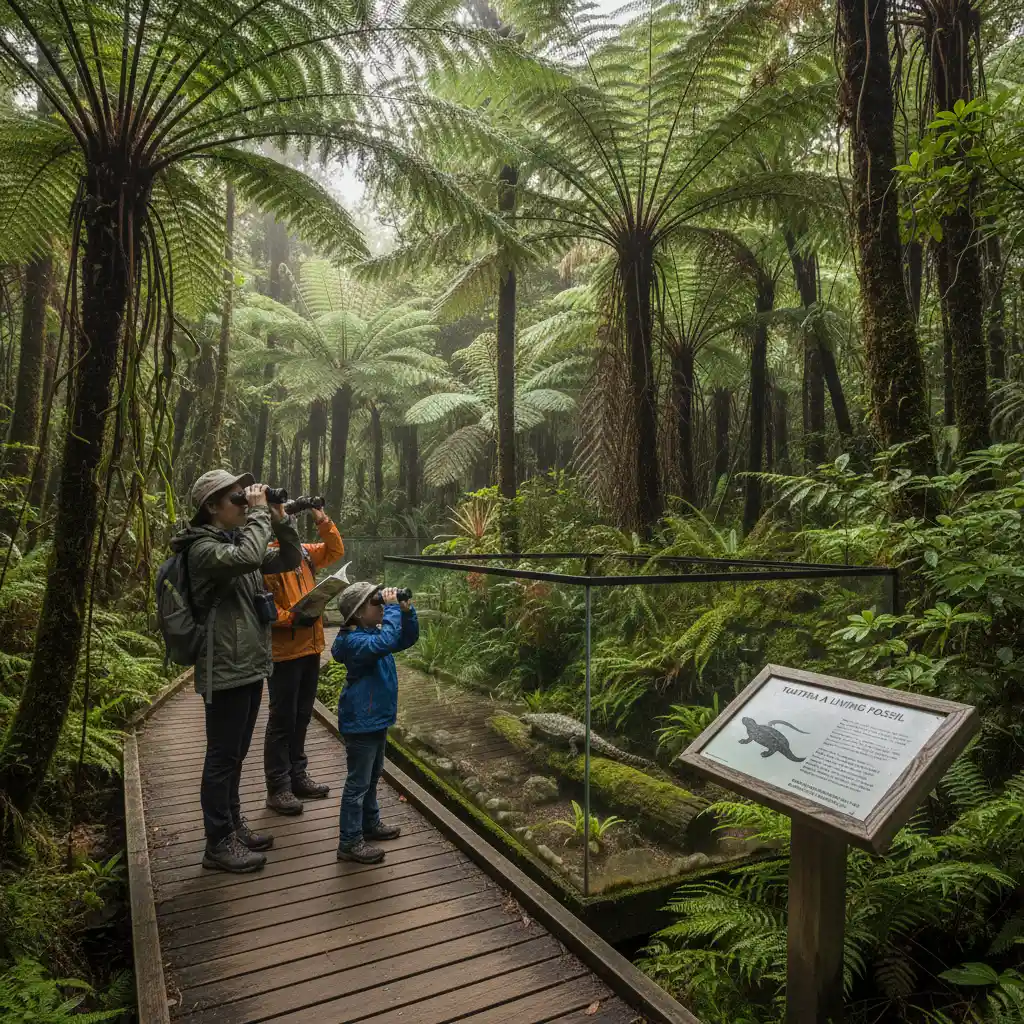
Since tuatara are nocturnal, spotting them during the day can be challenging, but many sanctuaries offer specific tours or have specialized enclosures.
- Zealandia Te Māra a Tāne (Wellington): This is the world’s first fully-fenced urban ecosanctuary. It is one of the best places to see tuatara living wild on the mainland. They can often be seen basking near the research tracks on sunny days.
- Sanctuary Mountain Maungatautari (Waikato): A massive pest-proof fenced sanctuary where tuatara have been reintroduced. Guided tours here provide high chances of sightings.
- Southland Museum and Art Gallery (Invercargill): While the museum is undergoing renovations (check current status), it has historically housed a significant captive breeding program and the famous tuatara, Henry.
- Mou Waho Island (Lake Wanaka): A predator-free island in the middle of Lake Wanaka. Eco-tours take visitors to the island where you can hike up to the Arethusa Pool and spot tuatara.
- Somfes Island / Matiu (Wellington Harbour): A strictly controlled scientific reserve and historic quarantine station that is now a haven for tuatara.
Responsible Observation
When visiting these sanctuaries, it is vital to adhere to strict bio-security rules. Check your bags for pests, clean your shoes to prevent the spread of kauri dieback disease, and never attempt to touch or handle a tuatara. They are a protected species, and harassment carries heavy legal penalties.
Frequently Asked Questions
Are tuatara considered dinosaurs?
No, tuatara are not dinosaurs. While they lived alongside dinosaurs and have retained many primitive features from that era, they belong to a distinct lineage of reptiles called Rhynchocephalia. Dinosaurs are a separate group (Archosaurs), which includes modern birds and crocodiles.
Do tuatara bite humans?
Tuatara are generally docile but can bite if threatened or handled. Their bite is surprisingly powerful due to their unique shearing jaw mechanism and can cause significant injury. However, as they are protected species, humans should never be close enough to be bitten.
What do tuatara eat?
Tuatara are carnivorous. Their diet consists mainly of beetles, wētā (large flightless crickets), worms, spiders, and snails. They are also known to eat lizard, frog, and seabird eggs, and occasionally distinct chicks of petrels or shearwaters with whom they share burrows.
How many tuatara are left in the world?
It is estimated that there are roughly 100,000 tuatara remaining. The vast majority live on predator-free offshore islands (like Stephens Island), with growing populations in mainland fenced sanctuaries like Zealandia.
Can you keep a tuatara as a pet?
No, it is illegal to keep a tuatara as a pet. They are strictly protected under New Zealand law (Wildlife Act 1953). Handling, owning, or exporting them is a serious criminal offense.
Why do tuatara share burrows with birds?
Tuatara often cohabit with burrowing seabirds like petrels. This relationship is generally beneficial for the tuatara, as the birds provide a well-maintained home and their guano attracts insects for the tuatara to eat. However, tuatara will occasionally eat the bird’s eggs or chicks.