New Zealand wildlife sanctuaries are protected terrestrial refuges, including offshore islands and fenced mainland areas, dedicated to the preservation of indigenous flora and fauna. These sites actively manage threats by excluding invasive predators like rats, stoats, and possums, creating safe havens where endangered species such as the kiwi, tuatara, and takahē can thrive and recover.
New Zealand’s evolutionary history is one of isolation. Separated from the supercontinent Gondwana for 80 million years, the archipelago developed a unique ecosystem dominated by birds, ancient reptiles, and invertebrates, largely devoid of terrestrial mammals. The introduction of predatory mammals by humans shattered this balance. Today, New Zealand wildlife sanctuaries represent the frontline of defense and recovery, utilizing world-leading conservation technology and biosecurity measures to reverse extinction trends.
The Strategic Importance of Offshore Island Refuges
Before the advent of sophisticated fencing technology, offshore islands were the only viable option for saving New Zealand’s most vulnerable species. These islands serve as natural arks, utilizing the ocean as a formidable barrier against the reinvasion of swimming pests like stoats and rats.
The concept of using islands for conservation dates back to the late 19th century, but it was the dramatic rescue of the Black Robin and the Kakapo in the late 20th century that solidified their importance. Without these terrestrial refuges, species that evolved without flight or defense mechanisms would have undoubtedly faced extinction.
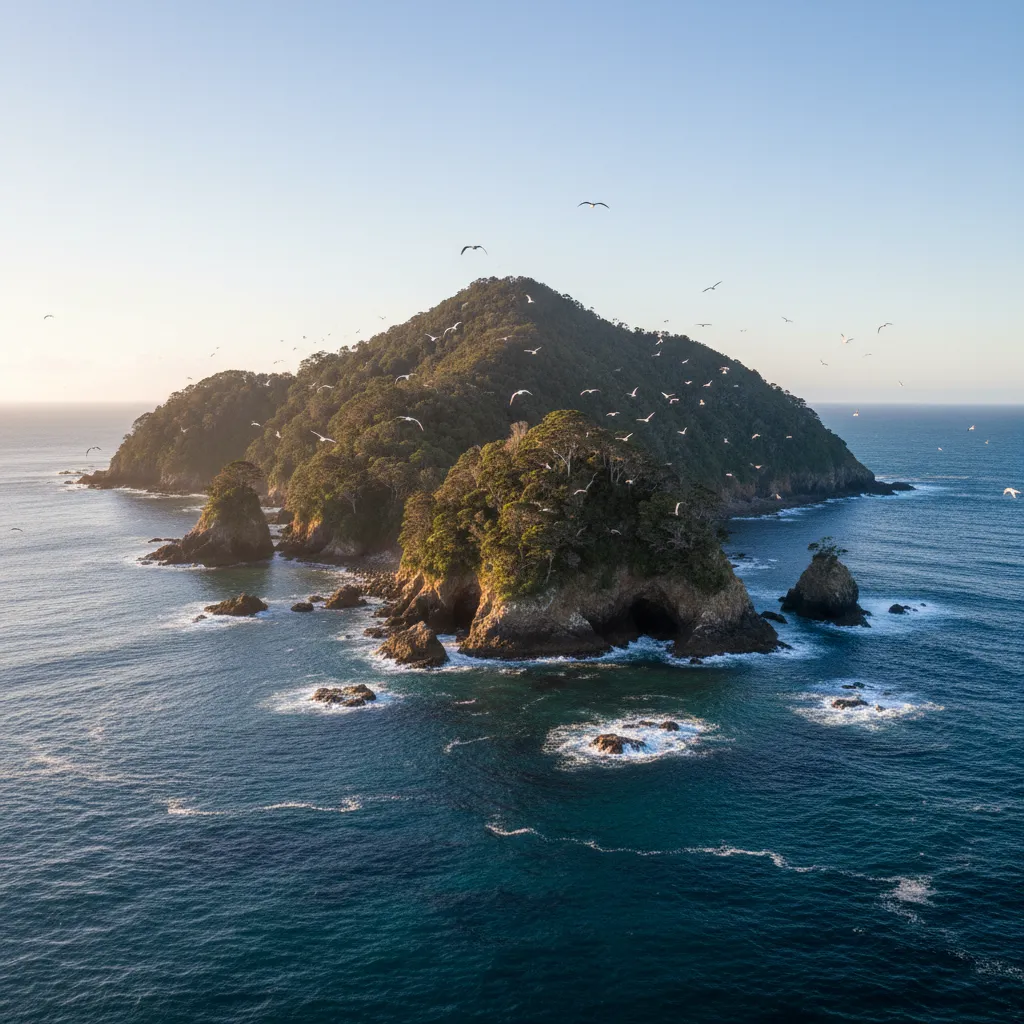
Island Eradication Techniques
Creating an island sanctuary requires the total eradication of introduced pests. This is a complex logistical operation often involving aerial bait drops, trapping, and dog teams. New Zealand is a world leader in this field, having successfully cleared pests from islands as large as Campbell Island (11,000 hectares). Once cleared, these islands allow for the translocation of endangered species. For example, the Little Spotted Kiwi, which is extinct on the mainland, survives solely due to populations established on Kapiti Island and other offshore refuges.
Mainland Ecosanctuaries and the Fence Revolution
While offshore islands are effective, they are often remote and inaccessible to the public. This separation disconnected New Zealanders from their natural heritage. The solution came in the form of the “Mainland Island” concept, made possible by the invention of the predator-proof fence.
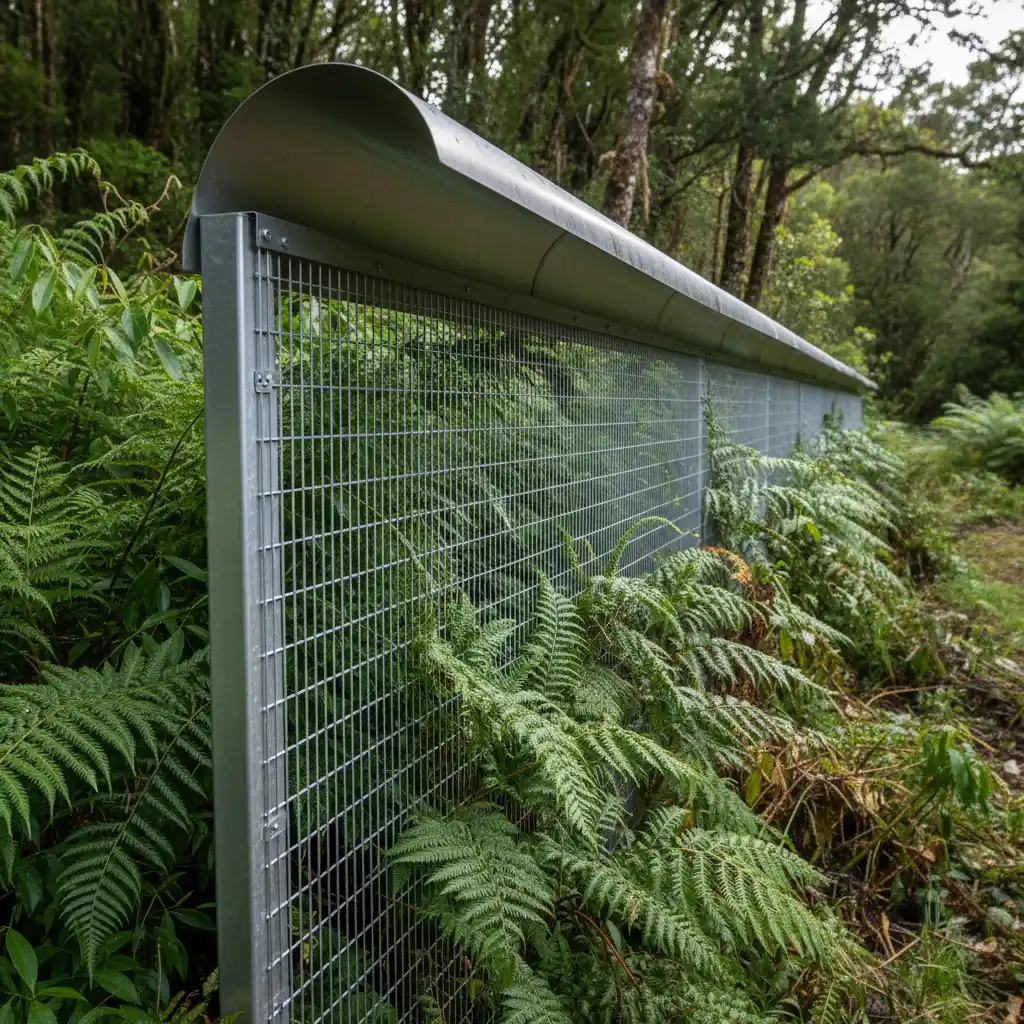
Engineering the Exclusion Fence
A standard farm fence cannot stop a stoat or a baby mouse. The specialized Xcluder™ fence, pioneered at Zealandia in Wellington, features a specific mesh size tight enough to prevent the smallest mouse from squeezing through. It also includes a curved top hood to prevent climbing animals like possums and cats from scaling it, and a skirt buried underground to stop rabbits and rats from tunneling underneath.
These fenced sanctuaries act as intensive care units for the environment. Inside the fence, pest numbers are reduced to zero (or near zero), allowing vegetation to regenerate and bird populations to explode. The “halo effect” is a documented phenomenon where birdlife spills over the fence, enriching the biodiversity of surrounding suburbs and farmland.
Top New Zealand Wildlife Sanctuaries to Visit
For eco-tourists and wildlife enthusiasts, visiting these sanctuaries offers a glimpse into what New Zealand looked like before human arrival. Here are the premier destinations for observing rare endemic wildlife.
Zealandia Te Māra a Tāne (Wellington)
As the world’s first fully-fenced urban ecosanctuary, Zealandia is a conservation success story located minutes from the capital’s CBD. It protects over 225 hectares of regenerating forest.
- Key Species: Little Spotted Kiwi, Tuatara, Takahē, Kākā.
- Experience: Night tours are essential for spotting kiwi and hearing the haunting call of the Ruru (Morepork).
Tiritiri Matangi Island (Auckland)
Located in the Hauraki Gulf, this is one of the most successful community-led conservation projects in the world. Once stripped of 94% of its bush for farming, volunteers planted nearly 300,000 trees between 1984 and 1994.
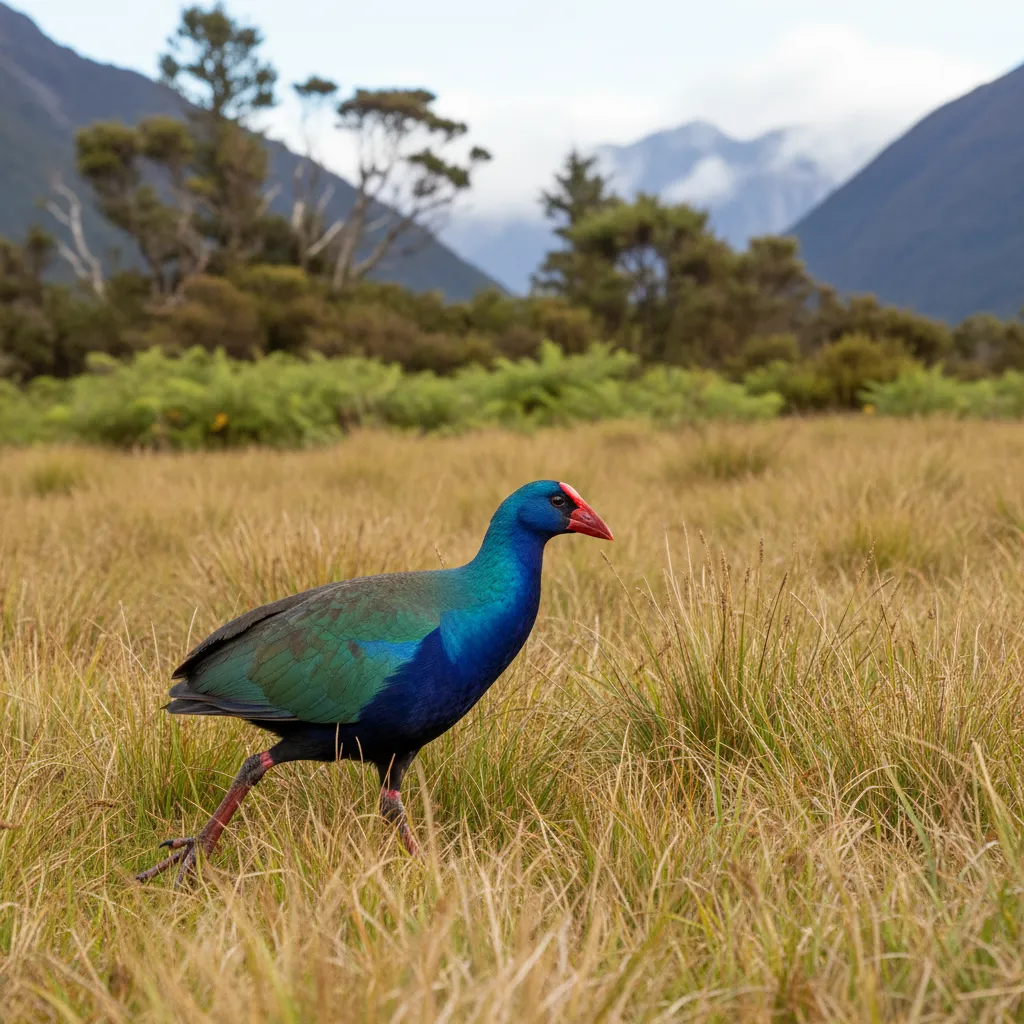
- Key Species: Takahe, Kōkako, Tīeke (Saddleback), Hihi (Stitchbird).
- Experience: The bird density here is exceptional; visitors are often surrounded by birdsong immediately upon landing.
Sanctuary Mountain Maungatautari (Waikato)
This is the largest pest-proof fenced project in New Zealand, encompassing 3,400 hectares of ancient forest. The scale of Maungatautari allows for a self-sustaining ecosystem that smaller sanctuaries struggle to maintain.
- Key Species: Western Brown Kiwi, Kākāpō (recently reintroduced), Giant Kōkopu.
- Experience: The sheer scale of the ancient Rimu and Rata trees provides a cathedral-like atmosphere.
Ulva Island / Te Wharawhara (Stewart Island)
Located in the far south within Paterson Inlet, Ulva Island is an open sanctuary, meaning it is not fenced but relies on its water barrier and constant trapping. It offers a pristine example of podocarp forest.
- Key Species: Stewart Island Robin, Mohua (Yellowhead), Kākāriki.
- Experience: The approachable nature of the Stewart Island Robin makes for incredible photography opportunities.
The Science of Sanctuary Management
Establishing a sanctuary involves more than just building a fence. It requires active, ongoing scientific management to ensure genetic diversity and ecosystem health.
Translocation and Genetic Rescue
Many populations in sanctuaries are founded by a small number of individuals, leading to a risk of inbreeding. Conservationists carefully manage “studbooks” for species like the Kiwi and Kōkako, moving individuals between sanctuaries to maintain genetic diversity. This metapopulation management is critical for the long-term survival of the species.
Flora Restoration
It is not just about birds. Sanctuaries also focus on restoring threatened plant species like the Dactylanthus (Wood Rose) and various mistletoes, which are often decimated by possums. Restoring the flora is essential as it provides the seasonal food sources (nectar, berries) that native birds require.
Biosecurity Protocols for Visitors
When visiting New Zealand wildlife sanctuaries, tourists play a vital role in maintaining the pest-free status. A single pregnant mouse or a stowaway Argentine ant queen can undo decades of work and millions of dollars in investment.
The “Check, Clean, Close” Methodology
Strict biosecurity checks are mandatory before entering any offshore island or fenced sanctuary. Visitors must adhere to the following protocols:
- Check Your Gear: Inspect all bags, pockets, and velcro fastenings for seeds, soil, insects, or rodents. Food must be sealed in rodent-proof containers (hard plastic with latching lids).
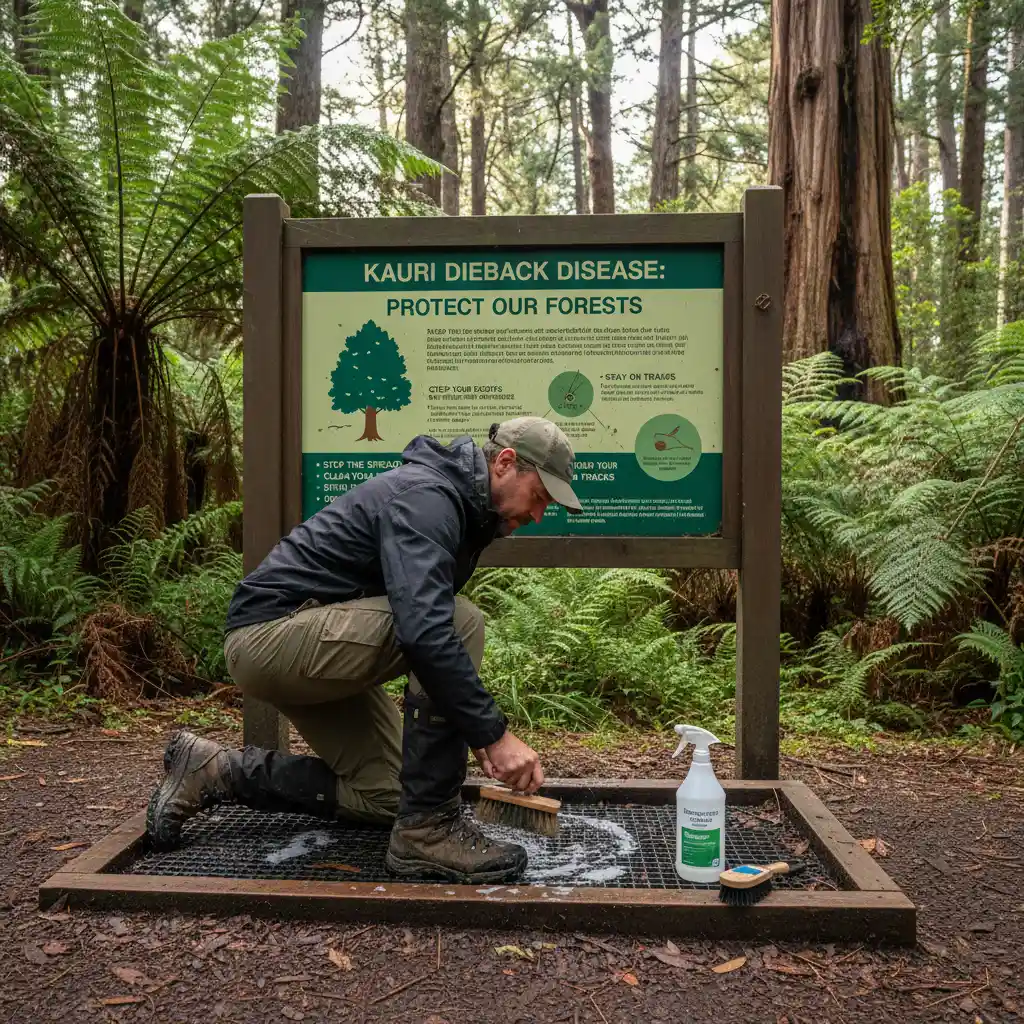
- Clean Your Footwear: Soil carries pathogens like Kauri Dieback disease (Phytophthora agathidicida). Most sanctuaries provide scrubbing stations and disinfectant spray (Trigene) at the entry points. You must scrub the soles of your boots until they are free of all dirt.
- Close All Gates: In fenced sanctuaries, the entry system usually involves a double-gate airlock. Never open the second gate until the first one has fully closed behind you.
The Future: Predator Free 2050
New Zealand wildlife sanctuaries are the incubators for a much larger national ambition: Predator Free 2050. This government initiative aims to eradicate the most damaging introduced predators (rats, stoats, and possums) from the entire country by the year 2050.
Current sanctuaries serve as proof of concept. They demonstrate that native biodiversity can recover rapidly when pressure is removed. The next phase involves developing technology to suppress pests on a landscape scale without fences, using advanced trapping networks, genetic tools, and AI-driven monitoring. Until that goal is reached, fenced sanctuaries and offshore islands remain the critical life-support systems for New Zealand’s natural heritage.
People Also Ask
What is the best wildlife sanctuary in New Zealand?
While “best” is subjective, Zealandia in Wellington is widely considered the best for accessibility and variety, offering a chance to see Tuatara and Little Spotted Kiwi near a city center. For an island experience, Tiritiri Matangi is top-rated due to its high density of birdlife and successful reforestation history.
Are New Zealand wildlife sanctuaries free to visit?
It varies. Some Department of Conservation (DOC) managed reserves and islands like Ulva Island are free to enter (though you pay for the ferry). Major fenced ecosanctuaries like Zealandia, Orokonui, and Maungatautari usually charge an entry fee. These fees are crucial as they directly fund the maintenance of the fence and conservation work.
What animals can you see in NZ sanctuaries?
You can expect to see endemic birds such as the Kiwi, Tūī, Bellbird (Korimako), Kākā, Takahē, and Saddleback (Tīeke). Reptiles like the ancient Tuatara and various skinks and geckos are also common. You will generally not see mammals, as the only native land mammals in NZ are bats (Pekapeka).
Why does New Zealand have predator-proof fences?
New Zealand birds evolved without mammalian predators and often lack defense mechanisms (many are flightless or nest on the ground). Introduced pests like stoats, rats, and possums decimate these populations. Predator-proof fences are currently the most effective way to create large, permanent safe zones on the mainland where these pests are completely excluded.
Can you stay overnight on Tiritiri Matangi?
Yes, overnight stays are possible in the Department of Conservation bunkhouse, but bookings are essential and often fill up months in advance. Staying overnight provides the unique opportunity to spot Little Spotted Kiwi and hear the nocturnal sounds of the sanctuary.
What is the difference between a zoo and a sanctuary in NZ?
A zoo generally keeps animals in captivity/enclosures for display. A wildlife sanctuary in NZ is typically a large, fenced ecosystem or island where animals roam wild and free within the protected area. The primary focus of a sanctuary is ecosystem restoration and conservation of wild populations, rather than exhibition.